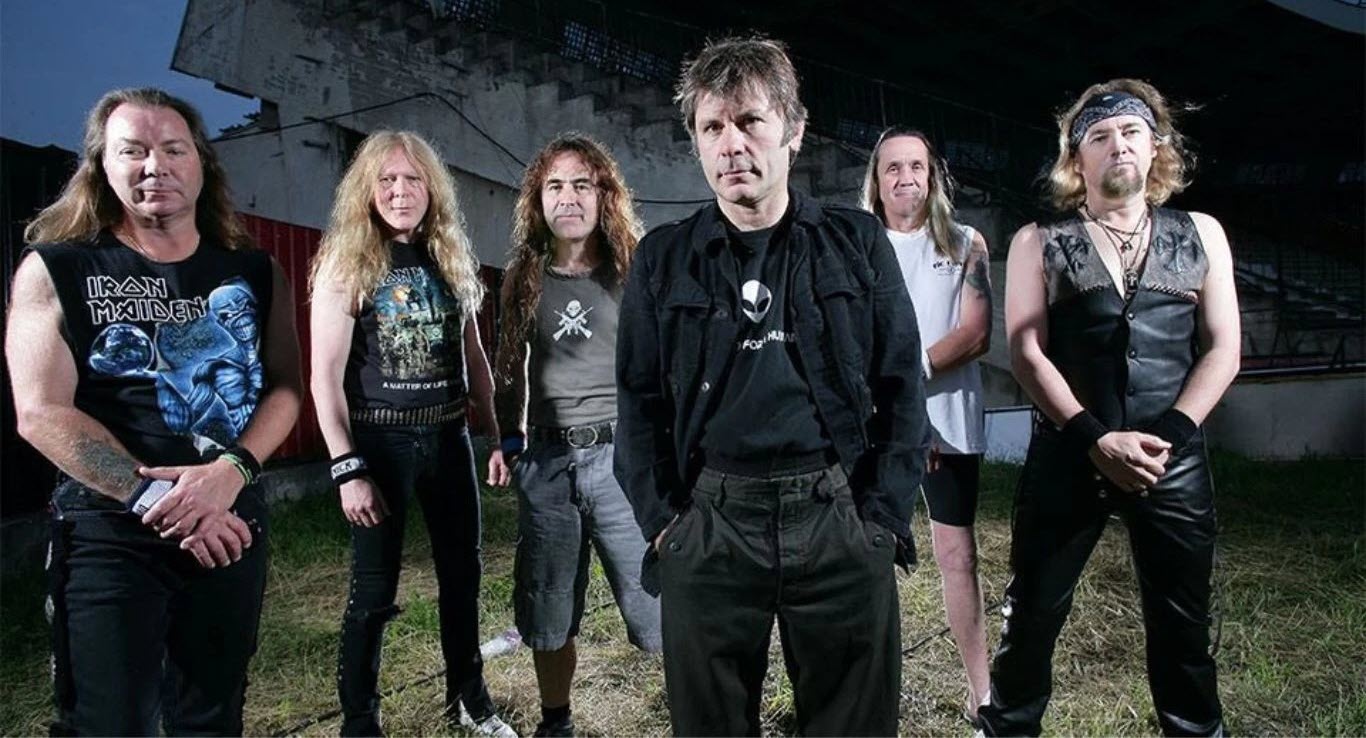
Iron Maiden, the legendary heavy metal band that has captivated audiences for over four decades, is synonymous with powerful riffs, intricate melodies, and epic storytelling. Their music transcends generations, weaving tales of heroism, mythology, and the human experience into unforgettable anthems. With a relentless touring schedule and a dedicated fanbase, Iron Maiden has solidified its status as a cornerstone of the metal genre.
In this article, we take a thrilling journey through their most iconic tracks, diving into the essence of what makes each song a timeless classic. From the soaring vocals of Bruce Dickinson to the thunderous rhythms of the band, each selection showcases Iron Maiden’s unparalleled artistry and influence. Whether you’re a lifelong fan or new to their music, prepare to relive the excitement and passion that these songs evoke.
Join us as we count down the top 10 most popular Iron Maiden songs of all time, exploring their lyrical depth, musical complexity, and the indelible mark they’ve left on the world of rock. Get ready to crank up the volume and celebrate the legendary sounds of Iron Maiden!
1. “The Trooper” (1983)
With its galloping bass line, searing guitar solos, and unforgettable energy, “The Trooper” has become synonymous with Iron Maiden’s legacy. Released in 1983, the song draws its inspiration from Alfred, Lord Tennyson’s poem The Charge of the Light Brigade, which recounts a disastrous yet heroic cavalry charge during the Crimean War. The vivid imagery in the lyrics transports listeners to the chaos of battle, where valor and futility intertwine in a visceral depiction of war.
Bruce Dickinson’s soaring vocals elevate the narrative, imbuing it with intensity and passion. Meanwhile, Adrian Smith and Dave Murray’s dual guitars provide the blistering harmonies that make this track instantly recognizable. The song’s relentless tempo mirrors the pounding hooves of charging horses, immersing the listener in the drama of combat.
Beyond its musical excellence, “The Trooper” has become a cultural touchstone, frequently performed live to thunderous applause. Fans wave Union Jack flags in homage to the historical and thematic roots of the song, creating a spectacle that epitomizes Maiden’s theatricality. “The Trooper” stands as a testament to Iron Maiden’s unparalleled ability to fuse history with music, crafting anthems that resonate across generations.
2. “Hallowed Be Thy Name” (1982)
Widely regarded as one of Iron Maiden’s greatest achievements, “Hallowed Be Thy Name” is a haunting epic that captures the anguish and introspection of a man facing his final moments before execution. Released in 1982 as part of the The Number of the Beast album, the track weaves a narrative of existential reflection, merging profound lyrics with complex musical arrangements.
The song opens with a somber, slow-paced melody that sets a foreboding tone. As the narrative unfolds, the tempo builds into a frenzy, mirroring the character’s emotional turmoil. Dave Murray and Adrian Smith’s intricate guitar work, paired with Steve Harris’s pulsating bass lines, creates a dynamic sonic landscape. Dickinson’s evocative vocals bring the story to life, alternating between quiet despair and powerful defiance.
“Hallowed Be Thy Name” is more than a song; it’s a journey. Its progressive structure, shifting between tempos and moods, keeps listeners captivated from start to finish. The track’s climactic guitar solos and Dickinson’s dramatic delivery ensure its place as a centerpiece of Iron Maiden’s live performances. Decades after its release, this masterpiece remains a defining moment in heavy metal, celebrated for its lyrical depth and musical innovation.
3. “Fear of the Dark” (1992)
“Fear of the Dark,” released in 1992, taps into the universal human experience of confronting the unknown. The song explores themes of paranoia and unease, creating a sense of tension that resonates deeply with listeners. The opening riff, haunting yet melodic, sets the stage for an atmospheric journey that alternates between introspection and adrenaline-fueled intensity.
Bruce Dickinson’s commanding vocals convey the song’s emotional depth, capturing the vulnerability and urgency of confronting fear. The lyrics paint vivid images of shadowy figures and lurking dread, inviting listeners to grapple with their own uncertainties. As the track progresses, it builds to a powerful crescendo, culminating in a chorus that has become a hallmark of Maiden’s live performances.
“Fear of the Dark” has achieved legendary status within Iron Maiden’s catalog, partly due to its electric presence during concerts. Fans passionately chant along, transforming the song into a communal experience. This track is a shining example of the band’s ability to blend relatable themes with masterful musicianship, ensuring its enduring appeal. It remains a cornerstone of Iron Maiden’s legacy, a testament to their storytelling prowess and musical versatility.
4. “Aces High” (1984)
“Aces High,” from the 1984 album Powerslave, is a high-octane tribute to the courage of fighter pilots during World War II. The track opens with a ferocious guitar riff that launches listeners into the heart-pounding world of aerial combat. The relentless pace and intricate guitar work mirror the adrenaline-fueled chaos of dogfights, immersing fans in the danger and heroism of war.
Bruce Dickinson’s vocals soar with unyielding energy, embodying the spirit of a pilot facing peril in the skies. The lyrics are a vivid portrayal of combat, capturing both the exhilaration and the fear of life-and-death scenarios. The band’s seamless interplay, particularly the harmonized guitars of Dave Murray and Adrian Smith, showcases their technical prowess.
“Aces High” has become a fan favorite, frequently opening Iron Maiden’s concerts with an explosive energy that sets the tone for the night. The track not only highlights the band’s ability to tell compelling historical stories but also serves as a celebration of bravery and sacrifice. Its blend of speed, precision, and emotion ensures its place as one of Iron Maiden’s most iconic songs.
5. “Run to the Hills” (1982)
“Run to the Hills” is a powerful anthem that tackles the devastating effects of colonization, presenting the story from both Native American and European settler perspectives. Released in 1982, the song is driven by a galloping rhythm that reflects the tension and drama of its subject matter.
The dynamic shifts between verses and chorus create a vivid contrast, emphasizing the differing viewpoints. Bruce Dickinson’s soaring vocals deliver the Native Americans’ plight with passion, while the settlers’ narrative exudes a cold determination. Steve Harris’s commanding bass line and Nicko McBrain’s propulsive drumming add layers of intensity, making the track an electrifying experience.
“Run to the Hills” is more than a song; it’s a call to reflect on history and its consequences. Its infectious energy and thought-provoking lyrics have made it a staple of Iron Maiden’s live shows, often accompanied by powerful visuals that enhance its impact. Decades later, the track continues to resonate, a testament to the band’s ability to combine social commentary with unforgettable music.
6. “2 Minutes to Midnight” (1984)
“2 Minutes to Midnight,” released in 1984 as part of the Powerslave album, is a blistering critique of the threat posed by global conflict and the looming specter of nuclear war. Its title references the Doomsday Clock, a symbolic representation of humanity’s proximity to catastrophe, and the song’s lyrics delve into the destructive nature of war, greed, and political agendas.
From the very first notes, Adrian Smith and Dave Murray’s guitars unleash a relentless riff that sets a dark and urgent tone. Bruce Dickinson’s powerful vocals deliver the song’s biting commentary with a mix of ferocity and defiance. The chorus, with its ominous refrain, is both anthemic and chilling, leaving a lasting impression on listeners.
The track’s intricate guitar solos and dynamic shifts showcase Iron Maiden’s technical brilliance, while the lyrics force listeners to confront uncomfortable truths about the human propensity for self-destruction. “2 Minutes to Midnight” is a standout in the band’s catalog not only for its musical intensity but also for its unflinching message. It has become a cornerstone of their live performances, where its potent energy and thought-provoking themes resonate deeply with fans.
7. “Number of the Beast” (1982)
Few songs have left a mark on heavy metal like “Number of the Beast.” Released in 1982, the track is a theatrical masterpiece that blends dark imagery with a commanding musical performance. Inspired by a vivid nightmare experienced by bassist Steve Harris, the song explores themes of morality, fear, and the supernatural.
The song begins with a haunting spoken-word intro that sets an eerie stage, immediately drawing listeners into its sinister atmosphere. From there, Harris’s driving bass and Nicko McBrain’s pounding drums create an unstoppable rhythm, while Adrian Smith and Dave Murray deliver blistering guitar work. Bruce Dickinson’s vocals are nothing short of iconic, shifting seamlessly between sinister whispers and soaring high notes that elevate the drama.
The chorus, with its memorable refrain, is an instant crowd-pleaser and a defining moment in Iron Maiden’s live shows. Despite its dark themes, the song has a sense of theatricality and fun that keeps it from being overly grim. “Number of the Beast” remains one of the band’s most celebrated tracks, a powerful blend of storytelling and musical innovation that has cemented its place in the annals of metal history.
8. “Phantom of the Opera” (1980)
Drawing inspiration from Gaston Leroux’s gothic novel, “Phantom of the Opera” is a cornerstone of Iron Maiden’s early career, showcasing their ambition and ability to craft complex, narrative-driven music. Released in 1980 on their debut album, the song weaves intricate instrumental passages with evocative lyrics to create a truly cinematic experience.
The track’s structure is progressive and dynamic, shifting between fast-paced riffs and slower, more atmospheric sections. Steve Harris’s bass work drives the song, laying a foundation for Dave Murray’s and Dennis Stratton’s interwoven guitar lines. The instrumental breaks are nothing short of mesmerizing, highlighting the band’s technical mastery and ability to build tension.
Paul Di’Anno’s theatrical vocal delivery captures the tortured psyche of the titular Phantom, balancing menace and vulnerability. The lyrics delve into themes of obsession, loneliness, and unrequited love, drawing listeners into the Phantom’s dark, labyrinthine world.
“Phantom of the Opera” is more than just a song—it’s an experience. Its epic length and shifting dynamics have made it a fan favorite and a staple of Iron Maiden’s live performances. This track set the stage for the band’s future endeavors, proving their ability to blend literary storytelling with powerful music.
9. “Iron Maiden” (1980)
The self-titled track “Iron Maiden” is a raw, high-energy anthem that captures the essence of the band’s sound and attitude. Released on their 1980 debut album, the song is a declaration of intent, introducing fans to the electrifying power of early heavy metal.
From the opening riff, the track grabs hold of listeners with its unrelenting pace and aggressive energy. Steve Harris’s signature galloping bass line anchors the song, while Dave Murray and Dennis Stratton’s guitar interplay provides a sharp, melodic edge. Paul Di’Anno’s gritty vocals add a rebellious flair, delivering lyrics that evoke themes of fear, destiny, and resilience.
“Iron Maiden” quickly became a live staple, often serving as the climactic moment of their concerts. The anthemic quality of the song allows fans to unite in celebration, chanting along to its infectious refrain. Its raw production and straightforward structure highlight the band’s early potential, laying the groundwork for the monumental career that would follow.
Though simple in its construction, “Iron Maiden” embodies the spirit of the band: fearless, energetic, and unapologetically heavy. It’s a track that not only defined their debut but also became a lasting symbol of their legacy.
10. “Wasted Years” (1986)
“Wasted Years,” released in 1986 on the Somewhere in Time album, is one of Iron Maiden’s most introspective and emotionally resonant songs. Written by guitarist Adrian Smith, the track reflects on the challenges of life on the road and the bittersweet nature of looking back on missed opportunities.
The song opens with a shimmering guitar riff that instantly sets a contemplative mood. Smith’s melodic lead lines and Steve Harris’s steady bass work create a perfect backdrop for Bruce Dickinson’s heartfelt vocals. The lyrics urge listeners to live in the moment and appreciate what they have, delivering a message of hope and resilience that contrasts with the song’s melancholy undertones.
“Wasted Years” strikes a balance between introspection and triumph, capturing the tension between longing for the past and embracing the present. The anthemic chorus, with its refrain of “Don’t waste your time always searching for those wasted years,” resonates deeply with fans, offering both a cautionary tale and a source of inspiration.
The track’s combination of relatable themes and masterful instrumentation has made it a standout in Iron Maiden’s discography. Whether experienced live or on record, “Wasted Years” remains a poignant reminder of the importance of cherishing life’s fleeting moments.

Edward Tomlin is a frequent contributor to Singers Room. Since 2005, Singersroom has been the voice of R&B around the world. Connect with us via social media below.









