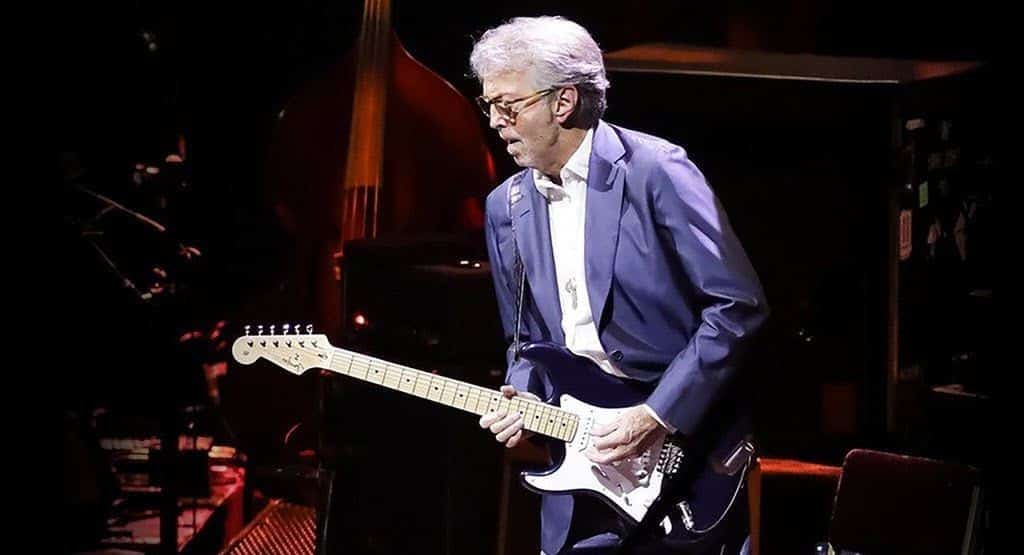
Eric Clapton, often hailed as one of the greatest guitarists of all time, has left an indelible mark on the music world with his soulful melodies and unforgettable riffs. From his early days with The Yardbirds and Cream to his illustrious solo career, Clapton’s versatility and emotional depth have resonated with fans across generations. His ability to blend rock, blues, and pop has not only garnered numerous accolades but also a dedicated following eager to experience his music’s magic.
In this article, we dive into the top 10 most popular Eric Clapton songs of all time, celebrating the tracks that have defined his career and continue to inspire new artists. Whether you’re a lifelong fan or a newcomer eager to explore his discography, prepare to be captivated by timeless classics like “Layla,” “Tears in Heaven,” and “Wonderful Tonight.” Each song tells a story, reflecting Clapton’s personal journey through love, loss, and redemption. Join us as we take a stroll through Clapton’s musical legacy and discover why these songs remain beloved by millions around the world. Get ready to strum along and feel the power of Clapton’s iconic sound!
1. Layla (1970)
“Layla” stands as a monumental rock anthem, showcasing Eric Clapton’s raw passion and unmatched guitar skills. Released in 1970 as part of Derek and the Dominos’ album Layla and Other Assorted Love Songs, the track was inspired by Clapton’s intense and unfulfilled love for Pattie Boyd, who was married to his friend George Harrison. The song’s iconic opening riff, co-written with Duane Allman, is both electrifying and unforgettable, embodying the desperation and intensity of unrequited love. The interplay between Clapton’s and Allman’s guitars creates a hauntingly emotional depth, perfectly capturing the anguish of longing.
The song takes a dramatic turn with its piano coda, composed by Jim Gordon. This section softens the frenetic energy of the beginning, offering a reflective and almost melancholic resolution. This duality, from fiery intensity to contemplative beauty, encapsulates the complexity of love and loss. “Layla” is not just a song; it’s a deeply emotional journey that has resonated with listeners for decades. Its timelessness and influence solidify it as one of the greatest rock tracks of all time, cementing Clapton’s place as a legend in music history.
2. Tears in Heaven (1992)
“Tears in Heaven” is one of Eric Clapton’s most heart-wrenching and deeply personal songs. Released in 1992 as part of the Rush movie soundtrack, it was written in the aftermath of the tragic death of his four-year-old son, Conor. The lyrics are a poignant reflection on grief, love, and the hope of reunion in the afterlife. Clapton’s delicate acoustic guitar arrangement complements the song’s somber tone, creating a tender and intimate atmosphere that draws listeners into his emotional journey.
The vulnerability in Clapton’s voice conveys the depth of his sorrow while maintaining a sense of quiet resilience. The song’s universal themes of loss and healing resonate with anyone who has experienced profound grief. “Tears in Heaven” transcends its tragic origins to become a source of comfort for countless listeners, reminding us of the fragility of life and the enduring power of love.
Critically acclaimed and widely loved, the song earned several awards, including three Grammys, and remains one of Clapton’s most celebrated works. Its emotional depth and sincerity ensure its place in the hearts of fans, serving as both a tribute to Conor and a reminder of the healing power of music.
3. Wonderful Tonight (1976)
“Wonderful Tonight” is a tender ballad that perfectly captures the beauty of love and appreciation. Written for Pattie Boyd while they were getting ready for a party, the song reflects the small, intimate moments that define relationships. Released in 1976 on the album Slowhand, it became one of Clapton’s most iconic and enduring love songs.
The simplicity of the lyrics is part of the song’s charm, describing the narrator’s admiration for their partner’s beauty and grace. Clapton’s smooth, understated vocals pair effortlessly with the soft guitar melody, creating a warm and romantic atmosphere. The heartfelt sincerity of “Wonderful Tonight” resonates with listeners, making it a popular choice for weddings and romantic occasions.
Beyond its personal connection to Clapton’s life, the song has universal appeal. It speaks to the quiet, everyday expressions of love that often go unnoticed but mean the most. With its timeless melody and relatable theme, “Wonderful Tonight” continues to be celebrated as one of Clapton’s most beloved tracks, showcasing his ability to convey deep emotions through music.
4. Cocaine (1977)
“Cocaine” is one of Eric Clapton’s most recognizable tracks, blending rock energy with thought-provoking lyrics. Originally written by J.J. Cale, Clapton brought new life to the song in 1977 when he recorded it for his album Slowhand. With its gritty guitar riffs and catchy rhythm, the song quickly became a staple of Clapton’s live performances.
While the upbeat tempo and infectious hook might suggest a celebration of the titular substance, Clapton has often clarified that the song is a cautionary tale. The lyrics subtly critique the destructive nature of drug use, urging listeners to think twice about its consequences. This duality—pairing a vibrant melody with a sobering message—makes “Cocaine” a unique and enduring piece of Clapton’s catalog.
Clapton’s impeccable guitar work shines throughout the track, with his distinctive tone adding depth and texture to the straightforward arrangement. The song’s simplicity belies its impact, as it continues to resonate with audiences decades after its release. “Cocaine” is a testament to Clapton’s ability to blend technical skill with meaningful storytelling, cementing its status as one of his definitive songs and a powerful example of rock’s ability to address complex themes.
5. I Shot the Sheriff (1974)
“I Shot the Sheriff” marked a groundbreaking moment in Eric Clapton’s career when he introduced reggae to a mainstream rock audience. Originally written by Bob Marley, Clapton’s cover was released in 1974 on his album 461 Ocean Boulevard. His rendition maintained the soulful storytelling of the original while infusing it with his signature style, including bluesy guitar solos and smooth vocals.
The song narrates the perspective of a man accused of murder, combining themes of justice, rebellion, and survival. Clapton’s interpretation gives the track a laid-back groove, with the reggae beat subtly blending into his rock influences. This fusion of genres broadened the appeal of reggae music and brought Marley’s work to a wider audience.
One of the highlights of Clapton’s version is the guitar solo, which perfectly balances restraint and emotion, adding a personal touch to the track. The song became Clapton’s first and only No. 1 hit on the Billboard Hot 100, solidifying its place in music history.
“I Shot the Sheriff” is more than a cover; it’s a cultural milestone that bridges musical worlds. Clapton’s ability to honor Marley’s vision while adding his unique touch has made this track a timeless classic.
6. Change the World (1996)
“Change the World” is a tender, introspective ballad that highlights Eric Clapton’s versatility as both a musician and a storyteller. Released in 1996 as part of the Phenomenon movie soundtrack, this Grammy-winning track became an instant classic. Written by Tommy Sims, Gordon Kennedy, and Wayne Kirkpatrick, Clapton’s soulful rendition brought the song to life, showcasing his ability to convey deep emotions through his vocals and guitar work.
The lyrics center on love’s transformative power, expressing a heartfelt desire to make a profound difference in someone’s life. Clapton’s warm, understated delivery complements the song’s gentle melody, creating an intimate and uplifting listening experience. The acoustic guitar arrangement is simple yet masterful, allowing the poignant lyrics and smooth vocal harmonies to shine.
“Change the World” resonated with audiences worldwide, earning three Grammy Awards, including Record of the Year. Its universal message of hope and connection has made it a favorite at weddings, celebrations, and personal moments of reflection.
The song is a testament to Clapton’s ability to adapt to different styles while maintaining his authenticity. It stands as a reminder of the healing and inspiring power of music, making “Change the World” a standout in Clapton’s extensive discography.
7. Bell Bottom Blues (1970)
“Bell Bottom Blues” is a deeply emotional track from Layla and Other Assorted Love Songs by Derek and the Dominos. Released in 1970, the song showcases Eric Clapton’s raw vulnerability as he pours his heart out through both his lyrics and guitar playing. Written during a time when Clapton was grappling with unrequited love for Pattie Boyd, the song captures feelings of longing, heartbreak, and desperation.
The melody is steeped in blues influences, with a soulful vocal performance that conveys the song’s intense emotional weight. Clapton’s guitar solos are equally expressive, blending blues and rock elements to create a sound that feels both timeless and deeply personal.
The lyrics reflect a plea for love and understanding, making it relatable to anyone who has experienced the pain of unreturned affection. Lines like “Do you want to see me crawl across the floor to you?” resonate with a sense of vulnerability and yearning that is rare in rock music.
“Bell Bottom Blues” is a standout track not only for its emotional depth but also for its intricate arrangement and poignant storytelling. It remains one of Clapton’s most beloved songs, celebrated for its ability to touch the hearts of listeners across generations.
8. Crossroads (1968)
“Crossroads” is one of Eric Clapton’s most iconic performances, a fiery blues-rock anthem that showcases his virtuosic guitar skills and deep connection to the blues. Originally written and recorded by Delta blues legend Robert Johnson in 1936, Clapton’s version, performed with Cream, was released in 1968 on their Wheels of Fire album.
The song is an electrifying reimagining of Johnson’s original, with Clapton’s blistering guitar solos taking center stage. The track features a driving rhythm section provided by Jack Bruce on bass and Ginger Baker on drums, creating a sense of urgency and energy that propels the song forward. Clapton’s impassioned vocals reflect the existential themes of the lyrics, which narrate a man’s plea for redemption and guidance as he stands at a crossroads in life.
What sets this version apart is Clapton’s ability to honor Johnson’s legacy while making the song distinctly his own. His rapid-fire guitar licks and fluid improvisation elevate “Crossroads” into a masterclass of blues-rock performance. The live recording captures the raw energy of Cream’s onstage chemistry, solidifying the track as a defining moment in Clapton’s career.
“Crossroads” is a powerful tribute to the blues tradition and a reminder of Clapton’s profound impact on modern rock music.
9. After Midnight (1970)
“After Midnight,” released in 1970 on Eric Clapton’s self-titled debut solo album, is a lively, infectious tune that perfectly captures the spirit of late-night escapades. Originally written by J.J. Cale, Clapton’s version brought the song mainstream attention, blending Cale’s laid-back groove with Clapton’s signature style.
The track opens with a bouncy rhythm and a crisp guitar riff that immediately sets a celebratory tone. Clapton’s smooth vocals exude a sense of carefree fun, while the upbeat tempo invites listeners to let loose and embrace the excitement of the moment. The instrumentation, featuring groovy basslines and a playful piano accompaniment, enhances the song’s vibrant energy.
Lyrically, “After Midnight” is a celebration of living in the moment and enjoying life’s simple pleasures. The song captures the euphoria of those magical late hours when the world feels full of possibility. Clapton’s guitar work, though understated compared to his other tracks, adds a subtle brilliance that complements the song’s easygoing vibe.
This track became a commercial success and remains a favorite among fans, often included in Clapton’s live performances. “After Midnight” stands as a testament to Clapton’s ability to interpret and elevate the work of others, turning it into a classic of his own.
10. Badge (1969)
“Badge” is a remarkable collaboration between Eric Clapton and George Harrison, released in 1969 as part of Cream’s Goodbye album. This melodic and enigmatic track is a departure from Cream’s heavier sound, offering a more reflective and layered musical experience.
The song’s title originated from a misreading of Harrison’s handwritten notes for the bridge section, which Clapton mistook for “badge.” Despite its cryptic origins, the track is a beautifully constructed piece that combines Clapton’s fluid guitar work with Harrison’s distinctive musical sensibilities.
“Badge” features a memorable guitar riff that carries the song, complemented by a subtle yet effective use of piano and bass. Clapton’s lead vocals are both tender and expressive, while Harrison’s backing harmonies add depth and texture to the arrangement. The lyrics are poetic and open to interpretation, adding an air of mystery that has intrigued fans for decades.
One of the song’s standout moments is the brief but iconic guitar solo, which demonstrates Clapton’s finesse and artistry. The blend of rock and melodic elements makes “Badge” a standout track in both Cream’s and Clapton’s discography. It remains a fan favorite, showcasing the creative synergy between two of rock music’s greatest legends.

Edward Tomlin is a frequent contributor to Singers Room. Since 2005, Singersroom has been the voice of R&B around the world. Connect with us via social media below.









