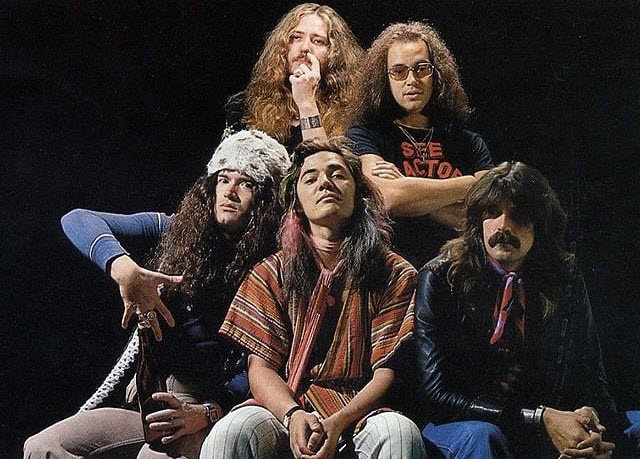
When it comes to rock music, few bands have left an indelible mark quite like Deep Purple. Formed in 1968, this iconic British rock group has been a driving force in the genre, blending hard rock, progressive rock, and even classical influences to create a sound that is unmistakably their own. With a career spanning over five decades, Deep Purple has produced an impressive catalog of songs that resonate with fans around the globe.
From the thunderous riffs of “Smoke on the Water” to the haunting melodies of “Child in Time,” each track showcases the band’s unparalleled musicianship and innovative spirit. Their ability to evolve while remaining true to their roots has solidified their legacy as one of the pioneers of heavy metal and hard rock.
In this article, we’ll take a journey through the top 10 most popular Deep Purple songs of all time. Whether you’re a die-hard fan or a newcomer to their music, prepare to relive the magic of Deep Purple’s most unforgettable tracks that have stood the test of time and continue to inspire generations of rock enthusiasts. Get ready to crank up the volume and celebrate the brilliance of this legendary band!
1. “Smoke on the Water” (1972)
“Smoke on the Water” is one of those songs that transcends generations, firmly embedding itself in the rock ‘n’ roll canon. Released as part of the Machine Head album in 1972, this track was inspired by a real-life fire that destroyed the Montreux Casino in Switzerland, where Deep Purple was recording at the time. The iconic riff, played by Ritchie Blackmore, is instantly recognizable and a defining sound in rock history. It’s a riff that countless guitarists have tried to master, marking the song as both an anthem and a rite of passage for aspiring musicians.
The lyrics, penned by lead vocalist Ian Gillan, tell the story of the fire and the chaos that ensued as Deep Purple watched the casino go up in flames. Despite its dramatic inspiration, the song’s tone remains grounded in rock bravado, with the catchy chorus and infectious riff elevating it beyond mere storytelling. The combination of Blackmore’s heavy guitar lines, Jon Lord’s powerful organ, and Ian Paice’s precise drumming create a soundscape that is as thrilling today as it was in 1972.
“Smoke on the Water” became one of Deep Purple’s biggest hits and an enduring staple of classic rock radio, instantly transporting listeners to the gritty, hard-edged world of 70s rock. It’s a track that resonates not only for its history and iconic riff but also for its blend of hard rock, storytelling, and musicianship. This song has been performed countless times in concerts and remains a symbol of the band’s lasting influence on rock music. Its legacy is cemented, ensuring it will continue to ignite passion in fans and musicians alike for years to come.
2. “Highway Star” (1972)
“Highway Star” is a rollercoaster of a song that takes listeners on an exhilarating ride of speed, freedom, and pure rock energy. Released in 1972 as part of Machine Head, this track is a perfect showcase of Deep Purple’s musical prowess, mixing intricate instrumentals with high-octane enthusiasm. The song kicks off with an electrifying organ riff by Jon Lord, followed by an explosive guitar solo from Ritchie Blackmore, setting the stage for one of rock’s most adrenaline-pumping songs.
Lyrically, “Highway Star” captures the essence of the open road and the exhilaration of life lived at full throttle. Ian Gillan’s soaring vocals mirror the speed and intensity of the lyrics, delivering a performance that feels like it’s racing against time. The song’s structure takes listeners through a journey of frenetic energy, slowing down just enough for a thrilling guitar solo, before revving back up to full speed in the chorus.
Beyond the energy and the rock-solid musicianship, “Highway Star” also stands out for its perfect balance of simplicity and complexity. It’s a track that’s easy to sing along to, thanks to its infectious chorus, but it also rewards listeners who appreciate the intricate interplay of instruments and the technical skill of the band. The song is a testament to the band’s mastery of their craft, with each member playing their part in a way that makes the whole greater than the sum of its parts.
As a live staple, “Highway Star” is often the highlight of Deep Purple’s performances, and its impact on rock music cannot be overstated. Its rapid-fire riffing and relentless energy have made it a timeless anthem, representing the thrill of the road and the untamed spirit of rock.
3. “Child in Time” (1970)
“Child in Time” is a hauntingly powerful ballad that showcases Deep Purple’s ability to meld emotion with musicianship. Released on Deep Purple in Rock in 1970, this track stands as one of the band’s most emotionally charged songs, transcending its era to become a classic in the rock genre. The song opens with a delicate, slow-building guitar and organ intro that gradually intensifies, creating a sense of tension that mirrors the song’s lyrical themes of war, loss, and hope.
Ian Gillan’s soaring, anguished vocals are at the heart of the song, expressing a deep sorrow and longing. His voice is a perfect fit for the song’s emotional weight, shifting effortlessly from a whisper to a full-throated scream as the music crescendos into a fiery climax. The lyrics, though vague and poetic, convey a sense of loss and the confusion surrounding war, making the song timeless in its relevance.
Musically, “Child in Time” is an epic piece, with intricate guitar work from Ritchie Blackmore and a masterful performance by Jon Lord on the organ. The track’s shifting dynamics—from the quiet introspection of the verses to the explosive power of the instrumental break—captivate the listener from start to finish. It’s a song that takes its time to unfold, much like the emotional journey it chronicles, and its slow burn only adds to its potency.
“Child in Time” has been hailed as one of Deep Purple’s finest achievements, both in terms of musicality and emotional depth. It remains a fan favorite and a high point in the band’s discography, proving that hard rock can be just as powerful in its quiet moments as in its most raucous. The song’s message of vulnerability and the need for peace resonates just as strongly today as it did in the early 70s, cementing its place in rock history.
4. “Hush” (1968)
“Hush,” originally penned by Joe South and later covered by Deep Purple, is one of the band’s earliest hits and a perfect introduction to their blues-rock roots. Released on their self-titled debut album in 1968, the track captures the youthful energy and raw talent that Deep Purple would later refine into their signature sound. The song has a playful yet slightly rebellious edge, with its energetic rhythm and catchy hook setting the stage for what was to come in the band’s future catalog.
From the very first note, “Hush” demands attention. Ian Gillan’s confident vocals set the tone, delivering the catchy and cheeky lyrics with a sense of urgency and excitement. The chorus is infectious, and the verses feature a rhythmic groove that’s hard to resist, blending rock and blues in a way that sounds effortless yet refined. Ritchie Blackmore’s guitar work, though still in its formative stages here, is distinctive, with subtle licks and riffs that give the song a driving force.
One of the most striking elements of “Hush” is its ability to stay fresh even decades after its release. The song has a timeless quality, partly due to its simplicity and the chemistry between the band members. It’s a song that invites listeners to sing along, and the infectious chorus ensures it sticks with you long after it’s over. The interplay between Blackmore’s guitar and Jon Lord’s organ creates a rich, textured sound, while Ian Paice’s drumming propels the song forward with steady precision.
“Hush” may not have the heavy riffs or complex arrangements of some of Deep Purple’s later work, but it remains an essential part of their legacy. It is one of those classic tracks that shows how even in their early years, Deep Purple had the ability to craft songs that captured the energy and spirit of the times.
5. “Woman from Tokyo” (1973)
“Woman from Tokyo” is one of Deep Purple’s most vibrant and infectious songs, encapsulating the band’s adventurous spirit and global influences. Released in 1973 as part of Who Do We Think We Are, the song is a celebration of the Japanese city and its allure, infused with a sense of exoticism and intrigue. The upbeat tempo, catchy chorus, and intricate instrumentation reflect the band’s growing confidence as they explored new musical territories.
The song opens with a signature guitar riff from Ritchie Blackmore, accompanied by Jon Lord’s shimmering keyboards, setting the stage for a track that is both sophisticated and dynamic. Ian Gillan’s vocals soar over the upbeat rhythm, delivering the lyrics with a sense of mystery and allure, perfectly capturing the song’s theme of fascination with a distant land. The chorus, with its repeated lines “Woman from Tokyo,” is irresistible, and its infectious melody sticks with you long after the song ends.
Musically, “Woman from Tokyo” demonstrates Deep Purple’s ability to blend rock with other influences, creating a sound that was distinctly their own. The interplay between the guitar, keyboards, and bass creates a rich sonic landscape that feels both expansive and tightly woven. The instrumental breaks, with Blackmore’s guitar solos and Lord’s organ flourishes, showcase the band’s technical prowess, while the driving rhythm section keeps the energy high throughout.
This song is a testament to Deep Purple’s ability to take inspiration from across the globe and filter it through their unique sound. “Woman from Tokyo” became an international hit, solidifying the band’s place in rock history and continuing to be a favorite in their live performances. It’s a track that captures the spirit of the ’70s while remaining timeless in its appeal.
6. “Space Truckin’” (1972)
“Space Truckin’” is an exhilarating and adventurous journey through the cosmos, a perfect example of Deep Purple’s blend of hard rock energy and musical exploration. Released as part of Machine Head in 1972, the track features a relentless groove, pulsating rhythms, and a high-octane energy that made it an instant favorite among fans. The song’s driving beat and space-themed lyrics make it one of the band’s most exciting tracks, evoking images of interstellar travel and the thrill of discovery.
The song kicks off with a propulsive drumbeat from Ian Paice, quickly joined by Ritchie Blackmore’s electric guitar and Jon Lord’s booming organ. The band’s tight rhythm section creates a foundation that feels like the engine of a spaceship, ready to launch into the unknown. Ian Gillan’s vocal delivery is urgent and charged with excitement, fitting the song’s theme of space exploration and escapism. The lyrics, though playful, speak to the human desire for freedom and adventure, tapping into the sense of wonder and possibility that comes with venturing into the vast unknown.
Musically, “Space Truckin’” is a rollercoaster, with multiple sections that shift from high-energy rock riffs to laid-back, almost psychedelic moments. Blackmore’s guitar solos are a highlight, weaving in and out of the song’s structure, creating a sense of unpredictability that mirrors the journey of the song itself. The instrumental breakdowns, with Lord’s organ taking center stage, add a sense of grandeur and space to the track.
“Space Truckin’” became a staple in Deep Purple’s live performances, often extended into thrilling jams that pushed the boundaries of rock music. It’s a song that perfectly captures the band’s adventurous spirit and their ability to fuse hard rock with experimental elements, creating a song that remains a fan favorite and a classic of the genre.
7. “Lazy” (1972)
“Lazy,” a standout track from Deep Purple’s Machine Head album, is a bluesy jam that perfectly showcases the band’s musical range and ability to create a slow, simmering groove. While known for their hard rock anthems, this song allows the members to fully flex their chops in a laid-back, soulful setting. The track opens with a slow, rolling rhythm that invites listeners into a relaxed, almost hypnotic state, setting the tone for what becomes an intricate, multi-layered musical experience.
Ritchie Blackmore’s guitar work here is masterful, employing a delicate, almost mournful tone that complements Jon Lord’s soulful organ playing. The two musicians interact with each other, exchanging melodic lines and riffs that elevate the song beyond its simple structure. Ian Gillan’s vocals, though subdued at first, build with passion, adding an emotional layer to the track’s bluesy undertones. There is a sense of quiet intensity throughout the song, with each instrument contributing to a slow, steady crescendo that keeps the listener engaged.
The key to “Lazy” is its groove. It’s not a song that rushes, but rather takes its time to unfold, allowing each member to shine. The extended instrumental sections highlight the band’s virtuosity, with Blackmore and Lord leading the charge on guitar and organ, while Ian Paice’s drumming keeps everything grounded with precision. The song feels like a slow burn, its energy gradually building to a point where it bursts into a thrilling, blues-infused climax.
“Lazy” is a prime example of Deep Purple’s versatility, showcasing their ability to craft a track that is both relaxed and intense. It’s a song that allows the band to stretch out musically, with each member contributing to a rich, textured sound that’s both sophisticated and deeply rooted in blues traditions.
8. “Perfect Strangers” (1984)
After a decade-long hiatus, Deep Purple made a triumphant return in 1984 with “Perfect Strangers,” the title track of their reunion album. This song marked a significant chapter in the band’s history, as it signaled the return of their classic lineup and a renewed energy that would propel them into the ‘80s. With its powerful riff and unforgettable chorus, “Perfect Strangers” immediately caught the attention of both long-time fans and new listeners, proving that Deep Purple still had plenty to offer in the world of rock music.
The song opens with a brooding, almost eerie riff from Ritchie Blackmore, setting a dramatic tone that carries throughout the track. Jon Lord’s keyboards add an atmospheric depth, with the organ swirling around the guitar, creating a soundscape that feels both expansive and heavy. Ian Gillan’s vocals are commanding and emotional, telling the story of two people who have been separated by time and circumstance, only to find each other once again. The lyrics touch on themes of fate, loss, and reunion, giving the song a sense of mystery and poignancy.
Musically, “Perfect Strangers” showcases Deep Purple at their best. The combination of Blackmore’s cutting guitar lines, Lord’s rich organ tones, and the tight rhythm section provides a sturdy foundation for the song’s dramatic build. The chorus, with its singable lines and powerful harmonies, remains one of the band’s most memorable moments. The song gradually builds to a powerful crescendo, with each section intensifying before the final, triumphant conclusion.
“Perfect Strangers” became a defining anthem of Deep Purple’s ‘80s resurgence, and it remains a highlight of their live shows to this day. It perfectly captures the essence of the band’s sound—heavy, atmospheric, and unforgettable. The song was a clear statement that Deep Purple still had a lot of music left to give, cementing their place as one of the most enduring and influential bands in rock history.
9. “Black Night” (1970)
“Black Night” is one of Deep Purple’s most iconic tracks, a song that encapsulates the band’s hard rock prowess and their ability to create music that’s both raw and refined. Originally released as a non-album single in 1970, “Black Night” quickly became a fan favorite, and its legacy continues to endure as one of the band’s most beloved songs. The track is a perfect example of Deep Purple’s ability to blend heavy riffs with catchy melodies, resulting in a song that is as infectious as it is powerful.
The song opens with a commanding guitar riff from Ritchie Blackmore, instantly setting the tone for what is a high-energy track from start to finish. The rhythm section, with Ian Paice’s pounding drums and Roger Glover’s bassline, drives the song forward, while Jon Lord’s keyboards provide a layer of richness and texture. Ian Gillan’s vocals are urgent and emotive, telling the story of heartbreak and longing in a way that resonates with listeners. The song’s lyrics, though simple, are deeply evocative, creating a sense of yearning that complements the music perfectly.
“Black Night” is a song that knows how to balance intensity with catchiness. The chorus is infectious, and the guitar riff is one of Blackmore’s most recognizable, with its simplicity and power making it a favorite among rock fans. The instrumental breaks, with Lord’s organ work and Blackmore’s guitar solos, showcase the band’s musical prowess, and the song’s driving rhythm keeps the energy high throughout.
“Black Night” is a testament to Deep Purple’s ability to craft songs that are both heavy and accessible. It’s a track that has stood the test of time, remaining a staple in their live performances and continuing to resonate with rock fans of all generations.
10. “Fireball” (1971)
“Fireball” is a fiery, high-energy track that perfectly captures the essence of Deep Purple’s hard rock sound. Released as the title track of their 1971 album Fireball, this song is an explosive burst of energy, combining the band’s signature heavy riffs with a sense of adventure and excitement. From the opening bars, “Fireball” grabs the listener’s attention with its fast-paced tempo and fiery instrumental work, setting the stage for a wild ride through Deep Purple’s world of rock and roll.
The song opens with a relentless rhythm section, with Ian Paice’s fast drumming and Roger Glover’s bass laying the foundation for what is to come. Ritchie Blackmore’s guitar comes in with a fiery, sharp riff, setting the tone for the rest of the track. Jon Lord’s keyboards add a layer of texture, with the organ adding a sense of drama to the song’s already intense vibe. Ian Gillan’s vocals are urgent and full of energy, delivering the lyrics with passion and enthusiasm.
Musically, “Fireball” is a whirlwind of sound, with each instrument adding to the song’s overall sense of urgency and excitement. The chorus is powerful and catchy, with Gillan’s vocals soaring over the instrumental backdrop. The instrumental sections of the song, particularly the guitar and keyboard solos, are some of the most exciting moments in Deep Purple’s catalog, showcasing the band’s technical prowess and their ability to create a dynamic, high-energy performance.
“Fireball” is a track that has become a fan favorite, with its infectious groove and electrifying atmosphere. It’s a song that captures the spirit of rock ‘n’ roll—fast, intense, and full of life—and it remains a staple in Deep Purple’s live shows, continuing to thrill audiences worldwide. With its unforgettable chorus and scorching instrumentals, “Fireball” is a perfect example of Deep Purple’s ability to create music that leaves a lasting impact.

Edward Tomlin is a frequent contributor to Singers Room. Since 2005, Singersroom has been the voice of R&B around the world. Connect with us via social media below.









