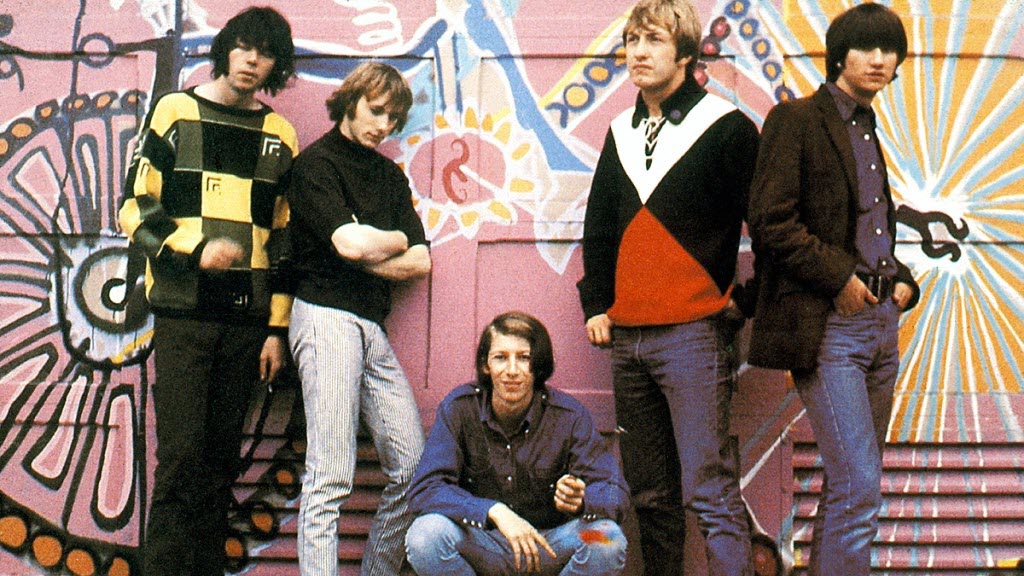
Buffalo Springfield, the iconic band that emerged from the vibrant 1960s music scene, left an indelible mark on rock history with their powerful blend of folk rock and poignant lyrics. Formed in 1966, this short-lived group became a voice for a generation, capturing the spirit of social change and rebellion through their evocative sound. Led by the legendary talents of Stephen Stills, Neil Young, and Richie Furay, Buffalo Springfield produced a remarkable array of songs that continue to resonate with fans old and new.
In this article, we take a nostalgic journey through the top 10 most popular Buffalo Springfield songs of all time, exploring the tracks that defined an era and showcased the band’s remarkable ability to address complex themes of love, war, and identity. From the haunting melodies of “For What It’s Worth” to the infectious energy of “Mr. Soul,” each song tells a story that transcends time. Join us as we celebrate the enduring legacy of Buffalo Springfield, revisiting their most beloved hits and discovering why their music remains as impactful and relevant today as it was over five decades ago. Get ready to reminisce and rediscover the magic of this legendary band!
1. “For What It’s Worth” (1966)
Released in 1966, “For What It’s Worth” became an instant anthem of protest, encapsulating the turbulent social climate of the 1960s. Written by Stephen Stills, the song’s haunting melody paired with poignant lyrics struck a deep chord during the height of the Vietnam War and the Civil Rights Movement. The line, “Stop, children, what’s that sound?” is not just a catchy refrain, but an urgent call for reflection and action in the face of social unrest. It evokes a sense of urgency, urging listeners to pause and recognize the upheaval happening around them.
Stills’ soft, yet intense vocals lend the song a vulnerable yet resolute feeling. The accompanying instrumentation—gentle but captivating—sets a somber mood, building a reflective space for the listener. The instrumentation uses subtle guitar work and a steady rhythm section to carry the weight of the message. The entire track evokes a somber realization of the state of the world, but also a sense of solidarity among those who seek to change it.
Although initially written as a reaction to the protests around the Sunset Strip curfew in Los Angeles, the song has since transcended its origins, remaining relevant as a call for justice and peace. Its reflective tone speaks to anyone facing societal injustice, and its influence can still be heard in modern protest songs. “For What It’s Worth” remains an enduring anthem of social consciousness, a timeless reminder of the power of music to challenge the status quo and provoke thought.
2. “Buffalo Springfield Again” (1967)
Released in 1967, “Buffalo Springfield Again” showcases the evolving complexity of the band’s sound, blending introspective themes with intricate musical arrangements. This track, driven by Neil Young’s evocative songwriting, speaks to the band’s reflection on their fame and the shifting landscape of the 1960s. The song’s melancholy undertones are coupled with a nostalgic yearning, as it expresses the complex emotions of returning to one’s roots, while acknowledging the inescapable weight of change.
Young’s lyrics are particularly poignant, capturing the sense of confusion and uncertainty that often accompanies a life in the public eye. The line “Buffalo Springfield again” suggests a return to something familiar, yet the realization that things can never quite be the same brings an undercurrent of sadness to the piece. The interplay of harmonized vocals and layered instrumentation reflects the internal conflict, enhancing the themes of longing and reflection.
Musically, “Buffalo Springfield Again” features a mix of folk-rock instrumentation and a more experimental approach to arrangement, creating a complex sonic landscape that reflects the band’s musical maturity. The track stands out for its combination of deeply personal introspection and a broader sense of cultural unease. The mood is both nostalgic and hopeful, as if to suggest that despite the challenges, the spirit of Buffalo Springfield—the band and its ideals—will endure.
The song remains a crucial moment in the band’s legacy, showcasing their ability to mix personal reflection with the broader cultural shifts of the time. Its continued resonance is a testament to the emotional depth and timelessness of the band’s music.
3. “Mr. Soul” (1967)
“Mr. Soul,” released in 1967, is a standout track from Buffalo Springfield that captures the band’s electric energy and the growing influence of Neil Young as a songwriter. The song is a blend of rock and folk, with its swirling guitar riffs and driving rhythm section creating a sound that is as dynamic and daring as its lyrics. “Mr. Soul” addresses the search for authenticity in an increasingly superficial world, a theme that was particularly resonant during the late 1960s as the counterculture movement gained momentum.
The song’s tone is defiant, with Young’s raw, emotive vocals conveying both frustration and determination. His performance is layered with complexity—there’s a sense of disillusionment with the world, but also an underlying desire for truth and clarity. The instrumental arrangement further amplifies the song’s urgency, with the electric guitar cutting through the track’s dense soundscape, giving it an almost confrontational feel. The song’s piercing riff serves as a sonic reflection of Young’s questioning of societal norms and his search for something real amidst the distractions of fame and superficiality.
“Mr. Soul” is also notable for its defiant spirit, with its lyrics challenging the listener to confront the societal pressures and distractions that cloud genuine expression. It’s a song that is both reflective and energizing, driving home the idea that finding one’s true voice requires courage and self-awareness. The track’s energy continues to resonate with listeners today, making it a key part of Buffalo Springfield’s legacy and an enduring example of the band’s ability to blend introspection with electrifying rock music.
4. “A Child’s Claim to Fame” (1967)
“A Child’s Claim to Fame,” released in 1967, is a deeply introspective track that explores themes of youth, identity, and the struggle for self-acceptance. The song, with its gentle acoustic guitar and lush harmonies, showcases Richie Furay’s smooth and emotive vocals, drawing the listener into a reflective space. It captures the universal experience of grappling with the complexities of identity, especially during the turbulent period of adolescence or early adulthood.
The lyrics convey a sense of vulnerability, as the narrator wrestles with the concept of fame and its often hollow nature. It’s a song about yearning for meaning and understanding amidst a world that is full of noise and distraction. Furay’s performance imbues the song with a sense of longing, and the instrumental arrangement adds to this feeling of introspection, with subtle string arrangements and harmonies that support the emotional depth of the track.
“A Child’s Claim to Fame” resonates with anyone who has ever faced the uncertainty that comes with growing up or finding their place in the world. The song’s tender mood is balanced by its insightful lyrics, creating a piece that is both emotionally raw and beautifully melodic. It’s a track that remains relevant to this day, as it speaks to the ongoing struggles of self-discovery and the desire to carve out one’s own identity, especially in the face of external pressures.
This song highlights the vulnerability and beauty of youth, while also recognizing the difficulties of navigating the world as an individual. Its timeless message continues to connect with listeners, making it one of the band’s most memorable and emotionally resonant tracks.
5. “Rock & Roll Woman” (1967)
Released in 1967, “Rock & Roll Woman” is a raucous celebration of the women who shaped rock and roll and the liberated spirit of the era. Written and performed by Stephen Stills, the song exudes a fiery energy that mirrors the boldness of its subject matter. With its driving rhythm, catchy hooks, and electrifying guitar solos, the track captures the essence of the 1960s rock scene, where defiance and liberation were central to the cultural movement.
The song’s lyrics praise the strength and independence of a “rock and roll woman,” someone who embodies the freedom and power that were integral to the musical revolution of the time. Stills’ dynamic guitar work is perfectly complemented by his impassioned vocals, and the track’s upbeat tempo fuels its sense of empowerment. The song’s infectious energy makes it impossible not to move along to, with its call for celebrating individuality and breaking free from societal norms.
“Rock & Roll Woman” is a statement piece, not just for the genre but for the era. It reflects the growing sense of independence among women, particularly within the realm of rock music, where women were increasingly asserting their creative and artistic voices. Stills’ performance adds a layer of personal dedication to the track, as it feels like both a tribute to the women who inspired him and a rallying cry for a generation seeking change.
The song stands as a testament to the lasting power of rock music in shaping societal attitudes and encouraging self-expression. It remains a timeless anthem for empowerment and freedom, exemplifying Buffalo Springfield’s ability to blend musical innovation with social commentary.
6. “Expecting to Fly” (1967)
“Expecting to Fly,” released in 1967, is one of the most poignant and emotionally charged songs in Buffalo Springfield’s catalog. Written by Neil Young, this ballad represents a delicate balance between vulnerability and hope. With its lush orchestral arrangement, featuring soaring strings and soft melodies, the track immediately creates a dreamy, reflective atmosphere. It’s a song about longing and the complex emotions of anticipation—whether that’s for love, change, or a new phase in life.
Young’s voice is tender and fragile, imbuing the lyrics with a sense of uncertainty and heartache. He sings as if he is grappling with the emotional weight of expecting something grand, but not knowing if it will ever come to fruition. The sense of longing is palpable throughout the song, especially as it builds into a sweeping crescendo, where the orchestration intensifies, mirroring the emotional rise of the narrative.
Musically, “Expecting to Fly” is one of Buffalo Springfield’s most sophisticated compositions. The combination of rock elements with orchestral strings sets it apart from many of their other tracks, giving it a cinematic feel that deepens its emotional impact. The lush instrumental arrangement is rich and layered, creating an intricate backdrop for Young’s vocals, which are at once delicate and intense. The orchestral elements enhance the wistfulness of the track, giving it a timeless quality that still resonates with listeners today.
The song explores the vulnerability of human desires and the uncertain nature of expectations. Whether waiting for love or for something more abstract, the feeling of “expecting to fly” is universal. It’s about the heartache of anticipation and the emotional weight of hoping for something better while not knowing if it will ever arrive. The beauty of this song lies in its bittersweet reflection on the human condition and its poignant exploration of unfulfilled dreams.
7. “Nowadays Clancy Can’t Even Sing” (1966)
“Nowadays Clancy Can’t Even Sing,” first released in 1966, is a haunting reflection on societal disillusionment and the pressures of living up to external expectations. With its swirling instrumentation and wistful vocals, the song sets a somber tone from the very first note, pulling the listener into a contemplative space. The lyrics, delivered by Richie Furay, paint a picture of a person who is overwhelmed by the complexities of the world around them, unable to find their own voice amidst the noise.
The song’s title itself—”Clancy can’t even sing”—is a metaphor for the struggles of modern life, where personal expression becomes drowned out by societal expectations and external pressures. The mood of the song is introspective, marked by a sense of lost hope and frustration, but there’s also a recognition of the desire for change. The intricate arrangements of the track, with its layered harmonies and rich instrumentation, reflect this complexity, creating a musical landscape that mirrors the disillusionment felt by the protagonist.
The haunting mood of “Nowadays Clancy Can’t Even Sing” perfectly encapsulates the internal conflict many young people felt during the 1960s, caught between the idealism of their beliefs and the harsh realities of the world. The song is a commentary on the difficulties of self-expression and the struggle to maintain authenticity in a world full of distractions and noise. Despite the melancholic tone, there is an underlying sense of hope for personal freedom and the ability to break free from societal constraints.
In many ways, this track serves as a meditation on the limits of individual agency and the desire to find one’s own voice amidst the pressures of the outside world. Its reflective nature and complex instrumentation have made it one of the standout tracks in Buffalo Springfield’s discography, one that continues to resonate with anyone who has ever felt the weight of societal expectations on their shoulders.
8. “Bluebird” (1969)
“Bluebird,” released in 1969, is an exhilarating burst of positivity and hope, a celebration of freedom and adventure that stands out in Buffalo Springfield’s catalog. With its upbeat tempo, infectious guitar riffs, and vibrant energy, the song is a sharp contrast to much of the band’s more introspective work. The music itself, filled with bright melodies and lively percussion, invites listeners to embrace the carefree feeling of liberation, while the lyrics reinforce the theme of flying free and seeking new horizons.
The track is driven by Stephen Stills’ energetic guitar work, which sets the tone for the entire song. The rhythm is lively and insistent, pushing the song forward with a sense of optimism and possibility. The imagery in the lyrics—particularly the recurring reference to the bluebird—symbolizes freedom and the pursuit of something more than the confines of everyday life. It speaks to the idea of taking flight, of breaking free from the chains of expectation and embracing a life of possibilities.
“Bluebird” also features some of the most dynamic vocal harmonies in Buffalo Springfield’s catalog. The chorus is uplifting, filled with the sense that anything is possible, and the soaring harmonies further enhance the feeling of liberation. There’s an urgency in the song, as if the bluebird is not just a symbol of freedom but a call to action, urging listeners to step outside their comfort zones and explore new paths.
The song’s positive energy and optimism make it an anthem for those seeking to escape the constraints of the world around them. Whether taken literally as a call to fly free, or as a metaphor for pursuing one’s dreams and desires, “Bluebird” remains a timeless track that continues to inspire. It exemplifies Buffalo Springfield’s ability to blend catchy, accessible music with deeper themes of self-discovery and liberation.
9. “I Am a Child” (1969)
Released in 1969, “I Am a Child” is a deeply emotional and vulnerable track that reflects Neil Young’s introspective songwriting at its best. The song is a tender exploration of innocence and the passage of time, with Young’s voice conveying a raw and intimate emotion that resonates deeply with listeners. The lyrics reflect a longing for the simplicity and purity of childhood, a time before the complexities and burdens of adulthood took hold.
Musically, “I Am a Child” is marked by its gentle acoustic guitar arrangement, which perfectly complements the vulnerability in Young’s delivery. The arrangement is sparse but effective, allowing the lyrics and vocals to take center stage. Young’s voice is fragile, yet there is an underlying strength in the way he confronts the complexities of growing up and the loss of innocence. His delivery is both tender and nostalgic, invoking the universal experience of looking back at childhood with a mixture of longing and melancholy.
The song is a poignant reflection on the emotional weight of adulthood and the desire to reconnect with a simpler time. The line “I am a child, I last a while” speaks to the fleeting nature of innocence and the passage of time, while also highlighting the importance of holding on to that childlike sense of wonder. The song’s gentle tone and evocative lyrics make it a deeply personal piece, and it has become a timeless anthem for anyone who has ever experienced the complexity of growing up.
“I Am a Child” speaks to the vulnerability we all face as we navigate life, making it a relatable and enduring piece that continues to resonate with generations of listeners.
10. “On the Way Home” (1969)
“On the Way Home,” released in 1969, is a bittersweet anthem that encapsulates the journey of self-discovery and the emotional complexities of returning to one’s roots. The track, with its lush vocal harmonies and reflective lyrics, expresses themes of nostalgia, personal growth, and the process of coming to terms with one’s past. There’s an undeniable sense of movement in the song, both literally in terms of its driving rhythm, and figuratively as the protagonist reflects on their personal journey.
Stephen Stills’ passionate vocals are the centerpiece of the song, carrying the emotional weight of the lyrics as he sings about the journey “on the way home.” The track is filled with longing and introspection, yet there is also a sense of resolution in the narrative. The music’s uplifting and melodic chorus creates an air of optimism, suggesting that, while the journey may be difficult, it’s ultimately about growth and discovery.
The song’s message about the importance of returning to one’s roots, both physically and emotionally, resonates with listeners who have ever reflected on their own paths and the process of change. It’s a song about the realization that even when we’re far from home, we carry pieces of it with us—pieces that shape us and guide us back.
“On the Way Home” captures the feeling of embracing life’s transitions with grace and acceptance. It’s a perfect closing anthem for Buffalo Springfield’s musical journey, reflecting the beauty of returning to one’s origins while embracing the changes that life inevitably brings. The song remains a hopeful, uplifting piece that speaks to the importance of personal evolution and self-reflection, making it a timeless classic.

Edward Tomlin is a frequent contributor to Singers Room. Since 2005, Singersroom has been the voice of R&B around the world. Connect with us via social media below.









