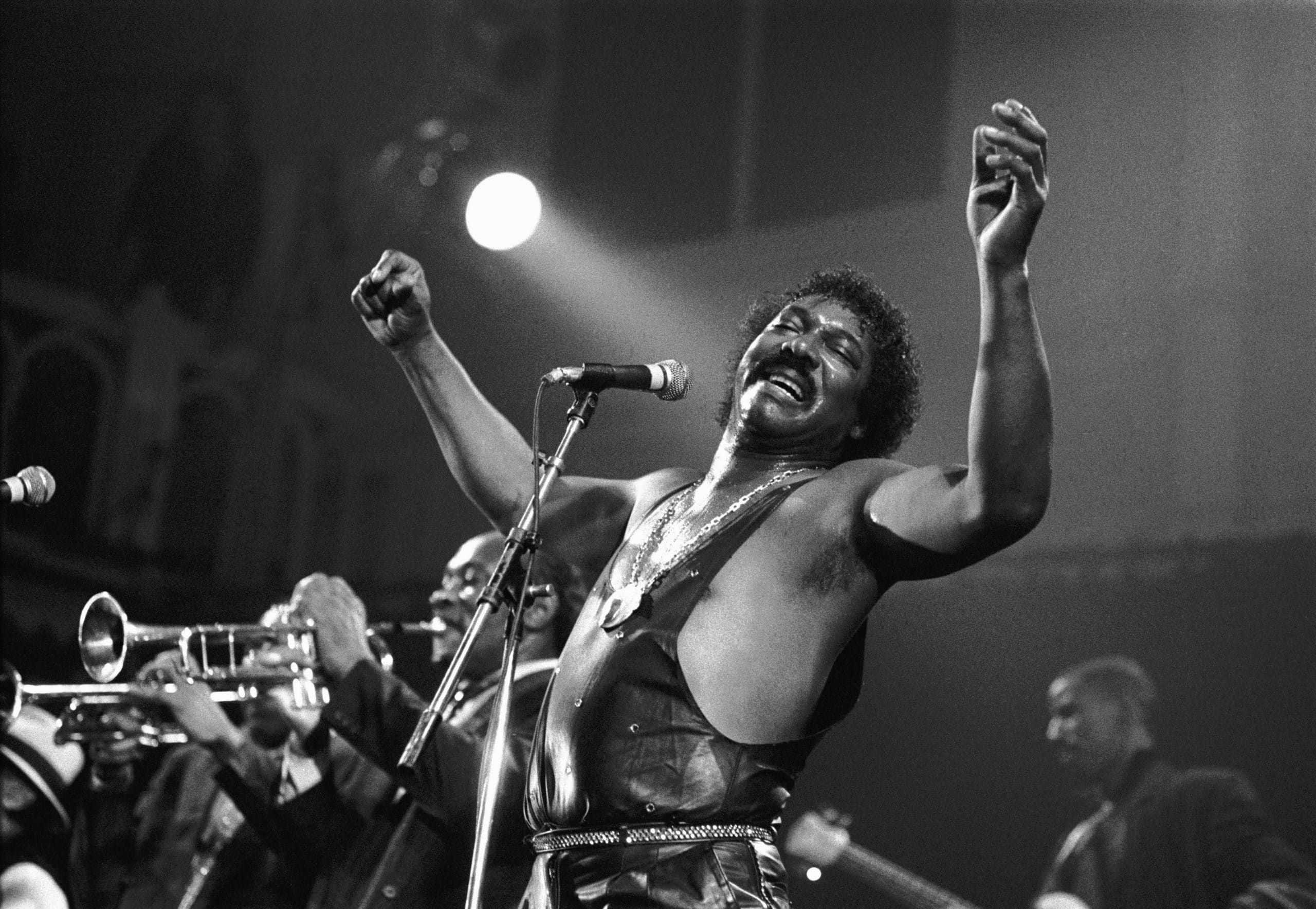
Wilson Pickett was more than just a soul singer—he was a force of nature. With a voice that could go from raw grit to smooth silk in an instant, Pickett helped define the sound of soul and R&B in the 1960s and 1970s. Known as “The Wicked Pickett,” he brought an unmatched energy, charisma, and passion to every song he recorded, leaving an indelible mark on music history. Whether belting out electrifying dance anthems or pouring his heart into soulful ballads, Pickett had the rare ability to connect deeply with listeners across generations.
From the iconic opening riff of “In the Midnight Hour” to the infectious groove of “Mustang Sally,” Pickett’s catalog is packed with timeless hits that still make you want to move. His collaborations with legendary studios like Stax and Muscle Shoals brought the perfect blend of punchy horns, driving rhythms, and gospel-infused vocals that defined his unmistakable sound. But Pickett wasn’t just making music—he was creating moments, crafting songs that captured life’s emotions with raw intensity and unshakable soul.
In this article, we’ll dive into the top 10 most popular Wilson Pickett songs of all time, celebrating the tracks that made him a true icon of soul music. Let’s groove!
1. “In the Midnight Hour” (1965)
Wilson Pickett’s iconic hit “In the Midnight Hour,” released in 1965, stands as a landmark in soul music, cementing Pickett’s place as one of the genre’s greatest voices. Co-written with Steve Cropper at the legendary Stax Studios, this track is built around a signature groove, highlighted by the “delayed backbeat” that’s become synonymous with the Memphis soul sound. From the first punchy horn stabs to Pickett’s raw, impassioned vocals, the song conveys a sense of yearning and longing that comes alive in the stillness of night. It swiftly became a massive success, soaring to No. 1 on the R&B charts and No. 21 on the Billboard Hot 100. Its timeless appeal endures, making it a must-have on any soul or R&B playlist, and a testament to Pickett’s lasting influence in the music world.
2. “Mustang Sally” (1966)
Released in 1966, Wilson Pickett’s cover of “Mustang Sally” took the original song by Mack Rice and turned it into an all-time soul classic. The infectious call-and-response chorus and irresistible rhythm make it impossible not to move when it comes on. The song’s cheeky narrative centers on a woman who cares more about her Mustang car than her partner, and Pickett’s fierce yet playful vocals add a layer of urgency that elevated the track into a dance anthem. With its captivating energy, it became one of his most memorable hits, peaking at No. 6 on the R&B charts. The song continues to be beloved for its ability to get audiences up and dancing, its charm never fading through the years.
3. “Land of 1000 Dances” (1966)
“Land of 1000 Dances,” released in 1966, is one of Wilson Pickett’s most electrifying tracks. The song is a celebration of rhythm, movement, and pure energy, and Pickett’s dynamic vocal delivery leads the charge. Originally written by Chris Kenner, Pickett’s version is undeniably infectious, largely thanks to the iconic “na-na-na-na-na” chant that Pickett added to the mix. Backed by a tight, vibrant horn section and a relentless groove, it was a massive success, topping the R&B charts and reaching No. 6 on the Hot 100. With its unforgettable beat and spirit, the track remains a quintessential party anthem and continues to be immortalized in countless films and performances. It’s a dance floor staple, proving that Pickett’s musical reach has stood the test of time.
4. “Funky Broadway” (1967)
Released in 1967, “Funky Broadway” marked a turning point in Wilson Pickett’s career and helped usher in the funk era. Written by Dyke & the Blazers, Pickett’s rendition became the definitive version, thanks to his fiery vocal delivery and the dynamic groove laid down by the Muscle Shoals Rhythm Section. The track celebrates urban nightlife and the “funky” culture of Broadway streets, with Pickett’s swagger and energy driving it forward. It became the first chart-topping hit to use the word “funky,” reaching No. 1 on the R&B charts. This track solidified Pickett’s role as a trailblazer in soul and funk music, combining soul’s passionate intensity with the infectious rhythms of funk.
5. “Don’t Let the Green Grass Fool You” (1970)
Wilson Pickett’s 1970 hit, “Don’t Let the Green Grass Fool You,” is a soulful cautionary tale that urges listeners to appreciate what they have. The song’s message—warning not to be swayed by fleeting temptations or superficial beauty—resonates deeply, especially with Pickett’s emotional delivery. Backed by tight rhythm and shimmering guitar lines, the track struck a chord with audiences, climbing to No. 2 on the R&B chart. Its smooth groove and relatable message made it a fan favorite, showing just how connected Pickett was with his audience. “Don’t Let the Green Grass Fool You” is a perfect example of how Pickett could convey deep emotion through his music while keeping the energy high.
6. “634-5789 (Soulsville, U.S.A.)” (1966)
“634-5789 (Soulsville, U.S.A.),” released in 1966, is a playful, upbeat anthem that captures the spirit of soul music. Written by Eddie Floyd and Steve Cropper, Pickett’s version is packed with energy and flirtation, with his fiery vocals making it irresistible. The song’s famous phone number became iconic, and the infectious rhythm and catchy melody made it a hit. With its stomping beat and vibrant instrumentation, the track became a No. 1 R&B hit and cracked the Top 20 on the Billboard Hot 100. The song remains a beloved classic, encapsulating the lively, passionate energy of Pickett’s music and showcasing his fun, carefree side.
7. “Hey Jude” (1968)
Wilson Pickett’s 1968 cover of The Beatles’ “Hey Jude” is a remarkable reimagining of the original. Where the Beatles’ version was soft and meditative, Pickett’s version is a fiery, gospel-infused powerhouse, filled with raw emotion and intensity. Recorded at Muscle Shoals, with guitarist Duane Allman delivering a scorching solo, Pickett transforms the track into a soul anthem. His vocal delivery and the spirited instrumentation breathe new life into this Beatles classic, taking it to No. 13 on the R&B charts and No. 23 on the Hot 100. This cover is considered one of the most celebrated renditions of a Beatles song, demonstrating Pickett’s ability to take a familiar tune and make it entirely his own.
8. “Ninety-Nine and a Half (Won’t Do)” (1966)
Released in 1966, “Ninety-Nine and a Half (Won’t Do)” is a declaration of uncompromising love. Co-written by Wilson Pickett, Steve Cropper, and Eddie Floyd, the song’s driving rhythm and gospel-inspired backing vocals underscore its passionate message: love must be all or nothing. Pickett’s fiery delivery brings the song’s emotional intensity to the forefront, making it a standout in his catalog. The track became a huge hit, reaching the upper reaches of the R&B charts, and remains a classic example of Pickett’s ability to blend gospel fervor with soul’s raw energy. It’s a timeless anthem for lovers who know that anything less than total commitment isn’t enough.
9. “Everybody Needs Somebody to Love” (1967)
Wilson Pickett’s 1967 version of “Everybody Needs Somebody to Love” is a soul celebration of love and unity. Originally written by Solomon Burke, Pickett’s rendition brings a new intensity and fire to the track, transforming it into a soul anthem that would live on in history. With its lively beat, infectious horns, and Pickett’s commanding vocal performance, the song became a favorite in his live shows, though it didn’t reach the commercial heights of some of his other hits. Nevertheless, the song remains a beloved reminder of Pickett’s extraordinary ability to infuse every song he sang with passion, energy, and emotion, making it an enduring part of his legacy.
10. “I’m in Love” (1968)
“I’m in Love,” released in 1968, is a soulful ballad that showcases Wilson Pickett’s ability to deliver a more vulnerable, tender side. Written by Bobby Womack, the track features a heartfelt performance from Pickett, who delivers the lyrics with deep emotion and longing. The understated instrumentation allows Pickett’s voice to take center stage, capturing the essence of what it means to fall deeply in love. The song resonated with listeners, reaching the Top 10 on the R&B charts and further proving Pickett’s versatility as an artist. “I’m in Love” remains a standout ballad in Pickett’s catalog, revealing the soulful depths of his voice and his ability to convey quiet passion.

Samuel Moore is a frequent contributor to Singers Room. Since 2005, Singersroom has been the voice of R&B around the world. Connect with us via social media below.









