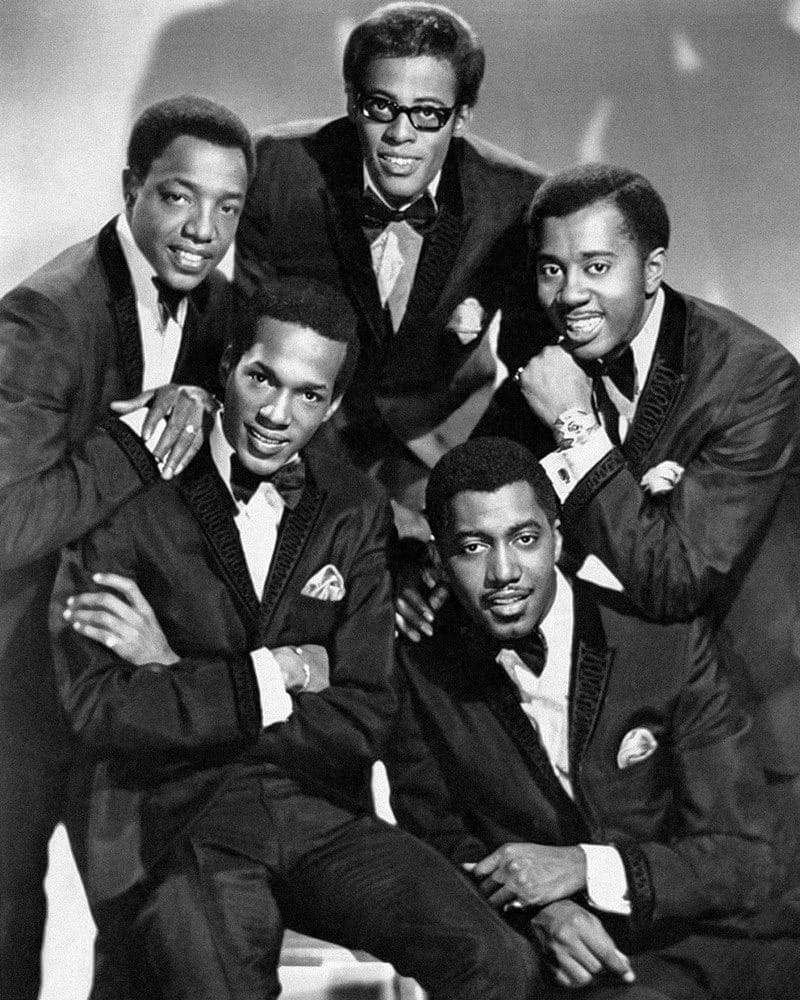
The Temptations are more than just a Motown group—they’re a musical institution. With their silky harmonies, unforgettable melodies, and electrifying performances, The Temptations have left an indelible mark on soul, R&B, and pop music. From their humble beginnings in Detroit to becoming one of the most celebrated vocal groups of all time, their songs have transcended decades, inspiring countless artists and touching the hearts of millions. Whether it’s their heartfelt ballads about love and longing or their socially conscious anthems that captured the spirit of changing times, The Temptations’ music is as timeless today as it was when it first hit the airwaves.
In this article, we’ll dive into the top 10 most popular songs by The Temptations—tracks that not only defined their career but also became iconic staples of 20th-century music. These songs showcase their ability to evolve with the times, from the romantic charm of My Girl to the gritty funk of Papa Was a Rollin’ Stone. So, whether you’re a longtime fan or new to their music, get ready to revisit the sounds of a group that defined Motown and redefined soul music forever. Let’s count down the legendary hits of The Temptations that continue to move us all!
1. “My Girl” (1964)
Few songs in the history of Motown hold the same timeless charm and universal appeal as “My Girl.” Released in December 1964, this iconic love ballad was crafted by Smokey Robinson and Ronald White as a heartfelt showcase for The Temptations. With David Ruffin’s tender yet commanding lead vocals, the song radiates romantic optimism and warmth. Its opening guitar riff is instantly recognizable, setting the stage for a lush arrangement that includes an unforgettable bassline and soaring brass section. “My Girl” became The Temptations’ first No. 1 hit on the Billboard Hot 100, securing its place as a cultural and musical milestone. Overflowing with joy and devotion, this soul classic continues to transcend generations, embodying the enduring power of love through music.
2. “Ain’t Too Proud to Beg” (1966)
Released in May 1966, “Ain’t Too Proud to Beg” is an electrifying anthem of romantic desperation. Written by Norman Whitfield and Edward Holland Jr., the song introduced a grittier, more urgent style to The Temptations’ repertoire. David Ruffin’s raspy and impassioned lead vocals perfectly capture the vulnerability of the pleading lyrics, while the dynamic horns and relentless beat create an infectious energy. The track quickly climbed the charts, landing in the Top 20 on the Billboard Hot 100 and solidifying The Temptations as soul music’s premier vocal group. Its blend of raw emotion, captivating groove, and sheer vocal power ensures that “Ain’t Too Proud to Beg” remains a timeless testament to persistence in love.
3. “Just My Imagination (Running Away with Me)” (1971)
Released in January 1971, “Just My Imagination” is a wistful, heartwarming ballad that reveals a softer, introspective side of The Temptations. Written by Norman Whitfield and Barrett Strong, the song weaves a tender tale of unspoken love and longing. Eddie Kendricks’ angelic falsetto takes center stage, complemented by the group’s flawless harmonies and a lush orchestration of strings and gentle percussion. The dreamy atmosphere mirrors the bittersweet nature of the lyrics, capturing the ache of imagining a love that exists only in one’s mind. Topping the Billboard Hot 100, “Just My Imagination” remains one of the most beloved tracks in their catalog, celebrated for its emotional depth and universal relatability.
4. “Papa Was a Rollin’ Stone” (1972)
Released in September 1972, “Papa Was a Rollin’ Stone” is nothing short of a soul epic, redefining the artistic boundaries of The Temptations. Written by Norman Whitfield and Barrett Strong, this 12-minute masterpiece tackles themes of family, loss, and personal struggle. Its haunting bassline and jazzy, atmospheric instrumentation create an entrancing groove, while Dennis Edwards’ raw, impassioned vocals give the story a striking emotional weight. The group’s layered harmonies amplify the song’s tension, as the lyrics unravel a tale of a father’s absence and its impact on his family. Garnering three Grammy Awards, this groundbreaking track remains a symbol of innovation and a milestone in soul music history.
5. “I Wish It Would Rain” (1967)
Released in December 1967, “I Wish It Would Rain” is a deeply emotional ballad steeped in heartache and sorrow. Written by Norman Whitfield, Barrett Strong, and Rodger Penzabene, the song draws from Penzabene’s personal anguish over a crumbling relationship, adding a poignant layer of authenticity. David Ruffin delivers one of his most stirring performances, channeling heartbreak through every note. Backed by lush harmonies, a mournful orchestration, and subtle rain effects, the song envelops listeners in its raw emotion. Despite its sadness, “I Wish It Would Rain” is a masterpiece of soul music, resonating with anyone who has experienced the pain of lost love.
6. “The Way You Do the Things You Do” (1964)
Released in January 1964, “The Way You Do the Things You Do” became The Temptations’ first major hit and a defining moment for the group. Written by Smokey Robinson and Bobby Rogers, the song pairs Eddie Kendricks’ playful falsetto with the group’s polished harmonies to deliver a lighthearted, flirtatious tune. Its clever lyrics, filled with charming metaphors, add a touch of wit to its irresistible melody. The upbeat rhythm and infectious energy make it impossible not to dance along. This track not only launched The Temptations into stardom but also remains a quintessential example of the Motown sound that defined an era.
7. “Cloud Nine” (1968)
Released in October 1968, “Cloud Nine” marked a bold new chapter for The Temptations, embracing psychedelic soul and socially conscious themes. Written by Norman Whitfield and Barrett Strong, the track’s funky groove and experimental sound reflected the changing times of the late 1960s. Dennis Edwards’ gritty lead vocals bring a sense of urgency, while the group’s harmonies add richness to the song’s exploration of escapism and societal struggles. Winning Motown its first Grammy Award, “Cloud Nine” demonstrated The Temptations’ ability to evolve artistically while staying true to their roots, solidifying their legacy as innovators in soul music.
8. “Ball of Confusion (That’s What the World Is Today)” (1970)
Released in May 1970, “Ball of Confusion” is a powerful, politically charged anthem that captures the turmoil of its time. Written by Norman Whitfield and Barrett Strong, the track features a driving, funky rhythm and rapid-fire lyrics addressing social unrest, war, and inequality. The Temptations’ dynamic vocals add urgency and passion, while the innovative production underscores the chaotic energy of the message. Decades later, the song remains a poignant and relevant commentary on societal struggles, cementing its place as one of the group’s most impactful works.
9. “Get Ready” (1966)
Released in February 1966, “Get Ready” is an irresistible, feel-good dance track that perfectly captures The Temptations’ charm. Written and produced by Smokey Robinson, the song showcases Eddie Kendricks’ smooth falsetto alongside a groovy rhythm and vibrant melody. Its infectious energy and catchy chorus make it a standout hit, inviting listeners to move and sing along. While its initial chart performance was modest, “Get Ready” has since become a Motown classic and a fan favorite, celebrated for its joyous, upbeat spirit.
10. “I Can’t Get Next to You” (1969)
Released in July 1969, “I Can’t Get Next to You” is a dynamic, high-energy showcase of The Temptations’ versatility. Written by Norman Whitfield and Barrett Strong, the track alternates between vocalists, creating a captivating interplay that keeps listeners engaged. The funky rhythm, driven by a pulsating bassline and punchy horns, underscores the frustration and yearning expressed in the lyrics. Topping the Billboard Hot 100, this track highlighted The Temptations’ ability to innovate while dominating both the soul and pop charts. It remains a testament to their unmatched artistry and enduring appeal.

Samuel Moore is a frequent contributor to Singers Room. Since 2005, Singersroom has been the voice of R&B around the world. Connect with us via social media below.









