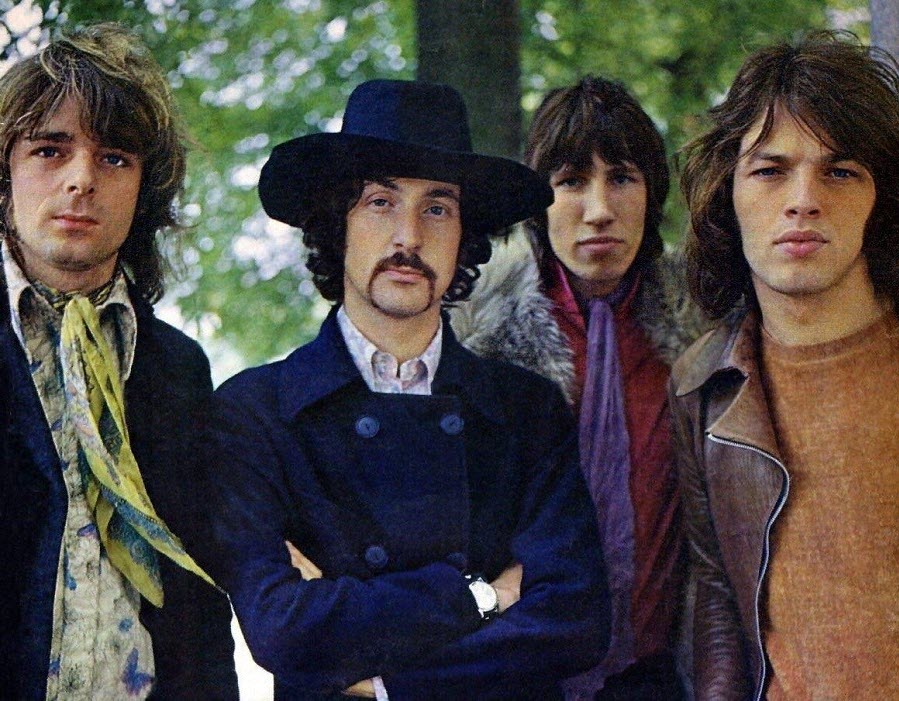
In the sprawling landscape of rock music, few bands have left as indelible a mark as Pink Floyd. With their groundbreaking soundscapes and thought-provoking lyrics, they transcended the boundaries of conventional music, crafting an experience that resonated with generations. From the haunting echoes of “The Dark Side of the Moon” to the anthemic melodies of “The Wall,” Pink Floyd’s discography is a treasure trove of sonic brilliance. Their songs delve deep into themes of alienation, existentialism, and the human condition, making them not just music, but a profound journey of self-discovery.
This article takes you through the top 10 most popular Pink Floyd songs of all time, celebrating the tracks that have not only defined an era but continue to inspire and captivate fans around the globe. Each song tells a story, inviting listeners to explore the depths of their emotions and the intricacies of life itself. Whether you’re a lifelong fan or a newcomer curious about their legacy, join us as we traverse the ethereal realms of Pink Floyd’s most beloved hits, uncovering the magic that makes their music timeless. Get ready to rediscover the power of sound!
1. “Comfortably Numb” (1979)
“Comfortably Numb” is widely regarded as one of Pink Floyd’s masterpieces, capturing a haunting blend of emotional vulnerability and ethereal soundscapes. Released on The Wall, this track stands out for its exploration of alienation and the numbing effects of emotional and physical detachment. The song alternates between two distinct perspectives: Roger Waters portrays the detached doctor administering treatment, while David Gilmour embodies the recipient, grappling with a sense of isolation. This dual narrative deepens the song’s emotional resonance, creating a dialogue between clinical coldness and personal anguish.
What elevates “Comfortably Numb” to legendary status is Gilmour’s transcendent guitar solos. The first solo is introspective, weaving a sense of longing, while the second, which closes the song, is an explosion of raw emotion, often celebrated as one of the greatest solos in rock history. It feels less like a performance and more like a cry from the depths of the human spirit. Complementing this is the orchestral arrangement, which swells dramatically, emphasizing the push and pull between surrender and resistance.
The lyrics, rich in metaphor, tap into universal themes of feeling disconnected from one’s emotions and surroundings. Lines like, “There is no pain, you are receding,” capture the numbness that comes with emotional overload or suppression, resonating with anyone who’s struggled to stay present in difficult times. The timelessness of “Comfortably Numb” lies in its ability to articulate the ineffable and provide solace in shared human experiences. Every listen peels back another layer, inviting fans to explore its depths, making it not just a song, but an experience that lingers long after the final note fades.
2. “Wish You Were Here” (1975)
“Wish You Were Here” is not just a song; it’s a heartfelt lament that encapsulates longing, loss, and the bonds of friendship. As the title track of the 1975 album, it pays tribute to Syd Barrett, the band’s former member and creative muse, whose mental health struggles led to his departure. The acoustic guitar intro, with its raw simplicity, is instantly recognizable and sets a contemplative tone, pulling listeners into a deeply personal space.
The song’s lyrics are poignant and introspective, exploring themes of absence and disconnection. “Did they get you to trade your heroes for ghosts?” reflects both regret and nostalgia, addressing the loss of innocence and authenticity in the face of commercial success. These sentiments are underscored by the interplay of acoustic and electric guitars, weaving a tapestry of sound that is both haunting and uplifting.
What makes “Wish You Were Here” resonate so profoundly is its universality. While rooted in the band’s personal story, its themes of missing someone, yearning for connection, and grappling with change strike a chord with anyone who has experienced loss. It’s as much about the absence of a friend as it is about the absence of oneself—a longing for authenticity and presence in an increasingly detached world.
The track’s structure is deceptively simple, but its emotional depth is vast. The lyrics invite self-reflection, and the melody evokes a bittersweet sense of nostalgia. As the final notes fade, “Wish You Were Here” leaves listeners with a lingering ache and a renewed appreciation for the connections that define our lives. It’s a timeless anthem of empathy and remembrance, solidifying its place as one of Pink Floyd’s most beloved creations.
3. “Another Brick in the Wall, Part 2” (1979)
“Another Brick in the Wall, Part 2” stands as one of Pink Floyd’s most recognizable and culturally significant tracks. Featured on The Wall, this song serves as a rebellious anthem against oppressive institutions, particularly the rigid education system. Its infectious groove, unforgettable lyrics, and bold critique of conformity made it an instant hit, resonating deeply with audiences worldwide.
The song’s driving rhythm is underpinned by a disco-influenced beat, which was a departure from Pink Floyd’s usual sound but added to its widespread appeal. The children’s choir, chanting the iconic lines, “We don’t need no education,” amplifies the song’s defiant tone, creating a powerful juxtaposition between youthful innocence and institutional control. This addition transforms the track into a communal outcry against the dehumanizing aspects of standardized education.
Lyrically, the song captures the protagonist’s frustration with the authoritarian figures in his life, using the metaphor of a wall to symbolize emotional barriers. Each oppressive experience becomes another “brick,” contributing to his growing sense of isolation. The critique extends beyond schools, challenging all systems that strip individuality and creativity.
David Gilmour’s guitar solo adds an emotional depth that elevates the track beyond a mere protest song. The solo is raw and evocative, reflecting the underlying pain and longing for freedom beneath the rebellion.
“Another Brick in the Wall, Part 2” became a cultural phenomenon, topping charts around the world and becoming an anthem for those questioning authority. Decades later, its message remains as relevant as ever, encouraging listeners to break free from societal constraints and embrace individuality. The track’s timeless appeal lies in its ability to channel frustration into a call for change, making it one of Pink Floyd’s most enduring legacies.
4. “Time” (1973)
“Time” is a profound meditation on the relentless passage of life, delivered with a blend of lyrical introspection and musical brilliance. Featured on The Dark Side of the Moon, the song opens with a haunting soundscape of ticking clocks, creating an immediate sense of urgency. This auditory imagery sets the stage for one of Pink Floyd’s most introspective and universally relatable tracks.
The lyrics delve into the human tendency to waste time, only realizing its value once it’s too late. Lines like, “You are young, and life is long, and there is time to kill today,” capture the false sense of invincibility that often accompanies youth. As the song progresses, the realization of time slipping away becomes more poignant, urging listeners to seize the moment and live with intention.
Musically, “Time” is a masterpiece. The transition from Richard Wright’s reflective vocals in the verses to David Gilmour’s powerful delivery in the chorus mirrors the shift from contemplation to urgency. Gilmour’s guitar solo, one of his finest, is both soaring and soulful, embodying the song’s themes of fleeting opportunity and existential reckoning.
The rhythm section, led by Nick Mason’s drumming and Roger Waters’ bassline, creates a sense of propulsion, echoing the unstoppable march of time. Meanwhile, the atmospheric keyboards add layers of melancholy, enhancing the track’s emotional depth.
“Time” is more than a song; it’s a philosophical reflection on life’s brevity and the importance of mindfulness. Its timeless message and masterful composition continue to resonate, making it one of the standout tracks in Pink Floyd’s legendary catalog. Each listen serves as a reminder to embrace life fully, lest we find ourselves looking back, wondering where all the time went.
5. “Money” (1973)
“Money” is a razor-sharp critique of materialism, greed, and the seductive power of wealth. Featured on The Dark Side of the Moon, this track stands out with its instantly recognizable cash register sound effects and unconventional 7/4 time signature. Its unique rhythm and biting lyrics make it one of Pink Floyd’s most iconic songs and a staple in their live performances.
The song begins with the clinking of coins and the ringing of a cash register, setting the tone for its critique of capitalism. Roger Waters’ lyrics, dripping with irony, explore the paradox of wealth: while money can bring comfort and luxury, it also fosters corruption and alienation. Lines like, “I’m all right, Jack, keep your hands off of my stack,” highlight the self-centered mentality that often accompanies the pursuit of riches.
David Gilmour’s vocals convey both cynicism and allure, capturing the complex relationship humans have with money. The track’s centerpiece is Gilmour’s blistering guitar solo, which transitions from the unconventional 7/4 time to a more straightforward 4/4 groove, symbolizing the push and pull between order and chaos in the world of finance.
The bassline, provided by Waters, anchors the track with a steady, groovy rhythm, while Richard Wright’s keyboards add a touch of jazz-inspired flair. Nick Mason’s drumming keeps the complex structure cohesive, creating a dynamic interplay among the band members.
“Money” remains one of Pink Floyd’s most enduring tracks, as relevant today as it was upon its release. Its exploration of greed and excess serves as both a critique and a cautionary tale, inviting listeners to reflect on the true cost of wealth. Decades later, it continues to captivate audiences with its bold message and innovative sound.
6. “Shine On You Crazy Diamond” (1975)
“Shine On You Crazy Diamond” is a hauntingly beautiful tribute to Syd Barrett, the band’s former frontman whose struggle with mental health and subsequent departure left a profound impact on Pink Floyd. Spanning two parts and nearly 26 minutes on the album Wish You Were Here, the song is a masterclass in musical storytelling, blending poignant lyrics with ethereal instrumentation.
The track opens with a slow, atmospheric build, featuring Richard Wright’s haunting keyboard melodies and David Gilmour’s emotive guitar work. The iconic four-note guitar motif immediately sets a tone of longing and reverence, drawing listeners into a reflective journey. As the lyrics begin, Roger Waters’ words paint a vivid picture of Barrett’s brilliance and fragility, referring to him as a “crazy diamond” who burned brightly but faded too soon.
The interplay between Gilmour’s guitar solos and Wright’s synthesizer creates a dreamlike soundscape, evoking a sense of nostalgia and melancholy. The band’s intricate layering of instruments mirrors the complexity of Barrett’s character and his lasting influence on their music.
Lyrically, the song is both a celebration and a lament, expressing admiration for Barrett’s creativity while mourning his decline. Lines like, “You reached for the secret too soon, you cried for the moon,” encapsulate his genius and the tragedy of his struggles.
“Shine On You Crazy Diamond” stands as one of Pink Floyd’s most emotionally charged works, resonating deeply with fans and newcomers alike. It’s a powerful reminder of the impact one person can have on art and the enduring legacy of those who inspire us, even in their absence.
7. “Hey You” (1979)
“Hey You,” a standout track from Pink Floyd’s The Wall, captures the raw emotional weight of isolation and despair. Set against the album’s overarching narrative of a man’s descent into alienation, this haunting song strikes a deeply personal chord with listeners. It serves as both a plea for connection and a lament for the barriers we build around ourselves.
The track opens with David Gilmour’s delicate acoustic guitar, immediately creating an atmosphere of vulnerability. Gilmour’s soothing yet pained vocals express the yearning of someone trapped behind their own emotional “wall.” The lyrics, “Hey you, out there in the cold, getting lonely, getting old,” reach out to the listener, embodying both a cry for help and a universal sense of loneliness.
As the song progresses, Roger Waters’ voice joins in, adding layers of intensity and desperation. The interplay between Gilmour and Waters captures the internal conflict of longing for connection while being consumed by self-imposed isolation. Richard Wright’s keyboards and Nick Mason’s subtle percussion enhance the song’s haunting mood, while Gilmour’s electric guitar solo introduces a sense of urgency and emotional release.
The track’s structure mirrors the protagonist’s emotional state, moving from quiet introspection to a crescendo of anguish before fading back into solitude. Its evocative lyrics and stirring melodies resonate deeply, offering solace to anyone who has ever felt cut off from the world.
“Hey You” is not just a song—it’s a profound exploration of the human condition. It reminds us that while we may feel isolated, there’s always hope for connection, urging listeners to break through their own walls and reach out to others.
8. “The Wall” (1979)
“The Wall,” the title track of Pink Floyd’s groundbreaking rock opera, serves as the emotional core of the album, encapsulating themes of alienation, grief, and self-imposed barriers. This powerful piece is a climactic moment in the story of Pink, the protagonist, whose emotional walls have cut him off from the world.
Musically, the song is both dramatic and introspective, with a composition that mirrors the weight of its themes. The track opens with a foreboding melody, as Richard Wright’s atmospheric keyboards set the stage for the internal turmoil that unfolds. David Gilmour’s guitar lines weave through the piece, creating an ominous yet captivating soundscape.
Roger Waters’ lyrics delve into the reasons behind Pink’s emotional detachment. Lines like “All in all, it’s just another brick in the wall” highlight how life’s traumas—loss, rejection, and societal pressures—can accumulate, forming barriers that isolate us from those around us. The repetition of the phrase “another brick” underscores the inevitability of these walls growing higher and thicker over time.
As the song builds, the instrumentation intensifies, reflecting Pink’s growing despair. Gilmour’s soaring guitar solo introduces a glimmer of hope, suggesting that these walls, though formidable, might not be unbreakable.
“The Wall” is more than just a song; it’s a powerful commentary on the ways we cope with pain and the consequences of shutting ourselves off from the world. Its timeless message resonates with listeners, encouraging them to confront their own walls and seek connection despite life’s hardships.
9. “Run Like Hell” (1979)
“Run Like Hell,” one of Pink Floyd’s most electrifying tracks, bursts with urgency and energy. Featured on The Wall, this song captures the chaos and fear of fleeing from oppressive forces, both external and internal. It’s a visceral depiction of survival and escape, perfectly suited to the dramatic narrative of the album.
The track opens with a pulsating beat, driven by Nick Mason’s relentless drumming and David Gilmour’s churning guitar riff. This driving rhythm creates a sense of momentum and tension, as if the listener is being pursued through the dark. The layered sound effects, including ominous crowd noises and echoing voices, amplify the feeling of unease.
Gilmour’s gritty vocals command attention, delivering lines like “Run, run, run” with a mix of urgency and defiance. Roger Waters’ lyrics reflect the protagonist’s desperation to escape his own psychological prison and the oppressive expectations of society. The song’s intensity mirrors the chaotic struggle of breaking free from these forces.
As the track builds, the interplay between Gilmour’s scorching guitar solos and Wright’s atmospheric keyboards creates a dynamic soundscape that keeps listeners on edge. The relentless energy never lets up, making it one of Pink Floyd’s most thrilling and high-octane compositions.
“Run Like Hell” is more than just a song; it’s an adrenaline-fueled journey that captures the fear and exhilaration of fighting for freedom. Its infectious rhythm and powerful message continue to resonate with fans, cementing its place as a standout in Pink Floyd’s catalog.
10. “Learning to Fly” (1987)
“Learning to Fly” represents a pivotal moment in Pink Floyd’s evolution, marking their transition into a new era after Roger Waters’ departure. Featured on A Momentary Lapse of Reason, the song is a soaring anthem of self-discovery, liberation, and resilience.
The track opens with the sound of wind and a gentle guitar riff, immediately evoking a sense of openness and possibility. David Gilmour’s warm, reflective vocals invite listeners into a journey of personal growth, as he sings about the exhilaration and uncertainty of venturing into uncharted territory. The lyrics, inspired in part by Gilmour’s experiences learning to fly planes, also serve as a metaphor for overcoming fear and embracing change.
Musically, the song showcases the band’s ability to blend atmospheric soundscapes with tight instrumentation. Wright’s ethereal keyboard work adds depth and texture, while Mason’s steady drumming anchors the track, giving it a sense of forward motion. Gilmour’s guitar solos soar with an almost weightless quality, mirroring the themes of flight and freedom.
The chorus is uplifting and memorable, with its refrain of “Can’t keep my eyes from the circling skies” capturing the wonder and vulnerability of stepping into the unknown. The layered production, featuring synthesizers and subtle sound effects, enhances the song’s expansive feel.
“Learning to Fly” resonates with anyone who has faced challenges and found the courage to push forward. Its universal themes of perseverance and hope make it an enduring favorite, a testament to Pink Floyd’s ability to connect with audiences on both an emotional and philosophical level.

Edward Tomlin is a frequent contributor to Singers Room. Since 2005, Singersroom has been the voice of R&B around the world. Connect with us via social media below.









