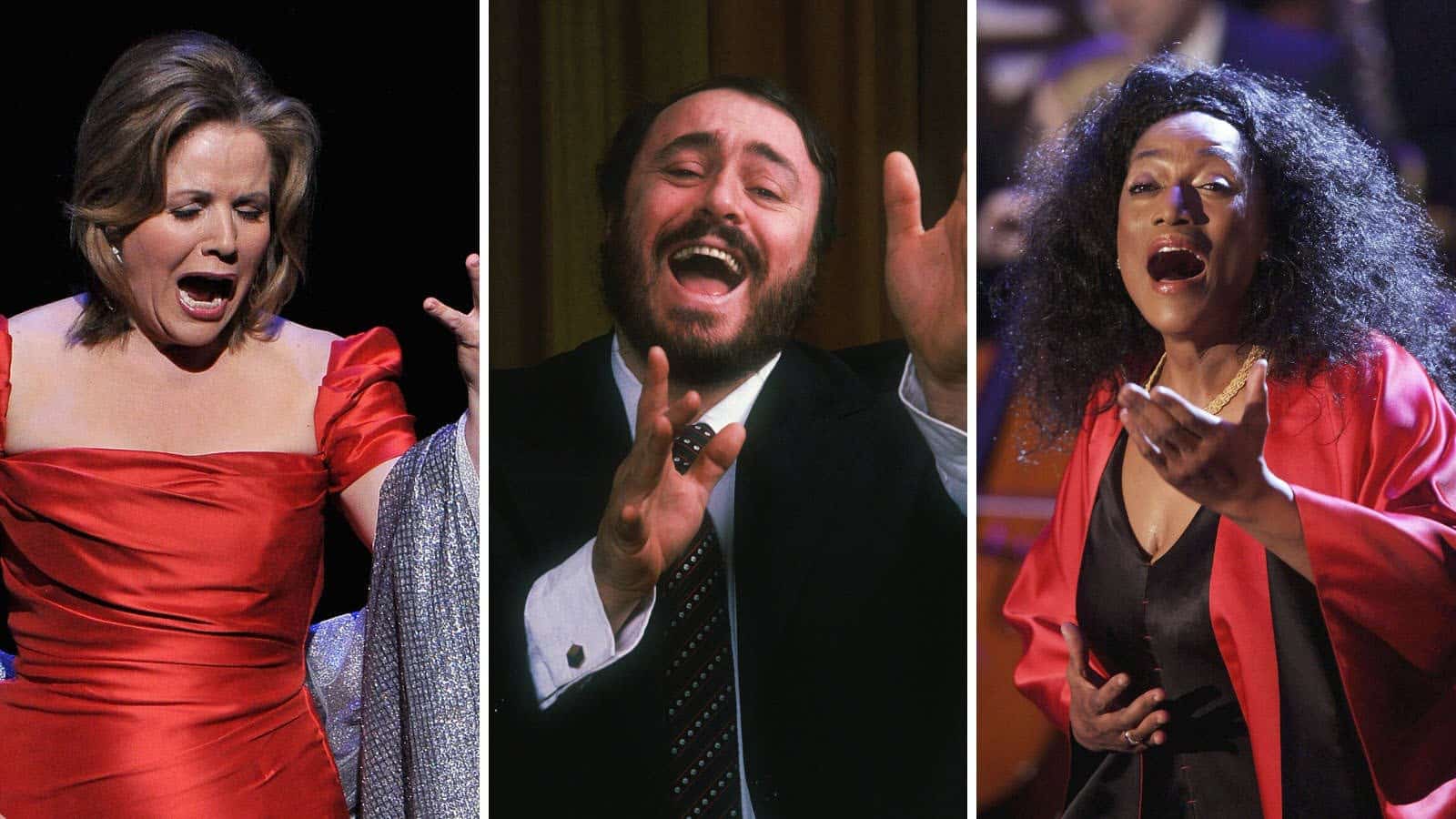
Opera is one of the most breathtaking art forms in the world, blending powerful music, gripping drama, and awe-inspiring vocal performances into an unforgettable experience. Over the centuries, opera has gifted us with some of the most iconic and emotionally charged songs ever composed—pieces that have transcended time to become cultural treasures. From heart-wrenching arias that leave audiences in tears to triumphant melodies that stir the soul, opera’s greatest hits continue to captivate listeners, whether they’re lifelong fans or newcomers to the genre.
In this article, we explore the top 15 most popular opera songs of all time, each a masterpiece in its own right. These selections showcase the brilliance of composers like Puccini, Verdi, Mozart, and Bizet, whose works have shaped the very essence of opera. Whether it’s the soaring hope in “Nessun Dorma,” the fiery passion of “Habanera,” or the heartbreaking beauty of “Un Bel Dì Vedremo,” these songs are timeless examples of music’s power to move us.
So, step into the grand world of opera, where every note tells a story, every lyric stirs an emotion, and every performance is a journey. Here are the 15 songs that have defined the magic of opera for generations.
1. “Nessun Dorma” (Turandot – 1926)
One of the most famous arias in all of opera, “Nessun Dorma” from Puccini’s Turandot embodies a powerful sense of determination and hope. Sung by the brave Prince Calaf, this aria is a moment of emotional intensity, as he vows to win the heart of the cold and untouchable Princess Turandot. The aria’s soaring melody, paired with the repeated declaration of “Vincerò” (I will win), has made it one of the most instantly recognizable pieces in the opera world, further cemented by Luciano Pavarotti’s unforgettable performances. This combination of passion, vulnerability, and resolve not only makes it a stunning musical experience but also a universal symbol of the human spirit’s unyielding pursuit of love and triumph.
2. “Largo al Factotum” (The Barber of Seville – 1816)
Rossini’s The Barber of Seville bursts to life with the energetic aria “Largo al Factotum,” sung by the clever and charismatic Figaro. This aria showcases the quick-witted, resourceful nature of Figaro as he confidently declares his importance to the town, ready to solve everyone’s problems with flair. With its rapid-fire lyrics, infectious rhythm, and playful melody, this aria embodies Figaro’s charm and wit, making it a comedic highlight of the opera. The lively tempo and tongue-twisting phrases challenge any baritone, offering both vocal acrobatics and comedic timing. “Largo al Factotum” remains a fan favorite, thrilling audiences with its energy and exuberance.
3. “Habanera” (Carmen – 1875)
Bizet’s Carmen begins with the sultry and seductive aria “Habanera,” which perfectly captures the fiery and unpredictable nature of love. Sung by the passionate Carmen, this aria introduces her as a woman who is confident, free-spirited, and unafraid to challenge societal norms. The rhythmic pulse of the piece mirrors the Spanish dance it’s named after, with its sensual undertones and hypnotic melody drawing listeners in. The famous opening line, “Love is a rebellious bird,” sets the stage for Carmen’s bold, untamed character. With its timeless allure and infectious rhythm, “Habanera” remains one of opera’s most iconic arias, a celebration of love’s unpredictable and often uncontrollable power.
4. “La Donna è Mobile” (Rigoletto – 1851)
Verdi’s Rigoletto features the playful and ironic aria “La Donna è Mobile,” sung by the Duke of Mantua. In this aria, the Duke mocks the fickleness of women, but its buoyant, carefree melody reveals just as much about his own shallow and careless nature. Premiering in 1851, the aria was an immediate sensation, so much so that Verdi kept it a secret until the opera’s first performance to enhance its impact. With its infectious tune and lively rhythm, “La Donna è Mobile” quickly became one of opera’s most famous melodies and remains a staple in both opera houses and popular culture today. Its lighthearted tone belies the Duke’s darker character, making it a perfect example of Verdi’s genius in combining drama with catchy tunes.
5. “O Mio Babbino Caro” (Gianni Schicchi – 1918)
Puccini’s Gianni Schicchi features the beautiful and heartfelt aria “O Mio Babbino Caro,” sung by Lauretta as she pleads with her father to allow her to marry the man she loves. This tender aria, filled with both innocence and deep passion, has become one of the most beloved soprano arias in the opera world. With its simple yet moving melody, “O Mio Babbino Caro” expresses the universal theme of a child’s earnest plea for love and approval, transcending the confines of opera and finding a place in films, commercials, and concert stages alike. The aria’s emotional depth and purity make it a favorite for both performers and audiences, drawing a tear from anyone who hears it.
6. “Der Hölle Rache” (The Magic Flute – 1791)
Known as the “Queen of the Night Aria,” this dazzling piece from Mozart’s The Magic Flute is one of the most technically demanding arias ever written. Sung by the Queen of the Night, it is an intense outpouring of rage and vengeance as she commands her daughter, Pamina, to kill Tamino. The aria is a spectacular display of vocal acrobatics, featuring high, piercing notes that push the soprano’s voice to its limits. Its dramatic intensity and rapid shifts in emotion have made it a favorite for sopranos looking to showcase their vocal prowess, while its fiery power and emotional depth continue to captivate audiences around the world. For those who crave thrilling moments in opera, this aria remains a pinnacle of vocal mastery and theatrical drama.
7. “Un Bel Dì Vedremo” (Madama Butterfly – 1904)
In Madama Butterfly, Puccini captures the deep emotions of love and loss with the poignant aria “Un Bel Dì Vedremo,” sung by Cio-Cio-San. This aria expresses her unwavering belief that her husband, Pinkerton, will return to her someday, despite the pain of his abandonment. The aria’s delicate, soaring melody perfectly mirrors Cio-Cio-San’s fragile hope and dream of reuniting with her love. Its emotional depth and lyrical beauty have made it a signature piece for sopranos, often leaving audiences moved to tears. The aria is a heartbreaking testament to love’s enduring power, even in the face of inevitable heartbreak.
8. “Che Gelida Manina” (La Bohème – 1896)
In this beautiful aria from Puccini’s La Bohème, the poet Rodolfo sings of the tender emotions stirred by the cold hand of the seamstress Mimì. “Che Gelida Manina” (Your tiny hand is so cold) is a declaration of love at first sight, as Rodolfo describes his own impoverished life and dreams, hoping to offer Mimì a glimpse of a brighter future. With its warm, lyrical melody and heartfelt lyrics, the aria has become one of Puccini’s most cherished works, capturing the vulnerability and passion of young love. As Rodolfo and Mimì’s story unfolds, this aria remains a timeless symbol of the emotional power of music and the beauty of love’s quiet moments.
9. “Casta Diva” (Norma – 1831)
Bellini’s “Casta Diva” is one of opera’s most ethereal and iconic arias, performed by the character Norma, a Druid high priestess who prays to the moon goddess. The aria’s tranquil and otherworldly melody creates a stunning contrast to the drama unfolding around it. “Casta Diva” captures a serene moment in the opera, where Norma’s prayer exudes calmness and devotion. Its flowing, lyrical phrases demand flawless breath control and vocal technique, making it an ultimate challenge for sopranos. This aria is more than just beautiful music; it’s an expression of longing, love, and reverence for the divine. The serenity of the melody, combined with the deep emotion behind the words, creates a transcendent experience that remains one of the most cherished and breathtaking pieces in the operatic repertoire.
10. “Libiamo ne’ Lieti Calici” (La Traviata – 1853)
Often referred to as “The Drinking Song,” this spirited duet from Verdi’s La Traviata is one of opera’s most joyful and exuberant moments. Sung during a lively party scene, the characters Alfredo and Violetta engage in a playful exchange of flirtatious melodies. Joined by a lively chorus, the aria’s waltz-like rhythm and infectious energy capture the hedonistic spirit of the opera’s opening act. It’s a song about celebrating life and love, filled with both passion and lightheartedness. The duet’s jubilant tone and catchy melody have made it a popular encore piece for opera singers, offering a moment of pure joy amid the drama of the opera. “Libiamo ne’ Lieti Calici” remains a beloved favorite, embodying the festive and carefree spirit of Verdi’s masterpiece.
11. “Au Fond du Temple Saint” (The Pearl Fishers – 1863)
One of the most emotionally resonant duets in opera, “Au Fond du Temple Saint” from Bizet’s The Pearl Fishers tells a story of deep friendship and enduring loyalty. Sung by Nadir and Zurga, two men who share a close bond, this duet reflects on their mutual love for the same woman. Despite their shared affection for her, their friendship triumphs. The duet’s delicate harmonies and intertwining voices create a sense of nostalgia and tender devotion, building an emotional connection that resonates with audiences. The soaring melody, paired with the characters’ expressions of friendship and sacrifice, elevates the piece to a moment of true operatic beauty. Its lasting emotional impact makes it one of the most cherished moments in all of opera, showcasing Bizet’s gift for creating heart-stirring melodies.
12. “Vesti la Giubba” (Pagliacci – 1892)
Leoncavallo’s Pagliacci reaches an emotional peak with the haunting aria “Vesti la Giubba,” sung by the clown Canio. As Canio prepares to perform, he is consumed by heartbreak and despair, having just discovered his wife’s infidelity. The aria’s tragic intensity is marked by Canio’s plea to “laugh, clown,” even as his heart is shattered. The raw emotion conveyed through the aria’s anguished melody and impassioned delivery creates one of opera’s most devastating moments. It is a portrayal of profound sorrow, capturing the inner turmoil of a man whose professional duty forces him to mask his suffering. The aria’s ability to convey such raw emotion has captivated audiences for over a century, making it an unforgettable part of the operatic repertoire.
13. “E Lucevan le Stelle” (Tosca – 1900)
Puccini’s Tosca is filled with intense emotion, and “E Lucevan le Stelle” is perhaps the most heart-wrenching aria in the opera. Sung by the painter Cavaradossi as he awaits his execution, the aria is a sorrowful farewell to life, love, and beauty. The beautiful, lyrical melody mirrors Cavaradossi’s longing for his lost love and the beauty he is leaving behind. With each note, he expresses his despair and regret, making it one of opera’s most emotionally charged moments. The piece is imbued with a sense of finality, as Cavaradossi contemplates his fate and the fleeting nature of life. The aria’s poignant expression of loss and love lingers in the hearts of audiences long after the final note fades, cementing its place as one of opera’s most beloved and emotionally powerful pieces.
14. “Bella Figlia dell’Amore” (Rigoletto – 1851)
Verdi’s Rigoletto is known for its complex characters and dramatic tension, and the quartet “Bella Figlia dell’Amore” is a brilliant showcase of both. In this masterpiece of musical storytelling, four characters—Rigoletto, his daughter Gilda, the Duke, and Maddalena—sing in counterpoint, their voices interweaving to express a range of emotions: love, jealousy, seduction, and heartbreak. As the voices blend and clash, the contrasting emotions create a dramatic tension that propels the narrative forward. The quartet’s shifting harmonies and vocal complexity make it a remarkable example of Verdi’s genius. The intertwining of emotions and voices, combined with the dynamic shifts in tone, creates an unforgettable operatic experience, highlighting the complexity of the human heart.
15. “Sempre Libera” (La Traviata – 1853)
In Verdi’s La Traviata, “Sempre Libera” is a moment of defiance and independence. Sung by the character Violetta, the aria is a bold declaration that she will remain free from the constraints of love and commitment. The piece is both virtuosic and emotionally charged, with rapid runs and dramatic shifts in mood that reflect Violetta’s inner turmoil. As she struggles with her feelings for Alfredo and her desire to live freely, the aria captures her complex emotions. “Sempre Libera” is a thrilling showcase for sopranos, demanding vocal agility and emotional depth. It’s a standout moment in the opera, highlighting Verdi’s ability to capture the full spectrum of human emotion with dazzling musicality and profound drama. The aria is a powerful and exhilarating expression of freedom and independence.

Samuel Moore is a frequent contributor to Singers Room. Since 2005, Singersroom has been the voice of R&B around the world. Connect with us via social media below.









