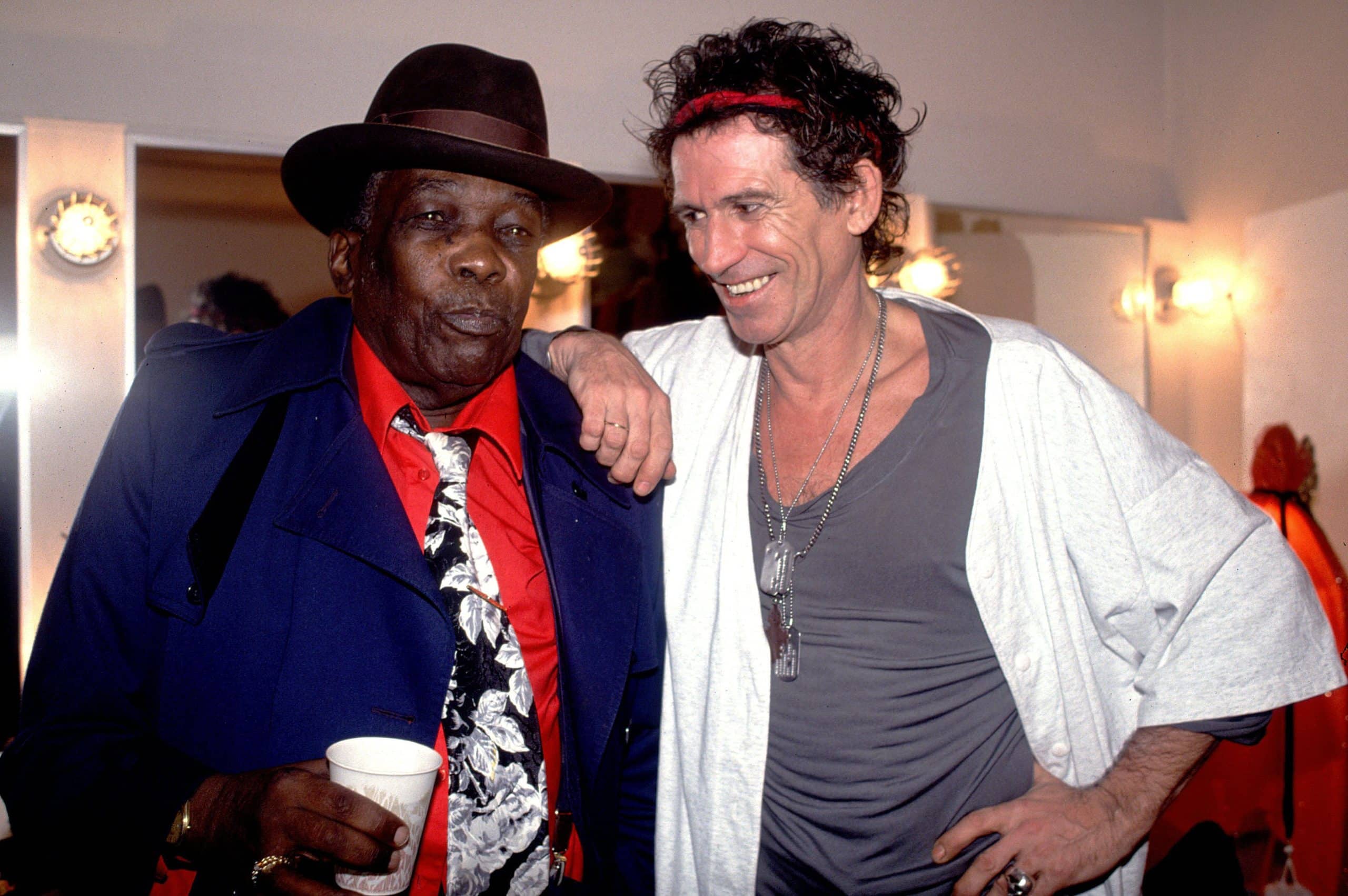
John Lee Hooker, a titan of the blues, has left an indelible mark on the music world with his raw, powerful sound and evocative storytelling. Born in 1917 in Mississippi, Hooker’s unique blend of Delta blues and urban rhythm transformed the genre, captivating audiences across generations. His deep, gravelly voice and hypnotic guitar riffs convey a sense of both anguish and joy, making his music timeless.
In this article, we delve into the top 10 most popular John Lee Hooker songs of all time, each track a testament to his genius and influence. From the hauntingly soulful “Boom Boom” to the introspective “One Bourbon, One Scotch, One Beer,” these songs showcase his ability to express the human experience in ways that resonate deeply. Whether you’re a lifelong fan or a newcomer to his work, this countdown will highlight the essential tracks that define Hooker’s legacy. Join us as we explore the stories behind these iconic songs, their cultural impact, and why they continue to inspire artists and listeners alike. Get ready to immerse yourself in the raw power of the blues and celebrate the music of one of its greatest masters!
1. Boom Boom (1962)
“Boom Boom,” released in 1962, is undoubtedly one of John Lee Hooker’s most iconic songs. This track captures the essence of Hooker’s signature boogie-woogie style with its infectious rhythm and instantly recognizable lyrics. The playful tale of flirtation and attraction, set to a pulsating beat, creates an irresistible groove that hooks listeners from the very first note. Hooker’s gravelly voice delivers the lyrics with a mix of charm and swagger, perfectly complemented by his sharp, rhythmic guitar riffs. The interplay between the lyrics and melody brings a vibrant energy to the song, making it an enduring favorite for generations. Over the years, “Boom Boom” has been covered by numerous artists, yet Hooker’s original version remains unparalleled. It’s a track that not only defines his career but also highlights the universal appeal of blues music, ensuring its place in the pantheon of classic tracks.
2. One Bourbon, One Scotch, One Beer (1966)
“One Bourbon, One Scotch, One Beer,” released in 1966, is a masterclass in blues storytelling. This song takes listeners on a journey through heartache, defiance, and introspection, all woven into a narrative of a man’s night out at a bar. Hooker’s deep, resonant voice carries the weight of his story, drawing listeners into the scene as though they’re sitting on the next stool. The raw honesty of the lyrics reflects the struggles and resilience at the heart of the blues. Hooker’s guitar work is understated yet powerful, creating a steady rhythm that mirrors the flow of a conversation or the ticking of time as the story unfolds. This track is a vivid snapshot of life’s complexities, infused with humor, pathos, and authenticity. Its lasting impact lies in its ability to connect with the listener on a deeply personal level, cementing it as a blues classic.
3. I’m in the Mood (1951)
“I’m in the Mood,” released in 1951, is a sultry and mesmerizing track that captures the essence of romantic longing. Hooker’s smooth, understated delivery pairs perfectly with the song’s flowing melody, creating an atmosphere of intimacy and yearning. The simplicity of the arrangement allows the emotions to take center stage, with each note of Hooker’s guitar resonating with raw feeling. His vocal performance, filled with subtle nuances, conveys a sense of vulnerability and passion that’s impossible to ignore. This song isn’t just music—it’s an emotional experience, one that evokes the quiet moments of connection and desire we all know. “I’m in the Mood” stands as a testament to Hooker’s genius for blending emotion with artistry, and it continues to hold a special place in the hearts of blues fans worldwide.
4. Dimples (1956)
Released in 1956, “Dimples” is a lighthearted and infectious blues track that showcases Hooker’s playful side. The song’s upbeat tempo and catchy refrain make it an instant earworm, while the lyrics highlight the charm and attraction of a romantic interest. Hooker’s guitar riffs are crisp and engaging, driving the song forward with a lively energy that’s impossible to resist. His vocal delivery brims with charisma, capturing the joy and spontaneity of falling for someone. “Dimples” is a shining example of how Hooker could infuse the blues with a sense of fun and lightness, proving that the genre isn’t just about heartache—it’s also about celebration. This track’s enduring popularity speaks to its universal appeal, and it remains a fan favorite for its irresistible charm and undeniable groove.
5. Crawlin’ King Snake (1949)
“Crawlin’ King Snake,” released in 1949, is a haunting and hypnotic track that embodies the raw power of the blues. With its slinky rhythm and primal lyrics, the song captures a sense of longing and vulnerability, as well as a hint of danger. Hooker’s deep, commanding voice delivers the words with an intensity that’s both captivating and unsettling. The simplicity of the arrangement allows the emotion to shine through, with each guitar note adding depth and texture to the song’s atmosphere. This track has been covered by numerous artists over the years, but Hooker’s version remains definitive, thanks to its authenticity and visceral impact. “Crawlin’ King Snake” is a perfect example of Hooker’s ability to tap into the primal roots of blues music, creating a sound that’s timeless and deeply evocative.
6. It Serves Me Right to Suffer (1966)
“It Serves Me Right to Suffer,” released in 1966, is a poignant exploration of heartache, regret, and self-reflection. Hooker’s voice, rich with emotion, delivers the lyrics with a haunting sense of resignation that cuts straight to the heart. The song’s slow, deliberate pace mirrors the weight of its themes, allowing listeners to fully immerse themselves in the story. Hooker’s guitar work is both subtle and powerful, providing a steady foundation for the song’s emotional journey. The interplay between his voice and instrument creates a sense of intimacy that makes the listener feel as though they’re experiencing the pain alongside him. This track is a testament to Hooker’s ability to transform personal struggles into universal experiences, capturing the essence of the blues in its purest form. It remains one of his most moving and memorable works.
7. Boogie Chillen’ (1948)
Released in 1948, “Boogie Chillen'” is a groundbreaking track that helped shape the sound of modern blues. The song’s infectious rhythm and Hooker’s electrifying guitar work create an energy that’s impossible to ignore. His vocals, raw and powerful, deliver a message of freedom and self-expression, capturing the spirit of late-night jams and carefree living. “Boogie Chillen'” isn’t just a song—it’s an anthem for a way of life, celebrating individuality and the joy of music. The track’s innovative style laid the foundation for countless artists, influencing not only blues but also rock and roll. Hooker’s genius shines through in every note, making “Boogie Chillen'” a timeless classic that continues to inspire musicians and fans alike.
8. Hobo Blues (1949)
Released in 1949, “Hobo Blues” is one of John Lee Hooker’s most evocative storytelling tracks, painting a vivid picture of a life lived on the move. The song’s steady, rhythmic guitar echoes the cadence of a train, mirroring the wandering, restless spirit of its protagonist. Hooker’s deep, resonant voice carries the weight of the story, weaving a narrative of loneliness, freedom, and resilience. The lyrics capture the duality of a transient lifestyle, celebrating the independence it brings while acknowledging its hardships. Hooker’s delivery is raw and authentic, making the emotions feel deeply personal yet universally relatable. “Hobo Blues” showcases his remarkable ability to transform simple words and melodies into a rich, immersive experience. It’s a testament to his storytelling prowess and a reminder of the blues’ power to reflect the human condition. This track remains a standout in Hooker’s extensive catalog, offering listeners a glimpse into the soul of the blues.
9. You Can’t Catch the Blues (1965)
“You Can’t Catch the Blues,” released in 1965, is a lively and playful homage to the blues as both a genre and a way of life. The song exudes energy, with its upbeat tempo and dynamic interplay between Hooker’s vocals and guitar work. The lyrics are clever and witty, celebrating the resilience and universality of the blues while reminding listeners that its essence cannot be contained or replicated—it must be felt. Hooker’s performance is brimming with charisma, his voice carrying an infectious enthusiasm that makes the track impossible to resist. The rhythmic guitar riffs drive the song forward, creating a groove that embodies the joy of the blues. “You Can’t Catch the Blues” is more than just a song; it’s a celebration of the genre’s enduring spirit and Hooker’s deep connection to it. This track resonates with fans as a reminder of why the blues continues to captivate hearts and souls worldwide.
10. Little Wheel (1961)
“Little Wheel,” released in 1961, is a deeply atmospheric track that highlights John Lee Hooker’s ability to convey profound emotion through simplicity. The song’s haunting melody is underpinned by a steady, almost hypnotic rhythm, drawing listeners into a world of introspection and longing. Hooker’s vocal performance is imbued with a quiet intensity, delivering the lyrics with a blend of vulnerability and strength. The guitar work is equally powerful, with its understated elegance serving as the perfect backdrop to Hooker’s storytelling. The lyrics explore themes of love, struggle, and resilience, resonating deeply with anyone who has faced life’s challenges. “Little Wheel” is a testament to Hooker’s mastery of his craft, showcasing his ability to transform simple melodies into something profound and timeless. This track remains a gem in his discography, celebrated for its emotional depth and musical brilliance.

Edward Tomlin is a frequent contributor to Singers Room. Since 2005, Singersroom has been the voice of R&B around the world. Connect with us via social media below.









