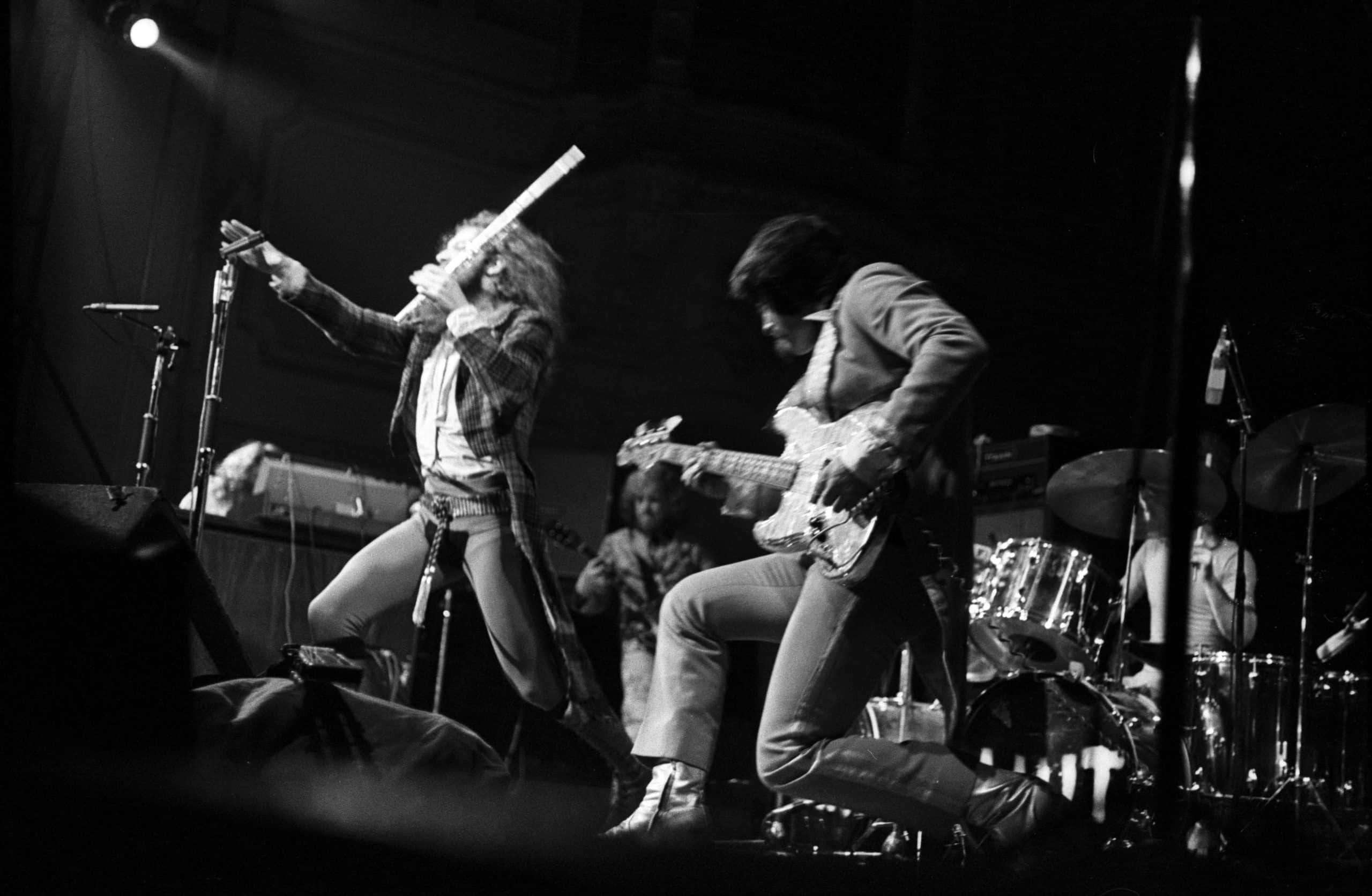
Jethro Tull is no ordinary rock band. With their unmatched fusion of progressive rock, folk influences, and classical undertones, they’ve carved a unique niche in music history. Led by the charismatic and multi-talented Ian Anderson, known for his theatrical stage presence and mastery of the flute, Jethro Tull has created some of the most unforgettable songs of the 20th century. From thought-provoking lyrics to intricate arrangements, their music transcends genres and defies expectations.
Over the decades, Jethro Tull’s catalog has given us everything from sprawling progressive rock epics to sharp, socially charged anthems. Whether it’s the haunting riffs of Aqualung, the rollicking rhythm of Locomotive Breath, or the whimsical charm of Bungle in the Jungle, their songs have resonated with fans across generations. Each track tells a story, offers a critique, or paints a vivid picture, pulling listeners into the band’s distinctive world of artistry and imagination.
In this article, we’ll explore the top 10 most popular Jethro Tull songs of all time. These are the tracks that define their legacy, showcase their musical genius, and continue to captivate audiences worldwide. So grab your headphones, turn up the volume, and immerse yourself in the timeless magic of Jethro Tull!
1. Aqualung (1971)
“Aqualung” is one of Jethro Tull’s most iconic songs and a definitive anthem of 1970s rock music. Featured on the album of the same name, the track delves deep into the theme of societal neglect, focusing on the struggles of a homeless man. With its unforgettable opening riff and Ian Anderson’s sharp, biting lyrics, “Aqualung” weaves a rich tapestry of acoustic beauty and intense electric power. The song’s sweeping dynamics showcase the band’s ability to move effortlessly between delicate passages and explosive rock segments. Martin Barre’s iconic guitar solo is often regarded as one of the best in rock history, adding emotional weight to the song’s critique of hypocrisy, especially in organized religion. “Aqualung” isn’t just a song; it’s an artistic statement—bold, fearless, and unflinchingly honest. Its blend of folk, rock, and progressive elements not only defined an era but solidified Jethro Tull’s place in the annals of musical history.
2. Locomotive Breath (1971)
“Locomotive Breath,” another standout from the Aqualung album, is a hard-driving, blues-infused rock track that perfectly captures the urgency and chaos of life. The song opens with a slow, piano-driven introduction that builds suspense before bursting into a frantic, galloping rhythm—evoking the image of a runaway train careening off the tracks. The lyrics reflect on the inevitability of life’s chaotic and uncontrollable nature. Ian Anderson’s soulful flute solo blends seamlessly with Martin Barre’s blistering guitar, creating a powerful combination of melody and raw energy. “Locomotive Breath” remains a fan favorite and a staple of the band’s live performances, illustrating Jethro Tull’s masterful ability to blend storytelling with musical complexity. The song’s blend of urgency and introspection ensures its lasting appeal, making it one of the band’s most enduring tracks.
3. Thick as a Brick (Part 1) (1972)
Clocking in at over 22 minutes, “Thick as a Brick (Part 1)” is a monumental achievement in the world of progressive rock. Released on the Thick as a Brick album, the track is an ambitious, conceptual work presented as a satirical mock-epic poem by the fictional child prodigy Gerald Bostock. The song takes listeners on a journey through intricate acoustic sections, soaring electric guitar riffs, and constantly shifting time signatures. Ian Anderson’s lyrics are both witty and profound, exploring themes of youth, innocence, and societal expectation. The seamless transitions between musical styles and the complexity of the arrangement cement “Thick as a Brick” as one of Jethro Tull’s most innovative and influential compositions. It showcases the band’s creativity and technical prowess, solidifying their place as pioneers of progressive rock.
4. Songs from the Wood (1977)
“Songs from the Wood,” the title track from Jethro Tull’s 1977 album, is a joyful celebration of nature, folklore, and rustic life. The song’s upbeat, folk-inspired rhythm blends effortlessly with the band’s signature progressive rock sound. Anderson’s flute melodies, combined with lush harmonies and an infectious rhythm section, create a sense of magic and nostalgia. The lyrics invite listeners into a world of simpler times, where the beauty of nature is celebrated. The track exudes a timeless charm, perfectly encapsulating the album’s themes of connection to the earth and the past. “Songs from the Wood” feels both refreshing and timeless, showcasing the band’s ability to blend folk and rock seamlessly. Its sophisticated arrangement and uplifting energy make it one of Jethro Tull’s most enduring tracks, standing out in their expansive discography.
5. Living in the Past (1969)
Released as a single in 1969, “Living in the Past” quickly became one of Jethro Tull’s most recognizable hits. The song’s unique 5/4 time signature sets it apart, creating a hypnotic groove that is both playful and intricate. Ian Anderson’s warm, melodic flute lines intertwine with jazzy basslines and tight percussion, crafting a sound that was ahead of its time. The lyrics reflect on nostalgia and longing for simpler times, resonating with listeners on a universal level. The song’s success helped solidify Jethro Tull’s reputation as a band willing to push musical boundaries. With its distinctive blend of folk, jazz, and rock, “Living in the Past” remains a timeless classic, capturing the spirit of the late 1960s while highlighting the band’s innovative approach to music.
6. Cross-Eyed Mary (1971)
“Cross-Eyed Mary” is one of the most provocative and hard-hitting tracks from Jethro Tull’s Aqualung album. The song tells the dark and unsettling story of a young streetwalker, presenting a biting social commentary on the darker sides of society. Opening with a haunting flute melody, the track quickly shifts gears, building into a heavy, guitar-driven groove. Ian Anderson’s vocal delivery is sharp and sardonic, adding a layer of satirical edge to the song’s exploration of moral and societal hypocrisy. The juxtaposition of playful, intricate instrumentation and dark subject matter makes “Cross-Eyed Mary” one of Jethro Tull’s most intriguing and complex compositions. Its bold themes and energetic performance have ensured its lasting appeal, making it a standout track in the band’s catalog.
7. Bungle in the Jungle (1974)
From the War Child album, “Bungle in the Jungle” became one of Jethro Tull’s most commercially successful hits. The track uses animal imagery as a metaphor for human relationships, with Anderson’s clever lyrics offering a playful yet insightful commentary on the complexities of life and love. The song’s upbeat rhythm and lively orchestration, featuring strings and a catchy groove, give it a pop sensibility while still retaining the band’s signature progressive and folk-rock influences. “Bungle in the Jungle” is infectious and fun, with its catchy chorus and memorable energy making it a fan favorite. The track’s lighthearted tone and accessible style make it an enduring classic, balancing commercial appeal with the band’s unique sound.
8. Minstrel in the Gallery (1975)
“Minstrel in the Gallery,” the title track from Jethro Tull’s 1975 album, is a striking blend of acoustic folk and hard rock. The song opens with a delicate, folk-inspired acoustic intro, evoking the sounds of medieval minstrelsy, before bursting into a powerful rock anthem. Ian Anderson’s vocals are filled with a sense of storytelling and introspection, delving into themes of performance and the inner workings of the artist’s mind. Martin Barre’s guitar work is exceptional, shifting from intricate acoustic picking to blistering electric solos. The track’s combination of elegance and intensity showcases Jethro Tull’s unique ability to seamlessly blend contrasting musical styles, making it one of their most memorable songs.
9. Bouree (1969)
“Bouree,” from the Stand Up album, is a reimagining of the classical piece “Bourrée in E Minor” by J.S. Bach. Released in 1969, the track is a fusion of classical music with rock and jazz elements, making it one of Jethro Tull’s most innovative compositions. Ian Anderson’s flute takes center stage, delivering the classical melody with a playful, improvisational flair. The band’s arrangement transforms the piece into a lively, groovy track with a distinct rock feel. “Bouree” exemplifies Jethro Tull’s ability to blend genres and push musical boundaries, bringing classical music to a new audience while showcasing the band’s technical prowess and creativity.
10. My God (1971)
“My God,” from the Aqualung album, is a powerful and dramatic critique of organized religion. The song opens with a somber acoustic guitar riff, setting the stage for Ian Anderson’s impassioned vocals, which deliver a scathing commentary on the hypocrisy and corruption found within religious institutions. As the song progresses, it builds in intensity, culminating in a dramatic crescendo of flute solos, heavy guitar riffs, and dynamic shifts in tempo. “My God” is one of Jethro Tull’s most bold and controversial compositions, tackling complex themes with raw emotion and unflinching honesty. The song’s unapologetic critique and ambitious structure make it a defining track in the band’s discography.

Samuel Moore is a frequent contributor to Singers Room. Since 2005, Singersroom has been the voice of R&B around the world. Connect with us via social media below.









