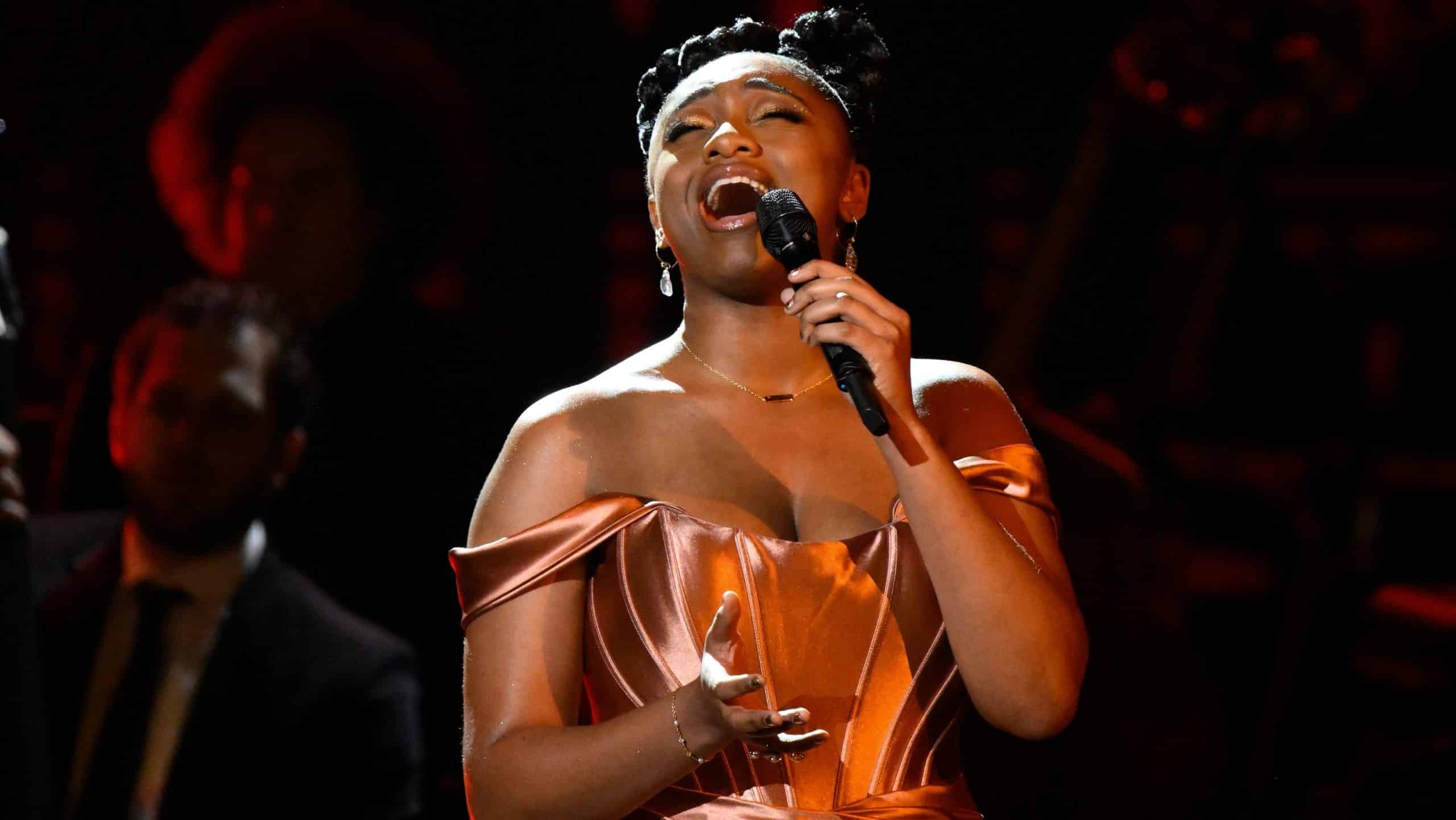
Jazz is more than just music—it’s a feeling, a movement, an expression of life itself. Born in the heart of New Orleans in the early 20th century, jazz has transcended time, culture, and genre, becoming one of the most influential art forms in history. From the smoky clubs of the swing era to the groundbreaking modal experiments of the 1950s and beyond, jazz has gifted the world with melodies and rhythms that stir the soul and ignite the imagination.
In this article, we’re diving headfirst into the vibrant world of jazz to explore 15 of the most iconic and beloved songs ever created. These aren’t just tunes—they’re timeless masterpieces that have defined generations of music lovers. Whether it’s the cool sophistication of Miles Davis, the boundless energy of Benny Goodman, or the spiritual depth of John Coltrane, these tracks represent the very best of what jazz has to offer.
So, grab your favorite drink, dim the lights, and let these legendary songs transport you to another time and place. From hard bop to fusion and everything in between, this list celebrates the enduring power and beauty of jazz. Ready to experience greatness? Let’s dive in!
1. “Take Five” – Dave Brubeck Quartet (1959)
“Take Five,” composed by Paul Desmond and performed by the Dave Brubeck Quartet, is one of the most iconic jazz compositions ever recorded. Released in 1959, this song revolutionized the genre with its groundbreaking 5/4 time signature, something that was virtually unheard of in popular music at the time. The track’s cool, laid-back vibe, underscored by Desmond’s smooth saxophone and Joe Morello’s intricate drum solo, made it an instant classic. The song’s catchy yet complex rhythm captured the spirit of the post-war era—sophisticated, adventurous, and undeniably cool. Featured on the album Time Out, “Take Five” became a flagship for Brubeck’s exploration of unconventional time signatures and a commercial success in a genre not typically associated with mainstream hits. Over the decades, the song has appeared in countless films, advertisements, and playlists, further cementing its place in pop culture. “Take Five” is more than just a jazz standard; it’s a timeless masterpiece that continues to captivate listeners with its unique sound and rhythmic innovation. The track remains a defining moment in jazz history, influencing generations of musicians and listeners alike. It’s a piece of music that stands the test of time, evoking a sense of nostalgia while feeling fresh and exciting even today.
2. “So What” – Miles Davis (1959)
Miles Davis’s 1959 track “So What” is a cornerstone of modern jazz, showcasing his genius for innovation and minimalism. The opening track of the groundbreaking album Kind of Blue, it epitomizes the essence of modal jazz—built around just two scales, yet profoundly impactful. The song’s famous call-and-response intro, driven by Paul Chambers’ steady bassline, sets the stage for Davis’s cool and understated trumpet solo. As the piece unfolds, John Coltrane and Cannonball Adderley take turns adding their own distinct voices, creating a dialogue between the instruments that feels both organic and hypnotic. “So What” is a masterclass in simplicity, allowing space for mood and texture to take center stage rather than complex melodies or fast-paced solos. The relaxed, exploratory vibe of the song transformed jazz by inviting musicians to focus on the emotional and spiritual depth of the music rather than technical prowess alone. Its influence is far-reaching, affecting not only jazz but also rock and experimental music. The song has remained a staple of jazz repertoires and continues to inspire musicians today. “So What” is more than just a song—it’s a defining moment in the evolution of jazz that reshaped the genre and left an indelible mark on music history.
3. “My Favorite Things” – John Coltrane (1961)
John Coltrane’s 1961 version of “My Favorite Things” is one of the most groundbreaking and innovative reimaginings in jazz history. Originally a Broadway show tune, Coltrane transformed it into a modal masterpiece, shifting the melody into new harmonic territories and giving it an exotic, hypnotic quality. Coltrane’s soprano saxophone is at the forefront, weaving through the familiar tune with new complexity, while McCoy Tyner’s shimmering piano chords and Elvin Jones’ dynamic drumming elevate the track into a spiritual and exploratory journey. The song stretches over 13 minutes, a mesmerizing experience of improvisation, where Coltrane shifts between joy, introspection, and transcendence. The piece was featured on the album My Favorite Things, which became a commercial and critical success, expanding Coltrane’s audience far beyond jazz purists. It’s a testament to Coltrane’s mastery of his craft and his ability to turn a familiar melody into something completely fresh and profound. This version of “My Favorite Things” remains a landmark in jazz, influencing countless artists and listeners while standing as one of the genre’s most innovative and emotionally resonant performances. Coltrane’s interpretation forever redefined what jazz could achieve, blending traditional elements with bold new expressions that continue to resonate with audiences today.
4. “What a Wonderful World” – Louis Armstrong (1967)
Louis Armstrong’s 1967 rendition of “What a Wonderful World” is one of the most beloved and enduring songs in popular music. Written by Bob Thiele and George David Weiss, the song blends elements of jazz and pop, yet remains firmly grounded in Armstrong’s iconic gravelly voice. His heartfelt delivery of the lyrics, which celebrate the simple beauties of life—from the color of the sky to the warmth of the trees—captivates listeners with its sincerity and optimism. The lush orchestration, with strings and soft brass accents, creates a tender backdrop for Armstrong’s performance, elevating the message of the song. Though it was initially met with a somewhat muted reception in the United States, it went on to gain widespread global acclaim, eventually becoming one of Armstrong’s signature pieces. The song’s enduring popularity lies in its timelessness and its universal message of gratitude for life’s wonders. Its message of hope, peace, and appreciation for the small joys of existence has resonated with listeners for decades and continues to be embraced by generations. “What a Wonderful World” has become more than just a song; it’s an anthem of positivity, a reminder of the beauty that surrounds us every day, no matter how fleeting or simple it may seem.
5. “Round Midnight” – Thelonious Monk (1944)
“Round Midnight” is one of Thelonious Monk’s most profound and iconic compositions, first recorded in 1944. This haunting ballad has become one of the most recorded jazz standards, with its melancholic melody and unique harmonic structure showcasing Monk’s unparalleled ability to blend dissonance and beauty. The song evokes the stillness and introspection of the late-night hours, offering a sense of longing and melancholy that resonates deeply with listeners. Monk’s original recording stands as the definitive version, with its emotional depth and mysterious aura. Over the years, many jazz greats—including Miles Davis, Chet Baker, and John Coltrane—have put their spin on the song, but Monk’s interpretation remains unmatched. The complexity and beauty of “Round Midnight” make it a timeless piece, and it is often seen as a masterclass in creating atmosphere and emotional impact. Monk’s ability to convey profound emotions with simple, minimalist melodies has made this track a cornerstone of jazz and a testament to his genius. For over seven decades, “Round Midnight” has captivated listeners and musicians alike, standing as a defining moment in jazz history. Monk’s ability to express so much with so little remains a hallmark of his style, and this piece will continue to influence jazz for generations to come.
6. “Birdland” – Weather Report (1977)
“Birdland,” a high-energy fusion jazz anthem by Weather Report, was released in 1977 as part of the album Heavy Weather. Written by keyboardist Joe Zawinul, the track is a tribute to New York’s legendary jazz club, Birdland, and the vibrant spirit of the jazz scene that flourished there. With its infectious groove, driven by the groundbreaking fretless bass of Jaco Pastorius, and complemented by Zawinul’s bright synth melodies and Wayne Shorter’s soaring sax lines, “Birdland” became an instant classic in the fusion genre. The piece blends elements of jazz, funk, and rock, making it a hallmark of the fusion era and a groundbreaking moment in music history. Its catchy, complex arrangements and tight rhythm section made it a crossover hit, gaining mainstream success while still maintaining its jazz integrity. The song’s upbeat, lively feel and intricate musicianship showcase Weather Report at their creative peak, and it remains one of the most enduring and influential jazz fusion pieces ever recorded. “Birdland” captures the essence of the fusion movement, combining complex musicianship with accessible, infectious melodies that continue to resonate with fans of all ages. It’s a testament to the power of collaboration and innovation, showcasing the talents of some of jazz’s greatest musicians at the height of their creativity.
7. “A Love Supreme, Pt. 1: Acknowledgement” – John Coltrane (1965)
“Acknowledgement,” the opening movement of John Coltrane’s spiritual masterpiece A Love Supreme, is a deeply moving and transformative piece of music. Released in 1965, the track marks Coltrane’s exploration of spirituality and self-discovery through music. Built around a simple, repeating bass motif, the song evolves into a meditative journey, with Coltrane’s saxophone soaring and improvising in a way that feels both personal and universal. The chant-like repetition of “A Love Supreme” towards the end adds a layer of spiritual depth, reinforcing the piece’s message of devotion and faith. The track also features the powerful rhythmic support of drummer Elvin Jones and pianist McCoy Tyner, whose contributions provide a dynamic foundation for Coltrane’s expansive improvisation. “Acknowledgement” serves as a profound statement of Coltrane’s artistic and spiritual vision, showcasing his ability to communicate profound emotional and philosophical ideas through music. The track’s impact on jazz and the broader music world is immeasurable, influencing countless artists and reshaping the direction of modern jazz. It remains one of Coltrane’s most revered compositions, a testament to his unparalleled genius and his commitment to exploring the deep, spiritual dimensions of music.
8. “Autumn Leaves” – Cannonball Adderley (1958)
Cannonball Adderley’s 1958 version of “Autumn Leaves,” featured on the album Somethin’ Else, is a quintessential example of hard bop at its finest. With Miles Davis joining him on trumpet, the track features a soulful interplay between Adderley’s smooth alto saxophone and Davis’s emotive trumpet, creating a rich and dynamic sound. The song’s melancholy melody, originally a French chanson, is transformed into a vehicle for beautiful, intricate improvisation, with each musician adding their own voice to the conversation. Adderley’s soulful playing is at the heart of the track, as he navigates through the chord changes with emotional depth and technical precision. The rhythm section, led by bassist Sam Jones and drummer Art Blakey, provides a steady foundation, allowing the soloists to stretch out and explore the song’s emotional landscape. “Autumn Leaves” is a timeless jazz standard, and Adderley’s version remains one of the definitive interpretations of the piece. The track’s delicate balance of technical mastery and emotional expression captures the essence of jazz, making it a classic in the genre and a touchstone for generations of musicians and listeners.
9. “All Blues” – Miles Davis (1959)
“All Blues,” featured on Miles Davis’s iconic Kind of Blue album, is a remarkable 12-bar blues that stands out for its mastery of the modal jazz style. Its slow, flowing tempo and gentle swing evoke a serene, almost meditative quality. The track’s composition, with its subtle yet sophisticated rhythm, creates a canvas for musical exploration. Bill Evans’ nuanced piano accompaniment and Jimmy Cobb’s soft yet steady drumming form the perfect foundation, allowing the melodies of Davis, John Coltrane, and Cannonball Adderley to shine through. Each soloist brings their own distinctive voice, weaving together a harmonious yet exploratory performance. “All Blues” is not only a shining example of modal jazz but also a timeless demonstration of how jazz can be both a deeply personal artistic expression and a shared, communal experience. Its quiet intensity and spontaneous nature make it a defining moment in jazz history, forever cementing its place as a classic.
10. “Sing, Sing, Sing” – Benny Goodman (1936)
Benny Goodman’s 1936 recording of “Sing, Sing, Sing” has come to epitomize the exuberance of the swing era. Written by Louis Prima, Goodman’s version catapulted the song into the jazz stratosphere, with Gene Krupa’s explosive drumming and Goodman’s virtuoso clarinet work driving the performance. The track’s energy is electric, fueled by a relentless rhythm and infectious melodies. The powerful brass and reed sections engage in thrilling call-and-response, while the rhythm section maintains a driving, danceable pulse. “Sing, Sing, Sing” became a mainstay of the big band jazz scene, with its climactic build-ups and spirited solos capturing the essence of an era that was all about dance, joy, and unbridled energy. The song’s dynamic structure and thrilling improvisation helped define the golden age of jazz and remains a defining anthem of the swing era.
11. “Strange Fruit” – Billie Holiday (1939)
Billie Holiday’s haunting rendition of “Strange Fruit,” recorded in 1939, stands as one of the most powerful and poignant songs in the history of American music. Written by teacher Abel Meeropol and first performed by Holiday, the song protests the lynching of African Americans in the South, using stark, unsettling imagery to paint a grim picture of racial injustice. The sparse instrumentation allows Holiday’s voice to take center stage, where it conveys a deep sense of sorrow, anger, and defiance. The simple yet haunting melody heightens the emotional impact of the lyrics, making it one of the most memorable and influential protest songs in music history. “Strange Fruit” transcends its jazz roots to become an anthem of the civil rights movement, resonating with listeners even decades after its release. It is a song that carries with it the weight of history, forever embedded in the American musical consciousness.
12. “Moanin’” – Art Blakey & The Jazz Messengers (1958)
Art Blakey & The Jazz Messengers’ “Moanin’” is a quintessential hard bop track, brimming with gospel influences and bluesy fervor. Composed by pianist Bobby Timmons, this 1958 classic from the album of the same name features an instantly recognizable, soulful piano riff that sets the stage for the band’s spirited improvisations. The tune’s infectious groove and upbeat tempo are powered by Blakey’s dynamic drumming and the spirited horn solos from trumpeter Lee Morgan and saxophonist Benny Golson. “Moanin’” captures the essence of the hard bop movement—joyous, intense, and deeply soulful—bringing together elements of jazz, blues, and gospel. The track’s celebratory mood and rich harmonic structure make it a staple in jazz and a testament to the enduring vitality of the genre. Its infectious energy and playful intensity have made it a timeless favorite, embodying the heart and soul of jazz in the late 1950s.
13. “Freddie Freeloader” – Miles Davis (1959)
From Kind of Blue (1959), “Freddie Freeloader” is a cool, relaxed blues that stands out for its warm, inviting groove. Featuring pianist Wynton Kelly, this track offers a laid-back vibe while still allowing the individual voices of Davis, John Coltrane, and Cannonball Adderley to shine through in their solos. The simplicity of the song’s structure—based on a classic 12-bar blues—provides a perfect platform for the soloists to explore with their signature style. Davis’s lyrical trumpet, Coltrane’s rich tenor saxophone, and Adderley’s lively alto sax create a relaxed, yet deeply creative, conversation. The understated nature of “Freddie Freeloader” shows Davis’s ability to balance accessibility with sophisticated improvisation, making it both a favorite among casual listeners and musicians alike. Its timeless groove, coupled with its seamless interplay, reflects the cool jazz movement at its best.
14. “Cantaloupe Island” – Herbie Hancock (1964)
Herbie Hancock’s “Cantaloupe Island,” from his 1964 album Empyrean Isles, is a groundbreaking fusion of jazz and funk that has influenced generations of musicians across genres. With its infectious piano vamp and funky rhythm, the track captures Hancock’s ability to bridge two worlds—modal jazz and the emerging funk movement. The groove, anchored by Hancock’s piano and complemented by the sharp trumpet of Freddie Hubbard, has a rhythmic drive that makes it irresistible, with the melody remaining catchy and accessible even as it explores intricate improvisation. The song’s rhythmic foundation and catchy motifs have made it a popular track not only for jazz enthusiasts but also for hip-hop producers, with the track’s influence extending far beyond jazz into popular music. Decades after its release, “Cantaloupe Island” remains a genre-defying classic, showcasing Hancock’s innovative approach to jazz and its ongoing impact on the musical landscape.
15. “Misty” – Erroll Garner (1954)
“Misty,” composed and first recorded by Erroll Garner in 1954, is one of jazz’s most beloved ballads, with its lush melody and rich harmonies evoking deep emotion and beauty. Garner’s piano style, characterized by his signature block-chord voicings and rhythmic sensitivity, is central to the song’s timeless appeal. The lushness of the melody, paired with its smooth, fluid structure, allows for endless interpretation by singers and instrumentalists alike. The song has been covered countless times in both jazz and pop circles, with its haunting, romantic qualities making it an enduring standard. “Misty” exemplifies the emotional depth that jazz can convey, blending classical influences with improvisational freedom to create a piece that resonates deeply with listeners. Its romantic elegance and emotional intimacy have made it a lasting favorite, a piece of jazz history that continues to captivate audiences around the world.

Samuel Moore is a frequent contributor to Singers Room. Since 2005, Singersroom has been the voice of R&B around the world. Connect with us via social media below.









