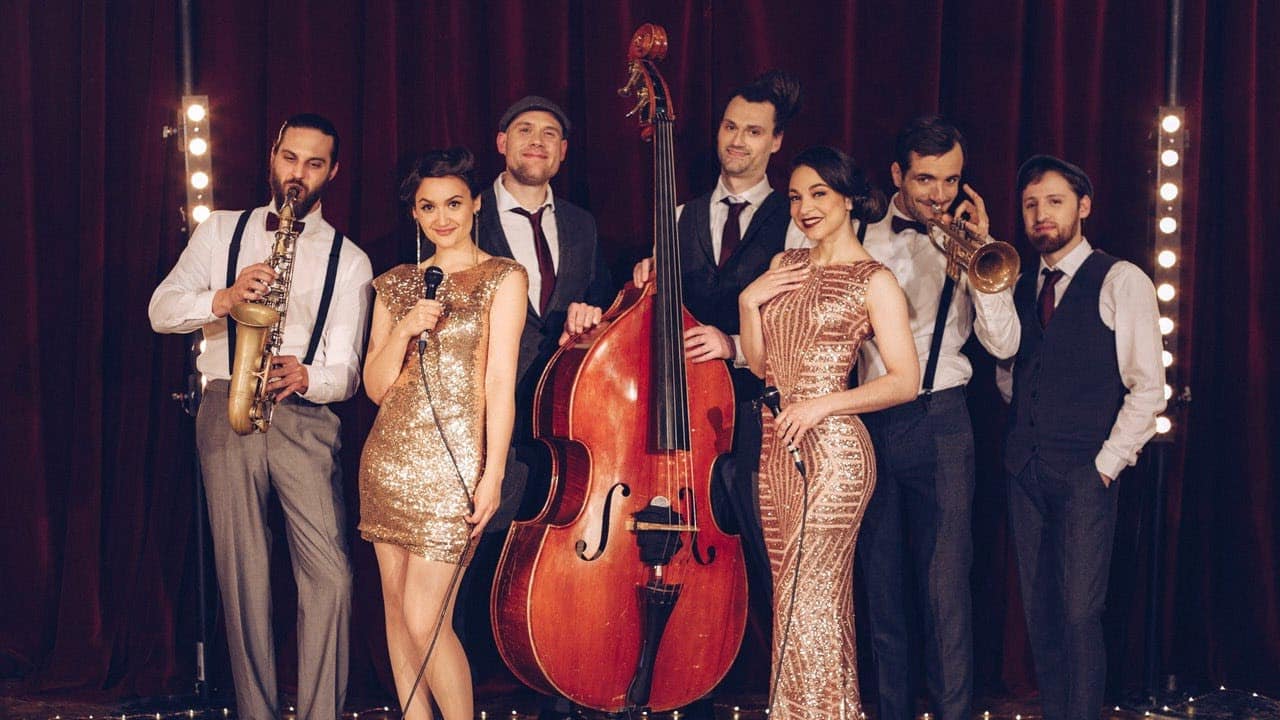
Jazz, a genre that pulsates with emotion and innovation, has captivated listeners for over a century. Born in the vibrant streets of New Orleans and infused with the spirit of improvisation, this musical form transcends boundaries and generations. From the soulful melodies of the blues to the intricate rhythms of bebop, jazz has continually evolved, reflecting the complexities of life itself.
In this exploration of the Top 15 Best Jazz Artists of All Time, we celebrate the legends who have shaped the soundscape of jazz. Each artist brings their unique flair, whether through groundbreaking compositions, virtuosic performances, or transformative collaborations. These musicians have not only defined the genre but have also influenced countless others across various musical styles.
Join us as we delve into the lives and legacies of these iconic figures, whose contributions have left an indelible mark on music history. Whether you’re a seasoned jazz aficionado or a curious newcomer, this list promises to inspire and ignite your passion for the intricate, soulful, and ever-evolving world of jazz. Discover the artists whose notes resonate beyond time, inviting us to experience the magic of jazz anew.
1. Louis Armstrong
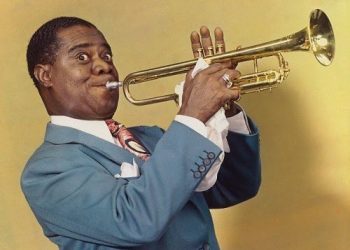
Louis Armstrong, affectionately known as “Satchmo,” was an iconic figure whose influence on jazz and popular music remains unmatched. Emerging in the 1920s, Armstrong’s exceptional trumpet skills, charismatic personality, and soulful voice transformed the landscape of jazz forever. His signature approach to improvisation, blending raw energy with a deep understanding of melody, made him one of the most innovative artists of his time.
Armstrong’s legendary career spanned decades, and his music resonated with audiences worldwide. His songs like “What a Wonderful World” and “Hello, Dolly!” are still celebrated for their ability to combine cheerful melodies with profound emotional depth. “What a Wonderful World” is particularly poignant, with Armstrong’s gravelly voice delivering a message of hope and appreciation for life’s simple beauties. In contrast, “Hello, Dolly!” became a chart-topping hit that showcased Armstrong’s playful side and his unique ability to bring joy to his audience.
One of Armstrong’s key contributions to jazz was his ability to transform it into a popular form of entertainment while maintaining its artistic integrity. His innovative improvisations, remarkable tone on the trumpet, and natural charisma bridged the gap between the sophisticated world of jazz and mainstream audiences. He became not only a cultural icon but also a symbol of the joy and freedom that jazz music can evoke.
Throughout his career, Armstrong worked with some of the greatest musicians of the 20th century, including Ella Fitzgerald, Duke Ellington, and Benny Goodman, further solidifying his status as one of the pillars of jazz. His legacy endures, and his music continues to inspire new generations of artists. Louis Armstrong’s contribution to the world of music, particularly jazz, is immeasurable—making him one of the most influential musicians in history.
2. Duke Ellington
Duke Ellington was not merely a bandleader but a true musical visionary who reshaped the world of jazz. Over the course of his illustrious career, which spanned more than five decades, Ellington’s orchestrations and compositions elevated jazz from its roots in the clubs to a sophisticated and respected art form. His ability to blend elements of classical music, blues, and jazz created a distinctive sound that not only set his orchestra apart but also influenced the direction of jazz itself.
Ellington’s compositions, such as “Mood Indigo” and “It Don’t Mean a Thing (If It Ain’t Got That Swing),” are timeless classics that showcase his genius for melody and arrangement. “Mood Indigo” stands out for its haunting beauty, demonstrating Ellington’s knack for creating lush, atmospheric soundscapes that convey deep emotion. On the other hand, “It Don’t Mean a Thing” is an upbeat, swinging anthem that became a hallmark of his musical style and helped solidify his reputation as one of the greatest jazz composers.
Beyond his composition skills, Ellington was a masterful bandleader who cultivated a roster of talented musicians, including Johnny Hodges, Charles Mingus, and Cootie Williams, among others. His ability to showcase their individual talents while maintaining the integrity of his own vision created a dynamic and cohesive orchestra that became a defining force in jazz. His collaborations with artists like Billie Holiday and Ella Fitzgerald further enhanced his influence, pushing jazz to new heights.
Duke Ellington’s impact on jazz cannot be overstated. His compositions and innovative arrangements helped pave the way for future generations of musicians. His ability to blend complex harmonies with accessible melodies revolutionized jazz and made it an integral part of American cultural history. Even decades after his passing, Ellington’s music continues to be celebrated and remains essential listening for anyone interested in the evolution of jazz.
3. Charlie Parker
Charlie Parker, affectionately known as “Bird,” is considered one of the most influential figures in jazz history. He was the catalyst behind the creation of bebop, a revolutionary style of jazz that emerged in the 1940s. His lightning-fast improvisation, complex harmonies, and mastery of the alto saxophone helped redefine the genre, bringing a level of sophistication and innovation that had never been seen before.
Parker’s classic tracks, such as “Ornithology” and “Ko-Ko,” showcase his incredible technical prowess and his ability to blend intricate melodies with emotional depth. “Ornithology,” a composition that has become a jazz standard, displays Parker’s extraordinary skill in weaving complex patterns and chord changes into a seamless and engaging melody. Meanwhile, “Ko-Ko” is an iconic example of his ability to break away from traditional structures, creating a freer, more expressive form of jazz.
Parker’s influence on other musicians, particularly saxophonists, is immeasurable. His approach to improvisation and his use of complex harmonic structures became the foundation for many jazz musicians who followed. His groundbreaking work in bebop also led to the development of new subgenres of jazz, further expanding the possibilities for future musicians.
However, Parker’s life was also marked by personal struggles, including battles with addiction, which ultimately cut his career short. Despite this, his contributions to the world of jazz are undeniable. His innovative spirit continues to inspire jazz musicians and composers, and his legacy remains a cornerstone of the genre. Charlie Parker’s music pushed jazz to new frontiers, making him a true visionary in the world of music.
4. John Coltrane
John Coltrane was one of the most influential and innovative saxophonists in the history of jazz. His relentless search for new musical horizons led him to explore various styles, including bebop, modal jazz, and avant-garde jazz, constantly pushing the boundaries of what was possible in music. Coltrane’s profound spiritual beliefs were reflected in much of his work, adding a layer of emotional depth and transcendence to his compositions.
Perhaps his most celebrated work, “A Love Supreme,” is a spiritual and musical journey that combines Coltrane’s virtuosic technical ability with his deep emotional and philosophical reflections. The album is a landmark in jazz, demonstrating Coltrane’s mastery of improvisation and his ability to intertwine complex rhythms and harmonies into a cohesive and powerful statement of faith. “Giant Steps,” another monumental album, showcased Coltrane’s technical brilliance and introduced complex chord changes that became a hallmark of his playing style.
Coltrane’s influence on the jazz world is vast. His innovative approach to harmony, particularly his development of the “Coltrane Changes,” redefined jazz improvisation. He was also a key figure in the development of modal jazz, a style that emphasized improvisation based on scales rather than chord progressions. Coltrane’s work continues to inspire musicians across genres, from jazz to rock to classical, due to his daring musical vision and his relentless pursuit of artistic growth.
John Coltrane’s legacy is one of spiritual and musical exploration. His profound contributions to jazz have left an indelible mark on the genre, and his work remains a touchstone for jazz musicians and listeners alike. Coltrane’s music continues to inspire new generations to explore the endless possibilities within the world of jazz.
5. Billie Holiday
Billie Holiday, also known as “Lady Day,” was one of the most profound and emotionally captivating jazz vocalists of all time. Her voice, full of raw emotion and nuanced phrasing, was a reflection of her tumultuous life and unyielding personal struggles. Holiday’s ability to convey deep sorrow, joy, and resilience through her music made her a beloved figure not only in jazz but in American music as a whole. Her interpretations of songs became as iconic as the compositions themselves, with her voice carrying a sense of authenticity that could pierce the heart of anyone listening.
One of Holiday’s most famous songs, “Strange Fruit,” remains one of the most powerful and haunting protest songs ever written. The song, which condemns the lynching of African Americans in the South, showcased Holiday’s ability to use her voice as an instrument of social change. With its somber tone and poignant imagery, “Strange Fruit” is as much a testament to the power of music to speak truth to power as it is a marker of Holiday’s skill as a storyteller.
Another of Holiday’s unforgettable songs is “God Bless the Child,” a song she wrote herself. It’s a beautiful mix of jazz and blues, with Holiday’s voice weaving its way through the poignant lyrics, making the song an anthem of independence and strength. Holiday’s music was always deeply personal, reflecting her own life struggles and triumphs, and this authenticity made her a revered figure in jazz.
Her tragic life story, marked by addiction and personal loss, only served to deepen the emotional impact of her music. Despite the hardships she faced, Billie Holiday’s music continues to resonate with listeners worldwide, ensuring her place as one of the most influential jazz singers in history. Her ability to transform a simple melody into an emotional journey makes her legacy enduring and timeless.
6. Miles Davis
Miles Davis was a jazz visionary whose career spanned several decades and saw the evolution of jazz into a diverse range of subgenres. From the fiery bebop of his early years to the cool, subdued sounds of cool jazz, and eventually to the experimental realms of jazz fusion, Davis was a constant force of innovation. His ability to adapt and push the boundaries of music is part of what made him one of the most influential musicians of the 20th century.
Davis’s 1959 album, Kind of Blue, remains one of the most celebrated jazz recordings of all time. The album is a landmark in modal jazz, and its haunting, timeless melodies showcase Davis’s masterful use of space and improvisation. The unique modal approach, where melodies were based on scales rather than traditional chord progressions, opened up new possibilities for jazz improvisation and influenced countless musicians across genres. Tracks like “So What” and “Freddie Freeloader” continue to be studied for their innovative compositions and the interaction between Davis and his bandmates, including John Coltrane and Cannonball Adderley.
Another groundbreaking album, Bitches Brew, marked Davis’s foray into jazz fusion, where he combined elements of jazz with rock, funk, and electronic music. The album was a bold, adventurous step into uncharted territory and is often cited as one of the key records that helped shape the future of jazz in the 1970s. Davis’s willingness to experiment with new sounds, textures, and rhythms helped redefine what jazz could be, and his collaborations with musicians like Herbie Hancock, Wayne Shorter, and Tony Williams only enhanced the level of creativity within his work.
Miles Davis’s influence extends far beyond jazz. His collaborations with artists from all walks of life helped to bridge the gap between genres and cultures. His innovative spirit, coupled with his ability to reinvent himself throughout his career, solidified Davis’s place as a true icon in the music world.
7. Ella Fitzgerald
Ella Fitzgerald, often called the “First Lady of Song,” is regarded as one of the most technically gifted and versatile jazz vocalists to have ever graced the stage. Her vocal range was remarkable, capable of effortlessly navigating from one note to the next with seamless control and clarity. But it wasn’t just her technical prowess that made Fitzgerald stand out; it was her unique ability to interpret jazz standards with warmth, charm, and a profound emotional connection to the music.
Fitzgerald’s collaborations with Louis Armstrong, particularly on albums like Ella and Louis, brought out the best in both artists, creating a blend of joyful, playful energy with a deep sense of camaraderie. Their renditions of songs like “Summertime” and “A-Tisket, A-Tasket” became instant classics, with Fitzgerald’s impeccable phrasing and Armstrong’s gravelly voice complementing each other perfectly. Fitzgerald’s ability to bring new life to well-known standards set her apart from other vocalists, allowing her to make each song her own.
Perhaps one of Fitzgerald’s most beloved skills was her mastery of scat singing. This improvisational vocal technique, in which she would use nonsense syllables to mimic the sounds of instruments, became one of her trademarks. Her scat solos were nothing short of breathtaking, demonstrating her unparalleled sense of rhythm and creativity. Songs like “How High the Moon” and “One Note Samba” showcase her virtuosity in this area, as she seamlessly integrates her voice with the instrumentalists, creating a dynamic and exciting listening experience.
Throughout her career, Fitzgerald earned countless accolades and awards, but perhaps the greatest recognition came from her lasting influence on the world of jazz. Her recordings continue to be listened to and studied by both aspiring vocalists and jazz enthusiasts, cementing her status as one of the most important figures in jazz history. Ella Fitzgerald’s voice remains one of the most beloved and enduring treasures in the world of music.
8. Thelonious Monk
Thelonious Monk was a true pioneer of jazz, a pianist and composer whose unique approach to harmony, rhythm, and melody left an indelible mark on the genre. Known for his eccentric personality and quirky improvisational style, Monk’s music was as unconventional and unorthodox as his own persona. His approach to jazz was often described as both “out of the box” and “ahead of its time,” and his compositions have become a staple of the jazz repertoire.
Monk’s music, exemplified in songs like “Round Midnight” and “Blue Monk,” was characterized by its dissonant harmonies, unexpected shifts in rhythm, and distinctive use of space. “Round Midnight,” one of his most famous compositions, has been covered by countless jazz artists, but it is Monk’s own interpretation that stands out for its emotive power and haunting simplicity. Similarly, “Blue Monk,” a blues composition, demonstrates his mastery of melody and rhythm, creating a piece that is both playful and introspective.
Monk’s influence on jazz cannot be overstated. His unconventional approach to chord voicings and his ability to create intricate, yet accessible, melodies set him apart from his contemporaries. His work laid the groundwork for future generations of jazz musicians to explore new territory in harmony and improvisation. Despite his sometimes controversial approach to music, Monk’s unique style became a defining feature of the bebop movement.
More than just a musician, Thelonious Monk was a symbol of the rebellious and experimental spirit that has always been a hallmark of jazz. His music invites listeners into a world of creativity, where rules are meant to be broken and where the unexpected is always just around the corner. Through his innovative contributions, Monk ensured that his place in jazz history would remain secure, and his influence continues to inspire musicians to this day.
9. Count Basie
Count Basie was a legendary bandleader and pianist whose contributions to jazz helped define the swing era and continue to influence big band music to this day. With his signature minimalist approach to piano playing and his unmatched sense of rhythm, Basie’s music was known for its infectious groove and energetic style. His ability to bring out the best in his musicians and create a sound that was both tight and full of life made him a defining figure in the history of jazz.
The Count Basie Orchestra, known for its precision and impeccable timing, produced timeless classics such as “One O’Clock Jump” and “April in Paris.” These tracks exemplify Basie’s approach to jazz — a balance of skillful solos and a collective sound that swung with such vigor that it was impossible to stay still. His unique style, often described as “economical” or “spare,” focused on creating maximum impact with minimal effort. In his hands, even the simplest of piano phrases carried weight and meaning.
Basie’s influence was not just limited to his own orchestra. His collaborations with other jazz giants, including vocalist Billie Holiday and saxophonist Lester Young, helped shape the sound of the swing era. The tight, precise arrangements of the Basie Orchestra, paired with the improvisational freedom of its soloists, set a standard for big bands that has lasted for generations. Basie’s role as a bandleader was pivotal — he knew how to bring out the best in his musicians, making his orchestra one of the most sought-after ensembles of its time.
His ability to blend blues and jazz elements created a unique sound that was both accessible and sophisticated. Count Basie’s legacy as a performer, bandleader, and innovator in jazz continues to resonate today. His contributions to the development of jazz big band music are immeasurable, and his enduring influence ensures his place as one of the giants of jazz history.
10. Sarah Vaughan
Sarah Vaughan, often referred to as “Sassy,” was a jazz vocalist whose voice is considered one of the most beautiful and technically accomplished in the history of jazz. With a vocal range that spanned several octaves and a unique ability to blend sweetness with a rich, deep resonance, Vaughan’s voice was the perfect instrument for jazz. Her singing was both sophisticated and emotionally compelling, making her a beloved figure in the world of jazz and beyond.
Vaughan’s career began in the 1940s, and she quickly became known for her powerful yet delicate delivery of jazz standards. Her rendition of songs like “Misty” and “Summertime” are iconic, showcasing her remarkable ability to infuse each phrase with emotional depth and musical precision. “Misty,” in particular, has become one of her signature songs. Her phrasing in the song, combined with the tenderness in her voice, evokes the romantic and nostalgic emotions at the heart of the composition.
What set Vaughan apart from other jazz singers was her ability to effortlessly switch between different vocal styles. She could croon with sweetness in one moment and belt with dramatic intensity in the next. This versatility allowed her to excel in a wide range of jazz subgenres, from bebop to ballads, and her ability to improvise vocally was comparable to the improvisational skills of instrumental jazz musicians. Her scat singing, often a hallmark of her performances, added an extra layer of spontaneity and excitement to her live shows.
Throughout her career, Vaughan recorded numerous albums and became a major influence on countless jazz vocalists who followed in her footsteps. Her work with jazz greats like Clifford Brown and Miles Davis further cemented her status as one of the all-time greats in jazz. Vaughan’s voice, with its warmth, technical brilliance, and emotional power, continues to inspire jazz singers today, ensuring her legacy as one of the finest vocalists in the genre’s history.
11. Chet Baker
Chet Baker was one of the most influential and distinctive jazz trumpeters of the 1950s and ’60s, known for his emotive, lyrical playing and smooth, melancholic vocal style. His work on the West Coast jazz scene made him a beloved figure among jazz enthusiasts, with his tender approach to both trumpet and vocals setting him apart from his peers. Baker’s unique sound, characterized by his ability to play with subtlety and emotion, made his performances deeply personal and moving.
Baker’s trumpeting was marked by its smooth, almost fragile tone, and his solos were often filled with poignant pauses and reflective phrasing. His performances on tracks like “My Funny Valentine” and “Let’s Get Lost” are emblematic of his style. These songs, filled with a sense of yearning and vulnerability, showcase his ability to convey emotional depth through his instrument. The way he phrases each note, with careful consideration and tenderness, creates an intimacy that draws listeners in, allowing them to feel the very essence of the music.
While Baker was primarily known for his trumpet playing, he was also a gifted vocalist. His voice, with its haunting quality and understated delivery, perfectly complemented his instrumental style. On songs like “But Not For Me” and “I Fall in Love Too Easily,” Baker’s voice carries a sense of longing and sadness that mirrors the tone of his trumpet playing. His ability to blend the two, making his trumpet and voice seem like extensions of the same emotion, was one of his greatest strengths.
Baker’s tragic life story — marked by personal struggles, addiction, and an untimely death — only added to the poignancy of his music. His performances, filled with melancholy and introspection, became a reflection of his own life, making his music all the more compelling. Despite the challenges he faced, Chet Baker’s legacy as both a trumpeter and vocalist remains a defining influence in the world of jazz. His tender, intimate sound continues to captivate listeners, ensuring his place in jazz history.
12. Herbie Hancock
Herbie Hancock is a jazz icon whose groundbreaking contributions to the genre have shaped the evolution of jazz, jazz fusion, and beyond. A pianist, composer, and bandleader, Hancock’s career spans decades, and his work has consistently pushed the boundaries of what jazz can be. His ability to blend jazz with other genres, including funk, rock, and electronic music, has made him a key figure in modern jazz, and his work continues to influence musicians across genres.
Hancock’s early career was closely tied to his work with Miles Davis in the 1960s, most notably on the iconic album Kind of Blue. His innovative use of the piano and his mastery of modal jazz techniques helped to define the sound of the album. However, Hancock’s own career truly took off when he embraced the fusion movement of the 1970s, blending jazz with electric instruments and funk grooves. Albums like Head Hunters and Future Shock showcased his ability to merge these disparate elements, creating a fresh sound that resonated with both jazz purists and mainstream audiences.
One of Hancock’s most notable achievements was his ability to embrace technology and electronic music. His album Future Shock, which featured the hit track “Rockit,” marked one of the earliest successful fusions of jazz with hip-hop and electronic music, bringing jazz to a new generation of listeners. His work with synthesizers, drum machines, and other electronic instruments allowed him to create a new sound that was simultaneously futuristic and deeply rooted in jazz traditions.
Herbie Hancock’s continued relevance in the music world is a testament to his versatility, innovation, and willingness to experiment. Whether playing acoustic or electric, leading small groups or large ensembles, Hancock has remained one of the most dynamic and influential forces in contemporary music. His ability to consistently adapt to new trends while maintaining his core jazz sensibilities ensures that his place in the jazz pantheon remains secure.
13. Ornette Coleman
Ornette Coleman was one of the most revolutionary figures in jazz history, known for his pioneering work in the development of free jazz. His approach to music broke traditional boundaries and challenged conventional ideas about harmony, rhythm, and structure. Coleman’s bold, unorthodox style not only changed the sound of jazz but also opened up new possibilities for improvisation and creativity within the genre. His compositions and performances are celebrated for their daring spirit and profound impact on the evolution of jazz.
Coleman’s groundbreaking album The Shape of Jazz to Come (1959) is considered one of the defining works of the free jazz movement. It was on this album that Coleman famously dispensed with conventional chord changes and instead emphasized improvisation and collective interaction between musicians. The absence of a structured harmonic framework was controversial at the time, but it became a pivotal moment in jazz history, influencing countless musicians who would follow in Coleman’s footsteps.
The essence of Coleman’s music was rooted in freedom—freedom of expression, freedom from tradition, and the freedom to explore new ideas. His unconventional use of melody, dissonance, and phrasing created a unique sound that was at once chaotic and deeply emotional. Tracks like “Lonely Woman” and “Free Jazz” are emblematic of his ability to evoke powerful emotions through unconventional means, leaving listeners in a state of wonder and reflection.
Coleman’s contributions went beyond his innovative saxophone playing. His leadership of groups like the Ornette Coleman Quartet, which included legendary musicians like Don Cherry and Charlie Haden, helped to redefine the role of the ensemble in jazz. His music was not just about individual virtuosity but about collective improvisation and collaboration. Coleman’s work encouraged a more open, fluid approach to jazz, one where the boundaries between composition and improvisation became increasingly blurred.
Despite the controversy surrounding his unconventional approach, Ornette Coleman’s impact on jazz is undeniable. His work has inspired generations of musicians, and his role in shaping the direction of modern jazz ensures that his legacy will continue to influence the genre for years to come.
14. Wynton Marsalis
Wynton Marsalis is one of the most influential jazz musicians of his generation, known for his virtuosic trumpet playing, his deep understanding of jazz history, and his ability to seamlessly blend tradition with innovation. As a composer, educator, and bandleader, Marsalis has dedicated his career to preserving the rich legacy of jazz while simultaneously pushing its boundaries. His mastery of both classical and jazz trumpet playing has made him a standout figure in the jazz world, earning him critical acclaim, multiple Grammy Awards, and a devoted following.
Marsalis first rose to prominence in the 1980s as a member of the legendary jazz ensemble, the Jazz at Lincoln Center Orchestra, where he quickly established himself as one of the leading voices in modern jazz. His early albums, like Black Codes (From the Underground) and Kind of Blue, showcase his exceptional technique and his ability to lead complex, high-energy performances that mix intricate harmonies with soulful improvisation.
Marsalis’s work is characterized by its reverence for the past and its commitment to pushing jazz forward. His compositions often draw on the rich history of jazz, incorporating elements from the music of early greats like Louis Armstrong, Duke Ellington, and Miles Davis. However, he is also known for his willingness to experiment with new sounds and ideas. His albums like The Majesty of the Blues and Citi Movement exemplify his ability to blend traditional jazz elements with contemporary influences, keeping the genre fresh and vibrant.
In addition to his work as a performer and composer, Marsalis has been a passionate advocate for jazz education. As the artistic director of the Jazz at Lincoln Center Orchestra and a tireless educator, he has dedicated much of his career to preserving and promoting the legacy of jazz. His work in educating young musicians and ensuring the next generation’s understanding of jazz history has helped solidify his place as a leading figure in the jazz community.
Marsalis’s dedication to jazz, both as an artist and as an educator, has made him a vital force in the genre’s continued evolution. His contributions to the development of modern jazz ensure that his legacy will continue to inspire future generations of musicians.
15. Chick Corea
Chick Corea was a groundbreaking pianist and composer whose work in jazz fusion, Latin jazz, and contemporary music made him one of the most influential and innovative musicians of his time. Known for his virtuosic playing, adventurous compositions, and ability to seamlessly blend different musical genres, Corea’s contributions to jazz have left an indelible mark on the genre. Over his long and prolific career, Corea collaborated with countless jazz legends and helped shape the sound of modern jazz.
Corea first rose to prominence in the 1960s as a member of Miles Davis’s groundbreaking Second Great Quintet, contributing to some of the most influential albums in jazz history, including In a Silent Way and Bitches Brew. His work with Davis introduced him to the world of jazz fusion, a genre that blends jazz with rock, funk, and electronic music. Corea’s own work in fusion, particularly with his band Return to Forever, helped to define the genre. Albums like Light as a Feather and Romantic Warrior are landmarks in jazz fusion, showcasing Corea’s ability to fuse Latin rhythms, rock grooves, and sophisticated jazz harmonies.
In addition to his fusion work, Corea was a prominent figure in Latin jazz, incorporating Afro-Cuban rhythms and melodies into his compositions. His love for Latin music is evident in albums like My Spanish Heart and The Mad Hatter, which combine elements of jazz with flamenco, bossa nova, and other Latin music traditions.
Corea’s career was also marked by his constant willingness to evolve. He was never content to rest on his laurels, continuously exploring new musical territories. His collaborations with other jazz giants, including John McLaughlin, Stanley Clarke, and Herbie Hancock, produced groundbreaking music that transcended genre boundaries. Corea’s ability to move fluidly between acoustic and electric pianos, his use of synthesizers, and his command of complex rhythmic patterns ensured his place as one of the most versatile and innovative musicians of his generation.
Chick Corea’s legacy as a composer, performer, and innovator is unparalleled. His music, rich with creativity and technical brilliance, continues to inspire musicians in jazz and beyond. His contributions to the development of jazz fusion and Latin jazz, along with his dedication to pushing the limits of musical expression, cement his place as one of the greatest jazz musicians in history.

Edward Tomlin is a frequent contributor to Singers Room. Since 2005, Singersroom has been the voice of R&B around the world. Connect with us via social media below.