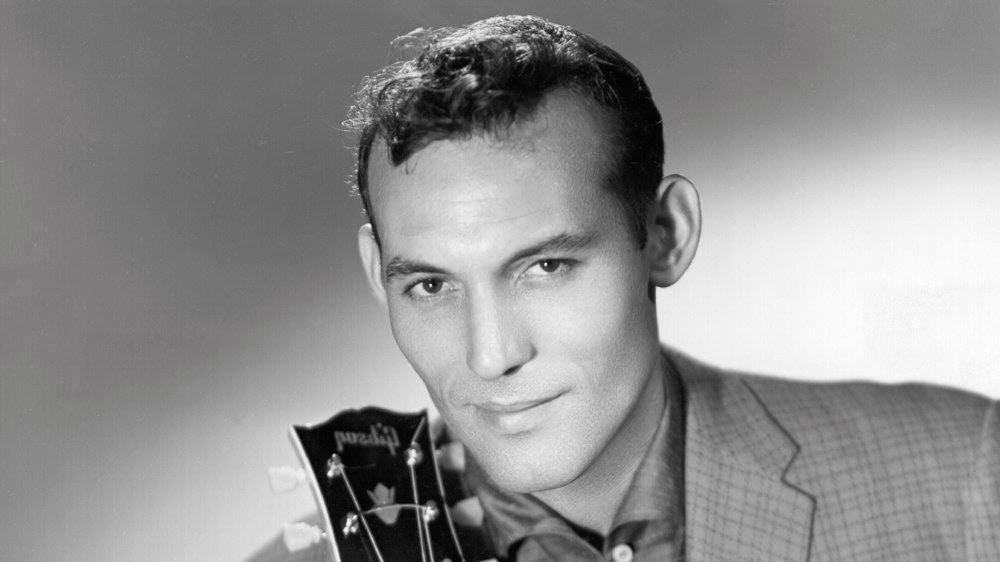
Carl Perkins, the legendary rockabilly pioneer, has left an indelible mark on the music world with his electrifying guitar riffs and heartfelt lyrics. Often hailed as the “Father of Rockabilly,” Perkins not only shaped the sound of the 1950s but also influenced countless artists who followed in his footsteps. His unique blend of country, blues, and rock ‘n’ roll gave rise to timeless classics that continue to resonate with fans across generations.
In this article, we delve into the top 10 most popular Carl Perkins songs of all time, showcasing the tracks that defined his stellar career and solidified his legacy. From the infectious energy of “Blue Suede Shoes,” which catapulted him to fame, to the poignant storytelling found in “Daddy Sang Bass,” each song captures the essence of Perkins’s artistry.
Join us as we explore the magic behind these iconic tunes, unraveling the stories and emotions they convey. Whether you’re a lifelong fan or a newcomer to Perkins’s music, this list promises to ignite your passion for rockabilly and celebrate the extraordinary talent of one of music’s true greats. Get ready to tap your feet and sing along as we take a musical journey through Carl Perkins’s greatest hits!
1. “Blue Suede Shoes” (1956)
“Blue Suede Shoes” is not just a song; it’s an anthem, a cultural milestone that captured the rebellious spirit of the 1950s. Released in 1956, Carl Perkins’s rockabilly classic quickly became one of his most iconic songs, transcending its genre to become a symbol of youthful defiance. The song’s catchy chorus, with its famous line, “Don’t step on my blue suede shoes,” immediately struck a chord with listeners who were eager to express their individuality and embrace a new, more liberated way of thinking. The imagery of the blue suede shoes, which represented something precious and personal, resonated with those seeking freedom and self-expression in a rapidly changing world. Perkins’s crisp guitar riff, combined with his charismatic vocals, creates an energy that’s impossible to ignore. The upbeat rhythm and infectious energy of “Blue Suede Shoes” quickly turned it into a crowd favorite, setting the tone for what would become one of the defining sounds of rockabilly. Elvis Presley, who later covered the song, helped cement its place in music history, broadening its reach and making it a timeless hit. “Blue Suede Shoes” is more than just a song; it’s a reflection of an era, a rallying cry for anyone who wanted to break free from tradition and embrace a new world of personal freedom and self-expression. The song’s upbeat tempo and punchy guitar licks continue to get audiences moving today, making it an evergreen classic that will always hold a special place in the heart of rock and roll.
2. “Honey Don’t” (1956)
Released in 1956, “Honey Don’t” captures Carl Perkins’s unique ability to blend playful storytelling with catchy rockabilly rhythms. The song is a lively and humorous take on a complicated love story, with Perkins pleading with his lover, “Honey, don’t” leave him or cause any more heartache. The upbeat tempo and twangy guitar riffs create a playful atmosphere, making it the perfect track to dance to at any rockabilly show. Perkins’s smooth, yet impassioned vocals bring the lyrics to life, delivering both frustration and charm in equal measure. The song is a wonderful showcase of Perkins’s talent for crafting catchy tunes with relatable, down-to-earth lyrics. While it might sound lighthearted on the surface, “Honey Don’t” also speaks to the complexities of relationships, making it resonate with anyone who has ever experienced the ups and downs of love. The song features Perkins’s signature upbeat guitar, alongside a driving rhythm section that pushes the tempo forward with irresistible energy. This track also highlights Perkins’s versatility as a performer, as he delivers the lyrics with both humor and sincerity, showing a deep understanding of the human condition. “Honey Don’t” remains a beloved classic in the rockabilly genre, as its charm and catchy nature continue to engage listeners decades after its release. It’s a perfect example of Perkins’s ability to combine storytelling and musicality in a way that feels both fun and emotionally relatable, making it a song that still brings joy to fans of all ages.
3. “Boppin’ the Blues” (1956)
“Boppin’ the Blues” is a high-energy celebration of rhythm and movement that perfectly encapsulates the spirit of rockabilly. Released in 1956, this track is an exuberant call to dance, featuring an infectious rhythm that drives the song forward with an irresistible force. The upbeat tempo and vibrant guitar work highlight Carl Perkins’s mastery of the genre, making the song an undeniable invitation to join in on the fun of boppin’ along to the music. The lyrics, though simple, express a carefree attitude toward life, as Perkins invites listeners to embrace the rhythm and enjoy the moment. It’s a song that radiates joy, and from the very first note, the track pulls listeners in with its driving beat and lively instrumentation. Perkins’s guitar playing here is electric—sharp, crisp, and full of life—showcasing his influence on the rockabilly genre and his ability to energize a room with just a few chords. The combination of the up-tempo beat and the celebratory lyrics makes “Boppin’ the Blues” a song that will keep you tapping your feet and moving to the groove. With its infectious rhythm and easygoing vibe, the song perfectly captures the spirit of the 1950s rockabilly scene, where dancing and having a good time were paramount. The track is a prime example of Perkins’s ability to blend joy with musical sophistication, creating a tune that is as fun to listen to today as it was back when it was first released. “Boppin’ the Blues” is a staple in rockabilly history, a song that captures the carefree energy of youth and the excitement of live music.
4. “Dixie Bop” (1957)
“Dixie Bop,” released in 1957, is a delightful fusion of rockabilly and traditional country influences. The song exudes a charm that is unmistakably Southern, with a rhythm and melody that feel both familiar and celebratory. Perkins’s vocal delivery is warm and sincere, as he invites listeners to join in on a joyous gathering that reflects the spirit of the South. With its catchy chorus and upbeat tempo, “Dixie Bop” paints a picture of a carefree celebration, full of laughter, music, and dancing. The instrumentation is rich with twangy guitars, driving percussion, and a rhythm section that keeps the energy high and moving forward. The song’s essence is rooted in the Southern traditions that shaped Perkins’s musical upbringing, yet it remains vibrant and fresh, thanks to his innovative approach to blending genres. “Dixie Bop” is an ode to the warmth and camaraderie that characterized many Southern social gatherings, where music was the heartbeat of the community. Perkins’s seamless fusion of rockabilly with country elements helped him carve out a unique niche within the American musical landscape. This track highlights his versatility, as he effortlessly blends the storytelling tradition of country music with the driving energy of rockabilly, creating a sound that is both nostalgic and timeless. “Dixie Bop” is a song that showcases Perkins’s deep connection to his roots while also exemplifying his ability to adapt and innovate within the rockabilly genre. It’s a joyful, feel-good track that invites listeners to revel in the simple pleasures of life, reminding us all of the power of music to bring people together.
5. “Movie Magg” (1957)
“Movie Magg,” released in 1957, is a whimsical, cinematic tribute to the power of romance and the magic of the silver screen. With its catchy melody and playful lyrics, the song conjures images of starry-eyed lovers and the kind of dreamy romance often seen in classic films. The track has an infectious energy, with a fast-paced rhythm and lighthearted instrumentation that reflect the carefree nature of young love. Perkins’s vocals are smooth and engaging, perfectly capturing the spirit of nostalgia that defines the song. “Movie Magg” transports listeners to an era when going to the movies was an escape into a world of glamour, romance, and adventure. The lyrics tell the story of a romance inspired by the characters and stories seen on the big screen, giving the song a timeless quality that resonates with anyone who has ever experienced the fantasy of falling in love. The song’s upbeat tempo and lively rhythm section create a sense of movement, evoking images of dancing and spinning around in a glamorous, movie-inspired world. Perkins’s ability to weave storytelling into his music shines through here, as the song captures the optimism and excitement of youth, as well as the belief in the possibility of fairytale-like romance. “Movie Magg” is a fun, energetic track that continues to evoke feelings of nostalgia for both the golden age of rockabilly and the golden age of Hollywood. It’s a song that not only pays homage to the movies but also captures the essence of youthful idealism and the allure of love that transcends time.
6. “That’s Right” (1958)
Released in 1958, “That’s Right” marks a confident and stylish turn in Carl Perkins’s rockabilly career. This song exudes swagger, showcasing Perkins’s growing confidence as an artist and his ability to embrace the dynamic energy of the era. The track features punchy, rhythmic guitar riffs paired with an upbeat tempo that immediately engages listeners. Perkins’s vocals are assertive, and his delivery is both playful and commanding, making “That’s Right” an irresistible sing-along anthem. The song’s catchy refrain, which repeats the words “That’s right,” becomes an earworm that sticks with you long after the song ends. The track’s infectious energy is driven by its driving rhythm section, and Perkins’s sharp guitar work, which perfectly complements the bold, self-assured lyrics. “That’s Right” epitomizes the evolution of Perkins as an artist, blending the raw energy of rockabilly with a more polished and confident sound. The track feels both timeless and contemporary for its time, embodying the spirit of the late 1950s, a period filled with youthful rebellion and a craving for new sounds. “That’s Right” remains a testament to Perkins’s ability to craft songs that blend fun and excitement with a sense of authenticity and personal style. The song reflects his versatility and growth as a musician, while still staying true to the core elements of rockabilly that made him a household name. It’s a track that never fails to get people moving, making it a classic that continues to resonate with fans of all generations.
7. “Everybody’s Trying to Be My Baby” (1956)
“Everybody’s Trying to Be My Baby” is an exuberant, feel-good track released in 1956 that perfectly captures the fun and carefree vibe of rockabilly. With its lively beat and catchy chorus, the song tells the tale of a man enjoying the attention he’s receiving from all the women around him. Perkins’s delivery is playful and energetic, injecting the song with a sense of humor and lightheartedness that makes it easy to connect with. The driving rhythm, combined with Perkins’s sharp guitar work, creates a joyful atmosphere that invites listeners to dance along. The song embodies the excitement and youthful confidence of the 1950s, a time when rock and roll music gave rise to a new generation that embraced freedom, self-expression, and fun. “Everybody’s Trying to Be My Baby” became a favorite at live shows, as its upbeat tempo and catchy melody made it a crowd-pleaser. Perkins’s vocals are charismatic and full of charm, effectively conveying the thrill of being in the spotlight and the joy of being admired. The track’s simplicity in both lyrics and melody contributes to its charm, as the focus is on the infectious energy that comes from the music itself. The song’s blend of upbeat rockabilly rhythms and playful storytelling makes it a timeless classic that still resonates with audiences today. “Everybody’s Trying to Be My Baby” stands as a testament to Perkins’s ability to craft songs that are fun, energetic, and always guaranteed to get listeners to smile and move to the beat.
8. “Let the Good Times Roll” (1956)
“Let the Good Times Roll,” released in 1956, is the epitome of a celebration in musical form. This track radiates joy and exudes an infectious sense of optimism, making it a perennial party anthem. Perkins’s soulful vocals, paired with a swinging rhythm, create an irresistible urge to get up and dance, leaving listeners no choice but to join in the fun. The song’s message is simple but timeless: enjoy the moment and make the most of the good times while they last. With its upbeat tempo and jubilant vibe, “Let the Good Times Roll” captures the essence of what it means to live in the present and savor life’s joyful moments. The lively instrumentation, highlighted by Perkins’s crisp guitar work and a steady rhythm section, drives the track forward with unstoppable energy. The call-and-response style of the chorus invites listeners to sing along, creating a sense of unity and camaraderie. “Let the Good Times Roll” is not just a song—it’s an experience. Its playful and celebratory tone makes it a staple of rockabilly and a song that continues to be embraced by fans of all ages. The track’s message of enjoying life’s pleasures is as relevant today as it was when it was first released, making it a song that transcends generations. Whether played at a party, a concert, or just in the background of a lively gathering, “Let the Good Times Roll” reminds us all to make the most of the good times and dance to the beat of life.
9. “Daddy Sang Bass” (1968)
“Daddy Sang Bass,” released in 1968, offers a heartfelt reflection on family, music, and the bonds that tie us together. In this track, Carl Perkins reflects on the joy of singing in harmony and the way music has the power to bring people closer. The song’s rich harmonies and the warmth of Perkins’s vocals evoke a deep sense of nostalgia and love, drawing from the traditional gospel and country music that shaped his upbringing. The lyrics tell the story of a family gathering where the music flows freely, creating an atmosphere of unity and celebration. Perkins’s voice is soulful and emotional, conveying the deep connection he feels to both his family and the power of music itself. The song’s instrumentation is simple but effective, using a gentle rhythm and harmonious backing vocals to reinforce the themes of togetherness and warmth. “Daddy Sang Bass” also reflects a significant shift in Perkins’s career, as it marks a move toward a more mature, introspective sound, one that’s grounded in his personal experiences and the values of family and faith. The track is a poignant reminder of the lasting power of music to connect people across generations. “Daddy Sang Bass” stands as a testament to Perkins’s ability to adapt his sound while still staying true to his roots. It’s a tender and moving tribute to the role that family and music play in shaping who we are, making it a cherished part of Perkins’s discography and an emotional highlight of his later work.
10. “Your True Love” (1957)
“Your True Love,” released in 1957, is one of Carl Perkins’s most tender and heartfelt ballads. This song is a beautiful declaration of love, with Perkins’s smooth, emotional delivery perfectly capturing the vulnerability and longing that come with romantic devotion. The lyrics tell the story of a man who is deeply in love and willing to give everything for his partner, expressing the depth of his commitment. The gentle guitar work and soft rhythm give the song a tender, almost intimate feeling, allowing Perkins’s vocals to shine with pure emotion. The track stands out from Perkins’s usual upbeat rockabilly style, offering a slower tempo that allows listeners to absorb the heartfelt sentiment in every note. “Your True Love” is a reflection on love’s power to transform and define one’s life, making it a relatable song for anyone who has ever experienced the highs and lows of romantic relationships. The song’s emotional depth is matched by its beautiful melody, which flows seamlessly with Perkins’s tender voice, creating a moment of introspection and emotional connection. “Your True Love” remains a timeless classic, showcasing Perkins’s ability to evoke deep emotions through his music. It is a powerful reminder of the strength and beauty of love, and it holds a special place in the hearts of fans who appreciate Perkins’s versatility as an artist and his ability to craft songs that resonate on a personal level. The song’s sincerity and emotional depth make it a standout track in Perkins’s extensive catalog.

Edward Tomlin is a frequent contributor to Singers Room. Since 2005, Singersroom has been the voice of R&B around the world. Connect with us via social media below.







