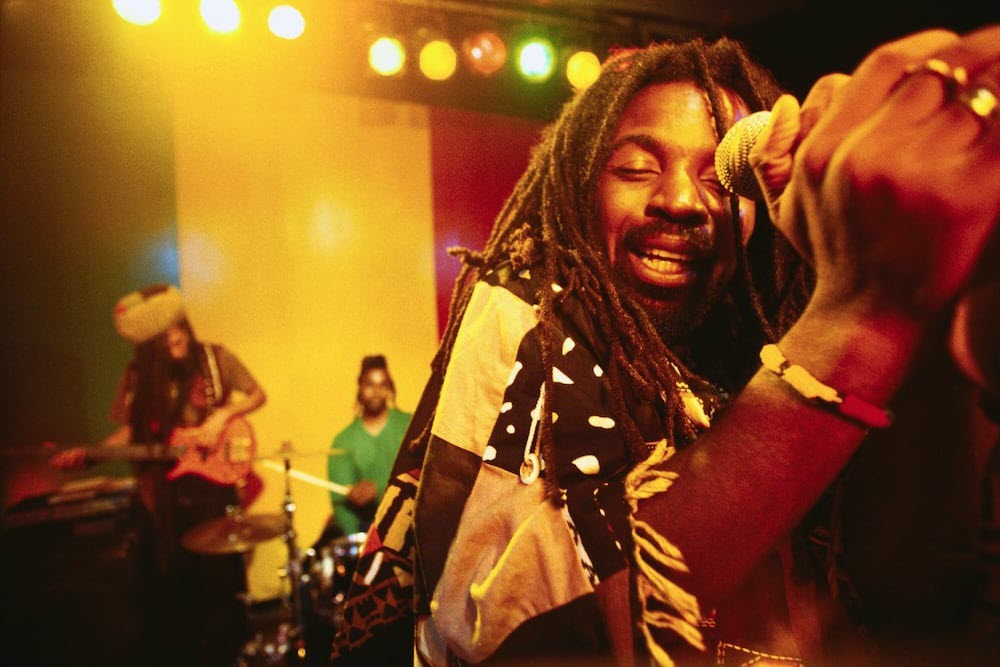
Reggae music is more than just a genre — it’s a cultural movement, a heartbeat of resistance, love, and unity that has transcended borders and generations. Born in Jamaica in the late 1960s, reggae quickly evolved into a global phenomenon, blending infectious rhythms with powerful messages of hope and social justice. From the soulful calls for liberation by Bob Marley to the uplifting melodies of Jimmy Cliff, reggae has left an indelible mark on music history. Its syncopated beats and heartfelt lyrics have inspired millions, becoming the soundtrack to revolutions, celebrations, and introspection alike.
In this article, we’re diving into the top 15 most popular reggae songs of all time — timeless classics that have defined the genre and captured the hearts of listeners worldwide. These tracks aren’t just songs; they’re masterpieces that embody the soul of reggae, offering messages of love, resilience, and unity that remain as relevant today as when they were first released. Whether you’re a lifelong fan or new to reggae, this list will take you on a journey through the roots and rhythms of a genre that continues to influence and inspire. So turn up the volume, feel the groove, and let the spirit of reggae transport you!
1. “No Woman, No Cry” – Bob Marley & The Wailers (1974)
Released in 1974 on the Natty Dread album, “No Woman, No Cry” has become one of the most beloved reggae anthems of all time. The song reflects Bob Marley’s early life in Trenchtown, Jamaica, painting a poignant picture of the struggles and triumphs that shaped his music. While the studio version is stirring in its own right, it’s the live rendition from the 1975 Live! album that truly captures the song’s emotional depth. Marley’s soulful, heartfelt delivery creates a raw, powerful atmosphere that resonates with listeners. The lyrics speak of enduring hardship with hope, and the iconic refrain, “Everything’s gonna be alright,” has served as a message of comfort and resilience for generations. Its universal theme of perseverance and optimism has cemented “No Woman, No Cry” as a timeless classic that continues to inspire people worldwide.
2. “One Love/People Get Ready” – Bob Marley & The Wailers (1977)
A standout track from the 1977 Exodus album, “One Love/People Get Ready” is a jubilant celebration of unity and peace. Drawing inspiration from Curtis Mayfield’s gospel classic “People Get Ready,” Marley infused the song with his signature reggae rhythm, blending it seamlessly with a message of hope and love. The song’s upbeat, infectious harmonies and Marley’s charismatic vocals make it an anthem that transcends boundaries—cultural, generational, and geographical. Whether you’re in a bustling city or a quiet village, the song’s timeless message of harmony and togetherness resonates deeply. “One Love/People Get Ready” has become a global symbol for peace, with its uplifting spirit and universal appeal making it one of Marley’s most influential tracks.
3. “Buffalo Soldier” – Bob Marley & The Wailers (1983)
Released posthumously in 1983, “Buffalo Soldier” is one of Bob Marley’s most powerful and politically charged songs. The track recounts the story of African American soldiers who were forced to fight in the U.S. Cavalry during the 19th century, despite their oppression. With its unforgettable hook, “Woy yoy yoy,” and a steady, driving reggae rhythm, the song serves as both a protest anthem and a history lesson. Marley’s lyrics highlight the resilience and struggle of these soldiers, giving voice to a dark chapter of American history. The song’s infectious melody and powerful message have ensured that it remains a reggae staple, continuing to resonate with listeners today. Through “Buffalo Soldier,” Marley not only offers a poignant reminder of history but also calls for reflection and change, making it a timeless and important piece of music.
4. “Three Little Birds” – Bob Marley & The Wailers (1977)
A shining beacon of positivity, “Three Little Birds,” from the 1977 Exodus album, is one of Bob Marley’s most beloved songs. The track, with its breezy melody and infectious rhythm, conveys a message of reassurance and optimism. Inspired by the birds that frequented Marley’s home in Jamaica, the song encourages listeners to trust the natural flow of life and to not worry about the challenges they may face. The carefree, upbeat vibe of “Three Little Birds,” paired with its universally uplifting lyrics, has made it an enduring anthem for hope and peace of mind. Its iconic chorus, “Don’t worry about a thing,” continues to serve as a reminder that, despite the difficulties we may encounter, everything will ultimately work out. Whether played at a summer gathering or in quiet reflection, the song’s simple yet profound message resonates with anyone seeking a reminder to stay positive.
5. “Redemption Song” – Bob Marley & The Wailers (1980)
One of Bob Marley’s most powerful and introspective works, “Redemption Song” from the Uprising album (1980) stands apart from his typical reggae style. Stripped down to just Marley’s voice and acoustic guitar, this ballad delivers a deeply personal message of freedom and self-liberation. Drawing on the speeches of Marcus Garvey, Marley urges listeners to “emancipate yourself from mental slavery,” calling for both physical and mental freedom. The raw, intimate delivery of the song makes it feel like a one-on-one conversation with the listener, urging them to seek personal redemption. The song’s powerful lyrics and minimalist approach elevate its message, making it a spiritual and revolutionary masterpiece that resonates beyond the confines of music. “Redemption Song” has become an anthem for social change and personal growth, cementing its place as one of Marley’s most influential works.
6. “The Harder They Come” – Jimmy Cliff (1972)
“The Harder They Come” became a defining song in the global rise of reggae music. Released as the title track for the 1972 film of the same name, Jimmy Cliff’s anthem of resistance and resilience resonated far beyond Jamaica. The song’s message, captured in the line, “The harder they come, the harder they fall,” speaks to the struggles of the oppressed, emphasizing the power of perseverance and strength in the face of adversity. Cliff’s commanding voice and the infectious rhythm of the track made it a rallying cry for justice, while its presence on the film’s soundtrack introduced reggae to audiences worldwide. The song not only helped to elevate Cliff as a global star but also showcased the power of reggae as a musical genre with the ability to inspire social change.
7. “Pressure Drop” – Toots and the Maytals (1969)
Released in 1969, “Pressure Drop” is a fiery mix of ska and reggae that propelled Toots and the Maytals to international fame. With its upbeat, driving rhythm and Toots Hibbert’s soulful vocals, the song captures the early essence of reggae music. The lyrics, warning of karmic justice, are delivered with raw energy, making the track both a cautionary tale and a celebration of reggae’s infectious spirit. Featured in the 1972 film The Harder They Come, “Pressure Drop” gained wider recognition and helped solidify Toots and the Maytals’ place in reggae history. The song remains a classic, continuing to resonate with fans both old and new.
8. “54-46 (That’s My Number)” – Toots and the Maytals (1968)
“54-46 (That’s My Number),” released in 1968, is widely considered one of the first true reggae songs. Toots Hibbert’s infectious tale of his wrongful imprisonment became an anthem for freedom and defiance. The catchy call-and-response style, combined with a steady, groovy rhythm, gives the song an irresistible energy that encourages listeners to move while delivering its powerful message of resilience. The track’s iconic number, “54-46,” refers to Hibbert’s own prisoner number, and the song became a declaration of his release and independence. Its pioneering style helped shape the future of reggae music, solidifying Toots and the Maytals as one of the genre’s most influential acts.
9. “Israelites” – Desmond Dekker & The Aces (1968)
Released in 1968, “Israelites” by Desmond Dekker & The Aces was a groundbreaking track that played a key role in bringing reggae music to the international stage. The song’s distinctive blend of ska rhythms and reggae beats, combined with Dekker’s soulful voice, made it an instant hit. The lyrics, which address themes of struggle and perseverance, resonate with people from all walks of life. With its biblical references and powerful storytelling, “Israelites” became an anthem for many facing adversity. As one of the first reggae songs to break into international charts, it laid the groundwork for reggae’s global success and is still widely recognized as a defining moment in the genre’s history.
10. “Night Nurse” – Gregory Isaacs (1982)
“Night Nurse,” released in 1982, remains one of the most iconic tracks from the legendary Gregory Isaacs. Known as “The Cool Ruler,” Isaacs delivers a smooth, seductive performance that embodies the essence of the Lovers Rock subgenre of reggae. The song’s sultry, intimate lyrics paired with its slow, steady groove create an irresistible atmosphere, while Isaacs’ signature style and effortless charisma shine through in every note. With its captivating rhythm and sensual tone, “Night Nurse” has become a reggae classic, cementing Isaacs’ reputation as one of the genre’s most beloved artists.
11. “Many Rivers to Cross” – Jimmy Cliff (1969)
“Many Rivers to Cross,” released in 1969, is a song that transcends reggae, crossing into the realm of timeless soul and gospel music. Written and performed by Jimmy Cliff, the ballad’s powerful lyrics express the emotional journey of overcoming life’s obstacles. Cliff’s raw, emotive vocals bring the message of struggle and hope to life, while the gospel-inspired arrangement, complete with church-like backing vocals and organ, gives the track a deeply spiritual feeling. Still regarded as one of Cliff’s most important works, “Many Rivers to Cross” remains a moving anthem of resilience and perseverance, resonating with audiences around the world.
12. “Sweat (A La La La La Long)” – Inner Circle (1992)
In 1992, Inner Circle released “Sweat (A La La La La Long),” a fun, lighthearted reggae track that quickly became a global sensation. With its catchy, playful hook and carefree vibe, the song became the perfect soundtrack for summer. Inner Circle’s signature upbeat energy and humorous delivery made it an instant favorite, and the track’s blend of reggae with a pop sensibility allowed it to reach a wider audience. “Sweat” proved reggae’s ability to adapt to changing musical landscapes while maintaining its roots, and it remains a beloved anthem that continues to get people dancing.
13. “Bad Boys” – Inner Circle (1987)
Released in 1987, “Bad Boys” by Inner Circle became a cultural phenomenon, largely due to its use as the theme song for the hit TV show Cops. The song’s gritty, rebellious lyrics and steady reggae beat made it instantly recognizable and cemented its place in pop culture. With its infectious rhythm and bold attitude, “Bad Boys” captured the spirit of defiance and fun, making it a signature tune for the band. Inner Circle’s performance of the track gave it an unmistakable edge, and it continues to be a go-to anthem in reggae music, reflecting the genre’s enduring influence.
14. “Pass the Dutchie” – Musical Youth (1982)
“Pass the Dutchie,” released by British-Jamaican group Musical Youth in 1982, is a reggae-pop fusion that became a massive hit around the world. The song, which is a reimagining of “Pass the Kouchie,” replaced marijuana references with themes of sharing and community, making it more family-friendly and accessible to a younger audience. The track’s infectious rhythm, upbeat tempo, and spirited delivery helped it capture the attention of listeners across generations. “Pass the Dutchie” introduced a new generation to reggae, making it a timeless classic that still echoes in pop culture today.
15. “I Can See Clearly Now” – Johnny Nash (1972)
Released in 1972, “I Can See Clearly Now” by Johnny Nash is a bright, optimistic song that has become a timeless anthem of hope. With its uplifting lyrics and sunny melody, the track sends a powerful message of overcoming adversity and finding clarity in life. Nash’s smooth vocals perfectly complement the song’s vibrant arrangement, which blends reggae-inspired rhythms with pop sensibilities. The song’s universal appeal, with its themes of renewal and optimism, made it a hit across diverse audiences. Even today, “I Can See Clearly Now” remains a symbol of positivity and perseverance, an enduring reminder that the future can be bright after overcoming life’s challenges.

Samuel Moore is a frequent contributor to Singers Room. Since 2005, Singersroom has been the voice of R&B around the world. Connect with us via social media below.









