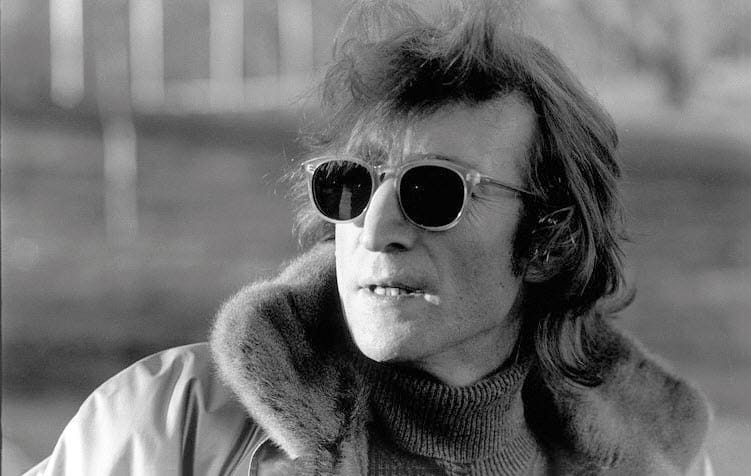
John Lennon, a musical pioneer and cultural icon, left an indelible mark on the world of music and beyond. As a founding member of The Beatles and a solo artist, his visionary songwriting and poignant lyrics have resonated with generations, transcending time and genre. From the raw energy of the early rock ‘n’ roll days to the introspective ballads of his later career, Lennon’s songs reflect a profound understanding of love, peace, and the human experience.
In this article, we dive into the top 10 most popular John Lennon songs of all time, exploring the stories behind each track and the impact they’ve had on both music lovers and the broader cultural landscape. Whether it’s the anthemic call for peace in “Imagine” or the deeply personal reflections found in “Working Class Hero,” Lennon’s work continues to inspire and provoke thought. Join us as we celebrate the genius of John Lennon, uncovering the melodies and messages that have made his music timeless. Get ready to relive the magic of these unforgettable tracks that have shaped not only the music industry but also the very fabric of society.
1. Imagine (1971)
“Imagine” is undeniably one of John Lennon’s most iconic and timeless songs, embodying his vision of a world free from division, conflict, and suffering. Released in 1971, the song invites listeners to close their eyes and picture a utopia where there is no war, no borders, and no strife. With its simple yet powerful lyrics, Lennon’s message is one of peace, unity, and hope for a better future. The song’s gentle piano melody, paired with his soothing, emotive vocals, creates an atmosphere that encourages reflection and calm contemplation.
What makes “Imagine” stand out is its universal appeal. It transcends generations and political climates, resonating deeply with listeners worldwide. In a time of political unrest and social turmoil, Lennon’s lyrics were a breath of fresh air—an invitation to believe that we could build a better world, together. “Imagine” has become an anthem for peace, a rallying cry for those who strive for a more just and compassionate world.
Despite its serene and stripped-back musical arrangement, the song carries an emotional depth that stirs the soul. It’s as if the simplicity of the melody gives room for the weight of the message to sink in. “Imagine” continues to be used in various movements, protests, and memorials, reminding us of the ongoing struggle for peace and equality. It has left an indelible mark on the musical landscape and on society as a whole. With each passing year, it remains as relevant as ever, offering a vision of hope in a world that continues to need it.
Lennon’s ability to convey such a profound message with such an accessible, gentle song is what ensures “Imagine” will always be remembered as one of the most powerful songs of the 20th century.
2. Instant Karma! (1970)
Released in 1970, “Instant Karma!” is a burst of energy that delivers a powerful message about the law of cause and effect, a concept John Lennon felt deeply passionate about. The track’s pulsating rhythm, upbeat tempo, and catchy chorus make it an irresistible listen. But beyond its infectious melody lies a poignant message: what goes around comes around, and the consequences of our actions will catch up with us, whether good or bad. In the tradition of many of Lennon’s works, this song delivers a sense of urgency—immediate action is required to make positive changes.
The song was written, recorded, and released in a remarkably short time, reflecting the immediacy Lennon felt about its message. His fiery vocal performance adds to the song’s electrifying energy, further amplifying its bold call for personal responsibility. The song’s message is straightforward: don’t wait to make a difference or take action, because karma is instant. The sheer directness and immediacy of the song make it both exhilarating and thought-provoking.
“Instant Karma!” is also notable for its unusual and inventive production. The song features a mix of rock, rhythm, and soul, with a driving beat and punchy, reverberating vocals. It captures the restless spirit of the early ‘70s, a time when society was ripe for change. The song became a worldwide hit, further cementing Lennon’s reputation as a songwriter who could challenge and engage listeners with both his music and his message.
The track remains one of his most vibrant and invigorating pieces, showcasing the power of rock and roll to not only entertain but to encourage reflection and social change.
3. (Just Like) Starting Over (1980)
“(Just Like) Starting Over” marked John Lennon’s highly anticipated return to music in 1980 after a five-year hiatus, and it could not have been a more fitting comeback. The song, with its soft, mellow melody and heartfelt lyrics, captures the spirit of new beginnings and the joy of rekindling love. Released just a few weeks before his tragic death, this song carries an added sense of poignancy, as it reflects Lennon’s own personal journey of rediscovery and renewal.
The gentle piano-driven arrangement gives the song a retro, almost nostalgic feel, evoking the 1950s and early rock ‘n’ roll sounds. Lennon’s vocal delivery is warm and filled with genuine emotion, making it easy to feel the vulnerability and hopefulness in his words. The lyrics of “(Just Like) Starting Over” speak of the excitement and optimism that come with starting anew, whether it’s in a relationship or in life itself. It’s about finding joy in the simple things and embracing the future with open arms.
This track feels like an invitation to begin again, to leave past hurts behind and approach life with a sense of fresh enthusiasm. For those who have experienced the thrill of a second chance, the song resonates on a deeply personal level. Its universal theme of renewal makes it not just a love song but a reminder that each day brings with it a chance to start over.
“(Just Like) Starting Over” serves as both a reflection of Lennon’s life and a musical snapshot of the love he had for his family, especially his wife, Yoko Ono. It remains one of his most beloved tracks, and its legacy endures as one of the most uplifting songs in his catalog.
4. Woman (1980)
“Woman,” released in 1980, is one of John Lennon’s most tender and heartfelt tributes, a song that expresses his deep admiration and love for the women in his life, especially Yoko Ono. It’s a slow, introspective ballad that showcases Lennon’s softer side, filled with vulnerability and emotional depth. The track is a beautiful declaration of love, highlighting the importance of women and their nurturing presence in his world. Lennon sings about his appreciation for the strength and resilience of the woman he loves, acknowledging her role in his life in a way that is both personal and universal.
The song’s arrangement is lush and delicate, featuring smooth, gentle instrumentation that allows Lennon’s voice to take center stage. The simplicity of the music complements the honesty of the lyrics, which speak directly to the listener. The sincerity with which Lennon sings “Woman, I can hardly express / My mixed emotions at my thoughtlessness” reveals a level of self-awareness and emotional complexity that is rarely seen in pop music.
“Woman” is a song about both admiration and regret, a reflection on love and how it can be both uplifting and challenging. It speaks to anyone who has been in a relationship where love and understanding go hand in hand with mistakes and growth.
This track has become a timeless anthem of love, not just for romantic partners, but for all women who play significant roles in our lives. Its tender sentiment, paired with Lennon’s heartfelt performance, ensures that “Woman” continues to be celebrated as one of his most poignant works. The song remains a powerful statement of respect, appreciation, and love for women everywhere.
5. Working Class Hero (1970)
“Working Class Hero,” released in 1970 on Lennon’s Plastic Ono Band album, is a stark, unflinching commentary on the struggles and frustrations of the working class. The song opens with an acoustic guitar riff and grows progressively more intense, mirroring the feelings of disillusionment and anger that Lennon sought to convey. The track is raw, honest, and incredibly powerful, as Lennon criticizes the societal systems that oppress and divide. The lyrics are biting and unapologetic, providing a critical view of the way the working class is often exploited and marginalized.
The simplicity of the song’s arrangement, with its sparse acoustic guitar and Lennon’s powerful, no-frills vocal delivery, lends an air of authenticity and vulnerability. There’s no sugarcoating in “Working Class Hero”; Lennon doesn’t shy away from confronting the harsh realities of life for the common man. He sings about how people are conditioned and molded by society, stripping away their individuality, and he questions the very systems that keep the rich in power while suppressing the poor.
Lennon’s voice conveys the frustration of someone who has experienced the unfairness of these systems firsthand. His delivery is impassioned and fierce, making it clear that the song is not just a critique of the world as it is, but a call for change. The haunting, stripped-down production allows the weight of the lyrics to hit with full force, making it one of Lennon’s most powerful protest songs.
“Working Class Hero” remains a timeless anthem for those who feel oppressed or overlooked. It resonates with anyone who has ever faced adversity, making it one of Lennon’s most significant and enduring works. It’s a song that continues to speak to the struggles of everyday people, reminding us of the need for change and equality.
6. Give Peace a Chance (1969)
“Give Peace a Chance,” released in 1969, became an iconic anthem of the peace movement during a time of great political and social upheaval. The song’s message is as simple as its lyrics: peace is something worth striving for, and it starts with each individual. In a turbulent era marked by the Vietnam War and widespread civil unrest, Lennon’s plea for peace resonated deeply with millions of people who were looking for an alternative to the violence and discord that defined the times.
The track was recorded during a “bed-in” with his wife, Yoko Ono, in Montreal, where the couple used their platform to promote peace in a direct and unconventional manner. The song’s infectious refrain—“All we are saying is give peace a chance”—has since become a rallying cry for peace activists and has been embraced by generations of listeners who believe in the power of nonviolence and unity. Its simplicity, combined with its powerful message, makes it a song that is both timeless and incredibly impactful.
Musically, “Give Peace a Chance” is straightforward, with a catchy, sing-along quality that makes it a natural anthem. The repetitive nature of the lyrics encourages collective participation, inviting listeners to join in the call for peace. The song’s minimalist arrangement, with its rhythm-heavy backing and chant-like vocals, helps to reinforce its message of unity and togetherness.
Lennon’s ability to capture the spirit of a movement in such an accessible and direct way is one of the reasons this song remains so enduring. Its relevance has not waned, and it continues to inspire those who believe that peace is not just an ideal but a tangible goal that can be achieved if we all work toward it. “Give Peace a Chance” is a timeless call to action, one that reminds us of the power of music to bring people together and create meaningful change.
7. Happy Xmas (War Is Over) (1971)
Released in 1971, “Happy Xmas (War Is Over)” is a holiday classic with a serious message. Co-written by John Lennon and Yoko Ono, the song blends festive cheer with a powerful anti-war statement, making it one of the most unique and thought-provoking Christmas songs ever written. The juxtaposition of its joyful, upbeat melody with the somber theme of war creates an emotional contrast that lingers long after the song ends.
Lennon’s hope for peace, particularly in the context of the Vietnam War, shines through in this track. The song’s lyrics—“War is over if you want it”—are a simple yet profound reminder that peace is not just a distant dream but a goal we can actively work toward. The line is a direct call to action, urging listeners to believe in the possibility of change and to make their voices heard in the pursuit of peace.
The song’s instrumental arrangement is a blend of traditional Christmas music with elements of folk and rock. The addition of a children’s choir, which sings the chorus alongside Lennon, gives the song an even greater sense of hope and unity, making it feel like a collective celebration for a cause greater than just personal enjoyment. The chorus of voices, along with the jingling bells and festive orchestration, create a sense of community and shared responsibility.
“Happy Xmas (War Is Over)” is more than just a Christmas song—it’s a heartfelt plea for peace and a call for action. It continues to be an essential part of holiday playlists, not just for its cheerful melody, but for its message that resonates year after year. Lennon’s ability to blend political activism with holiday spirit in such a powerful and memorable way is what ensures the song’s place as a holiday staple and an enduring anthem for peace.
8. Whatever Gets You Thru the Night (1974)
“Whatever Gets You Thru the Night” is a lively, feel-good track that showcases a different side of John Lennon. Released in 1974, the song has a lighthearted, upbeat vibe that contrasts with some of his more somber and introspective work. The collaboration with Elton John, who provides backing vocals and piano, adds a layer of energy and excitement to the track. The song’s infectious rhythm and catchy chorus make it impossible not to tap your feet along with the beat.
At its core, “Whatever Gets You Thru the Night” is about perseverance and making it through tough times. The lyrics suggest that sometimes, life can be challenging, but whatever it takes to get through the night—whether it’s love, music, or simply holding on—should be embraced. It’s a reminder to keep going, no matter what obstacles come our way. The song’s message of resilience and the power of music as a source of comfort resonates deeply with listeners, making it both uplifting and relatable.
Musically, the song blends elements of rock, pop, and funk, with a danceable groove that makes it perfect for any party or celebration. The collaboration between Lennon and Elton John resulted in a sound that is both playful and infectious. The harmony between their voices, coupled with the driving beat, creates an atmosphere of joy and positivity.
“Whatever Gets You Thru the Night” stands as one of Lennon’s most accessible and commercially successful songs, reflecting a lighter, more celebratory side of his musical personality. It’s a reminder that, despite life’s challenges, we can find moments of joy and celebration, and sometimes that’s all we need to get through. The song’s enduring popularity speaks to its universal message of hope and resilience.
9. Mind Games (1973)
“Mind Games,” released in 1973, is a contemplative and introspective track that delves into the complexities of the human experience. With its dreamy melody and philosophical lyrics, the song invites listeners to explore themes of love, peace, and the power of the mind. It’s a reflection on the mental and emotional games we play with ourselves and others, and it encourages listeners to look within for answers to life’s most profound questions.
The song’s production is lush and atmospheric, with layered instrumentation that creates a sense of depth and movement. Lennon’s voice floats over the music, offering a sense of calm and introspection. The lyrics are both personal and universal, exploring the idea that we are all engaged in mental games—whether it’s trying to understand ourselves or attempting to navigate the complexities of relationships. The song’s repetitive refrain—“Mind games, mind games”—captures the cyclical nature of thought and the constant striving for clarity and peace.
“Mind Games” is a meditation on the inner workings of the mind, a journey toward self-discovery and understanding. It encourages listeners to let go of the mental obstacles that prevent them from achieving peace and clarity. The song also reflects Lennon’s own philosophical leanings, drawing on ideas of transcendence and personal growth.
Musically, the track features lush piano arrangements and a mellow, yet powerful groove. The rich instrumentation and thoughtful vocal delivery make “Mind Games” one of Lennon’s most introspective and layered songs. It’s a track that invites repeated listening, with each pass revealing new depths to its meaning. For fans of Lennon’s more contemplative work, “Mind Games” stands as a testament to his ability to blend music with deep philosophical ideas.
10. Cold Turkey (1969)
“Cold Turkey,” released in 1969, is one of John Lennon’s most raw and emotionally charged songs. It is a stark and visceral portrayal of the struggles associated with addiction and withdrawal. The song’s grittiness and intensity make it stand apart from much of Lennon’s other work, as it gives listeners an unflinching look at the pain and suffering that comes with breaking free from dependency.
The song opens with a driving, pulsating rhythm and an aggressive guitar riff that immediately sets the tone for the track. Lennon’s vocals are strained and anguished, capturing the emotional and physical turmoil of withdrawal. The lyrics speak of the overwhelming feeling of being trapped by addiction and the desperate desire to break free. It’s a harrowing portrayal of the human condition, showcasing Lennon’s ability to tackle difficult and personal subjects with honesty and courage.
“Cold Turkey” was inspired by Lennon’s own experience with quitting heroin, and it stands as a testament to his willingness to confront the darker sides of his life in his music. The raw, unpolished sound of the track gives it an immediacy that draws the listener in, making it one of the most powerful songs in Lennon’s catalog.
The song’s unsettling energy and intense atmosphere make it a hard listen, but it also carries a sense of catharsis. It’s a reminder of the struggle for personal freedom and the resilience required to overcome addiction. “Cold Turkey” remains one of Lennon’s most impactful songs, as it speaks not only to those struggling with addiction but also to anyone who has had to confront their own demons in order to find freedom.

Edward Tomlin is a frequent contributor to Singers Room. Since 2005, Singersroom has been the voice of R&B around the world. Connect with us via social media below.









