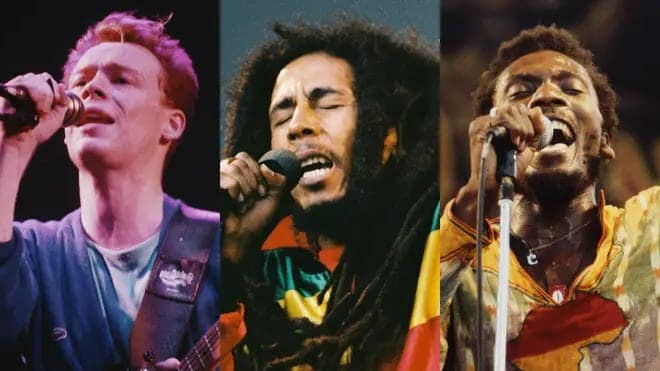
Reggae music is more than just a genre—it’s a cultural movement, a rhythm of resilience, and a soundtrack to freedom. Born in the vibrant streets of Jamaica in the late 1960s, reggae has transcended borders, uniting people across the globe with its soulful melodies, infectious grooves, and powerful messages of love, unity, and social justice. Whether it’s the unmistakable strum of the guitar, the thumping basslines, or the heartfelt lyrics that resonate with life’s struggles and triumphs, reggae has a unique way of speaking directly to the soul.
From the anthems of Bob Marley that became global cries for peace and equality, to the smooth lovers’ rock of Gregory Isaacs, and the genre-bending hits of modern stars like Damian Marley, reggae has produced timeless classics that continue to inspire and uplift. In this list, we’re diving into 15 of the most popular and iconic reggae songs of all time—tracks that not only shaped the genre but also left an indelible mark on music history. These songs are more than hits; they’re a celebration of reggae’s enduring spirit. Get ready to groove, reflect, and rediscover the magic of reggae as we count down the greatest tracks that captured hearts around the world!
1. “One Love” – Bob Marley and The Wailers (1965)
First recorded in 1965 and later re-released in 1977 as part of the landmark Exodus album, Bob Marley’s “One Love” has transcended time to become a global anthem of unity and hope. With its ska-inspired rhythm and uplifting message, the song calls for harmony and togetherness in a world often marked by division. Marley’s emotive vocals, combined with the rich harmonies of The Wailers, create a deeply moving experience that resonates with listeners from all walks of life. The lyrics are simple yet profound, embodying a universal longing for peace and love. Decades after its release, “One Love” continues to serve as a powerful reminder of reggae’s ability to inspire change and bring people together, making it a timeless symbol of hope.
2. “No Woman, No Cry” – Bob Marley and The Wailers (1974)
Recorded live in 1974 and featured on the Natty Dread album, “No Woman, No Cry” is one of Bob Marley’s most beloved ballads. The song offers a heartfelt glimpse into life in Trenchtown, the Kingston neighborhood where Marley grew up. Its poignant lyrics tell a story of hardship, resilience, and the strength found in community. With a soothing melody and Marley’s soulful delivery, the track delivers a comforting message that resonates universally. It’s not just a song of sorrow but one of hope, reminding listeners to find strength even in adversity. As the years go by, “No Woman, No Cry” remains an enduring favorite for its emotional depth and timeless appeal.
3. “Red Red Wine” – Tony Tribe (1969)
Before UB40’s 1983 rendition brought the song mainstream fame, Tony Tribe introduced Neil Diamond’s “Red Red Wine” to the reggae world in 1969. Tribe’s rocksteady version transformed the track with a laid-back groove that gave it a distinctly reggae feel. His smooth, emotive vocals pair perfectly with the rhythm, bringing out the song’s themes of heartbreak and solace found in a glass of wine. Tribe’s version became a reggae classic, celebrated for its unique blend of melancholy and groove. Even today, his interpretation stands out as a quintessential example of reggae’s ability to reinvent and breathe new life into songs from other genres.
4. “Israelites” – Desmond Dekker & The Aces (1968)
Released in 1968, Desmond Dekker’s “Israelites” was a groundbreaking hit that introduced reggae to an international audience. The track’s infectious rhythm, paired with Dekker’s distinctive vocal style, delivers a compelling narrative about the struggles of working-class life. With its unforgettable opening line, “Get up in the morning, slaving for bread, sir,” the song captures themes of poverty, perseverance, and social justice. Its catchy hook and universal appeal made it a worldwide success, solidifying its place as a cornerstone of reggae history. Decades later, “Israelites” remains a powerful reminder of reggae’s roots in storytelling and social commentary.
5. “Buffalo Soldier” – Bob Marley and The Wailers (1980)
Originally recorded in 1980 and released posthumously in 1983, “Buffalo Soldier” is a testament to Bob Marley’s ability to weave history into his music. The song pays tribute to African-American soldiers who fought in the U.S. Civil War, drawing parallels to the broader struggles faced by black people around the world. Its infectious beat and Marley’s impassioned delivery make it a standout anthem of resistance and resilience. The chant-like refrain, “Wo-yo-yo,” is instantly recognizable and has become one of reggae’s most enduring hooks. With its powerful message and rhythmic groove, “Buffalo Soldier” continues to inspire and uplift listeners across generations.
6. “I Shot the Sheriff” – Bob Marley and The Wailers (1973)
From the Burnin’ album, “I Shot the Sheriff” stands as one of Bob Marley’s most provocative and enduring songs. The lyrics tell the story of a man seeking justice against oppression, layered with deeper social and political commentary. Marley’s passionate performance and the song’s infectious reggae rhythm made it an instant classic. When Eric Clapton covered it in 1974, the track reached an even wider audience, further cementing its legacy. Whether in its original form or as a cover, “I Shot the Sheriff” remains a powerful anthem of defiance and a testament to reggae’s ability to address profound issues with artistry.
7. “Pressure Drop” – Toots and the Maytals (1969)
Released in 1969, “Pressure Drop” is one of the most iconic tracks by Toots and the Maytals, showcasing the raw energy and soul of reggae. With its upbeat tempo and Toots Hibbert’s heartfelt vocals, the song carries a message of karmic justice, promising that wrongdoers will face the consequences of their actions. Featured in the 1972 cult classic film The Harder They Come, “Pressure Drop” gained international recognition, helping to bring reggae to a global audience. Its infectious rhythm and universal message have made it a favorite for decades, embodying the spirit of reggae music.
8. “Could You Be Loved” – Bob Marley and The Wailers (1980)
Released on the Uprising album in 1980, “Could You Be Loved” is a masterful blend of reggae and disco influences. The track’s danceable groove is paired with uplifting lyrics that encourage self-love, acceptance, and perseverance. Marley’s ability to merge genres without losing the essence of reggae is on full display here, resulting in a song that’s both thought-provoking and irresistibly fun. The track’s dynamic rhythm and infectious energy have made it a staple on playlists worldwide. “Could You Be Loved” captures the universal appeal of Marley’s music, making it a standout in his legendary catalog.
9. “Sweat (A La La La La Long)” – Inner Circle (1992)
Inner Circle’s 1992 hit “Sweat (A La La La La Long)” became a global sensation, blending reggae and pop into an irresistible groove. Its playful rhythm, flirtatious lyrics, and sunny energy turned it into a quintessential summer anthem. The track’s infectious chorus—filled with the catchy “A La La La La Long” refrain—makes it an enduring favorite at parties and beachside gatherings. Even decades later, it continues to showcase reggae’s universal appeal, delivering feel-good vibes and a lighthearted charm that instantly brightens any mood.
10. “Three Little Birds” – Bob Marley and The Wailers (1977)
Released in 1977 on the legendary Exodus album, Bob Marley and The Wailers’ “Three Little Birds” is a timeless ode to positivity. The song’s soothing melody and Marley’s reassuring lyrics—“Don’t worry about a thing, ‘cause every little thing gonna be all right”—have become synonymous with hope and comfort. Simple yet profound, the track’s message of optimism has resonated across generations, offering a sense of calm in times of uncertainty. Its enduring popularity proves the power of music to inspire and heal, cementing its place as one of reggae’s most cherished songs.
11. “Bad Boys” – Inner Circle (1987)
“Bad Boys,” Inner Circle’s 1987 reggae anthem, rose to fame as the theme song for the long-running TV show Cops. With its iconic chorus—“What you gonna do when they come for you?”—and pulsating rhythm, the track blends rebellious energy with reggae’s characteristic groove. While it’s a fun, catchy tune, its gritty edge also hints at deeper social commentary, making it a cultural touchstone. Decades after its release, “Bad Boys” remains a universally recognized anthem, synonymous with both reggae’s playful spirit and its bold voice.
12. “54-46 (That’s My Number)” – Toots and the Maytals (1968)
Toots and the Maytals’ “54-46 (That’s My Number),” released in 1968, is one of reggae’s foundational tracks. Inspired by Toots Hibbert’s personal experience of being imprisoned for marijuana possession, the song is a rebellious anthem with an infectious groove. Hibbert’s fiery delivery and the track’s upbeat rhythm turn his story of defiance into an unforgettable musical experience. Its boldness and originality helped pave the way for reggae’s evolution, influencing countless artists in the genres of reggae, ska, and beyond.
13. “Get Up, Stand Up” – Bob Marley and The Wailers (1973)
A rallying cry for justice, “Get Up, Stand Up” was released in 1973 on Bob Marley and The Wailers’ Burnin’ album. Co-written by Marley and Peter Tosh, the song channels the spirit of resistance with its powerful lyrics and militant rhythm. It encourages listeners to stand firm in the face of oppression, becoming one of reggae’s most iconic protest songs. Over the years, “Get Up, Stand Up” has transcended music, serving as an anthem for social and political movements worldwide. Its timeless message makes it as relevant today as it was when it was first released.
14. “Night Nurse” – Gregory Isaacs (1982)
Gregory Isaacs’ “Night Nurse,” released in 1982, is a sultry masterpiece that captures the essence of lovers’ rock reggae. Isaacs’ smooth, velvety vocals and the song’s seductive rhythm create an atmosphere of longing and passion. Its lyrics evoke the tenderness of a midnight rendezvous, while its sensual vibe ensures its place as a classic in romantic reggae playlists. Decades later, “Night Nurse” continues to enchant listeners, standing as a testament to Isaacs’ talent and the timeless allure of reggae’s softer side.
15. “Welcome to Jamrock” – Damian Marley (2005)
Damian “Jr. Gong” Marley brought reggae into the modern era with his 2005 hit “Welcome to Jamrock.” This hard-hitting track paints a vivid picture of life in Jamaica, addressing social inequality, violence, and systemic struggles. With its thunderous bassline, raw lyrics, and Marley’s commanding presence, “Welcome to Jamrock” revitalized reggae’s place in contemporary music. It’s a gritty, unfiltered anthem that balances artistic brilliance with social awareness, proving the enduring power of reggae to confront and illuminate complex realities.

Samuel Moore is a frequent contributor to Singers Room. Since 2005, Singersroom has been the voice of R&B around the world. Connect with us via social media below.









