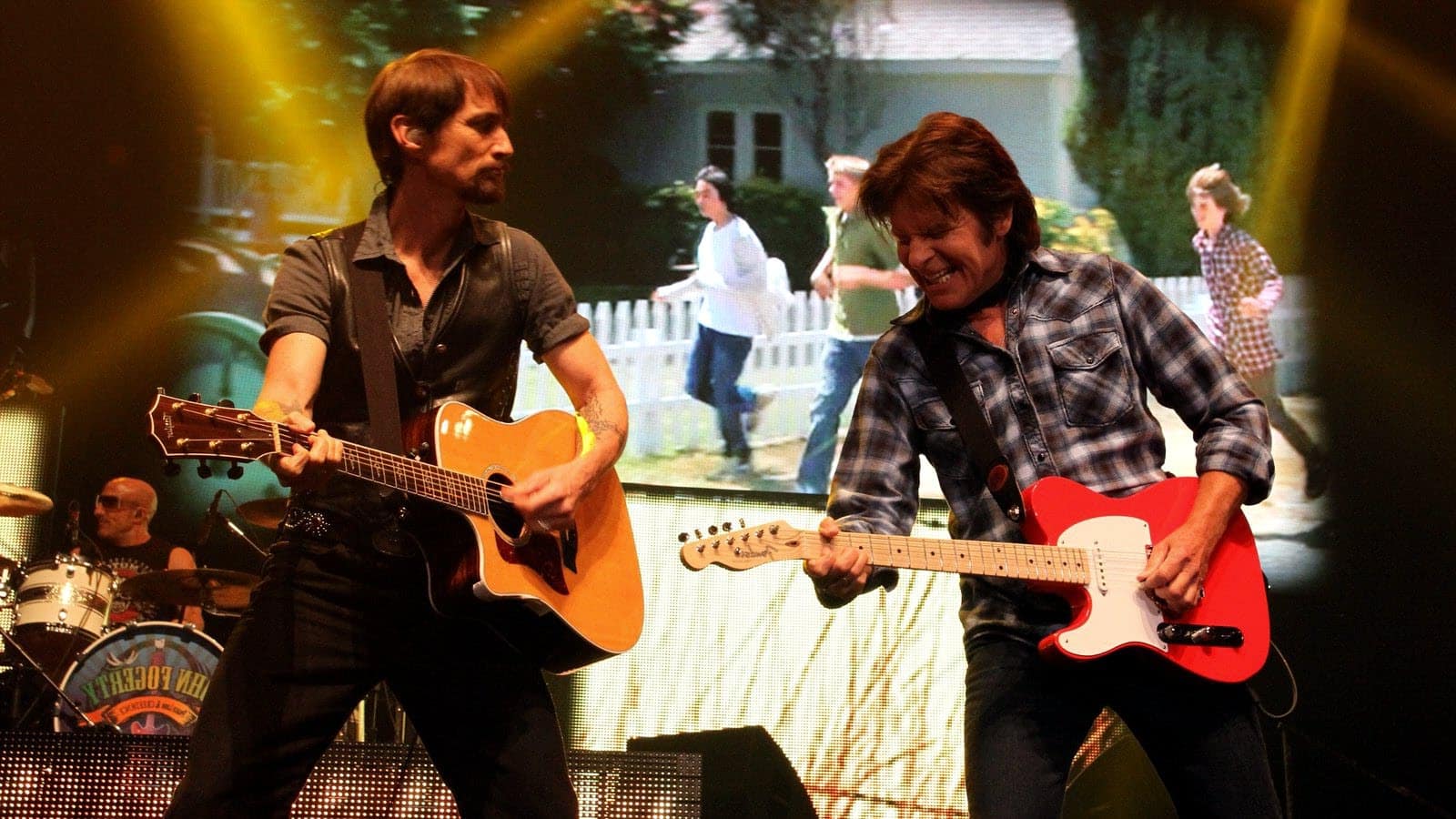
John Fogerty is a rock ‘n’ roll legend, a masterful storyteller, and the unmistakable voice behind some of the most iconic songs in music history. From his groundbreaking work with Creedence Clearwater Revival (CCR) to his standout solo career, Fogerty has crafted a legacy that transcends generations. His songwriting captures the essence of Americana—stories of small towns, working-class struggles, and the pursuit of freedom—all delivered with his signature raspy vocals and electrifying guitar riffs. Whether it’s the swampy grooves of “Born on the Bayou,” the defiant roar of “Fortunate Son,” or the heartfelt yearning of “Have You Ever Seen the Rain?,” Fogerty’s music resonates like a time capsule of the human experience.
In this article, we dive deep into the Top 10 Most Popular John Fogerty Songs of All Time—a collection of timeless anthems that have defined his career and left an indelible mark on rock history. Each track showcases his unparalleled ability to blend raw emotion with unforgettable melodies, creating music that still feels as fresh and relevant as the day it was released. Whether you’re a lifelong fan or a newcomer, these songs are a testament to why John Fogerty remains one of the most celebrated and influential figures in music. Let’s roll on the river!
1. “Proud Mary” (1969)
Few songs define American rock as vividly as Creedence Clearwater Revival’s “Proud Mary.” Released on their Bayou Country album, this swampy anthem captures the spirit of liberation through its story of escaping the daily grind to find solace on the river. With John Fogerty’s raspy, heartfelt vocals riding over a groove-driven guitar riff, the track exudes a timeless charm. The iconic line “rolling on the river” paints an idyllic picture of freedom and simplicity that resonates across generations. A masterclass in songwriting and storytelling, “Proud Mary” has inspired countless covers, from Ike & Tina Turner’s fiery rendition to contemporary tributes, solidifying its place as a cornerstone of late ‘60s rock.
2. “Bad Moon Rising” (1969)
A paradox wrapped in a catchy tune, “Bad Moon Rising” juxtaposes an upbeat rhythm with ominous, apocalyptic lyrics. Featured on the Green River album, the song is a masterful two-and-a-half-minute blend of jangling guitars, lively melodies, and unsettling imagery. Inspired by a climactic storm in The Devil and Daniel Webster, John Fogerty’s lyrics warn of impending doom with lines like “there’s a bad moon on the rise.” Despite its dark themes, the song’s infectious energy and singalong quality have made it one of CCR’s most enduring hits, a staple for fans and newcomers alike.
3. “Fortunate Son” (1969)
From CCR’s Willy and the Poor Boys, “Fortunate Son” stands as one of rock’s most iconic protest songs. Released amid the Vietnam War, its searing critique of class privilege and hypocrisy gave voice to the frustrations of a generation. With biting lyrics like “It ain’t me, it ain’t me,” John Fogerty calls out the elite who dodged the draft while ordinary citizens were sent to fight. Powered by a relentless guitar riff and Fogerty’s fiery vocals, the song is both a protest anthem and a pure rock powerhouse. Its raw energy and enduring relevance ensure its place in history as a defining statement of rebellion and resistance.
4. “Green River” (1969)
Nostalgia and swamp rock collide beautifully in “Green River,” the title track of CCR’s third album. Inspired by John Fogerty’s childhood memories of Putah Creek, the song captures the essence of simpler times and rural escapes. Fogerty’s evocative lyrics and distinctive vocal twang, paired with a steady rhythm, transport listeners to carefree days by the water. The song’s hypnotic groove balances a laid-back vibe with underlying energy, creating an experience that’s both relaxing and invigorating. “Green River” remains a hallmark of CCR’s unmistakable sound.
5. “Born on the Bayou” (1969)
Opening CCR’s Bayou Country album, “Born on the Bayou” is an atmospheric masterpiece that defines swamp rock. With growling vocals and a deep, bluesy guitar riff, John Fogerty creates a vivid, mystical portrait of the Louisiana bayou—despite never having visited it. Lines like “I can still hear my old hound dog barkin’” evoke a rustic, hauntingly beautiful setting. The song’s rich imagery and gritty sound transport listeners to the heart of the South, showcasing CCR’s unparalleled ability to craft vivid musical landscapes.
6. “Have You Ever Seen the Rain?” (1971)
From the Pendulum album, “Have You Ever Seen the Rain?” is a poignant reflection on change and loss. Written during a turbulent time for CCR, the lyrics are often seen as a commentary on the band’s internal struggles. Its gentle acoustic strumming, wistful melody, and John Fogerty’s emotive delivery create a bittersweet charm that tugs at listeners’ hearts. Decades later, its themes of uncertainty and resilience continue to resonate, solidifying it as a timeless classic.
7. “Down on the Corner” (1969)
A celebration of street music and community spirit, “Down on the Corner” is a joyful highlight from Willy and the Poor Boys. The song tells the story of a fictional band playing lively tunes on a street corner, inviting people to come together and enjoy simple pleasures. With its infectious rhythm, toe-tapping percussion, and singalong chorus, the track exudes a carefree energy that’s impossible to resist. Fogerty’s vivid storytelling brings the “Poorboys” to life, making it an enduring favorite.
8. “Centerfield” (1985)
John Fogerty’s triumphant solo return after nearly a decade, “Centerfield” is a heartfelt ode to baseball and Americana. With its handclap beat and clever metaphors, the song captures the optimism of stepping up to bat and seizing opportunities. Fogerty’s enthusiasm shines in lines like “Put me in, coach!”—an iconic rallying cry for athletes and dreamers alike. Its spirited energy has cemented it as a staple at ballparks and a testament to Fogerty’s enduring creativity.
9. “Run Through the Jungle” (1970)
Dark and brooding, “Run Through the Jungle” from Cosmo’s Factory is a haunting exploration of violence and chaos. Often associated with the Vietnam War, the song’s eerie harmonica, ominous guitar riff, and foreboding lyrics create a sense of tension and unease. However, John Fogerty later clarified it was a commentary on America’s obsession with guns. The track’s chilling tone and thought-provoking message make it one of CCR’s most compelling works.
10. “Travelin’ Band” (1970)
“Travelin’ Band,” featured on Cosmo’s Factory, is a high-energy tribute to the chaotic life of touring musicians. Inspired by rock pioneers like Little Richard, the track blends blistering tempos, honking saxophones, and Fogerty’s powerhouse vocals to create an electrifying experience. Its raw energy and celebration of the rock ‘n’ roll lifestyle have made it a fan favorite, embodying the spirit of early rock while staying timelessly fresh.

Samuel Moore is a frequent contributor to Singers Room. Since 2005, Singersroom has been the voice of R&B around the world. Connect with us via social media below.









