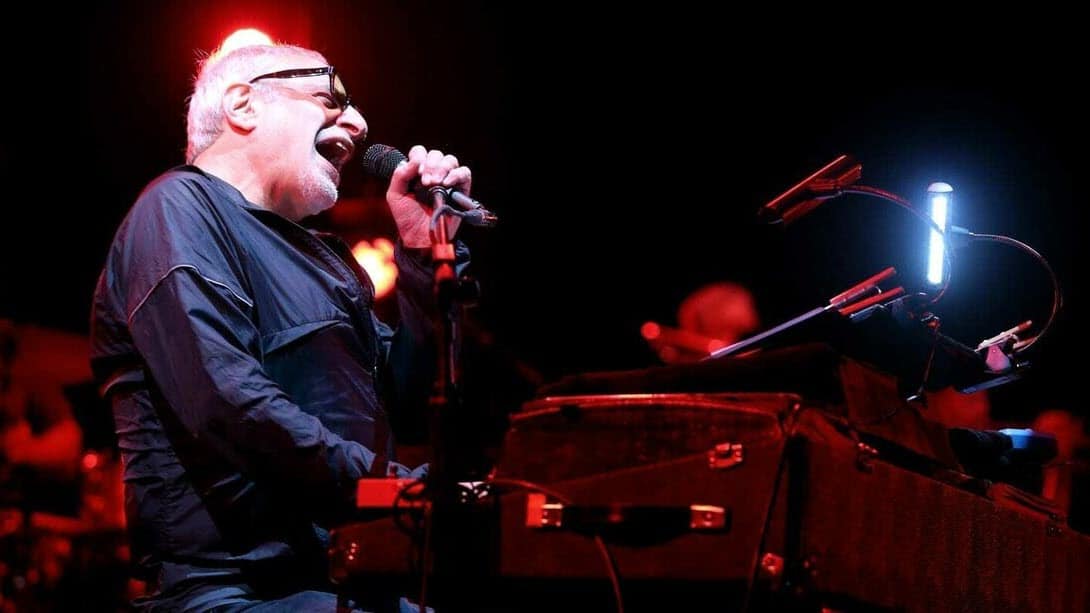
Donald Fagen is a master of blending sharp wit, intricate storytelling, and impeccable musicianship into unforgettable songs that transcend genres. Best known as one-half of the iconic jazz-rock duo Steely Dan, Fagen’s solo career has cemented his status as a visionary in modern music. From his groundbreaking debut The Nightfly to later works like Kamikiriad and Morph the Cat, his solo catalog captures a unique world of futuristic dreams, nostalgic longing, and sly humor—all delivered with his signature smooth vocals and sophisticated arrangements.
Fagen’s songs are more than just music; they’re fully realized narratives, transporting listeners to Cold War suburbs, sci-fi landscapes, or smoky late-night radio booths. Whether you’re grooving to the funky optimism of “I.G.Y.” or getting lost in the surreal charm of “Tomorrow’s Girls,” each track offers something fresh and exciting. His meticulous attention to detail, jazzy chord progressions, and cinematic lyrics make his work timeless.
In this article, we’ll take a journey through the top 10 most popular Donald Fagen songs of all time, exploring the tracks that have defined his career and enchanted fans worldwide. Get ready to dive into the rich, imaginative world of one of music’s most innovative artists!
1. “I.G.Y. (What a Beautiful World)” (1982)
Donald Fagen’s “I.G.Y. (What a Beautiful World)” kicks off his iconic solo debut, The Nightfly, with a burst of polished optimism underpinned by a smooth jazz-pop groove. The title refers to the International Geophysical Year (1957–58), a time of global scientific collaboration that symbolized humanity’s dreams of progress and innovation. Fagen uses this historical context as a springboard to craft a shimmering vision of a utopian future filled with flying cars, abundant energy, and global peace. Beneath its radiant production, catchy synth lines, and laid-back melody lies a subtle hint of irony, giving the song a bittersweet edge. Released in 1982, the track climbed to #26 on the Billboard Hot 100, making it Fagen’s most successful solo single. Its deft balance of lush arrangements, incisive lyrics, and wry delivery has ensured its place as a timeless classic.
2. “New Frontier” (1982)
“New Frontier” is a masterful blend of wit, romance, and Cold War nostalgia, set to a futuristic yet funky groove. The song narrates the adventures of a young couple who retreat to a suburban bomb shelter, escaping the world’s tensions to share music, dreams, and fleeting moments of intimacy. Fagen’s lyrics evoke the innocence and optimism of youth even amid a politically charged era, weaving a story that’s as poignant as it is playful. The jazzy instrumentation, funky basslines, and lively horn arrangements create an infectious rhythm that perfectly complements the evocative storytelling. Released in 1982, the song was accompanied by a stylish and inventive music video, which became a staple during MTV’s early days. “New Frontier” captures the nostalgic charm of an era, making it an enduring favorite among fans and a standout from The Nightfly.
3. “The Nightfly” (1982)
The title track of The Nightfly is a dreamy homage to late-night radio and the enigmatic DJs who were a lifeline to lonely listeners during the quiet hours. In “The Nightfly,” Fagen adopts the persona of a smooth, introspective radio host spinning jazz records and sharing personal musings, creating a deeply atmospheric and nostalgic listening experience. The song’s mellow piano chords, subtle saxophone flourishes, and laid-back rhythm perfectly evoke the hushed magic of the midnight airwaves. Released in 1982, the track captures the reflective and introspective tone of the album, blending personal longing with a wistful sense of connection. It’s a testament to Fagen’s gift for storytelling, drawing listeners into a vivid, cinematic world that feels both intimate and universal.
4. “Green Flower Street” (1982)
“Green Flower Street” immerses listeners in a vivid urban landscape, teeming with intrigue, danger, and romance. This funk-infused, jazzy track showcases Fagen’s ability to craft cinematic narratives through music. The story unfolds in a colorful, seedy neighborhood, where the protagonist navigates a web of love and tension. Propelled by tight rhythm guitar, bold horn sections, and Fagen’s smooth, expressive vocals, the track boasts an irresistible groove. Released in 1982 as part of The Nightfly, “Green Flower Street” stands out for its exotic, noir-like atmosphere that’s both evocative and immersive. It’s a perfect example of the album’s sophisticated blend of storytelling and musical artistry.
5. “Walk Between Raindrops” (1982)
Closing The Nightfly on a lighthearted note, “Walk Between Raindrops” is a playful, breezy tune that reflects Fagen’s time in sunny Miami. The song’s lively piano lines, jaunty rhythm, and clever lyrics capture the charm of facing life’s challenges with wit and grace. Departing from the more introspective tone of the album’s earlier tracks, this song provides a whimsical, upbeat finale that leaves listeners with a smile. Its infectious energy and witty wordplay have made it a fan favorite, encapsulating Fagen’s knack for balancing humor and sophistication. Released in 1982, “Walk Between Raindrops” rounds out the album with a sense of optimism and joy.
6. “Tomorrow’s Girls” (1993)
“Tomorrow’s Girls,” from Fagen’s 1993 album Kamikiriad, blends sci-fi whimsy with funky grooves. The track tells the quirky tale of alien women invading Earth, using its humor and absurdity to craft a story that’s both imaginative and thought-provoking. Swirling synths, funky basslines, and Fagen’s trademark wry delivery create a distinctly futuristic vibe, perfectly aligning with the album’s overarching concept of a surreal road trip through a high-tech world. The song’s offbeat charm and infectious rhythms make it a standout, showcasing Fagen’s playful approach to storytelling and his ability to reimagine genres through his unique lens.
7. “Snowbound” (1993)
“Snowbound” is an ethereal gem from Kamikiriad that paints a picture of serene isolation during a snowstorm. Fagen’s introspective lyrics explore themes of tranquility and introspection, enhanced by the song’s lush production. Smooth saxophone lines and layered synths create a cinematic soundscape that envelops the listener in a dreamy, wintry atmosphere. Released in 1993, “Snowbound” stands out for its ability to evoke vivid imagery and emotion, making it one of Fagen’s most evocative and poetic works. Its tranquil tone and richly textured arrangement invite listeners to lose themselves in its hypnotic beauty.
8. “H Gang” (2006)
“H Gang,” from Fagen’s 2006 album Morph the Cat, is a funky, soulful anthem that celebrates camaraderie and resilience. The track’s driving bassline, sharp horn sections, and infectious groove harken back to the spirit of classic Steely Dan while offering a fresh perspective. Fagen’s mature lyrics explore themes of life, loss, and perseverance, showcasing his ability to adapt his style without losing his signature sophistication. Released in 2006, “H Gang” is a standout from Fagen’s later career, embodying his continued relevance as a solo artist and his mastery of blending depth with an undeniable sense of rhythm.
9. “Morph the Cat” (2006)
The title track of Morph the Cat is a moody, jazz-infused meditation on mortality and comfort. In this 2006 release, Fagen imagines a benevolent, otherworldly force—a metaphorical “cat”—that envelops the city, offering a calming presence amid life’s uncertainties. Smooth saxophone solos, a laid-back groove, and ethereal production lend the song an introspective, hypnotic quality. Blending existential musings with Fagen’s characteristic wit, “Morph the Cat” is a highlight of the album, reflecting its contemplative tone while offering moments of warmth and whimsy.
10. “The Goodbye Look” (1982)
“The Goodbye Look” is a masterclass in juxtaposition, pairing tropical rhythms with sharp, satirical storytelling. The track, released in 1982 on The Nightfly, narrates the misadventures of a hapless tourist caught in a political coup on an exotic island. Fagen’s lyrics mix humor and irony, capturing the allure and peril of escapism. The breezy melody and Latin-inspired instrumentation lend the song an air of carefree charm, even as the narrative unfolds with darker undertones. It’s a captivating closer to one of the most celebrated debut albums in music history.

Samuel Moore is a frequent contributor to Singers Room. Since 2005, Singersroom has been the voice of R&B around the world. Connect with us via social media below.









