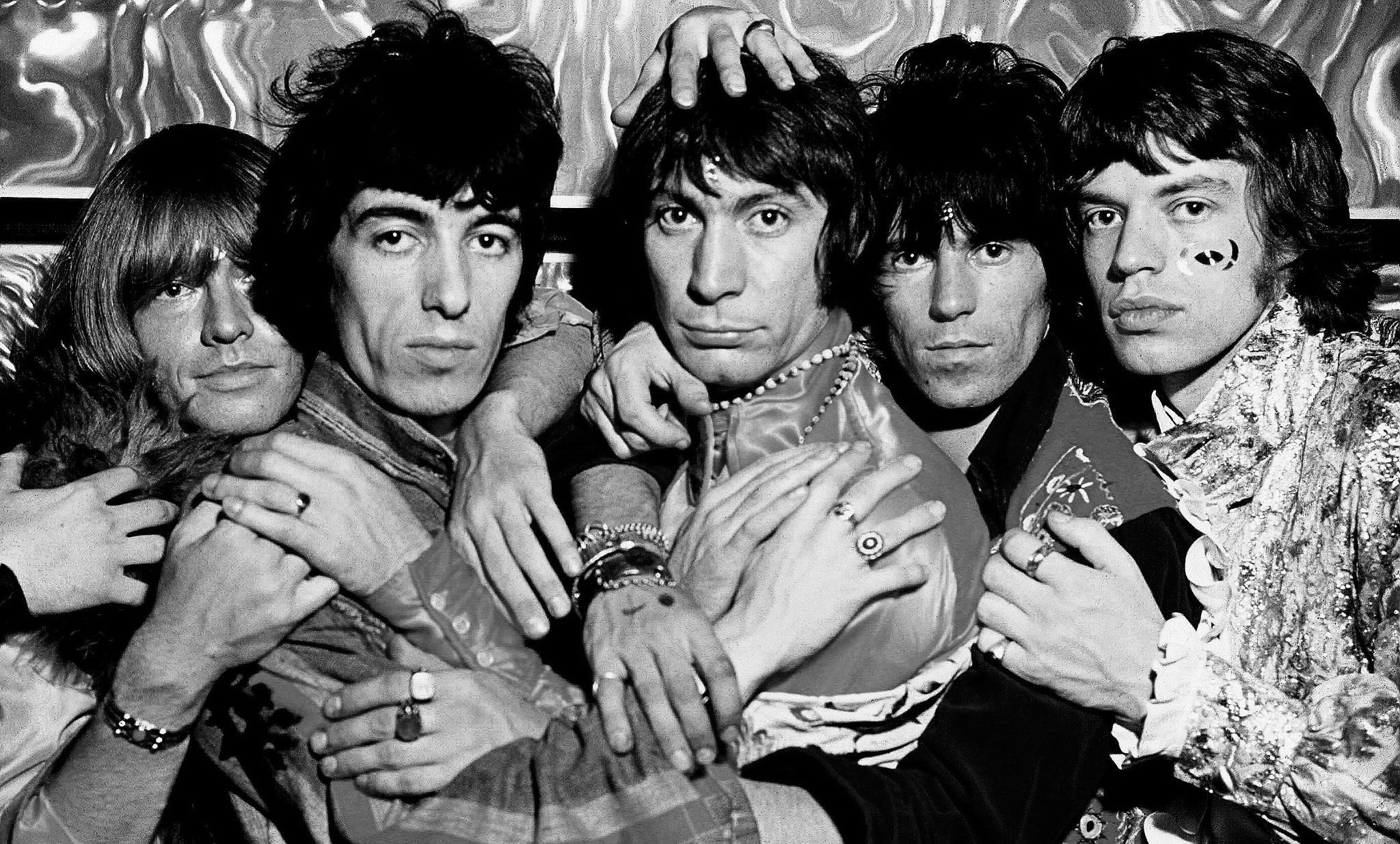
The Rolling Stones are more than just a band—they’re a force of nature, a cornerstone of rock ‘n’ roll history, and the architects of some of the most iconic songs ever recorded. For over six decades, Mick Jagger, Keith Richards, and their legendary bandmates have created a catalog that transcends generations, influencing countless artists and redefining what it means to be timeless. From gritty blues-rock anthems to soul-stirring ballads, The Rolling Stones have a song for every mood, every rebellion, and every heartbreak. Their music doesn’t just play—it roars, whispers, and lingers in the collective cultural memory.
But with such an extensive library of hits, which songs truly stand out as the most popular and enduring? That’s what we’re here to explore. This list takes you through the top 10 most beloved Rolling Stones tracks of all time—a journey through the riffs, rhythms, and raw emotions that have defined rock music. Whether you’re a lifelong fan or just starting to dive into their legendary discography, these songs are essential listening. Get ready to revisit the electrifying energy, the unforgettable lyrics, and the sheer brilliance of a band that still stands as one of the greatest in music history. Let’s rock!
1. “(I Can’t Get No) Satisfaction” (1965)
Released in 1965, “(I Can’t Get No) Satisfaction” catapulted The Rolling Stones into global stardom and remains one of the most iconic songs in rock history. Anchored by Keith Richards’ legendary fuzz-driven guitar riff, the song captures the raw essence of youthful frustration and rebellion. Mick Jagger’s snarling vocals deliver a scathing critique of consumerism and societal expectations, resonating powerfully with the counterculture of the 1960s. With its infectious rhythm and unfiltered energy, the track quickly climbed charts around the world, solidifying its place as a rock ‘n’ roll anthem. Decades later, the song’s simplicity and iconic riff make it as electrifying and relevant as ever, serving as a timeless symbol of defiance.
2. “Paint It Black” (1966)
“Paint It Black,” released in 1966, is a hauntingly innovative track that showcases The Rolling Stones’ ability to blend Eastern musical influences with their signature rock sound. Brian Jones’ mesmerizing sitar riff gives the song a hypnotic, otherworldly feel, while Mick Jagger’s gripping lyrics delve into themes of despair and emotional emptiness. The relentless beat, driven by Charlie Watts’ impeccable drumming, adds to the song’s dark, brooding intensity. As a departure from their earlier blues-inspired tracks, “Paint It Black” marked a bold step into psychedelic experimentation. Its groundbreaking sound and evocative themes have cemented its place as one of the band’s most memorable and influential songs.
3. “Gimme Shelter” (1969)
The opening track on Let It Bleed (1969), “Gimme Shelter” is a haunting masterpiece that reflects the turbulence of the late 1960s. Keith Richards’ eerie, tremolo-laden guitar intro immediately sets the tone, while Mick Jagger’s urgent vocals channel a palpable sense of impending chaos. Merry Clayton’s stunning backup vocals elevate the track to legendary status, her raw, emotional delivery providing a heart-wrenching counterpoint to the song’s themes of war, violence, and social unrest. As both a chilling commentary on the era’s uncertainty and an unforgettable rock anthem, “Gimme Shelter” remains one of The Rolling Stones’ most powerful and enduring tracks.
4. “Sympathy for the Devil” (1968)
“Sympathy for the Devil,” from Beggars Banquet (1968), stands as one of The Rolling Stones’ most provocative and daring creations. Mick Jagger takes on the persona of the Devil, narrating a chilling account of humanity’s darkest moments with charismatic flair. The song’s samba-inspired rhythm, propelled by congas and percussion, juxtaposes its macabre undertones with an infectious groove. Keith Richards’ searing guitar solo amplifies the drama, adding an edge to this already compelling track. Bold, controversial, and groundbreaking, “Sympathy for the Devil” forces listeners to grapple with the complexities of morality and human nature, securing its status as a rock classic.
5. “You Can’t Always Get What You Want” (1969)
“You Can’t Always Get What You Want,” released on Let It Bleed (1969), is a sweeping and ambitious anthem that highlights The Rolling Stones’ musical versatility. The song opens with the ethereal harmonies of the London Bach Choir, setting a reflective tone before evolving into a soulful ballad steeped in gospel influences. Mick Jagger’s poignant lyrics explore themes of disappointment, resilience, and hope, striking a universal chord with listeners. Enhanced by rich instrumentation, including French horn and piano, the track builds to a stirring crescendo. With its timeless melody and heartfelt message, it remains one of the band’s most beloved and enduring songs.
6. “Jumpin’ Jack Flash” (1968)
“Jumpin’ Jack Flash,” released as a standalone single in 1968, captures The Rolling Stones at their gritty, electrifying best. Keith Richards’ blues-inspired guitar riff drives the track, while Mick Jagger’s dynamic vocals exude rebellious energy. Lyrically, the song channels resilience and triumph, delivered with a swaggering edge. The high-octane rhythm and raw power quickly made it a fan favorite and a staple of the band’s live performances. Representing a return to their rock roots after a brief psychedelic phase, “Jumpin’ Jack Flash” showcases The Rolling Stones’ ability to create enduring rock anthems.
7. “Honky Tonk Women” (1969)
“Honky Tonk Women,” released in 1969, is a raucous celebration of revelry and irreverence. From the iconic cowbell intro to Keith Richards’ infectious guitar riff, the song captures a playful, country-blues essence. Mick Jagger’s cheeky lyrics, delivered with his signature swagger, bring a sense of humor and charm to the track. Originally conceived as a country song, it evolved into one of The Rolling Stones’ most popular rock hits, brimming with laid-back confidence. Its irresistible groove and playful tone make “Honky Tonk Women” a quintessential example of the band’s ability to balance grit with fun.
8. “Wild Horses” (1971)
“Wild Horses,” featured on Sticky Fingers (1971), reveals the softer, more introspective side of The Rolling Stones. This tender ballad, driven by Keith Richards’ evocative acoustic guitar and Mick Jagger’s soulful vocals, explores themes of love, longing, and regret. Stripped-down instrumentation, including a haunting piano arrangement, adds to its emotional resonance. Widely believed to reflect the personal struggles of both Richards and Jagger, the song connects deeply with listeners through its raw vulnerability. “Wild Horses” is a timeless piece that highlights the band’s capacity for emotional depth and artistry.
9. “Start Me Up” (1981)
“Start Me Up,” released on Tattoo You (1981), is an irresistible burst of rock energy. Anchored by one of Keith Richards’ most infectious riffs, the track delivers a punchy, arena-ready sound that quickly became one of the band’s biggest hits. Originally developed as a reggae tune, it was reimagined into a high-energy rocker brimming with confidence. Mick Jagger’s spirited performance and the song’s driving rhythm make it an instant crowd-pleaser. Decades later, “Start Me Up” remains a staple at live shows and a go-to anthem for electrifying moments, embodying The Rolling Stones’ enduring appeal.
10. “Angie” (1973)
Released in 1973 on Goats Head Soup, “Angie” is a poignant departure from The Rolling Stones’ usual gritty rock sound. Built around Keith Richards’ delicate acoustic guitar and Nicky Hopkins’ emotive piano, the song provides a platform for Mick Jagger’s heartfelt vocals to shine. The lyrics, touching on themes of heartbreak and longing, resonate with an air of bittersweet finality. Though speculation about the song’s inspiration persists, its universal appeal and emotional sincerity have stood the test of time. “Angie” is a stunning example of the band’s ability to create music that is both intimate and deeply moving.

Samuel Moore is a frequent contributor to Singers Room. Since 2005, Singersroom has been the voice of R&B around the world. Connect with us via social media below.









