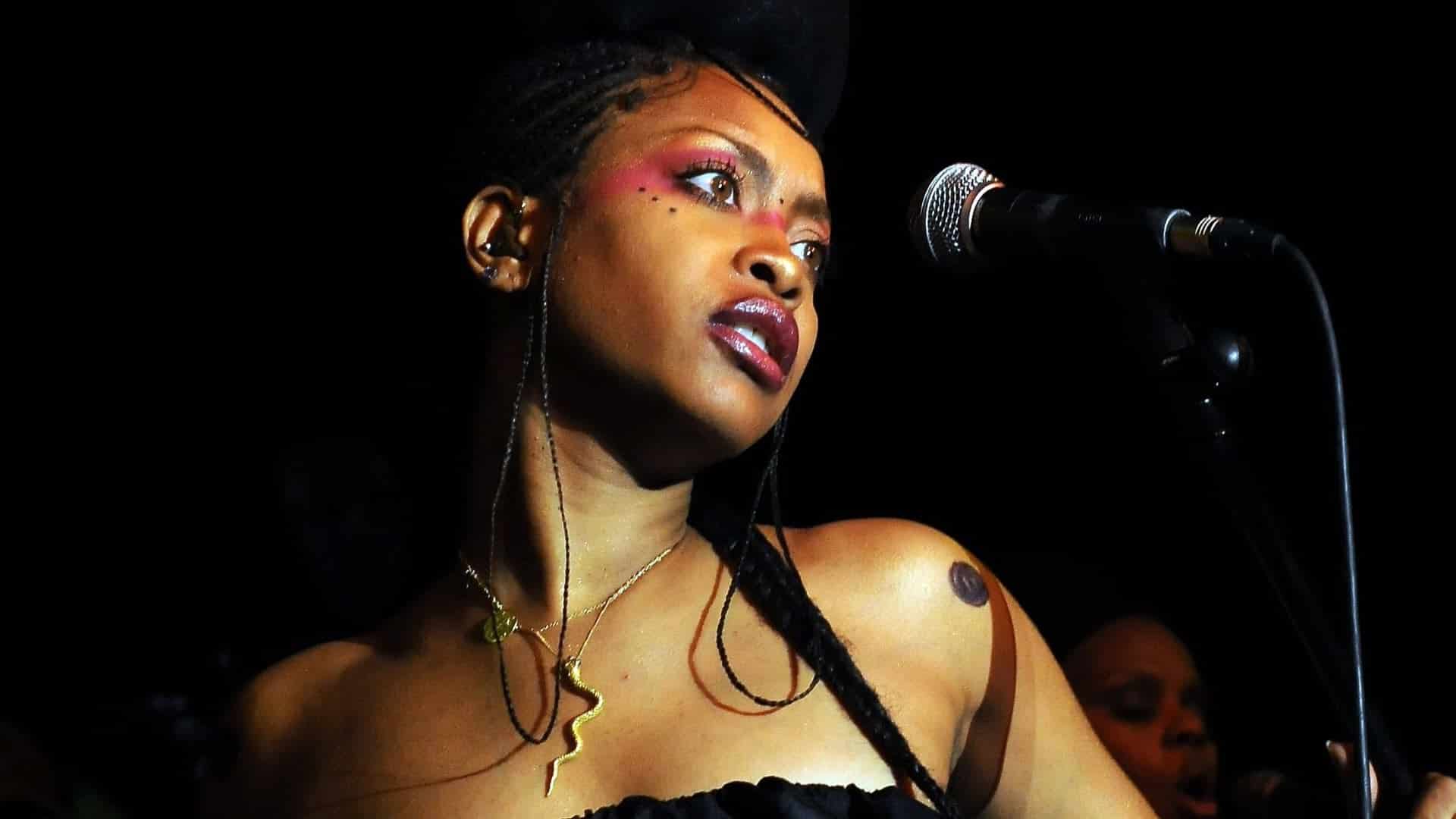
Erykah Badu, often hailed as the “Queen of Neo-Soul,” has captivated listeners worldwide with her unique blend of hip-hop, jazz, and R&B. With a career that spans over two decades, her music transcends genres and resonates with deep emotional authenticity. Badu’s distinct voice, poetic lyricism, and magnetic stage presence have solidified her status as a cultural icon. From her groundbreaking debut album, Baduizm, to her experimental sounds in New Amerykah, she has continually pushed musical boundaries, earning accolades and a devoted fanbase along the way.
In this article, we delve into the top 10 most popular Erykah Badu songs of all time, exploring the tracks that have defined her career and left an indelible mark on the music landscape. Each song on this list showcases her innovative artistry, lyrical depth, and the powerful messages she conveys through her music. Whether you’re a lifelong fan or new to her enchanting sound, prepare to journey through the melodies and stories that make Erykah Badu a true musical legend. Join us as we celebrate the songs that have made waves and continue to inspire generations, highlighting the magic of one of the most influential artists of our time.
1. On & On (1997)
Erykah Badu’s “On & On,” released in 1997, instantly captivated listeners with its soulful melodies and introspective lyrics. This track was a pivotal moment in the neo-soul movement, marking Badu as one of the genre’s most distinctive voices. With her sultry, soothing vocals, she blends spiritual musings with everyday reflections, creating a song that feels both grounded and transcendent. The song’s infectious groove, which combines smooth R&B with jazz-inspired elements, perfectly complements the philosophical undertones of Badu’s lyrics. She reflects on the cyclical nature of life, touching on themes like self-discovery, love, and the search for meaning in a way that feels both personal and universal. Her lyrics explore the balance between feeling connected to the world around her while recognizing the uncertainty that comes with it. Badu’s poetic delivery creates an atmosphere of contemplation, inviting listeners to join her in an intimate journey of reflection. The track’s signature hook, with its catchy melody, lingers long after the song ends, embodying the essence of Badu’s ability to turn philosophical musings into captivating art. “On & On” helped define an era of music where introspection and soul could coexist, making it not only a breakout hit but also a timeless classic. This song still resonates with fans today, as it reminds us of the importance of perseverance, self-awareness, and the cyclical nature of life. Erykah Badu’s unique voice and lyrical depth made “On & On” a groundbreaking anthem for the late ’90s and remains an essential part of her iconic legacy.
2. Tyrone (1997)
Erykah Badu’s “Tyrone,” also released in 1997, quickly became a fan favorite for its raw, relatable storytelling and its unflinching take on the complexities of relationships. The track, which was originally a live performance, captures Badu at her most candid and emotionally powerful. She delivers the song with a mix of sass, humor, and vulnerability, as she sings about a relationship that’s clearly reached its breaking point. The song’s catchy chorus, where Badu famously addresses “Tyrone” and tells him, “You need to call Tyrone,” has become iconic in itself, representing both the strength and frustration that often accompany love and heartbreak. The lyrics convey a sense of empowerment, as Badu demands respect and asserts her own worth, refusing to tolerate a relationship that doesn’t meet her emotional needs. But there’s also a deep sense of vulnerability, as Badu acknowledges the pain of letting go of someone you care about. The fusion of R&B, soul, and a touch of funk gives the song a dynamic, toe-tapping rhythm that matches Badu’s spirited performance. It’s a track that captures the emotional highs and lows of relationships, from the initial infatuation to the painful realization that it might be time to walk away. Live performances of “Tyrone” only add to its energy, as audiences often sing along to the unforgettable refrain, making it an interactive anthem that resonates deeply with anyone who’s ever had to say goodbye to a love that no longer serves them. Badu’s “Tyrone” is not just a breakup song; it’s a declaration of independence and self-respect, a cornerstone of her powerful presence in the neo-soul movement.
3. Bag Lady (2003)
Released in 2003, Erykah Badu’s “Bag Lady” is a deeply impactful song that resonates with listeners on a personal level, offering a poignant message about the emotional baggage we carry. With its laid-back, jazzy instrumental backdrop and smooth R&B vibe, the song’s easygoing rhythm belies the serious subject matter it addresses. In the song, Badu sings to a woman (a metaphor for anyone who carries the weight of past hurts, insecurities, and emotional wounds) and encourages her to let go of the unnecessary burdens that hinder her personal growth and happiness. The metaphor of the “bag lady” is powerful, symbolizing the emotional weight that many of us hold on to, preventing us from moving forward in life. The lyrics suggest that, while it’s natural to accumulate pain and baggage over time, it’s crucial to learn how to release it in order to find freedom and joy. Badu’s soulful voice floats over the mellow instrumentation, gently coaxing the listener into reflection while providing a sense of comfort and reassurance. The song’s infectious chorus, where Badu sings, “Bag lady, you gon’ miss your bus,” is both a warning and a loving invitation to let go of the past before it sabotages the future. “Bag Lady” has become a favorite not only because of its catchy melody but because it taps into a universal truth about emotional growth and healing. It reminds us that we all carry baggage, but it’s never too late to let it go and embrace a more fulfilled and liberated life. Badu’s ability to blend deeply meaningful messages with irresistibly catchy music is what makes this track one of her most enduring hits.
4. Next Lifetime (1997)
“Next Lifetime,” a standout track from Badu’s debut album Baduizm, explores the emotional complexities of unrequited love and the bittersweet feelings of longing for someone who may not be the right person at the right time. Released in 1997, this track beautifully encapsulates the essence of Badu’s unique storytelling style. The song begins with a mellow groove that instantly invites the listener into Badu’s soulful, introspective world. Her voice, ethereal and haunting, glides effortlessly over the laid-back rhythm, creating an atmosphere of wistful nostalgia. The lyrics capture the essence of a love that feels destined but remains unfulfilled, echoing the universal experience of desiring a connection that can never quite come to fruition. Badu sings, “If you’re ever lonely, baby, I’ll be here,” expressing a sense of hope that maybe, in another lifetime, the timing will be right. There’s a sense of acceptance in her delivery, as though she knows that not all connections are meant to last, but that doesn’t diminish the beauty of what was shared. The track’s lush instrumentation, with its jazzy basslines and subtle horn flourishes, adds to the song’s reflective mood, giving it a timeless quality. “Next Lifetime” speaks to the moments in life when we recognize that not all relationships are meant to work out, but we can hold on to the lessons and memories for the future. It’s a testament to Badu’s ability to take a deeply emotional subject—love and loss—and turn it into a soothing yet poignant meditation on fate, time, and human connection.
5. Love of My Life (An Ode to Hip-Hop) (2002)
In “Love of My Life (An Ode to Hip-Hop),” Erykah Badu collaborates with fellow artist Common to create a beautiful tribute to hip-hop culture. Released in 2002, this track is a seamless blend of Badu’s soulful vocals and Common’s thoughtful, poetic verses. The song captures both the personal and cultural significance of hip-hop in shaping their identities and artistic journeys. From the start, Badu’s voice rings with emotion as she sings about the deep love and reverence she feels for hip-hop, describing it as the “love of her life.” The lyrics reflect on the way hip-hop has been a constant companion, offering solace, empowerment, and inspiration throughout her life. For Badu, hip-hop is more than just a genre of music; it’s a way of life, a culture that has provided her with both artistic expression and a means of understanding the world around her. Common’s verses complement this sentiment perfectly, as he shares his own love for the culture and reflects on the ways hip-hop has shaped both his personal and professional experiences. The song is a celebration of the art form, as well as a commentary on its importance in the world of music, activism, and cultural expression. The chemistry between Badu and Common is palpable, as their voices weave together effortlessly, blending their distinct styles into a powerful, harmonious ode to hip-hop. The track’s introspective lyrics and smooth, jazzy production make it a standout in both artists’ catalogs, highlighting their deep connection to the culture and each other. “Love of My Life (An Ode to Hip-Hop)” is a heartfelt and timeless tribute that speaks to the power of music and its ability to shape lives and bring people together.
6. Didn’t Cha Know (2002)
“Didn’t Cha Know,” released in 2002, is a track that showcases Erykah Badu at her best—delivering thought-provoking lyrics wrapped in an irresistible blend of R&B and jazz. The song is both soothing and emotionally captivating, with Badu’s velvety voice effortlessly gliding over the lush instrumental arrangement. The track’s central theme revolves around self-discovery and the emotional growth that comes with love and life experience. The lyrics tell the story of a person who is slowly awakening to the truth of their situation, realizing things about themselves and their relationships that were once hidden. The refrain, “Didn’t cha know? I’ve been waiting for you,” expresses a sense of anticipation and longing for something that’s just out of reach, yet feels inevitable. The song’s laid-back vibe and slow-burning rhythm create a sense of introspection, inviting listeners to reflect on their own experiences of emotional awakening. It’s a track that speaks to those moments in life when we recognize the importance of embracing change, taking ownership of our emotions, and letting go of past fears and doubts. The lush instrumentation—characterized by smooth bass lines, soft percussion, and a touch of soulful horns—creates a dreamy atmosphere that perfectly complements Badu’s vocal delivery. “Didn’t Cha Know” is a track that speaks to the transformative power of love and self-realization. The combination of Badu’s soulful voice and the song’s deep, jazzy groove makes it one of her most beloved tracks, resonating with fans on both an emotional and musical level. It’s a song that stays with you long after it ends, offering both comfort and inspiration as listeners continue their own journeys of self-discovery.
7. Window Seat (2010)
“Window Seat,” released in 2010, marked a bold new chapter in Erykah Badu’s career. The track’s catchy hook and energetic production immediately draw the listener in, while its deep lyrics reflect themes of self-empowerment and the quest for personal freedom. In the song, Badu explores the idea of seeking authenticity in a world that often feels overwhelming and demanding. The repeated refrain of “I need you to know, I’m going to the window” represents a powerful desire for escape, for finding a quiet space where one can be free from the pressures of society and personal expectations. The song’s upbeat tempo contrasts with the more serious, introspective nature of the lyrics, creating a dynamic that keeps listeners engaged. As Badu sings about her longing for freedom and clarity, she encourages others to take charge of their own paths, to break away from the mundane, and to seek out their true selves. The accompanying music video, which famously shows Badu walking through the streets of Dallas while gradually shedding her clothes, sparked conversations about vulnerability, liberation, and reclaiming one’s identity. “Window Seat” is not just a song about personal freedom; it’s also a metaphor for the internal journey that Badu herself has taken throughout her career. It’s a bold statement about the need to disconnect from the noise of the world and reconnect with the deeper parts of ourselves. The infectious energy and unapologetic confidence that define the song are reflective of Badu’s fearless artistry, making “Window Seat” a powerful anthem for anyone seeking to live authentically. This track captures the spirit of independence and self-discovery that continues to resonate with listeners today, solidifying Badu’s place as a boundary-pushing artist who uses her platform to inspire and challenge her audience.
8. Honey (2008)
Released in 2008, “Honey” is a fun, upbeat track that showcases a different side of Erykah Badu’s musical personality. The song combines elements of funk, soul, and pop, creating an infectious groove that immediately gets your head nodding. Badu’s playful and charismatic vocal delivery is the perfect match for the song’s lighthearted lyrics, which revolve around the sweet feeling of infatuation and the excitement of a new romance. The song exudes a carefree, celebratory vibe that contrasts with some of her more introspective tracks, offering listeners a refreshing moment of joy. With its catchy chorus and upbeat instrumentation, “Honey” stands out as one of Badu’s most commercially accessible songs, while still maintaining the depth and originality that defines her artistry. The playful lyrics, in which Badu sings about being “honey” for someone and enjoying the thrill of a romantic connection, are infused with a sense of flirtation and fun. At the same time, there’s a layer of complexity in the song’s structure, as it incorporates smooth jazz rhythms and funky bass lines, adding depth to the otherwise light-hearted tone. “Honey” is a celebration of love and attraction, a reminder that even in the midst of life’s challenges, there are moments of sweetness to be enjoyed. The track’s catchy beat and infectious melody have made it a favorite among fans, showing off Badu’s ability to blend joy with depth. The song is a testament to her versatility as an artist, capable of both sparking serious reflection and lifting spirits with her playful side. “Honey” brings an upbeat energy to Badu’s catalog and continues to be a crowd favorite, proving that Badu’s ability to mix fun with soul is as strong as ever.
9. Other Side of the Game (1997)
“Other Side of the Game,” released in 1997, is one of Erykah Badu’s most soulful and emotionally charged tracks, showcasing her ability to convey complex emotions through her music. The song delves into the challenges of love, sacrifice, and the struggle to maintain a relationship amidst difficult external circumstances. Badu’s rich, haunting vocals deliver the narrative with a sense of vulnerability and strength, drawing listeners into a world where love is tested by external forces like ambition, responsibility, and the demands of life. The song is deeply introspective, as Badu sings about being caught between the desire to support a loved one and the internal conflict that arises when the relationship is strained by external pressures. With its smooth, jazzy instrumentation and Badu’s soulful delivery, “Other Side of the Game” captures the feeling of navigating a difficult situation where love is both a source of strength and a point of tension. The lyrics convey a sense of yearning, as Badu sings about wanting to make a connection with someone who is physically and emotionally distant. There’s also a sense of resignation, as she accepts that sometimes love isn’t enough to overcome the challenges life presents. The song’s emotional depth, paired with its laid-back groove, creates a powerful contrast that speaks to the complexities of love in difficult times. “Other Side of the Game” resonates with anyone who has experienced the struggle of trying to hold on to love while facing external pressures, making it one of the standout tracks on Badu’s debut album Baduizm. Its soulful, introspective nature remains a testament to Badu’s artistry, capturing the intricacies of life, love, and sacrifice in a way that continues to speak to audiences today.
10. Green Eyes (2008)
“Green Eyes,” released in 2008, is a beautifully complex and emotionally raw song that captures the heartache of betrayal and the process of letting go of a love that has run its course. The track’s lush instrumentation, which incorporates a mix of soulful melodies and jazzy arrangements, complements Badu’s deeply emotional vocal performance, creating a poignant atmosphere that pulls listeners into the depths of her emotions. The song is an exploration of the pain and confusion that comes with the end of a relationship, particularly when trust has been broken. Badu’s voice conveys a sense of vulnerability as she sings about her emotional turmoil, offering a window into her own struggles with love and loss. The lyrics of “Green Eyes” tell the story of someone who has been hurt by a partner’s infidelity, and the green eyes referenced in the song are a symbol of jealousy, envy, and heartbreak. Badu’s delivery of the line, “You had me so gone,” perfectly captures the feeling of being caught up in a love that ultimately leads to disappointment and emotional pain. The intricate arrangements of the song—featuring smooth, jazzy guitar riffs and soft percussion—enhance the melancholy mood, adding depth to the raw emotion Badu conveys. “Green Eyes” is a song that speaks to the pain of unrequited love and the challenge of moving on from a relationship that has left emotional scars. It’s a testament to Badu’s ability to create a song that is both vulnerable and powerful, capturing the complexities of human emotions in a way that resonates deeply with her listeners. The song remains one of the most memorable tracks in her catalog, showcasing her mastery in blending raw emotion with beautiful, sophisticated musical arrangements.

Edward Tomlin is a frequent contributor to Singers Room. Since 2005, Singersroom has been the voice of R&B around the world. Connect with us via social media below.









