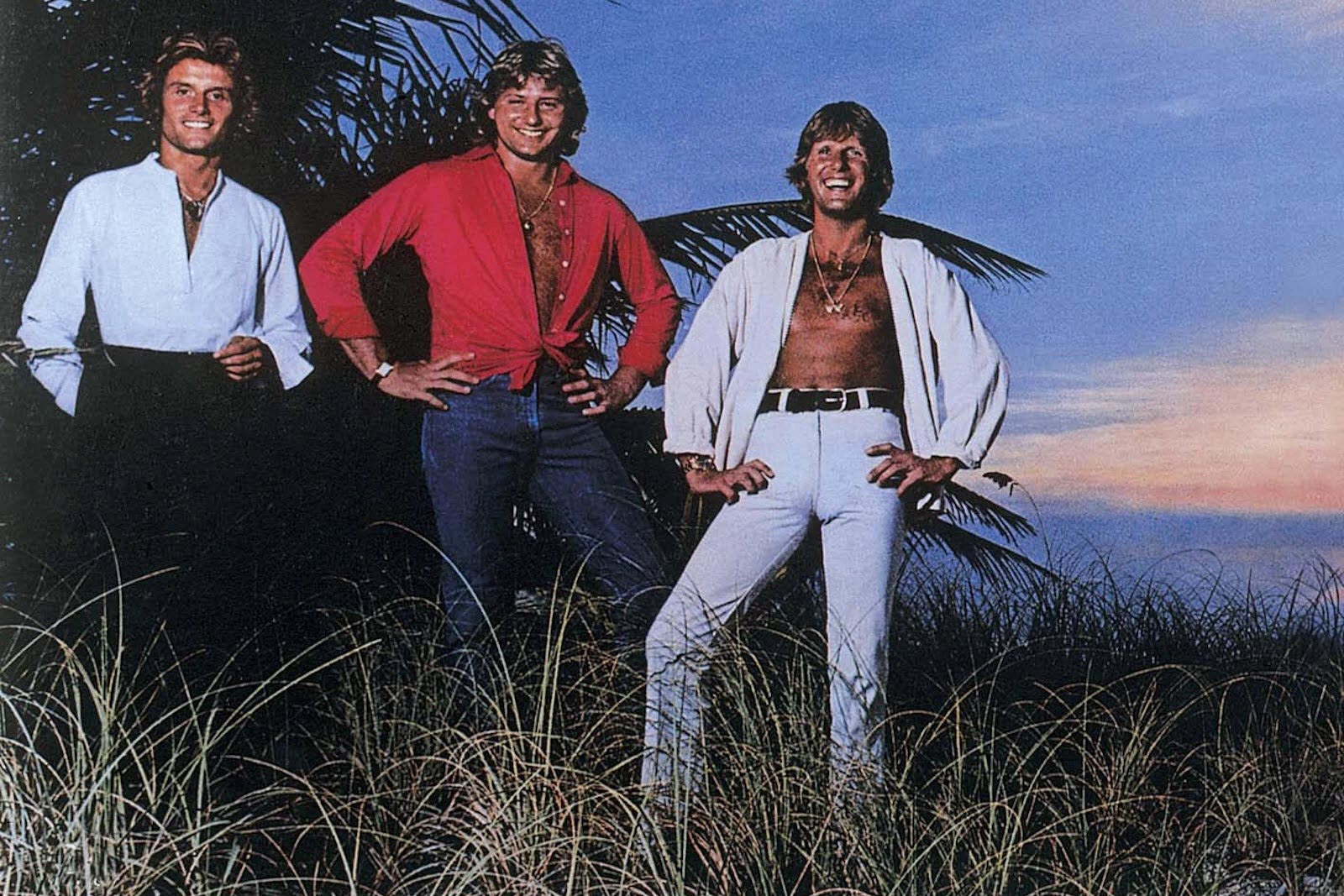
Few bands in the history of rock music have managed to push the boundaries of creativity, technical brilliance, and sheer sonic ambition quite like Emerson, Lake & Palmer. Formed in 1970, this legendary trio—comprised of Keith Emerson, Greg Lake, and Carl Palmer—redefined progressive rock with their virtuosic musicianship, groundbreaking compositions, and larger-than-life performances. Blending classical influences, jazz experimentation, and rock energy, ELP created a catalog of music that continues to inspire, astonish, and captivate fans across generations.
From epic symphonic suites to haunting ballads and dizzying instrumental showcases, ELP’s music is a masterclass in innovation. Their songs transport listeners to otherworldly realms, challenging conventions and evoking powerful emotions. Whether you’re a lifelong fan or a curious newcomer, diving into the best of ELP is an unforgettable experience.
In this article, we’ll count down the top 10 most popular Emerson, Lake & Palmer songs of all time. These tracks represent the heart and soul of the band’s genius, offering a perfect mix of fan-favorites, timeless anthems, and awe-inspiring masterpieces. Get ready to relive the magic, discover the brilliance, and celebrate the enduring legacy of one of prog rock’s greatest forces!
1. Lucky Man (1970)
“Lucky Man,” featured on Emerson, Lake & Palmer’s self-titled debut album, remains one of the band’s most iconic songs. Written by Greg Lake when he was just 12 years old, the song reflects on the fleeting nature of wealth, power, and life itself. It tells the tale of a rich, powerful nobleman who, despite his riches, cannot escape an untimely demise. The track stands apart from the band’s usual bombastic progressive rock style, presenting a much more subdued acoustic ballad. The song begins with Lake’s emotive vocals and delicate acoustic guitar, setting a reflective tone that contrasts sharply with the intense musical arrangements the band is often known for. The beauty of the song lies in its simplicity, yet its emotional depth pulls the listener in. However, the track’s crowning moment arrives toward the end, with Keith Emerson’s groundbreaking Moog synthesizer solo. At the time of its release in 1970, this solo was a revelation, with its otherworldly tones and futuristic sounds. It became one of the first widely recognized examples of synthesizer-driven rock, paving the way for a new era in music. The track went on to become a surprise hit and, despite being much more restrained than many of ELP’s other works, it introduced the band to a broader audience. “Lucky Man” remains a beloved classic and a defining moment in ELP’s illustrious career. The way it melds acoustic introspection with progressive rock innovation exemplifies the band’s unique ability to balance complexity and emotional resonance, making it a timeless piece in the world of rock music.
2. Karn Evil 9 (1973)
Clocking in at nearly 30 minutes, “Karn Evil 9” is an epic, multi-part suite from Emerson, Lake & Palmer’s 1973 album Brain Salad Surgery. A true progressive rock masterpiece, it’s one of the band’s most ambitious works, stretching the boundaries of musical storytelling with its blend of futuristic themes, virtuosic instrumentation, and complex structure. The piece is divided into three “impressions,” each offering its own unique musical landscape, but it’s the second impression, with its now-iconic opening line, “Welcome back my friends to the show that never ends,” that has become a hallmark of the band’s live shows. The second impression features some of the most well-known and widely loved moments in ELP’s catalog, with intricate keyboard solos from Keith Emerson and an overall sense of grandeur that perfectly encapsulates the band’s approach to progressive rock. The music itself is a dizzying whirlwind of ideas, with the band’s musicianship pushing the limits of what was thought possible at the time. The lyrics, filled with dark visions of a dystopian future, explore themes of technology, human nature, and the loss of individuality in a society increasingly driven by automation. The piece is a reflection of the tension between technological advancement and human emotion. ELP’s intricate arrangement and symphonic approach to rock music make Karn Evil 9 a quintessential example of progressive rock. To this day, it remains a fan-favorite, celebrated for its bold, genre-defying vision and its role in cementing ELP’s place in rock history.
3. From the Beginning (1972)
Released in 1972 on the album Trilogy, “From the Beginning” stands out as one of Emerson, Lake & Palmer’s most accessible and emotionally resonant tracks. This gentle acoustic ballad, written by Greg Lake, has a contemplative quality, contrasting with the complex arrangements that defined much of the band’s catalog. The song is a reflection on love, loss, and the introspective journey of self-awareness. Lake’s soothing vocals are complemented by delicate guitar arpeggios, creating a serene atmosphere that draws the listener in with its vulnerability. The lyrics speak of the innocence of love, as well as the pain of looking back on it, yet they are universally relatable, making it one of the band’s most enduring and timeless pieces. The song’s simplicity allows the listener to appreciate the subtle nuances in Lake’s voice, capturing a sense of nostalgia and longing. What makes “From the Beginning” truly stand out is the unexpected use of synthesizers and a jazzy guitar solo, which are woven seamlessly into the song’s arrangement. This brings an additional layer of depth to the track, showcasing the band’s ability to explore different genres and textures while maintaining a deep emotional core. The song is a perfect example of the band’s versatility, highlighting their ability to craft a song that, while simpler than many of their more complex compositions, still packs an emotional punch. As one of ELP’s most beloved tracks, “From the Beginning” continues to resonate with fans, offering a moment of introspection amidst the band’s more ambitious works.
4. Tarkus (1971)
The title track of Emerson, Lake & Palmer’s 1971 album Tarkus is one of the band’s most daring and ambitious compositions. At nearly 20 minutes long, this sprawling suite is a triumph of progressive rock, blending complex time signatures, classical influences, and hard rock energy in an unforgettable musical journey. The track tells the story of a mythical creature, Tarkus, whose journey through battles and struggles explores themes of evolution, conflict, and survival. The music itself mirrors these themes, shifting through a variety of moods and musical styles that reflect Tarkus’s tumultuous journey. Keith Emerson’s virtuosic keyboard work is front and center, as he navigates complex passages on the organ and synthesizers, effortlessly blending classical motifs with rock dynamics. Carl Palmer’s drumming is explosive, providing a solid backbone that drives the song’s rhythm and power, while Greg Lake’s basslines anchor the song’s intricate arrangements. Each section of the piece serves a different musical purpose, creating a dynamic listening experience that constantly evolves. What makes “Tarkus” truly remarkable is its ability to mix diverse musical styles—ranging from classical and jazz to rock and electronic—into a cohesive whole. The track’s adventurous nature exemplifies ELP’s commitment to pushing the boundaries of music, and it remains a fan favorite for its sheer audacity and inventiveness. Whether it’s the dark, brooding sections or the more uplifting, triumphant moments, “Tarkus” remains a defining statement of progressive rock and a testament to ELP’s ability to craft music that’s as ambitious as it is powerful.
5. Trilogy (1972)
The title track of Emerson, Lake & Palmer’s 1972 album Trilogy is a stunning example of the band’s ability to blend beauty with complexity. The song opens with a tender piano melody, setting a reflective mood as Greg Lake’s heartfelt vocals take center stage. His voice, gentle yet powerful, perfectly complements the song’s atmospheric quality, creating a sense of intimacy and introspection. As the song progresses, it slowly builds, with intricate keyboard and drum interplay adding layers of texture and depth to the arrangement. The way the song shifts from delicate, almost fragile moments to more intense, symphonic sections highlights ELP’s mastery of dynamic contrasts. It’s a track that showcases the band’s versatility, moving between soft, melodic passages and bold, sweeping orchestration. The lyrics, while somewhat abstract, evoke a sense of longing, introspection, and the passage of time, making the song resonate on a deeply emotional level. What makes “Trilogy” so special is the way it captures the essence of progressive rock—balancing complex musicality with heartfelt emotion. The song’s seamless transitions and sophisticated arrangement are a testament to the band’s compositional brilliance, and it stands as one of their most beloved and enduring pieces. For fans of ELP, “Trilogy” is a defining moment in their catalog, representing the perfect marriage of beauty and complexity that has become synonymous with the band’s signature style.
6. Fanfare for the Common Man (1977)
Emerson, Lake & Palmer’s interpretation of Aaron Copland’s Fanfare for the Common Man became one of the band’s most popular and enduring hits. Released in 1977 on Works Volume 1, the track transformed the classic orchestral piece into a full-fledged rock anthem. The result was a breathtaking fusion of classical music and progressive rock that showcased the band’s ability to bridge two seemingly disparate worlds. The song begins with the soaring brass fanfare of Copland’s original composition, but ELP quickly adds their own distinct twist, layering Keith Emerson’s powerful synthesizer lines over the arrangement, Carl Palmer’s thunderous drumming, and Greg Lake’s steady bass. The resulting sound is larger than life, with a sense of grandeur and majesty that perfectly complements the original fanfare’s patriotic tone. The track’s arrangement is both bold and cinematic, creating an epic atmosphere that feels as though it could fill a vast stadium. As one of the band’s most recognizable and commercially successful tracks, “Fanfare for the Common Man” became a staple of their live shows, and its energy and infectious grandeur made it a crowd favorite. The song perfectly encapsulates ELP’s unique ability to reinterpret classical music through the lens of rock, making it one of their defining moments. Its combination of classical sophistication and rock intensity remains a testament to the band’s groundbreaking approach to music, and it continues to captivate audiences more than 40 years after its release.
7. The Barbarian (1970)
“The Barbarian,” the opening track of Emerson, Lake & Palmer’s debut album in 1970, is a fierce, instrumental showcase of the band’s virtuosity and raw power. Based on Béla Bartók’s Allegro Barbaro, the track introduces listeners to the band’s signature sound—a potent fusion of classical influence and progressive rock. The composition immediately grabs attention with its relentless energy, led by Keith Emerson’s aggressive and virtuosic piano and organ work. His fiery performance drives the song forward, creating a sense of urgency and intensity that defines the track. Meanwhile, Carl Palmer’s drumming is dynamic and intricate, providing a perfect rhythm section to complement the chaotic piano lines. Greg Lake’s bass provides a deep foundation, tying the disparate elements of the song together. The track’s relentless pace and dramatic build evoke a sense of battle, fitting for a piece named “The Barbarian.” As one of the band’s earliest works, “The Barbarian” establishes the band’s penchant for blending complex classical compositions with hard-edged rock energy. The song is a thrilling ride, filled with frenetic energy and technical brilliance, and it remains one of the band’s most exciting pieces. Its raw power and aggressive instrumentation set the tone for the rest of ELP’s groundbreaking debut, marking the arrival of a band that would go on to redefine the landscape of progressive rock.
8. Still… You Turn Me On (1973)
From Brain Salad Surgery (1973), “Still… You Turn Me On” is a heartfelt ballad that stands out for its tenderness and emotional depth. The track provides a moment of introspection amidst the album’s more grandiose, complex arrangements, offering a brief respite with its simplicity and warmth. Greg Lake’s songwriting shines through in this piece, as he delivers a poignant and personal reflection on love and devotion. The song opens with a delicate acoustic guitar, setting a romantic, intimate tone, while lush orchestration slowly builds behind it, adding layers of emotional depth to the arrangement. Lake’s vocals are soft yet expressive, conveying a sense of longing and vulnerability as he sings of being captivated by a lover. His lyrical themes of desire, affection, and the power of love resonate deeply with listeners, making the song an enduring favorite. The gentle acoustic guitar lines, coupled with the swelling orchestration, create a lush, cinematic atmosphere that makes the track feel both timeless and deeply personal. The song’s simplicity, particularly compared to some of the more complex tracks on Brain Salad Surgery, allows it to stand out as a quiet, emotional highlight on the album. Its beauty lies in its understated nature, with Lake’s soulful vocals and the song’s tender arrangement creating a piece that has resonated with fans for decades. “Still… You Turn Me On” remains a testament to Greg Lake’s ability to craft emotionally powerful music that speaks directly to the heart.
9. Knife-Edge (1970)
https://www.youtube.com/watch?v=TQQdYokbp4E&pp=ygUSIEtuaWZlLUVkZ2UgKDE5NzAp
“Knife-Edge,” from Emerson, Lake & Palmer’s 1970 debut album, is a bold and dramatic track that blends rock with classical influences. The song takes inspiration from composers Leoš Janáček and J.S. Bach, drawing from their intricate melodic structures and emotional intensity. The result is a song that feels both sophisticated and raw, fusing dark, ominous organ lines with powerful drumming and bass. Greg Lake’s commanding vocals enhance the song’s heavy atmosphere, adding to the sense of urgency and tension that permeates the track. The song’s structure is dynamic, moving between brooding, almost cinematic sections and explosive rock moments. The band’s musicianship is on full display, with Keith Emerson’s organ playing leading the way through intricate, swirling passages. Carl Palmer’s drumming is fierce, pushing the tempo and intensity forward, while Greg Lake’s bass anchors the composition, ensuring that it never loses its sense of direction. The song’s ominous tone is further emphasized by the lyrics, which touch on themes of danger and conflict, while still leaving room for a sense of hope. “Knife-Edge” represents the band’s ability to fuse classical sophistication with the raw energy of rock, creating a sound that was entirely unique at the time. As one of their earliest songs, “Knife-Edge” established Emerson, Lake & Palmer as innovators, blending genres and breaking musical boundaries in ways that were revolutionary for its time.
10. Jerusalem (1973)
Emerson, Lake & Palmer’s rendition of the hymn “Jerusalem,” released on their 1973 album Brain Salad Surgery, is a bold and powerful reinterpretation of a British classic. Based on William Blake’s poem and Hubert Parry’s music, the track takes the original hymn and reimagines it through the lens of progressive rock. The song begins with a majestic organ intro from Keith Emerson, immediately setting a regal tone that is both grandiose and uplifting. As Greg Lake’s soaring vocals enter, the song takes on an anthemic quality, filled with a sense of purpose and pride. The song’s lyrics, which speak of building a “Jerusalem” in England’s green and pleasant land, are given new life by Emerson, Lake & Palmer’s arrangement, turning the piece into a statement of hope and vision. Carl Palmer’s dynamic drumming drives the track forward, while Emerson’s organ and synthesizers create a powerful atmosphere of triumph and determination. The band’s ability to blend classical traditions with rock elements is on full display here, as the song builds to an epic crescendo that feels both spiritual and revolutionary. Emerson, Lake & Palmer’s interpretation of “Jerusalem” is more than just a cover—it is a reimagining of the hymn, transforming it into a progressive rock anthem that has become a defining moment in the band’s career. The track perfectly exemplifies the band’s skill at taking familiar works and giving them new life, blending classical and rock music into something entirely fresh and powerful.

Edward Tomlin is a frequent contributor to Singers Room. Since 2005, Singersroom has been the voice of R&B around the world. Connect with us via social media below.









