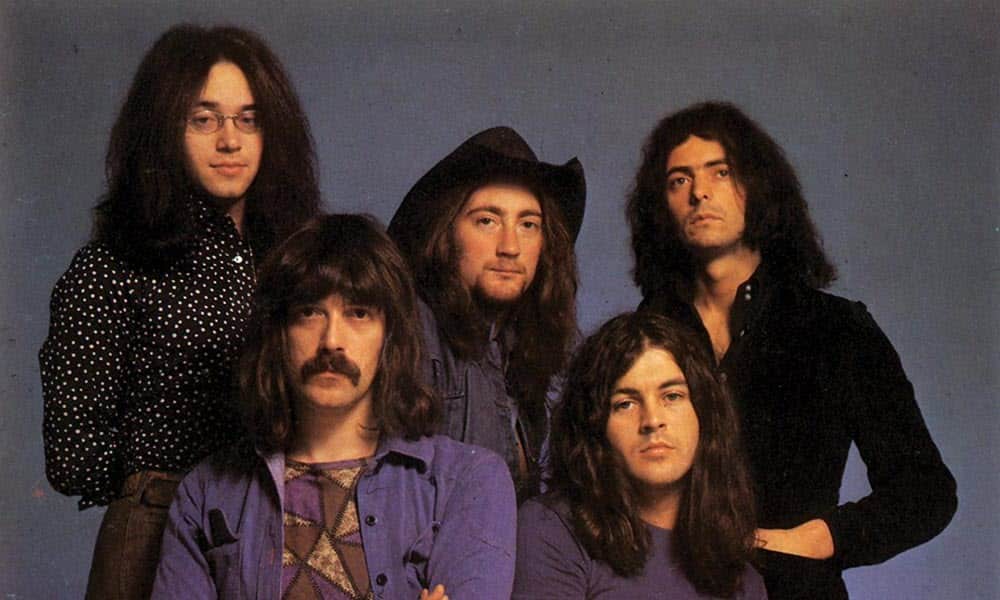
Few bands in the history of rock have left as indelible a mark as Deep Purple. With their electrifying fusion of hard rock, heavy metal, and progressive elements, Deep Purple didn’t just define an era—they helped shape the very sound of modern rock music. From the thunderous riffs that ignite stadiums to the soulful melodies that send chills down your spine, their legendary catalog is packed with timeless classics that have stood the test of time.
But which songs truly capture the essence of Deep Purple’s genius? Which tracks have become the anthems of generations, blasting through speakers and inspiring both die-hard fans and newcomers alike? In this article, we dive headfirst into the top 10 most popular Deep Purple songs of all time—a thrilling journey through the band’s unforgettable hits, powerful lyrics, and jaw-dropping performances. Whether you’re a long-time fan or exploring their music for the first time, these tracks showcase why Deep Purple is hailed as one of the greatest rock bands in history.
So, crank up the volume, get ready to headbang, and join us as we rank the songs that have cemented Deep Purple’s place in rock ‘n’ roll immortality. Let’s rock!
1. Smoke on the Water (1972)
Few guitar riffs are as instantly recognizable as the opening of “Smoke on the Water,” Deep Purple’s iconic anthem from their Machine Head album, released in 1972. The song tells the true and dramatic story of a fire that broke out during a Frank Zappa concert at the Montreux Casino in Switzerland. Deep Purple, who were recording nearby, witnessed the event firsthand, and they immortalized the moment with the now-famous lyric “smoke on the water, fire in the sky.” The imagery of smoke billowing over Lake Geneva became a symbol of chaos and creativity in the face of adversity. Guitarist Richie Blackmore’s riff, simple yet profound, is perhaps the most famous in rock history, and it immediately draws listeners in. Blackmore’s precision and innovative style, along with Ian Gillan’s powerful, raspy vocals, elevate the track into rock ‘n’ roll legend. The song’s structure, with its slow, methodical build-up and explosive chorus, mirrors the tension and release experienced during the fire. “Smoke on the Water” became a defining song of the 1970s and remains an anthem for generations of rock fans. For budding guitarists, it’s considered a rite of passage to learn the riff, and for many, the song is synonymous with classic rock itself. Decades later, “Smoke on the Water” continues to stand as one of Deep Purple’s most celebrated songs, a timeless testament to the power of rock music and the band’s resilience in turning a disaster into one of the genre’s most enduring tracks.
2. Highway Star (1972)
“Highway Star,” another electrifying track from Deep Purple’s Machine Head album, was released in 1972 and is an unapologetic celebration of speed, freedom, and the open road. From the very first notes, this song hits the ground running, featuring blistering guitar riffs from Richie Blackmore, dynamic organ work by Jon Lord, and an overall sense of unrestrained energy that perfectly mirrors the thrill of driving fast. Lyrically, the song embraces the exhilaration of life on the road, capturing that feeling of youthful rebellion and the pure joy of hitting the accelerator and never looking back. What sets “Highway Star” apart, however, is the remarkable musicianship on display throughout. Blackmore’s guitar solos are intense and technical, while Lord’s organ playing adds depth and a sense of grandeur. Ian Gillan’s powerful vocals are perfectly suited to the song’s aggressive tone, as he belts out each line with passion and intensity. But it’s not just about speed; the song’s structure, with its unpredictable changes in tempo and mood, gives a sense of journey—of going full throttle one moment and slowing down to reflect the next. Considered one of the greatest driving songs of all time, “Highway Star” captures the spirit of rock in its purest form. It’s high-octane, larger-than-life, and brimming with the thrill of adventure, making it a staple of Deep Purple’s live shows and an enduring favorite among fans.
3. Child in Time (1970)
“Child in Time,” from Deep Purple’s 1970 album Deep Purple in Rock, is a haunting and emotional masterpiece that stands as one of the band’s most ambitious works. Clocking in at over 10 minutes, this epic ballad begins with a delicate guitar and organ intro that gradually builds in intensity. Lyrically, the song carries a powerful anti-war message, with Ian Gillan’s vocals capturing the anguish and sorrow of a world torn apart by violence. His voice, which alternates between gentle, almost fragile tones and searing, gut-wrenching screams, is a key element that makes the song so compelling. The imagery in the lyrics speaks of a lost generation, urging listeners to recognize the harm of war and its consequences. As the song progresses, the tension builds until it explodes into one of Deep Purple’s most iconic instrumental sections, with Richie Blackmore’s guitar solo soaring high above the rhythmic drive created by Jon Lord’s organ and Ian Paice’s drums. The emotional intensity of “Child in Time” reaches its peak when Gillan’s voice cracks with desperation, pleading for peace and understanding. The track exemplifies Deep Purple’s mastery of dynamics, creating a journey through quiet introspection, rage, and ultimate catharsis. “Child in Time” is a progressive rock gem, blending emotional depth with musical complexity. It’s a reminder of Deep Purple’s ability to tackle serious themes with both artistry and power, and it remains a poignant and unforgettable song in their catalog.
4. Hush (1968)
“Hush,” Deep Purple’s first major hit, was released in 1968 on their debut album Shades of Deep Purple and quickly made its mark on the music scene. Originally written by Joe South, Deep Purple’s version infuses the track with their signature energy and creativity, transforming it into a hard-rocking anthem with an unmistakable groove. The song begins with a catchy, energetic riff from Jon Lord’s organ, setting the tone for the lively performance that follows. Rod Evans’ smooth vocals provide the perfect counterpoint to the driving rhythms, giving the song a sense of urgency and excitement. The lyrics, though simple, carry an infectious energy, with the repeated refrain “Hush, hush, I thought I heard you calling my name” being a chorus that sticks with you long after the song ends. What truly elevates “Hush” is the band’s ability to mix genres; while the song has elements of pop, rock, and blues, it’s unmistakably Deep Purple in its sound. The track’s success marked the beginning of a long and fruitful career for the band, securing their place in rock history. “Hush” was not only a chart-topping success in the U.S. and U.K., but it also introduced the world to Deep Purple’s musical talent, particularly Jon Lord’s skillful organ playing, which became a defining feature of their sound. Even decades after its release, “Hush” remains a fan favorite and a testament to the band’s early innovation and creativity in blending genres to create a distinctive rock sound.
5. Lazy (1972)
“Lazy,” from Deep Purple’s Machine Head album (1972), is anything but a laid-back track. The song, which opens with an extended bluesy organ intro by Jon Lord, takes the listener on a journey through a slow-building instrumental jam that perfectly captures the raw energy of the band’s live performances. The song’s foundation is rooted in the blues, but it soon evolves into a fiery, hard-rocking groove that features some of Deep Purple’s most impressive musicianship. Richie Blackmore’s guitar work is fiery and fluid, cutting through the track with sharp solos, while Ian Paice’s drumming adds both complexity and drive. Ian Gillan’s playful lyrics provide a touch of lightheartedness to what is otherwise a high-intensity jam session, adding a unique touch to the track’s overall atmosphere. The song is an interesting mix of improvisation and structure, allowing each band member to shine as they exchange musical phrases and explore new sonic territories. What makes “Lazy” particularly remarkable is its length—at just over seven minutes, it allows the band the freedom to experiment and stretch their musical muscles. Lord’s organ work stands out throughout, driving the track forward and creating a rich, dynamic sound that is quintessentially Deep Purple. The song’s blend of blues, hard rock, and improvisational flair showcases the band’s musical prowess and their ability to push the boundaries of rock music. “Lazy” remains a beloved track in Deep Purple’s catalog, a true testament to their musical skill and versatility, and a highlight of their Machine Head album.
6. Black Night (1970)
“Black Night,” released as a standalone single in 1970, quickly became one of Deep Purple’s most beloved tracks. With its infectious riff and driving rhythm, the song has a raw energy that makes it a quintessential classic rock anthem. Richie Blackmore’s guitar work is, as always, top-notch, with a riff that’s simple yet effective, making it instantly recognizable. The song opens with a groovy bassline from Roger Glover that sets the tone for the rest of the track. Ian Gillan’s vocals are commanding, delivering the song’s lyrics with power and confidence. The lyrics, which speak of longing and loneliness, are straightforward yet effective, adding an emotional depth to the song’s otherwise energetic feel. “Black Night” is a perfect example of the band’s ability to balance hard rock power with melody, creating a track that’s both catchy and intense. The song’s infectious chorus, with Gillan’s voice soaring as he sings, “Black night is a long way from home,” is one that stays with you long after the track has ended. The instrumental sections of the song provide plenty of room for each member of the band to showcase their skills, particularly during the instrumental break, which features Blackmore’s fluid guitar work and Jon Lord’s dynamic organ playing. “Black Night” was a chart-topping success, reaching number two in the U.K., and it became a fan favorite, cementing its place as one of Deep Purple’s most iconic songs. Even decades later, “Black Night” remains a classic, a staple of the band’s live performances, and a beloved track for rock fans around the world.
7. Burn (1974)
“Burn,” the title track of Deep Purple’s 1974 album, marked a significant change for the band, with David Coverdale taking over as the lead vocalist. The song kicks off with an explosive combination of Richie Blackmore’s scorching guitar, Jon Lord’s dramatic organ, and Ian Paice’s thunderous drumming. From the opening notes, “Burn” grabs the listener’s attention with its raw energy and intensity, establishing a new era for Deep Purple. The song’s lyrics, which speak of passion, destruction, and the feeling of being consumed by desire, match the intensity of the music, with Coverdale’s soaring vocals adding a sense of urgency and fire to the track. The chorus, with its repeated refrain of “Burn, baby, burn,” becomes a rallying cry for the song’s reckless energy. Blackmore’s guitar work is a standout feature, with blistering solos and riffs that complement Lord’s swarming organ lines. The dynamics of the song shift throughout, with moments of explosive intensity followed by quieter, more atmospheric sections that build tension before the next fiery outburst. “Burn” stands as a quintessential hard rock anthem, showcasing the band’s ability to combine melody and power with a sense of theatricality. The track remains a signature song from the Coverdale era and a staple of Deep Purple’s live shows. With its heavy, energetic sound and unforgettable riffs, “Burn” is a true hard rock classic and a song that continues to leave a lasting impression on fans.
8. Perfect Strangers (1984)
After a period of lineup changes and hiatus, Deep Purple returned in 1984 with their album Perfect Strangers, which featured a title track that would become an instant classic. The song’s haunting keyboard intro, played by Jon Lord, sets a dark and mysterious atmosphere that perfectly complements the introspective lyrics. As Richie Blackmore’s guitar begins to weave through the track, it becomes clear that Deep Purple was back with a renewed energy and purpose. The song’s lyrics, which touch on themes of loss, nostalgia, and the passage of time, capture the feeling of reconnecting with someone from the past. Ian Gillan’s vocals are reflective and wistful, delivering each line with emotional depth and resonance. The song gradually builds in intensity, with Blackmore’s guitar taking the lead during the instrumental breaks, adding a layer of power and urgency to the track. The chemistry between the band members is evident, and the song feels like a reunion, both musically and thematically. “Perfect Strangers” became one of Deep Purple’s most enduring songs, praised for its depth and complexity. It marked a new chapter in the band’s career, showing their ability to evolve while staying true to their roots. The song’s success helped solidify the band’s comeback and remains a staple in their live performances, a testament to their continued relevance and influence in the rock world.
9. Space Truckin’ (1972)
“Space Truckin’,” from Deep Purple’s Machine Head album (1972), is a song that combines the band’s signature hard rock sound with a playful, cosmic theme. The track is a high-energy rollercoaster that invites listeners on an intergalactic journey. From the opening riff, it’s clear that the song is meant to be an adrenaline rush. The driving rhythm, with its pounding drums and thumping bass, sets the stage for the song’s energetic and chaotic vibe. Ian Gillan’s vocals are full of enthusiasm as he leads the listener through the song’s futuristic lyrics. The chorus, with its chant of “Come on, come on, come on, let’s go space truckin’,” is impossible not to sing along to, making it one of Deep Purple’s most crowd-pleasing songs. Richie Blackmore’s guitar work is as fiery as ever, with blistering solos that cut through the track, adding an edge to the otherwise playful mood. The song’s instrumental sections allow the band to stretch their muscles, particularly with Jon Lord’s organ work, which adds a sense of drama and intensity. “Space Truckin’” is both playful and intense, blending humor with hard rock to create a track that is as fun as it is powerful. It remains a fan favorite and a staple of Deep Purple’s live shows, proving that the band’s creativity and willingness to experiment with different sounds and themes never waned.
10. Woman from Tokyo (1973)
“Woman from Tokyo,” released in 1973 on Deep Purple’s album Who Do We Think We Are, is a celebration of the band’s international success and their love for Japan. The song opens with a catchy riff, blending hard rock with subtle Eastern-inspired melodies that set the tone for the track. The lyrics, which speak of a romantic longing for a woman in Tokyo, are delivered with Ian Gillan’s smooth, soulful vocals, adding a layer of warmth to the song. Richie Blackmore’s guitar work is intricate and melodic, intertwining perfectly with Jon Lord’s keyboards, creating a rich, textured sound that is both powerful and captivating. The song captures a sense of nostalgia, as the lyrics reflect on the band’s experiences while touring Japan and their growing affection for the country. “Woman from Tokyo” is a perfect blend of rock and melody, featuring a driving rhythm that propels the track forward while maintaining a sense of lightness and elegance. The song was a commercial success, reaching the top 10 in several countries, and has since become one of Deep Purple’s most enduring tracks. Its combination of hard rock energy and melodic sensibility made it a standout in the band’s catalog, showcasing their ability to blend power with grace. “Woman from Tokyo” remains a fan favorite, a testament to the band’s international appeal and their knack for creating timeless rock music.

Edward Tomlin is a frequent contributor to Singers Room. Since 2005, Singersroom has been the voice of R&B around the world. Connect with us via social media below.