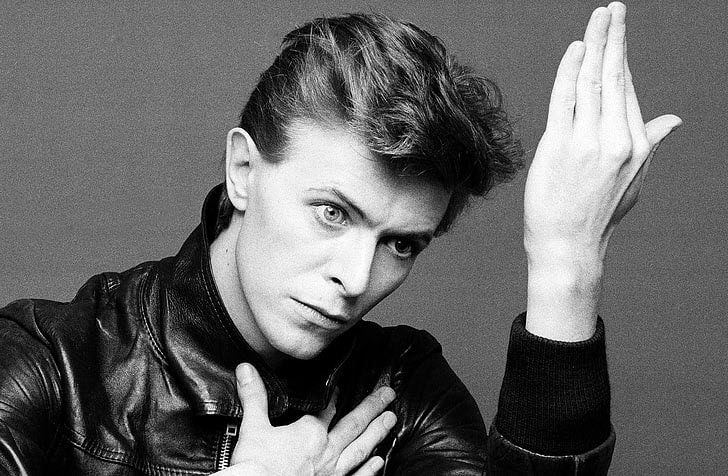
David Bowie wasn’t just a musician; he was a pioneer, a chameleon, and a cultural icon who continuously redefined music, fashion, and art for over five decades. From the glitter-covered theatrics of Ziggy Stardust to the sleek, experimental tones of his Berlin Trilogy, Bowie’s ability to reinvent himself while creating unforgettable music has made him one of the most influential artists in history. Whether he was crooning heartfelt ballads, crafting intergalactic rock anthems, or delving into avant-garde experimentation, Bowie always had his finger on the pulse of the future—shaping it as he went.
But what makes a David Bowie song truly timeless? Is it his poetic, otherworldly lyrics? The groundbreaking instrumentals? Or his ability to tap into the deepest emotions of the human experience? In this article, we celebrate the 10 most popular David Bowie songs of all time—tracks that have not only stood the test of time but also defined generations. From iconic hits that topped charts worldwide to deep cuts that became cult classics, these songs represent the essence of Bowie’s genius. Whether you’re a lifelong fan or just discovering his magic, get ready to relive the music that made Bowie a legend. Let’s dive in!
1. “Space Oddity” (1969)
David Bowie’s “Space Oddity,” released in 1969, was not just a song; it was a cultural moment. Inspired by the awe and mystery surrounding the Apollo 11 moon landing, Bowie crafted a poignant narrative about Major Tom, a lonely astronaut drifting in the vast expanse of space. The track opens with a haunting Mellotron and acoustic guitar, setting an ethereal tone that mirrors the isolation of its protagonist.
Bowie’s emotive delivery draws listeners into the existential journey of Major Tom, whose fate remains ambiguous as the song unfolds. The lyrics, blending technological marvel with human vulnerability, capture the dichotomy of exploration and isolation. When Bowie sings, “Ground Control to Major Tom,” it feels both intimate and cosmic, reflecting the song’s ability to resonate on multiple levels.
The production, innovative for its time, features layers of orchestration that elevate the track’s cinematic storytelling. The use of space-like sound effects adds to its atmospheric depth, making listeners feel as though they are floating in zero gravity.
“Space Oddity” became Bowie’s first major hit, peaking at number five on the UK charts and earning him widespread acclaim. It marked the beginning of his career as a groundbreaking artist unafraid to push boundaries. Decades later, the song’s timeless appeal endures, symbolizing humanity’s eternal quest for connection amidst the unknown.
2. “Changes” (1971)
“Changes,” from Bowie’s Hunky Dory album released in 1971, is an anthem of self-reinvention and embracing the unfamiliar. It’s a jazzy, introspective track that captures Bowie’s philosophy of constant evolution as both an artist and a human being. With its unforgettable piano riff and soulful saxophone accents, the song is as musically captivating as it is thematically profound.
Bowie’s voice is brimming with conviction as he sings, “Turn and face the strange,” encouraging listeners to embrace the uncertainties of life. The song’s reflective tone makes it a perfect soundtrack for moments of personal transformation, resonating deeply with anyone standing at a crossroads.
“Changes” is also a declaration of Bowie’s artistic ethos. By the time he wrote the song, he had already begun to experiment with various musical styles, and this track solidified his commitment to breaking the mold. Its autobiographical elements give it a personal touch, making it one of his most relatable works.
The track’s production is both polished and playful, with a jazzy rhythm section that complements its introspective lyrics. The layered vocals in the chorus add an anthemic quality, making it one of Bowie’s most enduring songs.
Although it wasn’t an immediate commercial success upon its release, “Changes” has since become one of Bowie’s most iconic tracks, inspiring countless listeners to embrace their individuality and the ever-changing nature of life.
3. “Life on Mars?” (1971)
“Life on Mars?,” released on Bowie’s Hunky Dory album in 1971, is an epic journey through surreal imagery and emotional intensity. The track, often described as one of Bowie’s finest achievements, showcases his ability to blend storytelling with music in a way that feels both otherworldly and deeply human.
Opening with a melancholy piano melody, the song quickly builds into a dramatic orchestral arrangement. Bowie’s soaring vocals carry a sense of yearning as he delivers cryptic, poignant lyrics that paint a picture of disillusionment and wonder. Lines like, “It’s a god-awful small affair to the girl with the mousy hair,” evoke a sense of personal struggle against a backdrop of societal absurdities.
The song’s cinematic quality is unmatched, with lush strings and dynamic shifts that make it feel like a mini-movie for the ears. As the chorus crescendos, Bowie’s voice becomes a beacon of raw emotion, pulling listeners into his vision of a strange, fragmented world.
“Life on Mars?” was Bowie’s response to a society grappling with its own contradictions, and its themes of escapism and existential questioning resonate across generations. The song’s ambiguity allows it to be interpreted in countless ways, adding to its mystique.
Over the years, “Life on Mars?” has become a staple of Bowie’s legacy. It’s a reminder of his ability to capture the complexities of the human experience while remaining unapologetically unique.
4. “Starman” (1972)
“Starman,” released in 1972 on The Rise and Fall of Ziggy Stardust and the Spiders from Mars, is a quintessential glam rock anthem that introduced the world to Bowie’s alien alter ego, Ziggy Stardust. The song is a vibrant celebration of hope and connection, told through the story of an extraterrestrial being bringing a message of salvation to Earth.
With its infectious melody and uplifting chorus, “Starman” immediately captures attention. Bowie’s vocal delivery is both inviting and otherworldly, drawing listeners into the fantastical narrative. The lyrics, filled with vivid imagery, paint a picture of a cosmic savior reaching out to humanity. Lines like, “There’s a Starman waiting in the sky,” are imbued with a sense of wonder and optimism.
The track’s arrangement is equally captivating, featuring jangly guitar riffs, lush strings, and a rhythmic groove that propels the song forward. The chorus, with its sing-along quality, makes it anthemic, uniting listeners in a shared sense of awe and possibility.
“Starman” became a cultural touchstone, embodying the spirit of individuality and the transformative power of music. Its success helped solidify Bowie’s place as a groundbreaking artist and a voice for those who felt like outsiders.
Even decades later, “Starman” continues to inspire, reminding us of the magic that exists in the unknown and the importance of embracing our unique identities. It’s a shining example of Bowie’s ability to create art that transcends time and space.
5. “Heroes” (1977)
“Heroes,” released in 1977 during David Bowie’s Berlin Trilogy era, is a triumphant anthem of love and resilience set against the backdrop of Cold War Berlin. Co-written with Brian Eno and produced by Tony Visconti, the song tells the story of two lovers who find a fleeting moment of joy and freedom despite the oppressive environment around them.
The song opens with a steady, almost hypnotic guitar riff courtesy of Robert Fripp, which builds gradually as layers of instrumentation are added. Bowie’s vocal delivery begins understated but grows increasingly impassioned, culminating in a cathartic declaration of love and defiance: “We can be heroes, just for one day.”
Lyrically, “Heroes” captures the tension and beauty of human connection in the face of adversity. Inspired by a real-life couple Bowie saw kissing near the Berlin Wall, the song celebrates the courage to embrace love and hope, even when the odds seem insurmountable. Its poetic imagery, combined with Bowie’s emotive performance, gives the track a universal appeal.
The production is a masterclass in creating atmosphere, with layers of sound that swell and recede like waves. Fripp’s haunting guitar lines and Eno’s innovative use of synthesizers create a sonic landscape that feels both intimate and epic.
Although “Heroes” was only a modest commercial success upon its release, it has since become one of Bowie’s most beloved songs. Its message of perseverance and optimism resonates deeply, making it a go-to anthem for moments of celebration and solidarity. Whether heard in concert halls or protest marches, “Heroes” remains a testament to the enduring power of love and hope in a world fraught with challenges.
6. “Rebel Rebel” (1974)
“Rebel Rebel,” released in 1974 as part of Bowie’s Diamond Dogs album, is a glam rock masterpiece that embodies the spirit of rebellion and self-expression. With its iconic opening guitar riff and swaggering rhythm, the song immediately grabs attention and doesn’t let go.
Often regarded as an anthem for misfits and outsiders, “Rebel Rebel” is a celebration of individuality and defiance. The lyrics paint a vivid picture of a young person challenging societal norms: “You’ve got your mother in a whirl, she’s not sure if you’re a boy or a girl.” Bowie’s delivery is full of attitude and charm, making the song feel like a personal rallying cry for anyone who has ever felt out of place.
Musically, the track is a perfect blend of gritty rock and glam, with Bowie himself playing the memorable guitar riff. The production is raw yet polished, allowing the song’s energy to shine through without losing its edge. The chorus, with its chant-like repetition of “Rebel Rebel, you’ve torn your dress,” is infectious and empowering, inviting listeners to embrace their inner rebel.
“Rebel Rebel” became an instant hit and remains one of Bowie’s most recognizable songs. It has been covered by countless artists and continues to inspire new generations of fans to defy convention and embrace their uniqueness. The track is a shining example of Bowie’s ability to connect with his audience on a deeply personal level while maintaining his status as a cultural icon.
Decades later, “Rebel Rebel” still resonates as a timeless anthem of freedom and individuality, a testament to Bowie’s enduring legacy as a trailblazer in music and self-expression.
7. “Ashes to Ashes” (1980)
Released in 1980 as part of Bowie’s Scary Monsters (and Super Creeps) album, “Ashes to Ashes” is a complex and introspective track that revisits the character of Major Tom from “Space Oddity.” This time, the story takes a darker turn, exploring themes of addiction, self-doubt, and the passage of time.
The song begins with an eerie synthesizer line that immediately sets a dreamlike, almost otherworldly tone. Bowie’s vocals are haunting and layered, drawing the listener into a surreal narrative that blurs the line between reality and fantasy. The lyrics, “Ashes to ashes, funk to funky, we know Major Tom’s a junkie,” reframe the iconic astronaut as a figure of lost innocence, adding a layer of melancholy to his tale.
Musically, “Ashes to Ashes” is a masterful blend of electronic and traditional instrumentation. The use of layered synths, distorted guitar, and a steady bassline creates a rich, textured soundscape. The production is innovative, reflecting Bowie’s willingness to push the boundaries of pop music and embrace avant-garde elements.
The accompanying music video, one of the most expensive of its time, added to the song’s mystique. Featuring Bowie in a harlequin costume walking along a desolate beach, it reinforced the themes of alienation and introspection present in the lyrics.
“Ashes to Ashes” was a commercial success, reaching number one on the UK charts and solidifying Bowie’s reputation as an artist unafraid to confront the darker aspects of the human condition. Decades later, it remains one of his most celebrated works, a poignant exploration of the complexities of identity, legacy, and self-awareness.
8. “Let’s Dance” (1983)
Released in 1983, “Let’s Dance” marked a bold new chapter in David Bowie’s career, blending funk, pop, and rock influences into an irresistible dance track. Produced by Nile Rodgers, the song’s polished production and infectious groove catapulted Bowie into mainstream success, introducing him to a broader audience without compromising his artistic integrity.
From its opening notes, “Let’s Dance” commands attention with a driving bassline and punchy rhythm guitar, courtesy of Rodgers. Bowie’s smooth, confident vocals glide effortlessly over the upbeat instrumentation, inviting listeners to let loose and move to the beat. The song’s lyrics, while simple on the surface, carry a subtle sophistication. Lines like “If you should fall into my arms and tremble like a flower” suggest both vulnerability and liberation, adding depth to the track’s celebratory tone.
The song’s infectious energy is amplified by Stevie Ray Vaughan’s bluesy guitar solos, which add an edge of raw intensity to the otherwise sleek arrangement. The contrast between Rodgers’ funk-inspired production and Vaughan’s rock sensibilities creates a dynamic sound that feels fresh and timeless.
“Let’s Dance” became a global phenomenon, topping charts worldwide and earning Bowie his first platinum-certified album. Its accompanying music video, featuring symbolic imagery of cultural resilience, showcased Bowie’s commitment to blending entertainment with deeper themes.
Beyond its commercial success, “Let’s Dance” demonstrated Bowie’s versatility as an artist, proving he could adapt to changing musical landscapes while maintaining his signature creativity. Decades later, the song remains a dancefloor staple, a testament to Bowie’s ability to craft music that transcends generations and unites listeners in the joy of movement and self-expression.
9. “Fame” (1975)
“Fame,” released in 1975, is one of David Bowie’s sharpest and most incisive tracks. Co-written with John Lennon and Carlos Alomar, the song offers a biting critique of the superficiality and pressures of celebrity culture. Its funky groove, driven by Alomar’s iconic riff and Bowie’s distinctive vocal delivery, creates a hypnotic soundscape that perfectly complements its satirical lyrics.
The song opens with a choppy, syncopated guitar line that sets an edgy tone. Bowie’s vocals shift between a detached, almost robotic delivery and bursts of raw emotion, reflecting the duality of his relationship with fame. Lines like “Fame, it’s not your brain, it’s just the flame that burns your change to keep you insane” lay bare the disillusionment that often accompanies success.
Lennon’s contribution is felt both lyrically and musically, with his background vocals adding texture to the chorus and his influence evident in the track’s wit and irreverence. The interplay between Bowie’s sardonic lyrics and the song’s infectious rhythm creates a tension that keeps listeners engaged from start to finish.
“Fame” became Bowie’s first number-one hit in the United States, solidifying his status as an international superstar. Despite its success, the song’s message remains critical of the very system that elevated him, showcasing Bowie’s ability to navigate the complexities of his own stardom.
Today, “Fame” is celebrated as a masterclass in funk-inspired rock and a timeless commentary on the pitfalls of celebrity. Its sharp wit, memorable groove, and innovative production ensure its place as one of Bowie’s most enduring and influential tracks.
10. “The Man Who Sold the World” (1970)
“The Man Who Sold the World,” released in 1970, is a haunting exploration of identity, alienation, and existential uncertainty. The title track of Bowie’s third studio album, it blends cryptic lyrics with a brooding melody to create a song that lingers in the minds of listeners long after it ends.
The track’s opening riff, played on an electric guitar with a distinct, almost sinister tone, sets the stage for the introspective journey that follows. Bowie’s vocals are understated yet evocative, delivering lyrics that are both enigmatic and deeply personal. Lines like “I thought you died alone, a long long time ago” suggest a confrontation with one’s inner self or past regrets, adding to the song’s mysterious allure.
The production, helmed by Tony Visconti, features a rich tapestry of sounds, including layered guitars, dynamic percussion, and subtle use of synthesizers. The arrangement is atmospheric, evoking a sense of otherworldliness that complements the song’s introspective themes.
Although not a commercial hit upon its initial release, “The Man Who Sold the World” gained renewed attention through Nirvana’s 1993 acoustic cover on MTV Unplugged, introducing it to a new generation of listeners. Bowie himself praised Nirvana’s rendition, acknowledging its role in bringing the song back into the spotlight.
Over the years, “The Man Who Sold the World” has become a cult favorite, revered for its haunting beauty and philosophical depth. It stands as a testament to Bowie’s ability to craft music that is both introspective and universally resonant, solidifying its place as a cornerstone of his artistic legacy.

Edward Tomlin is a frequent contributor to Singers Room. Since 2005, Singersroom has been the voice of R&B around the world. Connect with us via social media below.









