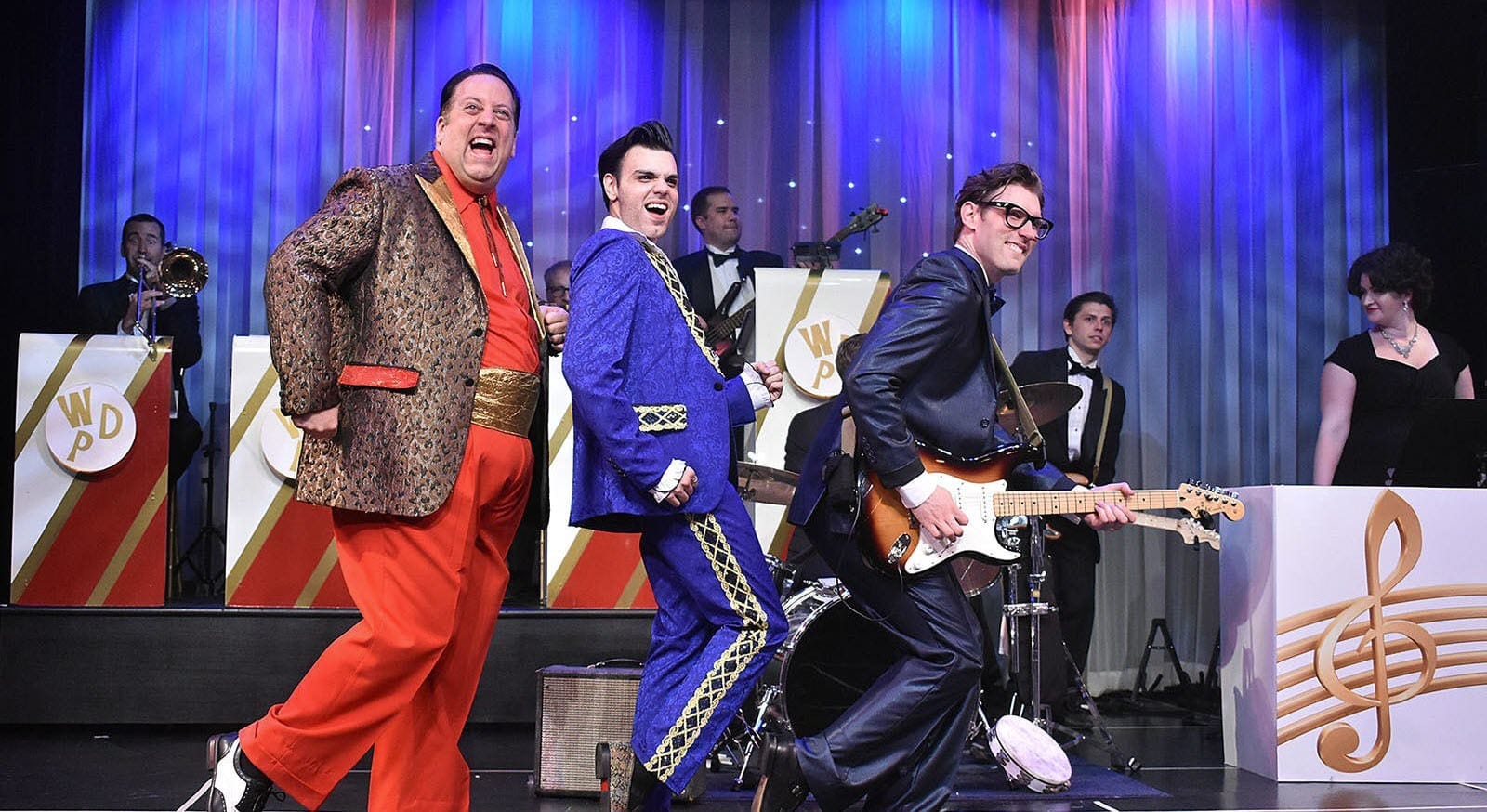
Buddy Holly, a pioneering figure in rock and roll, left an indelible mark on music that resonates to this day. With his unique blend of rockabilly and pop, Holly’s innovative sound and heartfelt lyrics captured the spirit of a generation and laid the groundwork for countless artists who followed. Though his life was tragically cut short at the young age of 22, his influence continues to inspire musicians across genres, from The Beatles to Weezer.
In this article, we celebrate the top 10 most popular Buddy Holly songs of all time, each a testament to his genius and creativity. From infectious melodies to poignant storytelling, Holly’s music transcends time, inviting listeners into a world of youthful exuberance and emotional depth. Whether you’re a longtime fan or new to his work, this curated list will take you on a nostalgic journey through the highs and lows of love, loss, and everything in between. Join us as we explore the timeless tracks that solidified Buddy Holly’s place in music history, ensuring his legacy endures well beyond his years. Get ready to rediscover the magic of Buddy Holly!
1. “Peggy Sue” (1957)
Released in 1957, “Peggy Sue” is a lively and unforgettable anthem that captures the excitement of young love and the carefree spirit of the late 1950s. Buddy Holly’s signature hiccuping vocal style and upbeat tempo draw listeners in from the very first note, making it an instant classic. The song tells the story of a boy who is deeply in love with Peggy Sue, expressing both the joy and the longing of youthful romance. The infectious melody, driven by Holly’s upbeat guitar riffs, creates a sense of energy and anticipation that mirrors the thrill of falling in love. As the song progresses, the catchy chorus and playful lyrics create a sense of fun and flirtation, making it impossible not to tap your feet along to the rhythm. “Peggy Sue” captures the essence of the 1950s rock and roll era, bringing together the innocence and excitement of teenage love with the vibrant energy of the time. The song’s structure is simple yet effective, with each repetition of the chorus reinforcing the boy’s devotion to Peggy Sue. Holly’s ability to convey the emotions of a young heart through his unique vocal delivery and infectious enthusiasm solidifies “Peggy Sue” as one of the most iconic rock songs of its era. It remains a timeless classic, continuing to resonate with listeners across generations who can still relate to the excitement and innocence of young love.
2. “That’ll Be the Day” (1957)
“That’ll Be the Day,” released in 1957, marked Buddy Holly’s groundbreaking arrival on the rock and roll scene and quickly became one of his most iconic songs. With its unmistakable hook, catchy guitar riffs, and driving rhythm, the song grabs the listener’s attention from the start. Lyrically, “That’ll Be the Day” tells the story of someone who has been hurt by love and is now filled with youthful defiance. Holly’s vocal delivery is filled with passion and conviction, reflecting the song’s theme of heartbreak and the realization that things will never be the same. The chorus, with its rebellious statement “That’ll be the day,” expresses the bitter resignation of someone who no longer believes in promises made by a lover. It’s a declaration of independence, yet also a lament for what has been lost. The song’s upbeat tempo and rhythmic guitar work provide the perfect backdrop for Holly’s expressive vocals, creating a contrast between the defiance in the lyrics and the lively energy of the music. As one of the first rock hits to feature Holly’s innovative blend of rhythm and melody, “That’ll Be the Day” played a key role in shaping the sound of early rock and roll. The song’s success not only solidified Holly’s place as a leading figure in the rock and roll movement but also paved the way for future generations of musicians who would draw inspiration from his unique style and sound.
3. “Everyday” (1957)
“Everyday,” released in 1957, is a beautiful and tender love song that showcases Buddy Holly’s songwriting genius and ability to create emotional depth through simple yet powerful melodies. With its gentle rhythm and dreamy feel, the song captures the innocence and joy of young love, offering a timeless portrayal of the magic that comes with being in love. Holly’s soft and heartfelt delivery creates an intimate atmosphere, inviting listeners to share in the bliss of everyday moments spent with someone special. The lush harmonies and soothing rhythm give the song a lullaby-like quality, evoking feelings of warmth and tenderness. The lyrics, which express the idea of feeling blessed and content in love every day, are simple yet profound, capturing the essence of true happiness in the small, everyday moments shared with a loved one. Holly’s ability to convey such deep emotions with minimalistic phrasing is a testament to his artistry and musicality. “Everyday” stands out in his catalog as a song that doesn’t rely on flashy instrumentation or complex arrangements, but instead focuses on the power of a beautiful melody and sincere emotion. The song’s soothing nature makes it a perfect example of how Holly could convey the joy of love with simplicity and grace. Its enduring popularity proves that the emotions it evokes—love, happiness, and contentment—are universal, making “Everyday” a timeless classic that continues to touch listeners’ hearts decades after its release.
4. “Oh, Boy!” (1957)
Released in 1957, “Oh, Boy!” is a high-energy rock and roll anthem that perfectly captures the excitement and nervous energy of young love. With its fast-paced rhythm and infectious beat, the song is an explosion of youthful exuberance, making it impossible not to tap your feet or dance along. Holly’s spirited vocals, filled with both excitement and a hint of vulnerability, are matched by the lively guitar riffs and driving percussion, creating a sense of urgency and enthusiasm. The lyrics express the thrill and uncertainty that comes with falling for someone, and the phrase “Oh, boy!” encapsulates the rush of emotions that accompany a new romance. Holly’s ability to combine the joy of love with the excitement of youth creates an irresistible track that perfectly embodies the spirit of the 1950s rock and roll scene. “Oh, Boy!” is also notable for its innovative sound, with Holly blending rhythm and melody in a way that would influence generations of musicians to come. The song’s structure is simple yet effective, with the repetition of the title phrase serving as both a hook and an emotional release. This track is one of the best examples of Holly’s ability to create music that is both fun and meaningful, capturing the essence of teenage joy and infatuation. With its irresistible energy and timeless appeal, “Oh, Boy!” remains one of the cornerstones of Buddy Holly’s legacy in the rock and roll genre.
5. “Rave On” (1958)
“Rave On,” released in 1958, is a thrilling, high-energy track that perfectly captures the joy and excitement of rock and roll. From the moment the song begins, the driving beat and punchy guitar riffs set the tone for an exhilarating musical experience. Holly’s dynamic vocals add to the sense of urgency and fun, with the lyrics encouraging listeners to “rave on” and embrace the wild, carefree spirit of the time. The song’s infectious rhythm and catchy refrain make it a favorite among fans, and its upbeat energy continues to resonate with audiences today. Holly’s delivery in “Rave On” is filled with energy and enthusiasm, capturing the exuberance of youth and the freedom that comes with living in the moment. The track has an almost anthemic quality, calling listeners to forget their worries and just enjoy the thrill of life. The playful nature of the song, combined with its upbeat tempo, makes it a perfect example of the kind of feel-good rock and roll that Buddy Holly was known for. While many of his songs had a more introspective or emotional tone, “Rave On” is an unabashed celebration of the joy and excitement of the rock and roll lifestyle. The song’s infectious beat and uplifting spirit have ensured its place as one of Holly’s most beloved tracks, cementing “Rave On” as a classic anthem in the rock and roll canon.
6. “True Love Ways” (1958)
Released in 1958, “True Love Ways” reveals Buddy Holly’s softer, more tender side, offering a poignant and beautiful reflection on deep love and devotion. With its lush orchestral arrangement and gentle melody, the song stands in contrast to Holly’s usual upbeat rock and roll style, showcasing his versatility as an artist. The track’s emotional depth is enhanced by its lyrical simplicity, with Holly expressing an enduring commitment to love that transcends time and space. His heartfelt vocal delivery adds sincerity to every word, making the song feel both intimate and universal. “True Love Ways” speaks to the idea of love that lasts forever, even when circumstances change. The lyrics suggest that no matter where life may take two lovers, their bond remains unbreakable, a theme that resonates deeply with anyone who has experienced love’s enduring power. The song’s lush production, combined with Holly’s vocal performance, creates a sense of timeless romance, making it one of his most memorable ballads. Although “True Love Ways” did not initially reach the same level of commercial success as some of Holly’s other hits, it has since become a cherished classic in his catalog. It stands as a testament to Holly’s ability to craft songs that capture the full spectrum of human emotion, from joy and excitement to heartbreak and devotion. Over time, “True Love Ways” has proven to be not just a beautiful love song, but also a remarkable example of Holly’s musical maturity and ability to connect with his audience on a deeply emotional level.
7. “Not Fade Away” (1957)
“Not Fade Away,” released in 1957, is a rock and roll classic that captures the essence of youthful rebellion and the desire for enduring love. With its driving beat and rhythmic guitar patterns, the song has a raw energy that made it stand out in the early days of rock music. Holly’s distinctive vocals, paired with his band’s energetic instrumental backing, create a sound that is both fresh and exciting, embodying the spirit of rock and roll in its purest form. Lyrically, “Not Fade Away” explores the longing for a love that will never end, with the repeated refrain “I’m gonna love you ’til the moon no longer shines” expressing a promise of eternal devotion. The song’s catchy chorus, built around this sentiment, makes it memorable and singable, encouraging listeners to join in on the anthem of everlasting love. The innovative rhythm and catchy structure of “Not Fade Away” also helped lay the foundation for many future rock and roll songs, influencing countless artists in the years that followed. Holly’s blending of rhythm and melody in this track helped define the sound of rock music, and the song’s popularity only increased with time. Its influence extends far beyond Holly’s era, with “Not Fade Away” being covered by bands like The Rolling Stones and others, proving the song’s timeless appeal. The track continues to be a staple in rock music history, and its energetic rhythm and heartfelt lyrics ensure that it remains a favorite among fans and musicians alike.
8. “Words of Love” (1957)
Released in 1957, “Words of Love” is a beautiful love song that showcases Buddy Holly’s ability to blend romance with his signature rock and roll style. With its soft, shimmering melody and lush vocal harmonies, the song evokes a sense of nostalgia for the simplicity and purity of young love. Holly’s tender delivery, paired with the gentle rhythm section, creates an intimate atmosphere, allowing listeners to feel the sincerity behind every word. The lyrics express the importance of communication in love, with the line “Words of love, so sweet and tender” capturing the beauty of sharing one’s feelings with a loved one. This sentiment resonates with anyone who has experienced the joy of expressing love through words, and Holly’s performance adds an emotional depth that makes the song stand out in his catalog. “Words of Love” also highlights Holly’s ability to experiment with different musical styles, as the song blends the energy of rock and roll with elements of balladry and pop. The track’s catchy chorus and harmonious backing vocals give it a timeless quality, making it a standout example of Holly’s versatile musical abilities. While it may not have reached the same commercial success as some of his other hits, “Words of Love” has remained a beloved classic for its heartfelt message and timeless melody. It is a perfect example of Holly’s unique ability to craft songs that resonate on both an emotional and musical level, capturing the innocence and purity of love in a way that only he could.
9. “It Doesn’t Matter Anymore” (1958)
“It Doesn’t Matter Anymore,” released in 1958, is one of Buddy Holly’s most emotionally powerful tracks, reflecting the sorrow and resignation that accompanies heartbreak. The song’s melancholy melody, paired with Holly’s reflective vocals, creates a sense of emotional vulnerability that makes it one of his most enduring ballads. Lyrically, the song conveys the painful realization that a relationship is over and that the emotional wounds are no longer worth dwelling on. Holly sings, “It doesn’t matter anymore,” a line that captures the sense of acceptance and moving on from a lost love. The stripped-down arrangement, with its simple yet effective instrumentation, allows Holly’s voice to shine, making the emotional weight of the lyrics even more poignant. Holly’s ability to express vulnerability through his voice, paired with his sensitivity as a songwriter, elevates “It Doesn’t Matter Anymore” above many other heartbreak songs. The track’s reflective tone and bittersweet sentiment resonate with anyone who has experienced the pain of unrequited love or the end of a relationship. Over time, the song has become a classic in Holly’s catalog, admired for its emotional honesty and mature sound. While it’s often remembered as one of Holly’s more somber tracks, “It Doesn’t Matter Anymore” also highlights his artistry in crafting songs that tackle complex emotional experiences with sincerity and grace. The song’s enduring popularity speaks to its universal message and the depth of feeling that Holly was able to convey through his music.
10. “Maybe Baby” (1957)
Released in 1957, “Maybe Baby” is a catchy and lighthearted tune that captures the uncertainty and excitement of young love. With its upbeat tempo and infectious melody, the song perfectly embodies the thrill of courtship and the playful nature of budding romance. Holly’s lively performance, combined with the song’s bouncy rhythm, creates an exhilarating listening experience that invites listeners to join in the fun of flirting and falling for someone new. The lyrics, with their playful question “Maybe baby, I’ll have you,” reflect the uncertainty of a new relationship and the hope that it will blossom into something more. The song’s lively rhythm and catchy chorus make it an irresistible sing-along, and Holly’s enthusiastic delivery gives it a sense of infectious joy. “Maybe Baby” is also notable for its innovative use of harmony, with the backing vocals adding depth and texture to the song’s already energetic arrangement. It’s a perfect example of Holly’s ability to blend fun, romance, and musicality in a way that feels fresh and exciting. The track became one of his early hits and remains a staple in his catalog, showcasing his unique style and his ability to capture the spirit of the 1950s rock and roll scene. “Maybe Baby” continues to delight audiences, thanks to its infectious energy, playful lyrics, and Holly’s undeniable charisma. This song is a timeless reminder of the joy and excitement of young love, solidifying its place as one of Buddy Holly’s enduring classics.

Edward Tomlin is a frequent contributor to Singers Room. Since 2005, Singersroom has been the voice of R&B around the world. Connect with us via social media below.









