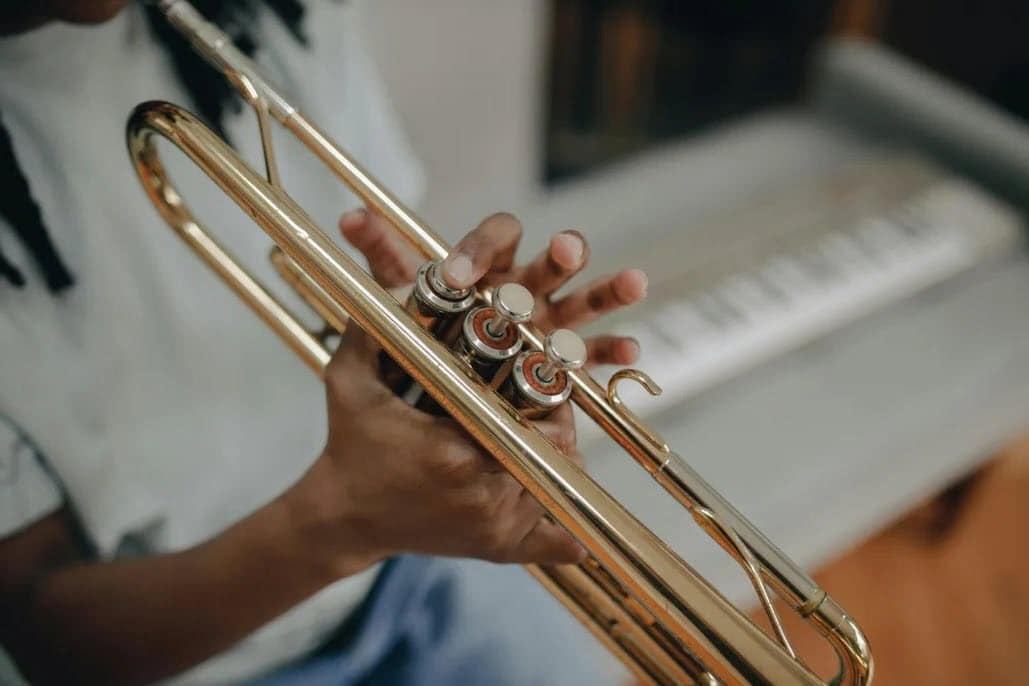
The trumpet has long been a symbol of power, elegance, and musical mastery. Its bold, brassy tones have enchanted audiences for centuries, from the royal courts of Europe to the vibrant streets of New Orleans. But behind every soaring melody and electrifying solo is a musician who has harnessed this instrument’s potential and pushed it to new heights. In this article, we’re diving into the world of the greatest trumpet players of all time—those whose ingenuity, technique, and passion have redefined what’s possible with this iconic instrument.
From the groundbreaking jazz innovations of Louis Armstrong to the dazzling virtuosity of Wynton Marsalis, these maestros have left an indelible mark on music history. Some have pioneered entirely new styles, while others have perfected classical traditions or led legendary big bands. Whether they’re captivating listeners with soulful improvisations or delivering flawless performances in concert halls, these 15 trumpet giants stand as true legends of the craft.
So, whether you’re a seasoned musician or simply a lover of great music, prepare to be inspired. Let’s celebrate the trumpet players who have not only mastered their instrument but also transformed the very landscape of music forever!
1. Louis Armstrong
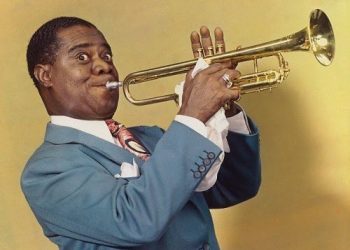
Louis Armstrong, often referred to as “Satchmo,” stands as a towering figure in the history of jazz and popular music. With his gravelly voice and virtuosic trumpet playing, Armstrong brought a sense of joy and emotion to every performance. His influence on jazz cannot be overstated—he not only elevated the trumpet to an iconic status but also redefined the role of improvisation in jazz. Armstrong’s playing was filled with personality, shaping jazz’s melodic and rhythmic structure in profound ways. His solos were groundbreaking, exemplified by his legendary performance on West End Blues, which remains a landmark in jazz history. Armstrong’s ability to combine technical brilliance with raw emotion made his music universally appealing, reaching audiences across cultural and racial divides. His work in the 1920s with the Hot Five and Hot Seven bands laid the foundation for the New Orleans jazz style, blending blues, ragtime, and improvisational creativity into a sound that was both innovative and accessible. Beyond his trumpet playing, Armstrong’s gravelly voice became a hallmark of his style, bringing a new level of expressive vocal delivery to jazz standards like What a Wonderful World and St. Louis Blues. He not only pushed the boundaries of jazz but also helped bring the genre to a global stage, becoming an international cultural ambassador. Armstrong was a key figure in breaking down racial barriers within the music industry and changing the perception of African American musicians. His legacy lives on through his recordings, which continue to inspire jazz musicians and listeners alike, ensuring that Louis Armstrong’s influence on music will endure for generations to come.
2. Miles Davis
Miles Davis is often considered one of the most innovative and influential trumpet players in the history of jazz. Over his long career, Davis continuously reinvented his style, always staying ahead of musical trends and defining the sound of jazz at every stage. Beginning with his groundbreaking work in the 1940s as a sideman in Charlie Parker’s bebop group, Davis quickly established himself as a musician who could push the boundaries of harmony, melody, and form. His landmark album Kind of Blue (1959), one of the best-selling jazz albums of all time, set the standard for modal jazz, introducing a minimalist approach that highlighted the power of space and silence in music. But Davis did not stop there—he continued to evolve throughout his career, embracing the electric sounds of the 1970s with Bitches Brew, one of the key albums of the jazz fusion movement. This album, filled with experimental sounds and complex textures, introduced a whole new generation of musicians to the possibilities of jazz. Davis’s trumpet style itself evolved dramatically over the years. In his early days, his playing was smooth and lyrical, but as he grew artistically, it became more searching and introspective, often marked by pauses and breaths that added a sense of mystery and tension to his performances. Davis’s collaborations with jazz giants like John Coltrane, Herbie Hancock, and Wayne Shorter cemented his reputation as an unparalleled bandleader. His ability to continuously push the boundaries of what jazz could be and his willingness to experiment with new sounds and styles made him an icon, and his impact on jazz and popular music is still felt today.
3. Dizzy Gillespie
Dizzy Gillespie was one of the most important figures in the development of bebop and modern jazz. Known for his high-flying trumpet solos, infectious energy, and distinctive bent trumpet, Gillespie was a pioneering force who helped reshape the sound of jazz in the 1940s. A brilliant improviser and composer, Gillespie was one of the architects of bebop, a fast-paced, harmonically complex style of jazz that broke away from the more predictable structures of swing. Along with Charlie Parker, he created a new language for jazz musicians that emphasized virtuosity, independence, and creative freedom. His compositions, such as A Night in Tunisia and Salt Peanuts, have become jazz standards, embodying the essence of bebop’s rhythmic complexity and harmonic sophistication. Gillespie’s ability to blend intricate rhythms with spontaneous improvisation made his playing electrifying, and his compositions were often laced with the energy and passion that defined the bebop movement. His collaborations with other greats like Parker, Thelonious Monk, and Max Roach helped define an era of jazz that was filled with technical innovation and artistic expression. But Gillespie’s influence extended beyond the confines of bebop. He was a tireless ambassador for jazz, taking the genre to new international audiences and embracing Latin influences, which contributed to the development of Latin jazz. His teaching, both formal and informal, inspired countless musicians and trumpet players who followed in his footsteps. With his infectious personality and groundbreaking trumpet technique, Dizzy Gillespie’s legacy continues to inspire musicians today, cementing him as one of the giants of jazz history.
4. Wynton Marsalis
Wynton Marsalis is one of the most accomplished and influential trumpet players in the world of jazz and classical music. Known for his technical mastery and deep understanding of musical tradition, Marsalis has carved out a distinctive place in the music world, winning multiple Grammy Awards and being named the artistic director of Jazz at Lincoln Center. Marsalis’s musical journey began in New Orleans, where he was steeped in the rich history of jazz, but it was his devotion to both the technical precision of classical music and the expressive possibilities of jazz that made him a standout figure. His early work as a leader in the 1980s brought the sounds of traditional jazz back into the mainstream, and his albums such as Black Codes (From the Underground) and The Majesty of the Blues display his virtuosity and compositional skills. Marsalis is known for his ability to play with both fiery intensity and delicate nuance, a rare combination that allows him to navigate the full spectrum of jazz expression. While he is a master of the trumpet, Marsalis is also a passionate advocate for the preservation and expansion of the jazz tradition. Through his leadership at Jazz at Lincoln Center, he has helped to educate new generations of musicians and bring the joy of jazz to a broader audience. His ability to blend the past and the present, to respect the greats who came before him while also pushing jazz forward, has made him a leading figure in the genre. Whether performing classical trumpet concertos or leading his jazz ensemble in a live show, Marsalis continues to be a shining example of musical excellence and commitment to the art form.
5. Chet Baker
Chet Baker’s sound was one of the most evocative and emotionally stirring in all of jazz. Known for his smooth, lyrical trumpet style and hauntingly beautiful voice, Baker became an iconic figure in the West Coast jazz scene of the 1950s. His sound was understated yet rich with emotion, often compared to a ballad singer in its phrasing and expressiveness. Baker’s approach to the trumpet was characterized by a delicate, almost fragile tone that conveyed a deep sense of vulnerability, making him one of the most beloved figures in cool jazz. His signature renditions of standards like My Funny Valentine and I Fall in Love Too Easily are still considered among the best in jazz, showcasing his ability to pour his heart into every note. But Baker’s life was marked by tragedy and struggle. Known for his struggles with addiction, his personal life was tumultuous, and his career was often overshadowed by his battle with substance abuse. Yet despite these challenges, his musical legacy has only grown over the years. Baker’s sound captured the essence of melancholy and longing, and his ability to make each note feel like an intimate confession connected deeply with listeners. His impact on the cool jazz movement and his influence on trumpet players that followed cannot be overstated. His life story, both tragic and beautiful, adds an element of mystique to his music, making his recordings timeless treasures that continue to resonate with listeners across generations. Chet Baker’s trumpet remains one of the most distinctive and haunting voices in jazz, a testament to his unique musical voice and emotional depth.
6. Clifford Brown
Clifford Brown was a trumpet prodigy whose brilliance left an indelible mark on jazz despite his short life. A true virtuoso, Brown’s playing was characterized by his warm tone, impeccable technical precision, and lyrical phrasing. Born in 1930, he quickly rose to prominence in the 1950s, becoming a key figure in the hard bop movement. His time in the Clifford Brown-Max Roach Quintet was particularly influential, as the group helped define the era with its energetic rhythms, complex harmonies, and tightly crafted compositions. Brown’s ability to play with such speed, fluidity, and accuracy on the trumpet was legendary—his solos were clean, direct, and emotionally resonant. He had a rare ability to blend technical mastery with emotional depth, creating solos that were not only dazzling but also deeply expressive. Brown’s influence on other trumpet players is immense; he was a guiding light for later musicians, including Lee Morgan and Freddie Hubbard, who admired his technique and melodic inventiveness. His compositions, such as Joy Spring and Daahoud, remain jazz standards, showcasing his creative genius and ability to balance complexity with accessibility. Tragically, Clifford Brown’s life was cut short in a car accident in 1956 at just 25 years old, leaving behind a brief but monumental body of work. Despite his early death, Brown’s contributions to jazz are timeless, and his name continues to be synonymous with brilliance, both in terms of technical skill and emotional expression.
7. Freddie Hubbard
Freddie Hubbard was a trumpeter whose ability to combine technical brilliance with emotional intensity made him one of the most important figures in jazz during the 1960s and beyond. Known for his bold, fiery playing, Hubbard’s sound ranged from aggressive and piercing to smooth and lyrical, always expressive and full of life. His work in the hard bop era and his later ventures into jazz fusion made him one of the most versatile trumpet players in the history of the genre. Hubbard’s early career was marked by his collaborations with jazz legends like Art Blakey and John Coltrane, where he honed his distinctive voice on the trumpet. His albums, such as Red Clay and Straight Life, are considered cornerstones of modern jazz, blending complex harmonies with accessible melodies and pushing the boundaries of what jazz could sound like. Hubbard’s trumpet technique was also remarkable; he could execute rapid runs, play in the high register with precision, and maintain a rich, vibrant tone that was uniquely his own. Throughout his career, Hubbard was not afraid to experiment with new sounds and ideas, embracing the electric jazz fusion movement in the 1970s and blending jazz with funk, rock, and Latin influences. This fearless approach to music made him a key player in shaping the direction of jazz during a time of great transformation. Even though Hubbard struggled with personal issues later in life, his legacy as one of jazz’s most influential and innovative trumpet players remains undeniable.
8. Arturo Sandoval
Arturo Sandoval is a Cuban-born trumpet virtuoso whose incredible technical prowess and passion for music have made him one of the most respected trumpet players of all time. Sandoval’s career is a testament to his extraordinary ability to blend jazz with Afro-Cuban rhythms, creating a sound that is both exhilarating and deeply soulful. A protege of the legendary Dizzy Gillespie, Sandoval’s style draws heavily on the influences of Latin jazz, and his performances are known for their fiery intensity, breathtaking speed, and soaring high notes. His ability to play complex runs with precision and emotion makes him a standout figure in both jazz and classical music. Sandoval’s career spans multiple genres, and he has played with a wide range of musicians, from jazz icons like Gillespie to classical composers and pop artists. His technical ability is second to none, as he is able to navigate the trumpet’s full range with ease, from delicate, soulful melodies to dazzling, high-energy solos that leave audiences in awe. Beyond his contributions to jazz, Sandoval has found success in the world of classical music, even composing and performing trumpet concertos. He has also been involved in film scoring, demonstrating his versatility and creativity. Sandoval’s passion for music is palpable in every performance, and his ability to bridge the worlds of jazz, Latin music, and classical music has cemented his place as one of the most important trumpet players of his generation.
9. Lee Morgan
Lee Morgan was a trumpet virtuoso whose bold, fiery playing helped define the hard bop era of jazz. Known for his vibrant, energetic sound and his gift for creating memorable, catchy melodies, Morgan became one of the most influential trumpet players of the 1960s. His most famous work, the album The Sidewinder, was a crossover hit, bringing jazz to a wider audience and solidifying Morgan’s reputation as a leading figure in modern jazz. Morgan’s playing was marked by its intensity and passion, with his solos often building from smooth, lyrical phrases to fiery, rapid-fire bursts of energy. His compositions were equally impressive, with a distinctive blend of bluesy grooves and bebop complexity. The catchy riff of The Sidewinder became one of the most recognizable hooks in jazz history, and his influence can be heard in the work of countless trumpet players who followed. Morgan’s career, though tragically cut short by his untimely death at the age of 33, left a lasting legacy in the world of jazz. His work with the Art Blakey and the Jazz Messengers helped define the sound of hard bop, and his later solo work pushed the boundaries of the genre even further. Lee Morgan’s life was filled with both triumph and tragedy, but his contribution to the development of jazz trumpet remains significant, and his music continues to inspire new generations of musicians.
10. Maynard Ferguson
Maynard Ferguson was a trumpet virtuoso whose incredible range and powerful, high-flying trumpet solos made him a standout figure in the world of jazz. Known for his ability to hit stratospheric high notes with ease and precision, Ferguson’s playing was full of energy, excitement, and a sense of theatricality that made him a favorite among jazz fans. His big band performances were electrifying, as he led his groups through complex, fast-paced arrangements that showcased his remarkable technical skill and larger-than-life stage presence. Ferguson’s ability to perform at the highest levels of technical difficulty, while still bringing an infectious sense of joy and enthusiasm to his music, made him one of the most distinctive trumpet players in jazz. His hit version of Gonna Fly Now, the theme from the movie Rocky, became a massive success, bringing his virtuosic trumpet playing to a mainstream audience. But Ferguson’s career spanned much more than just his big band hits. He was a versatile player, capable of performing in a wide range of styles, from jazz to pop to classical music. His versatility as a trumpet player, along with his ability to inspire audiences with his high-energy performances, has earned him a lasting place in jazz history. Ferguson’s technical skill, coupled with his charismatic personality, made him a beloved figure in the jazz world, and his recordings continue to be celebrated for their virtuosity and passion. Maynard Ferguson’s influence on trumpet players and the jazz world at large is undeniable, and his legacy continues to inspire musicians today.
11. Bix Beiderbecke
Bix Beiderbecke was one of the most influential trumpet players of the early jazz era, known for his smooth, lyrical tone and his innovative playing. Often referred to as the “poet of the cornet,” Beiderbecke’s sound was characterized by its elegance, subtlety, and emotional depth. His style was less brash and more introspective than many of his contemporaries, focusing on creating beautiful, melodic lines that resonated with the listener. Beiderbecke’s contributions to jazz in the 1920s were groundbreaking, as his playing added a new layer of sophistication to the genre, moving away from the rougher, more percussive styles that had dominated early jazz. His recordings with the Wolverines and Paul Whiteman’s Orchestra are still considered some of the most important in the history of jazz, showcasing his ability to create beautiful, evocative solos that were ahead of their time. Beiderbecke’s work was also marked by a deep sense of improvisation, as he would often take his solos in unexpected directions, blending his unique phrasing with harmonic creativity. His tragic and early death at the age of 28 has left a sense of what might have been, but his influence on future trumpet players and his contribution to the development of jazz remain profound. Beiderbecke’s style continues to inspire musicians who admire his ability to blend technical brilliance with emotional expressiveness, making him a true pioneer of jazz trumpet.
12. Roy Eldridge
Roy Eldridge, often called “Little Jazz,” was one of the most influential trumpet players of the swing and bebop eras. Known for his high-energy, virtuosic playing and daring improvisations, Eldridge bridged the gap between the swing era and the more complex, fast-paced bebop movement. His trumpet playing was characterized by its boldness, speed, and emotional depth, with solos that pushed the boundaries of what was thought possible on the instrument. Eldridge’s technical skill and expressive power made him a key figure in the development of jazz trumpet, and his influence can be heard in the playing of later trumpet legends like Dizzy Gillespie and Fats Navarro. His performances with big bands, including those led by Gene Krupa and Artie Shaw, showcased his ability to create memorable, dynamic solos that stood out in the context of larger ensembles. Eldridge’s style was marked by his innovative use of phrasing, articulation, and dynamic range, making him one of the most distinctive voices on the trumpet during his time. His legacy in both swing and bebop is significant, and his contributions to the trumpet’s role in jazz continue to inspire musicians today. Roy Eldridge was a true pioneer, and his bold, adventurous approach to the trumpet remains a touchstone for trumpet players in the jazz tradition.
13. Herb Alpert
Herb Alpert is one of the most influential trumpet players in popular music, with a unique ability to bridge the worlds of jazz, pop, and Latin music. Best known as the leader of Herb Alpert & the Tijuana Brass, Alpert’s music brought trumpet playing to the mainstream with a sound that was catchy, sophisticated, and full of warmth. His smooth, melodic style and ability to craft memorable, easy-to-listen-to melodies were key to his success. Alpert’s music often blended elements of jazz with Latin rhythms and pop sensibilities, making his compositions accessible while maintaining a sense of artistry and innovation. His hit single A Taste of Honey became a defining track of the 1960s, earning him multiple Grammy Awards and showcasing his ability to create memorable, emotive trumpet lines that stayed with listeners long after the music stopped playing. Alpert’s distinctive sound—defined by clean, lyrical trumpet phrases—became a hallmark of his work, and his band’s Latin-infused jazz-pop arrangements were both fresh and fun, making them a favorite on both the radio and the dance floor. Beyond his musical career, Alpert was also a successful businessman, co-founding A&M Records and contributing to the careers of artists like The Carpenters and Quincy Jones. His contributions to popular music are immense, and his ability to cross musical boundaries helped to popularize jazz and instrumental music in a way that few other artists have done. Herb Alpert’s influence can still be heard today in the music of many trumpet players and pop musicians, and his legacy as a groundbreaking artist remains cemented.
14. Nat Adderley
Nat Adderley was a brilliant cornet player whose soulful, blues-infused style played an important role in shaping the sound of jazz in the 1960s and beyond. As the younger brother of legendary saxophonist Cannonball Adderley, Nat carved out his own path as a significant figure in jazz, particularly within the soul jazz and hard bop movements. Known for his emotive playing and ability to create memorable melodies, Nat’s sound was deeply rooted in the blues, and his approach to the cornet reflected a rich, expressive sensibility. His compositions, like Work Song, became jazz standards and showcased his ability to blend catchy, accessible melodies with complex jazz harmonies. Nat’s style was less flashy than some of his contemporaries, but his playing was filled with emotion and depth, making his solos resonate with listeners on a deeply personal level. He was often praised for his ability to balance technical skill with heartfelt expressiveness, and his work with his brother’s quintet helped define the sound of the 1960s jazz scene. As a bandleader and sideman, Nat Adderley worked with many of jazz’s greats, including Miles Davis, and his contributions to jazz music were both innovative and influential. Though he was often overshadowed by the fame of his brother, Cannonball, Nat Adderley’s playing left a lasting mark on the world of jazz, particularly in the development of soul jazz. His cornet playing continues to inspire musicians, and his compositions remain an integral part of the jazz canon.
15. Harry James
Harry James was one of the most popular and accomplished trumpet players of the swing era, known for his rich, golden tone and dazzling technical ability. James was the trumpet virtuoso who helped define the sound of big band jazz in the 1930s and 1940s, particularly through his work with the Benny Goodman Orchestra and his own band. His trumpet style was characterized by its smoothness and power—he could play both lyrical ballads and high-energy, fast-paced numbers with equal finesse. James’ big band was one of the most successful of its time, and his performances were filled with a mix of elegance and excitement that made him a favorite among both musicians and fans. One of his most famous performances, You Made Me Love You, showcased his ability to play with both control and expressiveness, earning him a reputation as a trumpet player with unparalleled emotional depth. James was also known for his work as a bandleader and arranger, and his band was one of the top draws during the swing era, performing with a precision and flair that made them stand out in the competitive world of big bands. In addition to his work in swing, James was one of the first trumpet players to make a successful transition into the era of post-swing big bands and early bebop, influencing later trumpet players like Clifford Brown. Despite the changes in jazz over the decades, Harry James remained a prominent figure in the music world. His warm tone, combined with his technical skill, helped to solidify his place as one of the great trumpet players in jazz history, and his influence on trumpet playing can still be heard in modern jazz today.

Edward Tomlin is a frequent contributor to Singers Room. Since 2005, Singersroom has been the voice of R&B around the world. Connect with us via social media below.