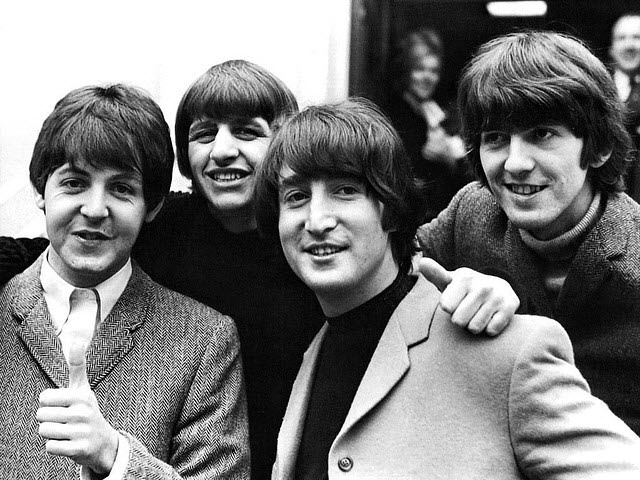
Few bands in the history of music have had the same seismic impact as The Beatles. From their early days of mop-top mania to their later experimental masterpieces, this legendary quartet from Liverpool transformed the music landscape forever. With their timeless melodies, innovative arrangements, and thought-provoking lyrics, The Beatles hold an unparalleled place in the hearts of fans across generations. Whether you’re a lifelong devotee or new to their catalog, one thing is certain: their music transcends time and genre.
In this article, we dive into the top 10 most popular Beatles songs of all time—tracks that not only defined an era but continue to resonate with listeners around the world. From the infectious harmonies of their early hits to the groundbreaking sonic explorations of their later years, these are the songs that solidified their place as the greatest band in history. Whether you’re humming along to “Hey Jude” or getting lost in the complexity of “A Day in the Life,” these tracks showcase the range, artistry, and genius that made The Beatles musical icons. So, put on your headphones, take a trip down memory lane, and rediscover why the Fab Four continue to be the soundtrack of our lives.
1. Hey Jude (1968)
“Hey Jude,” released as a single in 1968, quickly became one of The Beatles’ most beloved and enduring hits. Written primarily by Paul McCartney, the song was inspired by John Lennon’s son, Julian, during his parents’ divorce. The original title was “Hey Jules,” but McCartney changed it to “Hey Jude” because he thought it sounded better. What sets “Hey Jude” apart from other songs of its time is its emotional depth and its ability to uplift listeners. The lyrics offer a message of hope, urging the listener to take a sad situation and turn it into something better. This theme of optimism, paired with a simple but effective melody, helped “Hey Jude” strike a chord with audiences across the world.
But it’s the song’s legendary coda that really makes “Hey Jude” unforgettable. The lengthy, rousing sing-along section invites listeners to participate, creating a sense of unity and shared experience. The power of the chorus—”na-na-na-na”—along with the band’s swelling harmonies, gives the song a cathartic release that connects on a deeply emotional level. The song was revolutionary in terms of its length and its structure, which was far from typical for pop songs at the time. At over seven minutes long, it became a worldwide hit and was a perfect reflection of The Beatles’ growing artistry. “Hey Jude” topped the charts for several weeks, becoming a symbol of their ability to blend emotional sincerity with musical innovation. Even decades after its release, the song continues to resonate, demonstrating The Beatles’ unmatched talent for creating songs that are timeless and universally beloved.
2. Let It Be (1970)
As one of The Beatles’ final singles, “Let It Be” carries a weight that makes it one of the band’s most poignant and meaningful songs. Released in 1970, just before the band officially split, “Let It Be” has a somber yet hopeful tone that reflects the uncertainty surrounding the band’s future. Written by Paul McCartney, the song was inspired by a dream he had about his late mother, Mary. In the dream, she offered him words of comfort during a time of stress, telling him simply to “let it be.” These words of wisdom became the heart of the song’s message—an invitation to accept life as it comes, even in moments of hardship.
Musically, “Let It Be” is rich with emotion, featuring a gospel-inspired piano arrangement that creates a sense of peace and solace. The uplifting chords and McCartney’s heartfelt vocals convey a sense of longing for resolution, while the track’s soulful guitar solo adds a touch of warmth and comfort. The repetition of the phrase “Let it be” acts as a mantra, a reminder to breathe and let go of worries, reinforcing the song’s central theme of acceptance and peace. When it was released, “Let It Be” became an instant anthem for those navigating difficult times, and it has since remained a song of comfort and reassurance for listeners everywhere. The song’s universal appeal, paired with its timeless message, has solidified “Let It Be” as one of The Beatles’ most beloved and enduring works.
3. Yesterday (1965)
Released in 1965 as part of The Beatles’ album *Help!*, “Yesterday” quickly became one of the most covered songs in history, and for good reason. Written by Paul McCartney, the song was a departure from much of The Beatles’ earlier work. Stripped of the upbeat energy and youthful exuberance of their previous hits, “Yesterday” is a slow, melancholic ballad that showcases the band’s growing sophistication as songwriters. The song’s gentle acoustic arrangement and McCartney’s tender vocals reflect a longing for a time before things went wrong, when life seemed simpler and happier.
The lyrics, which express deep regret and sorrow over a lost love, are poignant and universal in their emotional appeal. “Yesterday” evokes the kind of nostalgia that is both bittersweet and comforting, a longing for what once was. This vulnerability was a marked contrast to the more rebellious and exuberant songs that had made The Beatles famous. With its simple yet striking melody, “Yesterday” solidified The Beatles’ ability to craft songs that were not only pop hits but also emotionally rich works of art. The track’s massive success demonstrated that The Beatles could master more than just rock ‘n’ roll—they could also create timeless ballads that touched on the universal human experience of love, loss, and regret. “Yesterday” remains one of The Beatles’ most iconic and beloved songs, a true testament to their songwriting genius.
4. A Day in the Life (1967)
“A Day in the Life,” the closing track of *Sgt. Pepper’s Lonely Hearts Club Band* (1967), is often considered one of The Beatles’ most ambitious and groundbreaking songs. The song is a unique collaboration between John Lennon and Paul McCartney, blending two distinct musical ideas into a single cohesive track. Lennon’s verses are dreamy and surreal, filled with strange, almost disjointed imagery that creates a sense of detachment from reality. These verses, which touch on the tragic story of a man’s death, evoke feelings of melancholy and existential reflection.
In contrast, McCartney’s section of the song is bright, lively, and full of everyday observations, adding a touch of levity to the overall narrative. The juxtaposition of these two styles creates a striking contrast, making the song feel like a dreamlike journey through the highs and lows of life. The musical arrangement is equally experimental, with the song building to dramatic crescendos of orchestral sound that add to its avant-garde atmosphere. The finale, with its thunderous orchestral climax and the lingering final chord, was a revolutionary moment in pop music and remains one of the most iconic moments in The Beatles’ catalog.
“A Day in the Life” is a perfect example of The Beatles’ ability to push the boundaries of popular music and experiment with new sounds and ideas. The song’s surreal lyrics and groundbreaking production techniques made it a landmark track that would influence generations of musicians. Its emotional complexity and innovative structure solidified *Sgt. Pepper’s* as one of the greatest albums in history and marked a turning point in the evolution of rock music. “A Day in the Life” continues to be celebrated for its brilliance and its contribution to the expansion of what music could be.
5. Something (1969)
Released on *Abbey Road* in 1969, “Something” stands as George Harrison’s greatest achievement as a songwriter within The Beatles. The song is a beautiful love ballad that showcases Harrison’s growing prowess as a composer and lyricist. It’s a tender, romantic song, filled with admiration and devotion, and is often regarded as one of the most enduring love songs in the band’s catalog. The lyrics express a deep, almost spiritual connection to a loved one, capturing the complexities of love in a way that is both poetic and universal.
“Something” features a simple yet powerful melody that allows Harrison’s lyrics to take center stage. The song’s arrangement is equally graceful, with lush strings and subtle instrumentation that complement the emotional depth of the lyrics. Harrison’s vocals are smooth and sincere, adding a layer of intimacy to the track. What makes “Something” so remarkable is its ability to convey such deep emotion with such understated elegance. The song’s warmth and sincerity have made it a favorite among fans and critics alike, and it’s no surprise that even John Lennon, known for his critical nature, praised it as the best track on *Abbey Road*. “Something” is a testament to Harrison’s unique songwriting style and his ability to create music that resonates on a deeply emotional level. It remains one of The Beatles’ most beloved ballads and continues to inspire countless artists who seek to capture the same depth of feeling in their music.
6. Come Together (1969)
“Come Together,” a standout track from *Abbey Road* (1969), is one of The Beatles’ most iconic and enigmatic songs. Written primarily by John Lennon, “Come Together” has a funky, bluesy feel that contrasts sharply with the band’s earlier works. Initially conceived as part of a political campaign for Timothy Leary, the song took on a life of its own, evolving into a mysterious, abstract track that is both catchy and cryptic. Lennon’s lyrics are filled with vivid imagery and nonsensical phrases, creating a sense of intrigue and curiosity.
The song’s slow, laid-back groove is anchored by Paul McCartney’s infectious bassline, which gives it a deep, almost hypnotic quality. The track’s cool, detached vibe makes it stand out from many of The Beatles’ more straightforward hits, and its experimental nature showcases the band’s growing willingness to take risks in their music. “Come Together” became an instant fan favorite due to its distinctive sound and the sense of mystery surrounding the lyrics. Despite the song’s cryptic nature, its infectious rhythm and catchy chorus made it accessible to listeners, and its unique blend of funk, rock, and blues influenced countless musicians in the years to come. The track’s enigmatic energy and laid-back atmosphere continue to make it one of The Beatles’ most intriguing and memorable songs. “Come Together” remains a standout moment in the band’s catalog, a perfect example of their ability to innovate and create music that defies easy categorization. Its influence can still be felt in the music of today.
7. Here Comes the Sun (1969)
“Here Comes the Sun,” written by George Harrison and released on *Abbey Road* in 1969, is one of The Beatles’ most uplifting and beloved tracks. Inspired by Harrison’s experiences of the long, dark English winter, the song symbolizes hope and renewal. He wrote it while in Eric Clapton’s garden, feeling a sense of release
and optimism after a difficult period. The song’s bright melody and positive message create a feeling of warmth and sunshine, making it one of the most joyous songs in The Beatles’ catalog.
The arrangement of “Here Comes the Sun” is deceptively simple, with Harrison’s gentle acoustic guitar leading the way. The song builds gradually, with each layer of instrumentation adding to the sense of rising energy. The track’s shimmering guitars, harmonies, and upbeat rhythm create a feeling of optimism and forward movement, perfectly capturing the essence of a new beginning. Harrison’s voice is warm and reassuring, offering listeners a sense of comfort and joy. “Here Comes the Sun” resonates with anyone who has faced dark or difficult times and longed for the light at the end of the tunnel. Its universal message of hope has made it a perennial favorite, and it continues to inspire listeners to this day. The song’s radiant positivity and timeless appeal make it one of The Beatles’ most enduring classics. “Here Comes the Sun” remains a symbol of renewal, a reminder that after the darkness, the sun will always come again.
8. Help! (1965)
“Help!” was released in 1965 as the title track for both The Beatles’ movie and album of the same name. Written by John Lennon, the song marks a significant turning point in the band’s career. At the height of Beatlemania, Lennon found himself feeling overwhelmed by the intense pressure and expectations placed on him. “Help!” reflects a sense of vulnerability that had not yet been fully explored in The Beatles’ music. While the upbeat melody suggests a sense of carefree fun, the lyrics reveal a deeper emotional truth: Lennon was struggling with the overwhelming fame and the loss of his sense of self.
The song’s infectious melody and energetic rhythm belie the emotional depth of the lyrics, creating a compelling contrast between the surface-level exuberance and the deeper sense of confusion and longing. “Help!” resonates with listeners who have ever felt like they were in over their heads or overwhelmed by external pressures. Its honesty and emotional rawness struck a chord with fans, making it one of The Beatles’ most beloved songs. The track’s upbeat tempo and catchy chorus also made it a massive commercial success, and it became an anthem for those facing their own personal struggles. “Help!” remains an essential part of The Beatles’ catalog, showcasing the band’s ability to combine emotional depth with catchy pop sensibilities. It is a perfect example of how The Beatles used their music to express the full range of human emotions, from joy to vulnerability.
9. All You Need Is Love (1967)
Premiering during the first live global satellite broadcast in 1967, “All You Need Is Love” was The Beatles’ declaration of unity and peace to the world. Written by John Lennon, the song was conceived as a simple, universal anthem of love that would be understood by people of all cultures and backgrounds. The lyrics, with their repeated refrain of “All you need is love,” carry a message of hope and solidarity, and they have since become synonymous with The Beatles’ message of love, tolerance, and understanding. Released at the height of the counterculture movement, the song resonated deeply with a generation yearning for change, peace, and a better world.
Musically, “All You Need Is Love” combines elements of both Western pop music and traditional orchestration, which gives it a broad, global appeal. The song’s orchestral arrangement, which includes brass, strings, and a prominent choir, creates a festive, celebratory atmosphere, reinforcing the message of unity. The song’s simplicity is its strength, as the chorus is easy to sing along to and its message is direct but powerful. The live broadcast performance of the song, beamed to over 400 million people across the globe, only added to its impact, as it symbolized The Beatles’ role as cultural leaders in an era of radical change.
“All You Need Is Love” has since become one of The Beatles’ most iconic songs, not only because of its historical significance but also because of its timeless message of love and togetherness. Its easy-to-remember melody, catchy chorus, and universal message have made it a song that still connects with people of all ages, across all cultures. Even decades after its release, “All You Need Is Love” remains an anthem of positivity, reminding us that love is the answer to many of life’s struggles.
10. Strawberry Fields Forever (1967)
Released as a double A-side with “Penny Lane” in 1967, “Strawberry Fields Forever” marked a significant departure from The Beatles’ earlier sound, showcasing a more experimental and introspective side of the band. Written by John Lennon, the song reflects his feelings of alienation and nostalgia for his childhood, particularly his memories of playing near a Salvation Army children’s home in Liverpool. The song’s title, “Strawberry Fields,” refers to this real-life location, but Lennon’s lyrics take the listener into a dreamlike, surreal world that blurs the line between reality and memory. It is a deeply personal reflection on the confusion and complexity of adulthood, and the tension between the innocence of youth and the disillusionment of growing up.
The production of “Strawberry Fields Forever” is a work of art in itself. The song employs groundbreaking studio techniques, using reverse tape loops, psychedelic sound effects, and innovative instrumentation to create an atmosphere that is both haunting and beautiful. The track’s dreamlike quality, enhanced by the lush orchestration and Lennon’s evocative vocals, helped usher in a new era of pop music—one that was more experimental, more introspective, and more willing to explore the complexities of the human experience. The use of studio effects was revolutionary for its time and set a new standard for what could be achieved in the recording studio.
“Strawberry Fields Forever” is often regarded as one of The Beatles’ most influential songs, not just because of its innovative production but also because of its raw emotional depth. The song has continued to inspire countless artists and remains a favorite among Beatles fans who appreciate its surreal lyrics and haunting melody. The track captures the feeling of longing for something unattainable and the sense of disconnection that often accompanies growing up, making it one of the most powerful and introspective songs in The Beatles’ catalog. Even today, “Strawberry Fields Forever” stands as a testament to The Beatles’ ability to push the boundaries of music while staying true to the deeply personal emotions that drove their songwriting.

Edward Tomlin is a frequent contributor to Singers Room. Since 2005, Singersroom has been the voice of R&B around the world. Connect with us via social media below.









