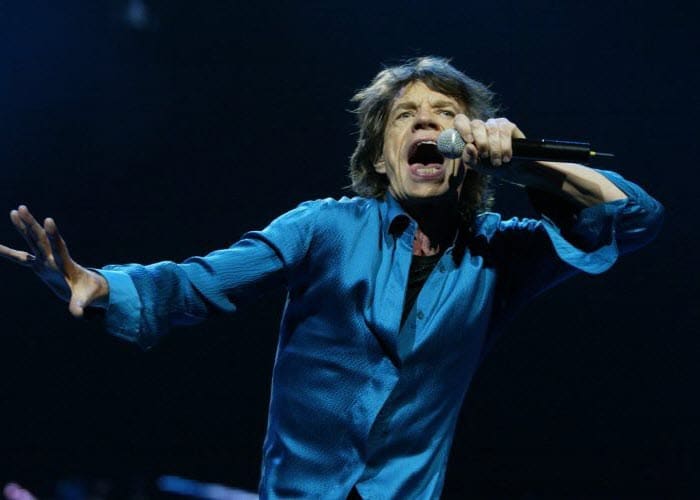
Few names in rock ‘n’ roll history are as iconic as Mick Jagger. As the legendary frontman of The Rolling Stones, Jagger’s unparalleled energy, charisma, and unmistakable voice have captivated audiences for decades. From his swaggering stage presence to his rebellious spirit, Jagger has helped define an era of music while cementing his legacy as one of the greatest rock stars of all time. But beyond his larger-than-life persona, it’s his music that continues to resonate with fans old and new alike.
In this article, we’re counting down the top 10 most popular Mick Jagger songs of all time. Whether he’s belting out timeless hits with The Stones or delivering electrifying performances from his solo catalog, these tracks represent the very best of Jagger’s musical genius. From gritty rock anthems to soulful ballads, each song on this list showcases the raw power, emotion, and versatility that have made Mick Jagger a true musical icon.
Get ready to dive into a journey through the unforgettable tunes that have shaped rock history and discover the songs that define the essence of Mick Jagger’s incredible career. Let’s start the countdown of the ultimate Jagger classics!
1. (I Can’t Get No) Satisfaction (1965)
Few songs in the history of rock ‘n’ roll have come to define a generation as “(I Can’t Get No) Satisfaction” has. Released in 1965, this anthem of youthful rebellion captures the frustration and disillusionment that permeated the 1960s. Mick Jagger’s raw, almost sneering vocal delivery, paired with Keith Richards’ iconic, fuzz-drenched guitar riff, created a song that not only dominated the charts but also served as a rallying cry for those disillusioned by consumerism and societal expectations. The track’s famous opening riff, reportedly composed by Richards in a dream, is one of the most recognizable in music history, instantly recognizable even by those unfamiliar with the band’s deeper catalog.
The lyrics strike at the heart of modern dissatisfaction, particularly with the media and advertising, speaking to a generation that felt stifled by the conformity of the times. Jagger’s frustration is palpable, his repetition of “I can’t get no satisfaction” becoming a mantra for those yearning for something more. It’s no surprise that this song catapulted The Rolling Stones into global stardom, cementing their status as one of rock’s most influential bands. Even decades later, “Satisfaction” remains a quintessential track that continues to inspire new generations of fans.
2. Sympathy for the Devil (1968)
When “Sympathy for the Devil” was released in 1968, it immediately sparked controversy for its subject matter, but its brilliance couldn’t be denied. Sung from the perspective of none other than the devil himself, Mick Jagger weaves a chilling narrative that examines the darkest aspects of human nature. The song explores themes of corruption, power, and the recurring evils of history, as Jagger’s devil claims responsibility for pivotal events throughout the ages, from the crucifixion of Christ to the atrocities of the World Wars.
Musically, the track is a standout in The Rolling Stones’ catalog, blending a hypnotic, Latin-inspired groove with tribal percussion that gives it a unique, almost ritualistic energy. Jagger’s vocal performance is mesmerizing, his voice dancing between sinister charm and philosophical reflection. The song’s refrain, “Pleased to meet you, hope you guess my name,” is as playful as it is haunting, asking listeners to confront the complexities of good and evil.
Though provocative, “Sympathy for the Devil” has become one of the band’s most enduring and critically acclaimed songs. It demonstrates The Rolling Stones’ willingness to push boundaries, both lyrically and musically, and remains a timeless exploration of the human condition.
3. Gimme Shelter (1969)
“Gimme Shelter,” the haunting opener from the Let It Bleed album, stands as one of the most powerful songs ever written about the chaos and uncertainty of the late 1960s. Released in 1969, it was a reflection of a world on the brink—war, violence, and social unrest were on everyone’s minds, and the song captures that unease with chilling precision. Mick Jagger’s desperate, urgent vocals drive home the sense of looming disaster, while Merry Clayton’s unforgettable backing vocals add an element of raw, emotional intensity that still sends shivers down the spine.
The song’s famous refrain, “It’s just a shot away,” echoes the sense of danger that permeated the era, making it feel like an anthem of survival in a world gone mad. Keith Richards’ guitar riff is both eerie and commanding, setting the tone for the song’s dark, apocalyptic atmosphere.
Beyond its grim subject matter, “Gimme Shelter” remains a timeless work of art, as relevant today as it was in 1969. Its themes of fear, resilience, and the fragility of life have given it a universal appeal, making it a centerpiece in The Rolling Stones’ legacy and one of rock’s most enduring masterpieces.
4. Angie (1973)
Released in 1973, “Angie” showed a softer, more introspective side of The Rolling Stones. Known for their hard-hitting rock anthems, this acoustic ballad offered something different—vulnerability. Mick Jagger’s heartfelt vocals tell a story of love, loss, and regret, making it one of the band’s most emotional tracks. The simple yet evocative acoustic guitar, played by Keith Richards, complements the melancholic mood of the song, creating a sense of intimacy that resonated with listeners across the globe.
The lyrics, although cryptic, evoke a deep sense of longing. Jagger’s poignant delivery makes it clear that “Angie” is a song about a relationship on the verge of collapse, with emotions running high. The speculation around who “Angie” refers to—whether it be David Bowie’s wife, Angela, or someone else entirely—has only added to the song’s mystique. However, what remains indisputable is the emotional power behind the music.
“Angie” quickly became a chart-topping hit, showcasing The Rolling Stones’ ability to craft tender, memorable ballads alongside their harder rock fare. Its raw emotion and simplicity make it a standout track in their extensive catalog and one of the most beloved ballads in rock history.
5. Miss You (1978)
By the late 1970s, disco was dominating the music scene, and even rock royalty like The Rolling Stones couldn’t resist its infectious groove. Released in 1978, “Miss You” is the band’s flirtation with the genre, and it was a massive success. With a funky bassline provided by Bill Wyman and Charlie Watts’ tight, rhythmic drumming, the song instantly became a dance-floor hit. Yet, despite its disco influences, “Miss You” retains the unmistakable swagger that made The Rolling Stones famous, blending their rock roots with a new, exciting sound.
Mick Jagger’s vocal performance is full of longing, capturing the essence of missing someone deeply while also giving the song a sultry, seductive edge. The lyrics tell the story of yearning for a lost love, adding a sense of melancholy to the upbeat rhythm. The blend of emotion and groove made “Miss You” a crossover hit, dominating not only the rock charts but also the dance scene.
This track proved that The Rolling Stones could evolve with the times without losing their identity. It introduced them to a new generation of fans and remains a testament to their versatility and ability to push boundaries musically.
6. Start Me Up (1981)
When “Start Me Up” was released in 1981, it was clear that The Rolling Stones had no intention of slowing down. This song, with its explosive energy and infectious riff, became an instant classic. Originally written during the Some Girls sessions, “Start Me Up” was reworked and released as the lead single for Tattoo You, quickly becoming one of the band’s biggest hits of the 1980s.
From the very first note of Keith Richards’ iconic guitar riff, the song bursts to life, brimming with excitement and urgency. Mick Jagger’s vocals are playful and charismatic, injecting a sense of fun into the track that makes it impossible not to move to. The lyrics, filled with double entendres, add to the song’s cheeky charm.
“Start Me Up” became a staple in The Rolling Stones’ live performances, where its high-octane energy never fails to ignite the crowd. It’s a song that perfectly encapsulates the band’s ability to stay relevant and thrilling even after decades in the business. Today, it remains one of the most beloved and frequently played songs in their extensive catalog, proving that The Rolling Stones are masters of timeless rock ‘n’ roll.
7. Brown Sugar (1971)
“Brown Sugar,” released in 1971, is one of The Rolling Stones’ most energetic and provocative tracks. With its unmistakable opening guitar riff, the song quickly grabs your attention and doesn’t let go. Keith Richards’ gritty, blues-infused playing sets the stage for Mick Jagger’s fiery vocals, as he tackles some of the most controversial themes in rock history—race, sex, and slavery. While the lyrics sparked debate, particularly for their raw, unfiltered look at sensitive issues, the track’s rebellious spirit and unapologetic attitude were in line with The Stones’ signature style.
Musically, “Brown Sugar” is a fusion of rock, blues, and funk, with Charlie Watts delivering a driving beat that keeps the track grounded, while saxophonist Bobby Keys delivers a rousing solo that adds a layer of exuberance. Jagger’s vocal performance is raw and full of swagger, perfectly matching the song’s boldness.
Despite the controversies surrounding it, “Brown Sugar” became a massive hit and remains a fan favorite in live performances. Its energy, iconic riff, and defiant attitude make it one of the defining songs of the early 1970s, showcasing The Rolling Stones at their peak—pushing boundaries and crafting unforgettable rock anthems.
8. Paint It Black (1966)
“Paint It Black,” released in 1966, marked a distinct departure from The Rolling Stones’ earlier sound, venturing into darker, more experimental territory. The song’s most notable feature is its use of a sitar, played by Brian Jones, which gives it a haunting, Eastern-inspired feel. This blending of traditional rock instrumentation with more exotic elements helped set “Paint It Black” apart from other tracks of the era, making it one of the band’s most innovative and influential songs.
Mick Jagger’s vocals are equally haunting, as he sings about overwhelming grief and despair, with lyrics that paint a vivid picture of someone drowning in sorrow. The refrain, “I see a red door and I want it painted black,” is as haunting as it is memorable, symbolizing the desire to erase all color and joy from life.
The song’s themes of loss and existential dread resonated deeply during the tumultuous 1960s, as it reflected the darker side of a decade often associated with peace and love. “Paint It Black” became a number one hit in both the U.S. and the UK, and its moody, brooding tone continues to make it a standout in The Stones’ catalog. Its timeless appeal lies in its powerful emotion and daring experimentation.
9. Jumpin’ Jack Flash (1968)
Released in 1968, “Jumpin’ Jack Flash” is often hailed as The Rolling Stones’ triumphant return to their bluesy, rock ‘n’ roll roots after their brief foray into psychedelia. The song’s gritty, no-nonsense sound, driven by Keith Richards’ powerful guitar riff, signaled a back-to-basics approach that resonated with both critics and fans. The track’s upbeat, rebellious energy is infectious, making it one of the most high-octane songs in the band’s repertoire.
Lyrically, “Jumpin’ Jack Flash” is a celebration of resilience and survival, with Mick Jagger delivering his lines with a confidence and bravado that fit the song’s rebellious tone. “I was born in a crossfire hurricane” is one of rock’s most memorable opening lines, setting the stage for a tale of overcoming life’s hardships.
The song quickly became a fan favorite and has since been a staple of The Rolling Stones’ live performances. Its raw energy and unrelenting pace make it a perfect track to get crowds moving, and it remains one of the band’s most iconic songs. “Jumpin’ Jack Flash” is a testament to The Stones’ ability to continually reinvent themselves while staying true to their rock ‘n’ roll essence.
10. Emotional Rescue (1980)
“Emotional Rescue,” released in 1980, is a fun and funky departure from The Rolling Stones’ usual rock sound, showcasing the band’s ability to experiment with different genres while still retaining their signature edge. The track is infused with disco and dance elements, which might have seemed unexpected for a band so deeply rooted in rock, but it worked. The smooth bassline, rhythmic groove, and Mick Jagger’s playful falsetto vocals all combine to make this a standout track from the Emotional Rescue album.
Jagger’s performance here is lighthearted and tongue-in-cheek, as he sings about being the “knight in shining armor” ready to rescue his love interest. The lyrics are playful, almost ironic, adding to the track’s overall sense of fun. It’s clear that The Rolling Stones were embracing a more experimental, genre-blending approach during this era, and “Emotional Rescue” captures that spirit perfectly.
The song became a hit, peaking high on the charts and earning the band a new wave of fans. It’s a testament to their versatility and willingness to push their sound in new directions while still keeping the infectious rhythms and personality that made them rock legends in the first place.

Edward Tomlin is a frequent contributor to Singers Room. Since 2005, Singersroom has been the voice of R&B around the world. Connect with us via social media below.









