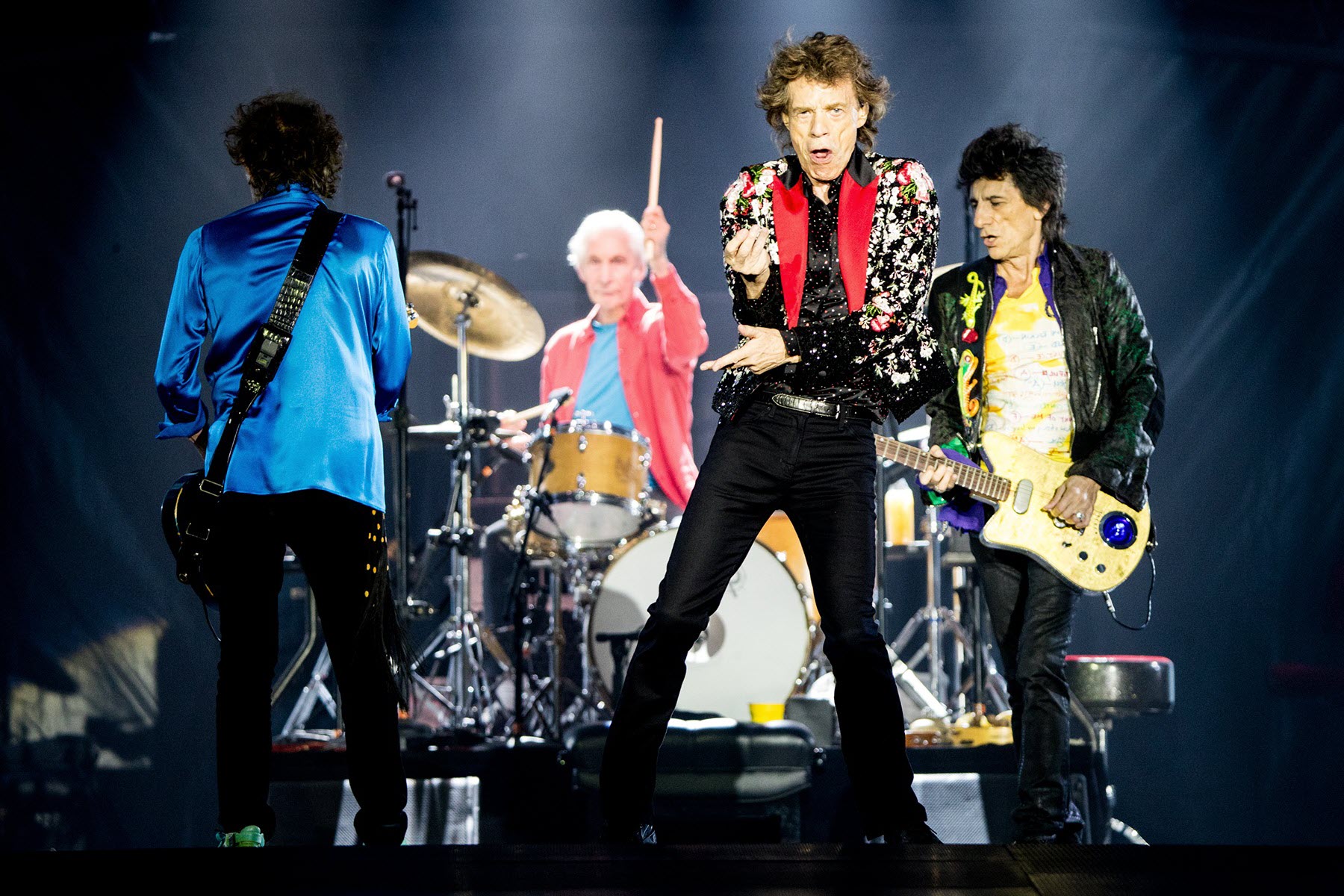
Few bands in the history of rock and roll have left as indelible a mark as The Rolling Stones. For over six decades, they’ve delivered some of the most iconic, rebellious, and electrifying songs the world has ever heard. From raw, blues-drenched rock anthems to introspective ballads, the Stones have consistently pushed boundaries, staying effortlessly cool while influencing entire generations of musicians. Their ability to capture the spirit of an era, while also remaining timeless, has solidified their place as rock legends. But with such an expansive catalog of hits, which songs truly define their legacy?
In this article, we dive into the Top 10 Most Popular Rolling Stones Songs of All Time. These tracks have not only dominated the charts but have also become cultural milestones, each one a snapshot of the band’s ever-evolving sound. Whether you’re a longtime fan or just discovering the magic of Jagger, Richards, and company, these songs are the quintessential representation of why The Rolling Stones are known as “The Greatest Rock and Roll Band in the World.” So, turn up the volume, get ready to rock, and let’s explore the tracks that have made history!
1. (I Can’t Get No) Satisfaction (1965)
Released in June 1965, “(I Can’t Get No) Satisfaction” is the track that solidified The Rolling Stones’ place in music history and launched them into international fame. With its unforgettable guitar riff, dreamt up by Keith Richards in the middle of the night, the song is a perfect blend of rock rebellion and cultural critique. Mick Jagger’s sneering vocals express dissatisfaction with a consumer-driven world, channeling the frustration of youth in the turbulent 1960s. The song’s raw energy and biting lyrics made it an instant classic, and it quickly became the band’s first number one hit in the U.S. “Satisfaction” is more than just a song—it’s an anthem of a generation, capturing the restlessness and desire for something more. Decades later, it still feels just as powerful, a timeless reminder of the band’s ability to tap into the spirit of rock ’n’ roll and societal angst.
2. Paint It Black (1966)
In May 1966, The Rolling Stones took their sound to a darker, more experimental place with the release of “Paint It Black.” Driven by Brian Jones’ eerie sitar, the song creates an intense, hypnotic atmosphere that sets it apart from their earlier work. The Eastern influences, combined with the song’s haunting melody, give it a brooding, almost otherworldly quality. Lyrically, it explores themes of grief and emotional devastation, as Jagger’s vocals echo with despair and anguish. “Paint It Black” struck a chord with listeners, climbing to number one on the Billboard Hot 100. Its haunting sound and dark themes made it an enduring favorite, often featured in movies and TV shows to evoke feelings of loss and darkness. Over 50 years later, the song still stands as a bold testament to the band’s willingness to push musical boundaries.
3. Gimme Shelter (1969)
Released in December 1969, “Gimme Shelter” is more than just a song—it’s a powerful snapshot of the chaos and violence that marked the late 1960s. The track opens with one of the most haunting guitar riffs in rock history, immediately pulling listeners into its tense and ominous atmosphere. As political and social unrest simmered across the world, The Rolling Stones captured that uncertainty with chilling accuracy. Jagger’s lyrics are filled with a sense of urgency, and Merry Clayton’s unforgettable backing vocals elevate the song’s intensity, particularly in her heart-wrenching cry of “rape” during the chorus. “Gimme Shelter” paints a picture of a world on the edge, desperate for peace but caught in a storm of violence. The song remains a poignant reflection of its time and still resonates deeply today, as themes of conflict and shelter continue to be relevant.
4. Sympathy for the Devil (1968)
“Sympathy for the Devil,” released in December 1968 as part of Beggars Banquet, remains one of The Rolling Stones’ most daring and controversial songs. Sung from the perspective of the devil, Mick Jagger recounts humanity’s darkest moments—from wars to assassinations—set to a samba-inspired beat. The song’s unusual fusion of rock and Latin rhythms creates a hypnotic groove, while the lyrics explore themes of evil, power, and detachment from morality. As Jagger wryly observes humanity’s tendency toward violence and chaos, the listener is drawn into a seductive yet chilling narrative. The provocative subject matter sparked debate upon its release, and its boundary-pushing style continues to fascinate audiences. “Sympathy for the Devil” is a song that provokes thought, raising questions about the nature of evil and its presence throughout history, all while enveloping the listener in a mesmerizing musical experience.
5. Jumpin’ Jack Flash (1968)
Released in May 1968, “Jumpin’ Jack Flash” marked a return to The Rolling Stones’ gritty, blues-inspired rock roots after a brief venture into psychedelia. With its fierce energy and raw sound, the song quickly became a fan favorite. Richards’ iconic guitar riffs and the pounding beat propel the track forward, while Jagger’s lyrics, full of defiance and bravado, tell the story of a character who triumphs over adversity. The rebellious spirit and electrifying momentum of “Jumpin’ Jack Flash” made it a concert staple, and it’s now considered one of the band’s signature songs. Its infectious rhythm and confident swagger epitomize the Stones’ ability to craft timeless rock anthems that resonate with listeners across generations.
6. Start Me Up (1981)
“Start Me Up,” released in August 1981, proved that The Rolling Stones still had plenty of rock ‘n’ roll fuel in the tank. Originally envisioned as a reggae tune, the song transformed into an upbeat, guitar-driven anthem, complete with Richards’ unforgettable riff and Charlie Watts’ steady drumming. Jagger’s playful, suggestive lyrics, paired with the high-octane energy of the track, made it an instant hit. “Start Me Up” became synonymous with major events, from sports games to advertisements, further cementing its place in pop culture. It revitalized the Stones’ presence in the early 1980s and demonstrated their enduring ability to create music that feels fresh and exciting. Even today, it’s a crowd favorite at concerts, bringing a burst of energy whenever the opening chords ring out.
7. Angie (1973)
In 1973, The Rolling Stones showcased their softer side with the release of “Angie.” Departing from their usual rock edge, this acoustic ballad is a poignant exploration of love and loss. Featuring delicate piano melodies and tender guitar work, “Angie” is a reflection on the end of a relationship, filled with a sense of melancholy and longing. Jagger’s emotive vocals, paired with the heartfelt arrangement, capture the sadness of parting ways. Despite its sorrowful tone, the song became a massive hit, topping charts around the world. “Angie” proved that The Rolling Stones were just as capable of delivering emotional ballads as they were rock anthems, and it remains one of their most beloved tracks.
8. Wild Horses (1971)
Released in June 1971 on the Sticky Fingers album, “Wild Horses” stands out as one of The Rolling Stones’ most beautiful ballads. With its soft, country-infused sound, the song offers a glimpse into the band’s more vulnerable, introspective side. Richards’ gentle acoustic guitar and Jagger’s reflective lyrics create an atmosphere of quiet longing and heartache. While the song is often seen as a personal reflection on relationships, its themes of love and loss are universal. “Wild Horses” is a moment of tenderness on an otherwise hard-edged album, offering listeners a chance to connect with the band on a deeply emotional level. Its timeless appeal has made it a favorite among fans, and it continues to be a standout in The Stones’ catalog.
9. Brown Sugar (1971)
“Brown Sugar,” released in April 1971, is one of The Rolling Stones’ most controversial songs. Its catchy riff and infectious rhythm make it a classic rock hit, but the lyrics delve into provocative themes of race, gender, and power that have sparked debate since its release. As the opening track on Sticky Fingers, “Brown Sugar” sets the tone for the album with its raw energy and rebellious spirit. Despite—or perhaps because of—its edgy content, the song became a massive hit, topping the charts and becoming a staple of the band’s live performances. Its blend of infectious music and daring lyrics showcases The Rolling Stones’ fearless approach to rock ’n’ roll.
10. You Can’t Always Get What You Want (1969)
“You Can’t Always Get What You Want” is one of The Rolling Stones’ most iconic songs, released in July 1969 as the B-side to “Honky Tonk Women.” It’s a grand, sweeping anthem that opens with a choir and builds into a powerful reflection on life’s disappointments. Jagger’s lyrics offer a bittersweet message about the inevitability of not always getting what we desire, while Richards’ guitar and the orchestration give the song a sense of both grandeur and intimacy. It’s a song that resonates with listeners on a personal level, reminding us that while life may not always go as planned, there’s still hope in accepting what we have. Over the years, it has become one of the Stones’ most beloved and enduring tracks, often played at the end of their concerts to leave fans with a sense of reflection and closure.

Samuel Moore is a frequent contributor to Singers Room. Since 2005, Singersroom has been the voice of R&B around the world. Connect with us via social media below.









