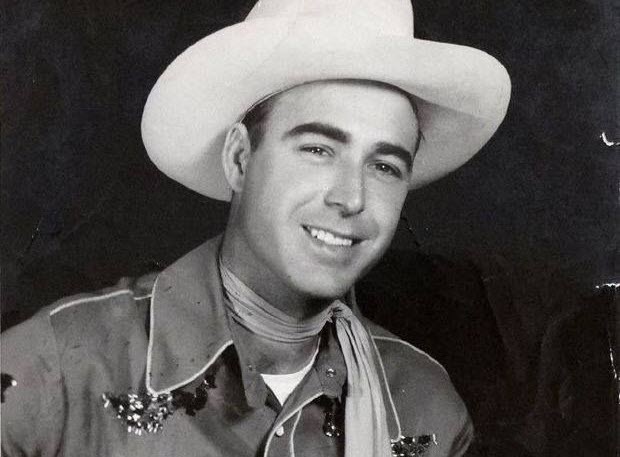
Johnny Horton stands as one of the most iconic voices in country and rockabilly music. His songs, often filled with vivid storytelling and infectious melodies, have earned him a timeless place in the annals of music history. Whether recounting thrilling tales of historical events or crafting upbeat, danceable tunes, Horton’s unique style has resonated with generations of fans. From the roaring success of his chart-topping hits in the late 1950s to his continued influence on musicians today, Johnny Horton’s music continues to captivate listeners with its blend of adventure, romance, and unmistakable charm.
In this article, we’re counting down the top 10 most popular Johnny Horton songs of all time. These are the tracks that defined his career, made radio stations hum with excitement, and had audiences tapping their feet across the country. Whether you’re a lifelong fan or new to his music, you’re in for a treat as we delve into the songs that turned Horton into a household name. So, buckle up and get ready to explore the unforgettable music of a true country legend—Johnny Horton!
1. The Battle of New Orleans (1959)
Johnny Horton’s “The Battle of New Orleans” is undoubtedly his most famous track, and for good reason. Released in 1959, this song tells the thrilling story of the 1815 Battle of New Orleans during the War of 1812. Its infectious rhythm and witty lyrics made it a massive hit, topping the Billboard Hot 100 chart and even crossing over into pop radio stations. Horton’s charismatic vocal delivery, combined with the upbeat, march-like tempo, captures the spirit of American patriotism and historical storytelling. The song won a Grammy Award for Best Country & Western Performance and remains a staple in Horton’s catalog, introducing new generations to his unique brand of narrative-driven country music.
2. North to Alaska (1960)
In 1960, Johnny Horton struck gold with “North to Alaska,” the theme song for the popular John Wayne film of the same name. The song vividly captures the excitement of the 1896 Klondike Gold Rush, with lyrics that transport the listener to the wild, untamed frontiers of the north. Horton’s robust vocals are perfectly matched with the song’s adventurous, almost cinematic feel, making it an instant classic. The song hit No. 1 on the Billboard Country chart and became a fan favorite for its upbeat tempo and larger-than-life storytelling. “North to Alaska” is a testament to Horton’s ability to blend history, adventure, and catchy tunes seamlessly.
3. Sink the Bismarck (1960)
“Sink the Bismarck” was inspired by the real-life WWII naval battle against the German battleship Bismarck. Released in 1960, the song is a gripping account of bravery on the high seas, filled with stirring descriptions of the Allied mission to destroy the feared ship. Its fast-paced rhythm and urgent tone perfectly complement the tense historical moment it describes. Horton’s energetic delivery and masterful storytelling make the listener feel as though they’re right there in the heat of the battle. The song was a hit, reaching the top 10 on the Billboard Hot 100 and further cementing Horton’s reputation as a master of historical ballads.
4. Honky-Tonk Man (1956)
Released in 1956, “Honky-Tonk Man” was Johnny Horton’s breakout hit and one of the defining songs of the rockabilly era. With its swinging rhythm and catchy guitar riffs, the song tells the story of a man who loves to drink, dance, and live life to the fullest in honky-tonk bars. Horton’s delivery is lighthearted yet filled with swagger, making it impossible not to tap your feet along to the beat. The song’s success helped launch Horton into stardom and remains an enduring favorite for fans of both rockabilly and classic country music.
5. Whispering Pines (1959)
A departure from his more upbeat songs, “Whispering Pines” showcases Johnny Horton’s softer, more emotional side. Released in 1959, this ballad is a poignant song about longing and heartbreak. Horton’s gentle vocals convey a deep sense of melancholy, perfectly complemented by the song’s slow, waltz-like rhythm. The lyrics, which evoke images of nature as a metaphor for sorrow, make “Whispering Pines” a hauntingly beautiful track that stands out in Horton’s discography. It’s a song that highlights his versatility as an artist, capable of handling both high-energy anthems and tender ballads with equal skill.
6. When It’s Springtime in Alaska (It’s Forty Below) (1959)
Released in 1959, “When It’s Springtime in Alaska (It’s Forty Below)” is one of Johnny Horton’s most beloved songs—and for good reason. It’s a vivid, humorous account of a man who finds himself in a frosty Alaskan saloon, falling in love with a woman who turns out to be the wife of a jealous dancehall owner. The song’s clever lyrics, paired with its distinctive melody, make it a standout track that showcases Horton’s knack for storytelling. The song became a top 5 hit on the country charts and remains a fan favorite for its lively, entertaining narrative.
7. Johnny Reb (1959)
“Johnny Reb,” released in 1959, is a stirring tribute to Confederate soldiers who fought during the American Civil War. The song’s marching beat, combined with Horton’s impassioned vocals, creates a sense of loyalty and pride that resonates throughout the track. While the song’s subject matter might be controversial by today’s standards, it captures Horton’s interest in historical themes and his ability to bring the past to life through music. It became a top 10 hit on the country charts and continues to be remembered for its compelling narrative and Horton’s powerful performance.
8. I’m a One-Woman Man (1956)
“I’m a One-Woman Man” is a fun, rockabilly-infused declaration of love and loyalty. Released in 1956, the song sees Horton proclaiming his devotion to the one woman who holds his heart. The upbeat tempo, combined with Horton’s playful vocals, makes this track an irresistible toe-tapper. Its simple yet catchy chorus is one that fans can’t help but sing along to. The song became a moderate hit in its time but has since become a classic, especially among fans of Horton’s early rockabilly work.
9. Comanche (The Brave Horse) (1961)
Released in 1961, “Comanche (The Brave Horse)” tells the story of the only U.S. Army horse to survive the Battle of the Little Bighorn. The song’s solemn tone and slower pace reflect the reverence Horton had for the subject matter. Through his vivid lyrics, Horton brings to life the tragic yet heroic tale of Comanche, creating a moving tribute to both the horse and the soldiers who fought in the battle. Though not as commercially successful as his other hits, “Comanche” remains a fan favorite for its emotional depth and historical focus.
10. All Grown Up (1957)
Released in 1957, “All Grown Up” is a heartfelt ballad about the passage of time and the bittersweet feeling of watching a loved one grow up. Horton’s tender vocals and the song’s gentle melody make it a touching and relatable track for listeners of all ages. The lyrics express a mix of pride and nostalgia, making “All Grown Up” one of Horton’s more introspective songs. While it may not have reached the same commercial heights as some of his other hits, it remains a gem in his catalog, beloved for its emotional resonance and lyrical beauty.

Edward Tomlin is a frequent contributor to Singers Room. Since 2005, Singersroom has been the voice of R&B around the world. Connect with us via social media below.







