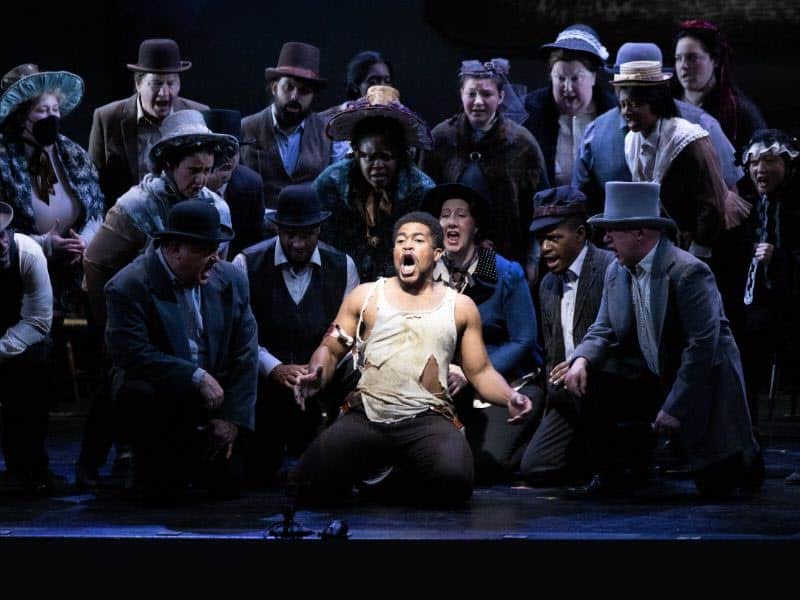
Opera has captivated audiences for centuries with its powerful combination of music, drama, and emotion. From heart-wrenching arias to exuberant duets, the world of opera offers a treasure trove of unforgettable melodies that have stood the test of time. Whether it’s the thrill of a triumphant tenor soaring to new vocal heights or the delicate beauty of a soprano’s tender plea, opera’s greatest moments never fail to leave audiences breathless. In this article, we take you on a journey through the top 15 most popular opera songs of all time—pieces that have transcended the opera house and become cultural icons. These masterpieces, composed by the likes of Puccini, Verdi, and Mozart, continue to resonate with both seasoned opera lovers and newcomers alike. From the fiery passion of Carmen’s “Habanera” to the stirring determination of Turandot’s “Nessun Dorma,” these songs have become synonymous with the raw power of the human voice and the timeless beauty of classical music. Whether you’re a long-time aficionado or just dipping your toes into the world of opera, these pieces will move you, inspire you, and remind you why opera remains one of the most revered art forms in the world.
1. “Nessun Dorma” (Turandot, 1926)
One of the most famous and stirring tenor arias in the operatic canon, “Nessun Dorma” is the climactic moment of Giacomo Puccini’s final opera Turandot. Sung by the character Prince Calaf, this aria expresses his unyielding confidence that he will win the heart of the icy princess, Turandot. The famous cry of “Vincerò!” (“I will win!”) at the aria’s conclusion has become synonymous with triumph and resilience, and the powerful melody has transcended opera to become a cultural icon, popular even among non-opera fans. The aria’s bold orchestration and soaring vocal lines have made it a favorite of tenors like Luciano Pavarotti, who helped bring it to global recognition.
2. “La Donna è Mobile” (Rigoletto, 1851)
From Verdi’s Rigoletto, “La Donna è Mobile” is a playful yet cynical reflection on the fickleness of women, sung by the Duke of Mantua, a notorious womanizer. Its catchy melody and lively rhythm make it an instant earworm, but the song’s light-hearted feel belies the dark undercurrents of the opera’s tragic plot. First performed in 1851, this aria has remained a staple of the operatic repertoire for its infectious melody and has been widely used in popular culture, from TV commercials to sporting events. Audiences are often quick to hum along, even if they don’t understand the Italian lyrics.
3. “Habanera” (Carmen, 1875)
Georges Bizet’s Carmen opens with one of the most famous mezzo-soprano arias of all time, the seductive “Habanera.” Sung by the irresistible and free-spirited Carmen, this aria is a proclamation of love’s unpredictability and fleeting nature. The sultry, dance-like rhythm draws from the Cuban habanera style, giving it a distinct, exotic flair. Carmen’s teasing refrain, “L’amour est un oiseau rebelle” (“Love is a rebellious bird”), has captivated audiences since the opera’s 1875 premiere. Although initially criticized for its unconventional elements, Carmen and this iconic aria have since become central to the opera world.
4. “Largo al Factotum” (The Barber of Seville, 1816)
“Largo al Factotum” is one of the most challenging and exuberant arias written for a baritone, and it introduces the resourceful Figaro in Rossini’s The Barber of Seville. The aria’s rapid-fire delivery mirrors Figaro’s quick wit and bustling energy as he boasts about his many talents and the demands on his services. First performed in 1816, this aria requires incredible vocal agility and breath control, with Figaro repeatedly exclaiming his name in a self-aggrandizing, almost comic fashion. It remains one of the most beloved moments in comic opera, and its vibrant, tongue-twisting lyrics are as fun for the audience as they are difficult for the performer.
5. “O Mio Babbino Caro” (Gianni Schicchi, 1918)
Puccini’s Gianni Schicchi, a one-act opera, contains one of the most tender and heart-wrenching soprano arias ever written: “O Mio Babbino Caro.” Sung by the young Lauretta, she pleads with her father to allow her to marry the man she loves. The simplicity and sincerity of the melody, combined with its lush orchestration, have made it a favorite of sopranos and audiences alike. First performed in 1918, the aria’s emotional impact is immediate and profound, often used in films and commercials to evoke deep feeling. Its enduring popularity lies in its ability to convey universal themes of love and longing in just a few short minutes.
6. “Libiamo ne’ lieti calici” (Brindisi) (La Traviata, 1853)
Verdi’s La Traviata opens with one of the most beloved drinking songs in opera, “Libiamo ne’ lieti calici,” often referred to simply as the “Brindisi.” This lively duet between Violetta and Alfredo invites the partygoers to drink and celebrate life and love. The waltz-like rhythm and joyful melody make it an instant favorite in any performance. Premiered in 1853, this aria not only sets the festive tone of the first act but also introduces the ill-fated romance at the heart of the opera. Its infectious energy and celebratory spirit have made it a popular choice at concerts and galas.
7. “Der Hölle Rache” (Queen of the Night Aria) (The Magic Flute, 1791)
Wolfgang Amadeus Mozart’s The Magic Flute features one of the highest and most technically demanding soprano arias ever written: “Der Hölle Rache,” also known as the Queen of the Night aria. Sung by the vengeful Queen as she commands her daughter to commit murder, this aria is a tour de force of vocal fireworks, requiring extreme precision and range. First performed in 1791, the aria’s dramatic intensity and dazzling high notes have made it a favorite challenge for coloratura sopranos. Its powerful, almost terrifying energy leaves audiences in awe.
8. “Un bel dì vedremo” (Madama Butterfly, 1904)
“Un bel dì vedremo” is the emotional centerpiece of Puccini’s Madama Butterfly, sung by the devoted Cio-Cio-San as she dreams of her husband’s return. With its soaring lines and heartbreaking vulnerability, this aria captures the character’s unwavering hope and ultimate despair. Premiered in 1904, it’s a moment of quiet introspection and deep longing, standing in stark contrast to the tragic events that follow. The beauty and raw emotion in the music have made it one of Puccini’s most beloved soprano arias.
9. “Casta Diva” (Norma, 1831)
In Bellini’s Norma, “Casta Diva” is a prayer sung by the title character, a Druid priestess calling for peace. The aria is a showcase of bel canto style, with long, flowing melodic lines and delicate ornamentation. First performed in 1831, it has become one of the most famous arias for sopranos, requiring great control and emotional depth. The serene, almost ethereal quality of the music reflects Norma’s internal conflict between her duties and her personal desires.
10. “Vesti la Giubba” (Pagliacci, 1892)
Ruggero Leoncavallo’s Pagliacci contains one of the most tragic and famous tenor arias, “Vesti la Giubba.” Sung by the character Canio, a clown who must perform while his heart breaks from betrayal, the aria expresses the agony of having to mask personal pain behind a joyful facade. Premiered in 1892, this aria’s raw emotional intensity and dramatic power have made it a signature piece for many of the world’s greatest tenors.
11. “Una Furtiva Lagrima” (L’elisir d’amore, 1832)
“Una Furtiva Lagrima” from Gaetano Donizetti’s L’elisir d’amore is one of the most famous tenor arias in all of opera. Sung by the lovesick Nemorino, the aria expresses his joy upon seeing a tear in his beloved’s eye, believing it’s proof that she loves him. The simplicity and beauty of the melody, first heard in 1832, have made this aria a favorite choice for tenors, and its gentle emotional arc resonates deeply with audiences.
12. “E lucevan le stelle” (Tosca, 1900)
Puccini’s Tosca features the heartbreaking tenor aria “E lucevan le stelle,” where the character Cavaradossi reflects on his love for Tosca as he faces execution. First performed in 1900, the aria is filled with nostalgia and sorrow, its poignant melody and orchestration heightening the sense of impending doom. The combination of lyrical beauty and emotional intensity has made it one of Puccini’s most iconic arias.
13. “Che gelida manina” (La Bohème, 1896)
“Che gelida manina” is the moment in Puccini’s La Bohème when the poet Rodolfo first touches the cold hand of the seamstress Mimì, igniting their love. Premiered in 1896, this aria is a tender expression of youthful passion, with its gorgeous melodic lines capturing the excitement of new love. It’s a favorite of tenors for its lyrical beauty and emotional depth, and it remains one of the most beloved moments in the opera.
14. “Au fond du temple saint” (The Pearl Fishers’ Duet) (Les Pêcheurs de Perles, 1863)
Bizet’s Les Pêcheurs de Perles features one of the most beautiful and famous duets in opera, “Au fond du temple saint.” Sung by two friends, Nadir and Zurga, the duet is a nostalgic reflection on their shared love for a woman. First performed in 1863, the duet’s intertwining melodies and harmonic richness have made it a favorite for both singers and audiences, celebrated for its moving portrayal of friendship and longing.
15. “Di quella pira” (Il Trovatore, 1853)
“Di quella pira” is the fiery tenor aria from Verdi’s Il Trovatore, in which the character Manrico swears to rescue his mother from execution. Premiered in 1853, the aria is a thrilling declaration of resolve and defiance, with its driving rhythm and heroic high notes. It’s a favorite showcase for tenors, requiring vocal power and dramatic intensity, and it brings the opera’s action to a fever pitch.

Samuel Moore is a frequent contributor to Singers Room. Since 2005, Singersroom has been the voice of R&B around the world. Connect with us via social media below.









