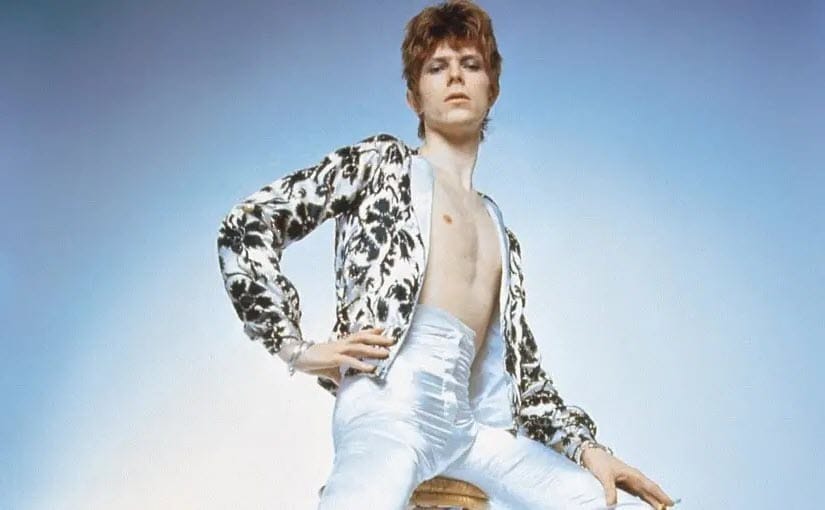
Few artists have left as indelible a mark on music and culture as David Bowie. Known for his chameleon-like ability to reinvent himself, Bowie transcended genres and eras, becoming a symbol of artistic freedom and creative exploration. With a career that spanned over five decades, Bowie’s music touched on everything from glam rock and psychedelic pop to electronic and soul. Each song he crafted was a universe in itself, filled with striking lyrical imagery, infectious melodies, and a bold sense of experimentation. His influence is felt not only in music but in fashion, film, and beyond, making him one of the most iconic figures in the history of popular culture.
In this article, we’re diving deep into Bowie’s legendary discography to uncover the top 10 most popular songs of all time. These tracks have not only defined his career but have also shaped the musical landscape for generations of fans and artists alike. From the anthemic sounds of “Heroes” to the cosmic allure of “Space Oddity,” these are the songs that have stood the test of time, capturing the essence of Bowie’s genius and continuing to inspire new listeners worldwide. So, let’s embark on a musical journey through Bowie’s greatest hits and celebrate the legacy of the one and only Starman.
1. Space Oddity (1969)
David Bowie’s “Space Oddity” is one of the most iconic tracks in his catalog, and for good reason. Released in 1969, just days before the historic Apollo 11 moon landing, the song captured the world’s imagination with its tale of Major Tom, a fictional astronaut floating helplessly through space. The track’s haunting melodies and innovative use of the Mellotron created a sonic landscape that felt as otherworldly as its subject matter. “Space Oddity” was Bowie’s first major hit, marking the beginning of his ascent to stardom. Its themes of isolation and existentialism resonated with listeners, and the song has since become synonymous with Bowie’s persona as a pioneering musical visionary. The track would later be revisited in Bowie’s ever-evolving career, but its original 1969 release remains a timeless masterpiece of storytelling and innovation.
2. Changes (1972)
Released in January 1972, “Changes” is a quintessential Bowie track that captures his ethos of constant reinvention. It was the opening song on his landmark album Hunky Dory and signaled the beginning of a new era for Bowie, one filled with glam rock experimentation and introspective lyricism. The song’s playful piano riff and Bowie’s distinctive delivery make it an irresistible anthem of self-expression. Lyrically, “Changes” is a meditation on metamorphosis, both personal and artistic, with lines like “Turn and face the strange” becoming a rallying cry for Bowie’s ever-shifting identity. The song didn’t initially chart as highly as some of his later work, but it has since grown in stature and influence, becoming one of Bowie’s most enduring and beloved tracks.
3. Starman (1972)
“Starman” was released in April 1972 and served as an introduction to Ziggy Stardust, Bowie’s flamboyant and alien alter ego. The song tells the story of an extraterrestrial being who communicates with Earth’s youth through the radio, offering hope and salvation. With its infectious chorus and dreamy guitar riffs, “Starman” became an instant hit, catapulting Bowie into the stratosphere of pop culture. The track’s glam-rock energy, coupled with its sci-fi narrative, made it a defining moment in Bowie’s career. “Starman” not only introduced the world to Ziggy Stardust but also solidified Bowie’s reputation as a boundary-pushing artist with a flair for the theatrical. The song’s message of hope and rebellion still resonates with fans, making it one of Bowie’s most celebrated works.
4. Ziggy Stardust (1972)
Released in June 1972, “Ziggy Stardust” is the title track of Bowie’s groundbreaking album, The Rise and Fall of Ziggy Stardust and the Spiders from Mars. The song is a glam-rock epic that tells the tale of Ziggy, a rock star from another planet who becomes a messianic figure before eventually falling from grace. With its searing guitar work from Mick Ronson and Bowie’s captivating vocals, “Ziggy Stardust” is more than just a song—it’s a piece of rock mythology. This track encapsulates Bowie’s ability to blend fantasy with reality, creating a narrative that is both larger-than-life and deeply personal. The song remains a fan favorite and a cornerstone of Bowie’s legacy, embodying the spirit of glam rock and the artist’s penchant for storytelling.
5. Rebel Rebel (1974)
“Rebel Rebel”, released in February 1974, is often hailed as one of Bowie’s last glam rock anthems. With its iconic guitar riff and rebellious spirit, the song became an anthem for outsiders and misfits. Its lyrics, which reference gender fluidity and self-expression, were groundbreaking for their time, further cementing Bowie’s status as a champion of individuality. The song’s raw energy and defiant tone make it a timeless celebration of nonconformity. Bowie’s snarling vocals and the infectious guitar hook have made “Rebel Rebel” a staple in his live performances, and it remains one of his most beloved tracks. Though it marked the end of Bowie’s glam phase, it also hinted at the artistic transformations that were yet to come.
6. Young Americans (1975)
Released in February 1975, “Young Americans” marked a dramatic shift in Bowie’s musical direction. Moving away from the glam rock sound, Bowie embraced “plastic soul” with this track, drawing inspiration from American R&B and soul music. With its smooth saxophone lines and infectious groove, the song captures the energy of 1970s America, while also presenting a biting commentary on the disillusionment of youth. Bowie’s vocal performance is both heartfelt and introspective, exploring themes of identity, love, and the complexities of the American dream. “Young Americans” became a significant hit, signaling Bowie’s ability to continually reinvent himself and push the boundaries of his sound.
7. Fame (1975)
“Fame”, released in July 1975, was David Bowie’s first number-one single in the United States, co-written with John Lennon and guitarist Carlos Alomar. The song is a sharp critique of the pitfalls of celebrity life, with its funky groove and hypnotic rhythm. Bowie’s vocals shift between detached coolness and passionate intensity, amplifying the song’s themes of disillusionment with fame. The track’s innovative production and infectious riff helped it become a major success, solidifying Bowie’s presence in the American music scene. “Fame” stands out as a bold, funk-driven anthem that showcases Bowie’s ability to blend genres and offer insightful social commentary.
8. Heroes (1977)
Released in September 1977, “Heroes” is one of Bowie’s most revered songs. Written during his Berlin period, the track tells the story of two lovers who meet at the Berlin Wall, yearning for freedom in a divided world. The song’s soaring melody and emotional intensity make it an anthem of hope and resilience. Produced by Tony Visconti and featuring the innovative guitar work of Robert Fripp, “Heroes” captures the essence of Bowie’s experimentation during this era. Its anthemic refrain—“We can be heroes, just for one day”—has since become one of the most iconic lines in his entire discography. “Heroes” is a timeless classic that continues to inspire listeners with its message of defiance and optimism.
9. Ashes to Ashes (1980)
“Ashes to Ashes”, released in August 1980, serves as both a sequel to “Space Oddity” and a reflection on Bowie’s own life and career. The song revisits the character of Major Tom, presenting him as a figure lost and adrift, much like Bowie himself felt during the late 1970s. Musically, the track is a fusion of new wave and art rock, with its haunting synths and layered production creating a surreal, dreamlike atmosphere. Lyrically, “Ashes to Ashes” is introspective and confessional, as Bowie grapples with themes of addiction, fame, and reinvention. The song became a major hit, and its accompanying music video, featuring Bowie in a striking Pierrot costume, remains one of the most iconic visuals of his career.
10. Let’s Dance (1983)
Bowie’s “Let’s Dance”, released in March 1983, marked his return to the mainstream with a vibrant and infectious sound that dominated the charts. Produced by Nile Rodgers of Chic, the song melds pop, funk, and rock, creating a dance-floor anthem that remains one of Bowie’s biggest hits. With its upbeat tempo, catchy chorus, and sleek production, “Let’s Dance” was a departure from the more experimental sounds of Bowie’s previous albums. The song’s success introduced Bowie to a new generation of fans and solidified his status as a global superstar. “Let’s Dance” is a joyous celebration of music and movement, a timeless hit that still fills dance floors to this day.

Edward Tomlin is a frequent contributor to Singers Room. Since 2005, Singersroom has been the voice of R&B around the world. Connect with us via social media below.









