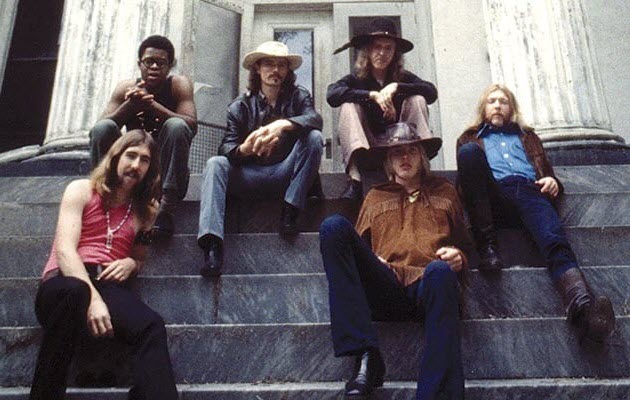
The Allman Brothers Band, the pioneers of Southern rock, have left an indelible mark on the world of music with their electrifying blend of blues, jazz, and country. With dueling guitars, soulful vocals, and a rhythmic backbone that could only be described as transcendent, this band redefined what it meant to create music in the American South. Over the decades, their songs have become anthems of rebellion, freedom, and the open road—capturing the hearts of listeners across generations.
In this article, we’re diving deep into the legacy of The Allman Brothers Band by counting down the top 10 most popular songs that have stood the test of time. These tracks embody the essence of the band’s genius, from the fiery guitar solos of Duane Allman and Dickey Betts to the unmistakable voice of Gregg Allman that resonates with emotion and grit. Whether you’re a die-hard fan or new to their music, this list is a celebration of the songs that have defined Southern rock and solidified The Allman Brothers Band as legends of their genre. Get ready to relive the magic and discover the timeless tracks that continue to inspire and captivate audiences around the world!
1. “Whipping Post” (1969)
“Whipping Post” is the quintessential Allman Brothers Band song, capturing the raw intensity and sheer musicianship that made them legends. Released on their debut album in 1969, this track quickly became a staple of their live performances, often stretching into epic, improvisational jams. Gregg Allman’s anguished vocals, combined with the band’s intricate interplay of guitar and organ, convey a sense of overwhelming pain and frustration, making “Whipping Post” an emotional powerhouse. The song’s iconic 11/8 time signature adds to its complex, almost hypnotic rhythm, setting it apart as a masterpiece of Southern rock. Over the years, “Whipping Post” has become synonymous with the band’s legacy, representing their ability to blend blues, rock, and jazz into something entirely their own.
2. “Ramblin’ Man” (1973)
“Ramblin’ Man” is perhaps the most well-known song in The Allman Brothers Band’s catalog, and for good reason. Released in 1973 on the Brothers and Sisters album, this track showcases Dickey Betts’ songwriting and lead vocals, marking a shift towards a more country-rock sound. Inspired by Betts’ own life on the road, “Ramblin’ Man” is a celebration of freedom and the restless spirit, with its catchy, sing-along chorus and upbeat guitar licks. The song became the band’s biggest hit, reaching No. 2 on the Billboard Hot 100, and remains a timeless anthem for anyone who’s ever felt the call of the open road.
3. “Jessica” (1973)
“Jessica” is an instrumental masterpiece that perfectly encapsulates The Allman Brothers Band’s ability to create lush, melodic landscapes without the need for lyrics. Released in 1973 on the Brothers and Sisters album, this track is a vibrant, joyous celebration of life, driven by Dickey Betts’ lyrical guitar work and Chuck Leavell’s cascading piano lines. The song’s intricate composition and lively tempo make it a standout in the band’s catalog, showcasing their jazz and classical influences. “Jessica” has since become a beloved classic, often associated with road trips and moments of pure, unbridled happiness. Its enduring popularity is a testament to the band’s versatility and musicianship.
4. “Midnight Rider” (1970)
“Midnight Rider” is one of The Allman Brothers Band’s most iconic songs, known forits haunting melody and Gregg Allman’s soulful, gravelly vocals. Released in 1970 on the Idlewild South album, this track tells the tale of a man on the run, determined not to be caught, with a sense of desperation and resilience that resonates deeply with listeners. The song’s sparse arrangement, featuring acoustic guitar, bass, and congas, creates a haunting atmosphere that perfectly complements the lyrics. “Midnight Rider” has been covered by numerous artists over the years, but the original remains a powerful testament to the band’s ability to craft emotionally charged, enduring music. Its blend of Southern rock, blues, and country influences has made it a timeless classic.
5. “Melissa” (1972)
“Melissa” is a beautiful, introspective ballad that showcases the softer, more contemplative side of The Allman Brothers Band. Released on the Eat a Peach album in 1972, this song was written by Gregg Allman years before the band formed, but it wasn’t recorded until after the tragic death of his brother, Duane Allman. The song’s gentle acoustic guitar and tender lyrics about a wandering man’s love for a woman named Melissa create an atmosphere of melancholy and longing. “Melissa” has since become one of the band’s most beloved tracks, cherished for its heartfelt simplicity and emotional depth. It’s a song that resonates with anyone who’s ever felt the pull of the road and the comfort of love.
6. “Statesboro Blues” (1971)
“Statesboro Blues” is a fiery, blues-infused track that has become one of The Allman Brothers Band’s most celebrated songs. Originally written by Blind Willie McTell in the 1920s, the band’s version, released on their At Fillmore East live album in 1971, takes the song to new heights with Duane Allman’s scorching slide guitar work and Gregg Allman’s gritty vocals. The band’s rendition of “Statesboro Blues” is a masterclass in Southern rock, blending blues traditions with their own unique style to create a high-energy, foot-stomping anthem. This track showcases the band’s incredible musicianship and their ability to breathe new life into classic blues songs, making it a fan favorite and a staple of their live performances.
7. “In Memory of Elizabeth Reed” (1970)
“In Memory of Elizabeth Reed” is a mesmerizing instrumental that highlights The Allman Brothers Band’s jazz influences and their talent for extended improvisation. Released on the Idlewild South album in 1970, this track was written by Dickey Betts as a tribute to a woman he admired, and it quickly became a showcase piece for the band’s live performances. The song’s intricate guitar harmonies, fluid basslines, and dynamic drumming create a rich tapestry of sound that ebbs and flows, taking the listener on a musical journey. “In Memory of Elizabeth Reed” is a true testament to the band’s ability to create complex, emotionally charged music that transcends genres, and it remains one of their most revered compositions.
8. “Blue Sky” (1972)
“Blue Sky” is a bright, uplifting track that captures the essence of The Allman Brothers Band’s blend of Southern rock and country influences. Released on the Eat a Peach album in 1972, this song was written and sung by Dickey Betts as a tribute to his wife, Sandy “Bluesky” Wabegijig. The song’s warm, melodic guitar lines and Betts’ soothing vocals create a sense of peace and contentment, making “Blue Sky” a feel-good anthem that has resonated with fans for decades. The dual guitar harmonies between Betts and Duane Allman are particularly notable, showcasing the band’s tight musicianship and their ability to create music that is both technically impressive and emotionally resonant.
9. “One Way Out” (1972)
“One Way Out” is a high-octane blues-rock track that has become one of The Allman Brothers Band’s most energetic and beloved songs. Originally recorded by Elmore James, the band’s version, released on the Eat a Peach album in 1972, takes the song to new heights with its driving rhythm, searing guitar solos, and Gregg Allman’s powerful vocals. The live version of “One Way Out” from the At Fillmore East album is particularly famous, showcasing the band’s incredible chemistry and their ability to create electrifying, impromptu jams. This track is a testament to the band’s roots in the blues, and its infectious energy has made it a staple of their live shows and a favorite among fans.
10. “Ain’t Wastin’ Time No More” (1972)
“Ain’t Wastin’ Time No More” is a powerful track that reflects the band’s resilience in the face of tragedy. Released on the Eat a Peach album in 1972, this song was written by Gregg Allman in the wake of his brother Duane’s untimely death. The lyrics speak to the band’s determination to carry on and make the most of their time, despite the overwhelming grief they were experiencing. The song’s upbeat tempo and optimistic message are underscored by Gregg Allman’s soulful vocals and the band’s tight, cohesive playing. “Ain’t Wastin’ Time No More” is a poignant reminder of the band’s strength and their commitment to their music, making it a fitting tribute to Duane Allman’s legacy and a beloved track in the band’s catalog.

Edward Tomlin is a frequent contributor to Singers Room. Since 2005, Singersroom has been the voice of R&B around the world. Connect with us via social media below.







