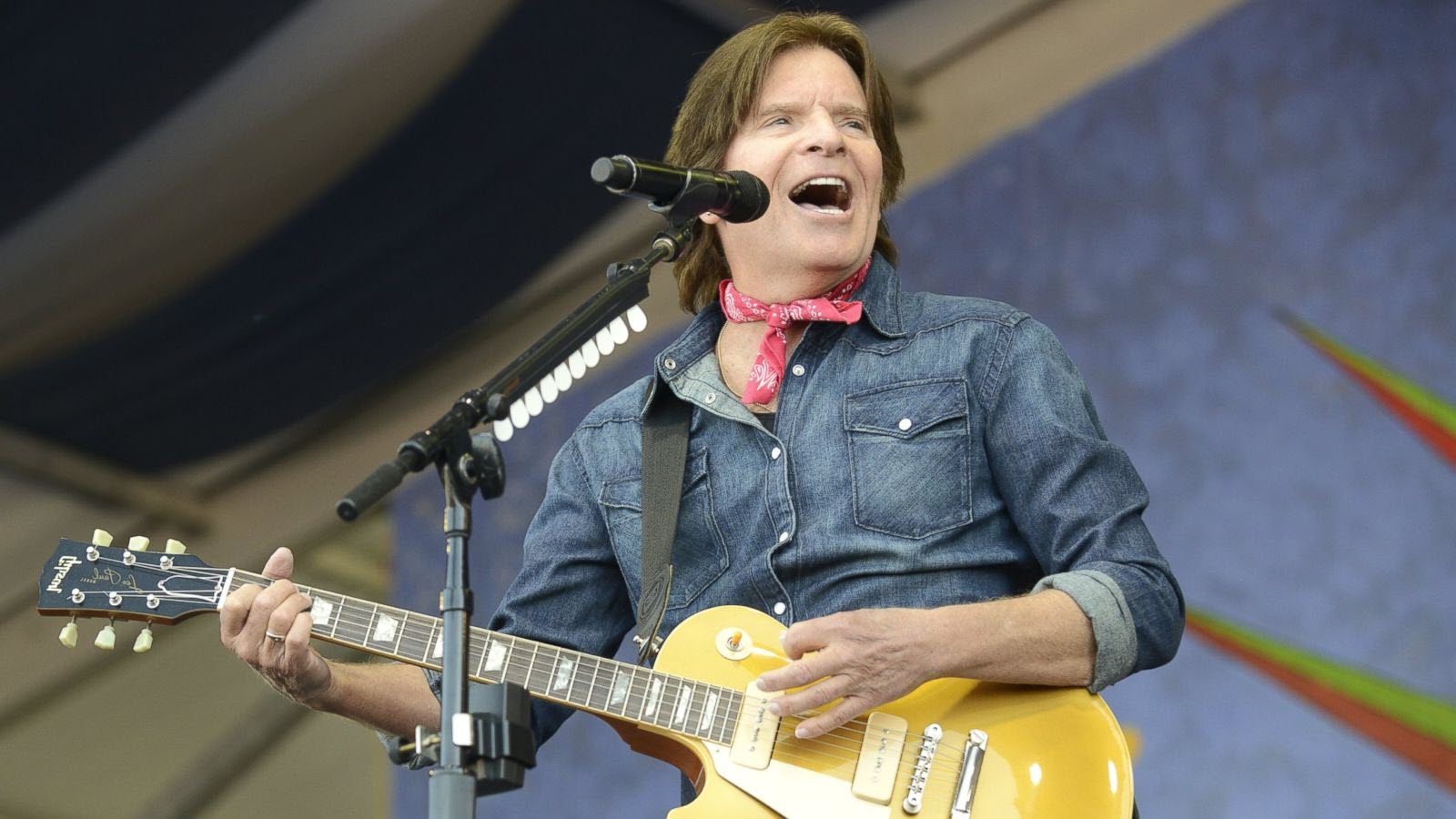
John Fogerty is a name that resonates with the very essence of American rock music. As the frontman of Creedence Clearwater Revival and a prolific solo artist, Fogerty has crafted some of the most iconic tracks in rock history. His unmistakable voice, gritty guitar riffs, and poignant lyrics have captivated audiences across generations, making him a true legend in the music world. Whether he’s belting out anthems of protest or painting vivid pictures of simpler times, Fogerty’s music strikes a chord that is both timeless and universal. In this article, we dive into the top 10 most popular John Fogerty songs of all time. These tracks, spanning his illustrious career, have not only defined his legacy but have also become an indelible part of the soundtrack of our lives. From the swampy grooves of “Green River” to the rebellious spirit of “Fortunate Son,” each song encapsulates the raw energy and authenticity that Fogerty brings to his craft. So, crank up the volume, let the music take you on a journey, and discover why these 10 songs continue to resonate with fans old and new alike.
1. “Proud Mary” (1969)
Released in January 1969, “Proud Mary” quickly became one of Creedence Clearwater Revival’s most defining songs and a cornerstone of John Fogerty’s songwriting genius. The track, with its infectious blend of rock and roll, swamp rock, and a hint of soul, tells the tale of a riverboat journey down the Mississippi. Its opening riff is instantly recognizable, setting the stage for Fogerty’s gritty yet soulful vocals. The chorus—”Rollin’, rollin’, rollin’ on the river”—resonates with a universal sense of freedom and adventure. “Proud Mary” became a massive hit, peaking at No. 2 on the Billboard Hot 100 and has since been covered by numerous artists, most notably Ike & Tina Turner, whose electrifying version further cemented the song’s place in music history.
2. “Bad Moon Rising” (1969)
“Bad Moon Rising” was released in April 1969 and became a defining moment in Creedence Clearwater Revival’s meteoric rise. The song’s upbeat, almost cheerful melody contrasts sharply with its ominous lyrics, which foretell an impending disaster. Fogerty was inspired by a scene from the 1941 film The Devil and Daniel Webster, where a hurricane destroys a town. The track’s infectious rhythm and tight, concise structure made it an instant hit, reaching No. 2 on the Billboard Hot 100. “Bad Moon Rising” is a masterclass in how to blend dark themes with accessible, radio-friendly rock, and it remains one of the most enduring songs of the late 1960s.
3. “Fortunate Son” (1969)
“Fortunate Son,” released in November 1969, is a fiery anthem that channels the anti-establishment sentiments of the era. With its raw, driving guitar riffs and Fogerty’s impassioned vocal delivery, the song became an emblem of protest against the Vietnam War and the class inequalities it exposed. The lyrics, “It ain’t me, it ain’t me, I ain’t no senator’s son!” are a direct indictment of those who avoided the draft due to their privileged status. “Fortunate Son” struck a chord with a generation disillusioned by the political landscape, and its relevance has persisted through the decades, making it a staple in the canon of protest songs.
4. “Have You Ever Seen the Rain?” (1971)
Released in January 1971, “Have You Ever Seen the Rain?” is one of Creedence Clearwater Revival’s most introspective and melancholic tracks. The song’s clear, simple melody and poignant lyrics reflect the internal turmoil within the band during that period, as well as the broader societal disillusionment of the early 1970s. Fogerty’s vocals convey a deep sense of longing and confusion, asking the listener if they’ve ever experienced something beautiful that was accompanied by sadness—like rain on a sunny day. The song was a major hit, reaching the Top 10 on the Billboard charts, and has since become a timeless classic, covered by countless artists and still resonating with listeners today.
5. “Green River” (1969)
“Green River,” released in July 1969, captures the essence of John Fogerty’s nostalgic reflections on his childhood experiences. The song’s title and lyrics evoke the imagery of a serene, idyllic place where one can escape the troubles of the world. The swampy guitar riffs and steady rhythm create a soundscape that feels both earthy and mystical. “Green River” was the lead single from Creedence Clearwater Revival’s third album and became one of their most beloved tracks, reaching No. 2 on the Billboard Hot 100. The song’s evocative storytelling and atmospheric sound make it a quintessential CCR track, encapsulating the band’s unique blend of rock, country, and blues.
6. “Down on the Corner” (1969)
Released in November 1969, “Down on the Corner” is a joyous celebration of music’s power to bring people together. The song tells the story of the fictional band Willy and the Poor Boys, who perform on street corners for anyone who will listen. With its catchy bassline, infectious rhythm, and playful lyrics, “Down on the Corner” became an instant crowd-pleaser. The song’s upbeat vibe and sing-along chorus made it a hit, peaking at No. 3 on the Billboard Hot 100. It’s a testament to Fogerty’s ability to craft songs that are both musically engaging and lyrically rich, capturing the spirit of an impromptu jam session that anyone can join.
7. “Centerfield” (1985)
“Centerfield,” released in January 1985, marked John Fogerty’s triumphant return to the music scene after nearly a decade of silence. The song is a tribute to America’s favorite pastime—baseball—and is imbued with the same sense of optimism and youthful enthusiasm that the sport represents. The iconic opening line, “Put me in, coach, I’m ready to play today,” has become synonymous with the spirit of determination and readiness to take on life’s challenges. The song’s catchy melody and upbeat rhythm made it an instant classic, and it has since become a staple at baseball games across the country. “Centerfield” is a shining example of Fogerty’s enduring talent and his ability to connect with audiences on a deeply personal level.
8. “Lookin’ Out My Back Door” (1970)
Released in July 1970, “Lookin’ Out My Back Door” is a whimsical, feel-good tune that showcases John Fogerty’s knack for storytelling. The song’s lyrics describe a fantastical scene viewed from the narrator’s back porch, filled with “giant doing cartwheels” and “statues wearing high heels.” The playful, almost childlike imagery is complemented by the song’s upbeat rhythm and catchy melody. “Lookin’ Out My Back Door” was a commercial success, reaching No. 2 on the Billboard Hot 100, and it remains one of Creedence Clearwater Revival’s most beloved songs. The track is a perfect example of Fogerty’s ability to craft songs that are both imaginative and grounded in everyday experiences.
9. “Who’ll Stop the Rain” (1970)
Released as a single in January 1970, “Who’ll Stop the Rain” is a poignant reflection on the turbulent times of the late 1960s. The song’s lyrics, which speak of an unending storm of confusion and despair, resonated deeply with listeners who were grappling with the Vietnam War, civil unrest, and political upheaval. Despite its somber theme, the song features a gentle, almost soothing melody that contrasts with the weight of its message. “Who’ll Stop the Rain” became one of Creedence Clearwater Revival’s most enduring hits, and its timeless appeal lies in its ability to convey a sense of hope amidst uncertainty. Fogerty’s evocative lyrics and heartfelt delivery make this song a powerful anthem for change.
10. “Run Through the Jungle” (1970)
Released in April 1970, “Run Through the Jungle” is a dark, moody track that captures the tension and paranoia of the Vietnam War era. The song’s ominous guitar riff and Fogerty’s haunting vocals create an atmosphere of unease, perfectly complementing the lyrics that speak of a world gone mad. While the song is often interpreted as a commentary on the Vietnam War, Fogerty has stated that it was actually about the proliferation of guns in America. Regardless of its intended meaning, “Run Through the Jungle” struck a chord with listeners, reaching No. 4 on the Billboard Hot 100. The song’s brooding intensity and powerful message make it one of Creedence Clearwater Revival’s most compelling tracks.

Samuel Moore is a frequent contributor to Singers Room. Since 2005, Singersroom has been the voice of R&B around the world. Connect with us via social media below.









