Jazz is more than just music; it’s a vibrant tapestry of rhythm, soul, and creativity that has captured the hearts of millions around the world. From the smoky clubs of New Orleans to the grand stages of international festivals, jazz has been a soundtrack to cultural revolutions and personal awakenings alike. But what makes jazz truly extraordinary are the artists who have dedicated their lives to pushing its boundaries, blending technical mastery with raw emotion to create something timeless.
In this article, we celebrate the top 15 jazz artists of all time—musicians whose influence transcends the genre, whose improvisations have become legendary, and whose compositions continue to inspire new generations of listeners and performers. Whether you’re a seasoned jazz aficionado or a newcomer eager to explore this rich musical landscape, this list will take you on a journey through the innovators, the pioneers, and the geniuses who have shaped jazz into the art form we know and love today. So, sit back, relax, and let the music take you on a ride through the greatest jazz artists of all time.
1. Louis Armstrong
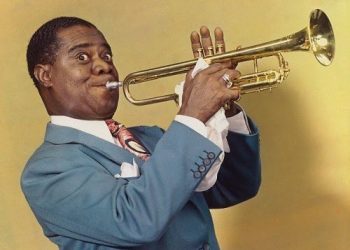
Louis Armstrong, affectionately known as “Satchmo,” was more than just a jazz musician—he was a cultural icon. With his gravelly voice and unparalleled trumpet skills, Armstrong brought jazz into the mainstream, helping to shape the very essence of the genre. His infectious charisma and groundbreaking improvisation set the standard for generations to come. Who could forget his timeless classics like “What a Wonderful World” and “West End Blues”? Armstrong’s music transcends time, and his influence is still felt in every corner of the jazz world today.
2. Duke Ellington
Duke Ellington didn’t just play jazz; he orchestrated it. As one of the most prolific composers and bandleaders in jazz history, Ellington crafted a unique sound that blended classical music with the blues, creating a rich palette of tonal colors. His compositions like “Mood Indigo” and “It Don’t Mean a Thing (If It Ain’t Got That Swing)” are timeless masterpieces that continue to define the genre. Ellington’s ability to innovate while staying deeply rooted in tradition made him a towering figure in jazz, and his influence reverberates through the music of countless artists today.
3. Charlie Parker
Charlie “Bird” Parker was a force of nature who revolutionized jazz with his lightning-fast saxophone runs and complex harmonies. A leader of the bebop movement, Parker pushed the boundaries of jazz, creating a sound that was both intricate and exhilarating. His improvisations were like streams of consciousness, full of unexpected twists and turns that left listeners in awe. Tracks like “Ornithology” and “Ko-Ko” showcase his virtuosic talent and his ability to transform jazz into a cerebral, yet deeply emotional experience. Parker’s genius continues to inspire saxophonists and jazz enthusiasts around the world.
4. Miles Davis
Miles Davis was the chameleon of jazz, constantly reinventing himself and the genre with each new phase of his career. From the cool jazz of “Kind of Blue” to the electric fusion of “Bitches Brew,” Davis was always ahead of the curve, challenging the status quo and pushing jazz into uncharted territories. His trumpet playing was both powerful and introspective, capable of conveying a wide range of emotions with just a few notes. Davis was more than a musician; he was a visionary who forever changed the landscape of jazz, influencing countless artists across multiple genres.
5. John Coltrane
John Coltrane was a spiritual seeker whose music transcended the boundaries of jazz to explore the very essence of the human experience. Known for his intense work ethic and relentless pursuit of musical truth, Coltrane’s saxophone playing was nothing short of transcendent. Albums like “A Love Supreme” and “Giant Steps” are not just jazz records—they are spiritual journeys that take the listener on a quest for meaning and understanding. Coltrane’s influence on jazz and beyond is immeasurable; his music continues to inspire listeners to look inward and reach for the stars.
6. Thelonious Monk
With his eccentric style and offbeat rhythms, Thelonious Monk was a true original in the world of jazz. His piano playing was marked by dissonant chords and unpredictable timing, creating a sound that was uniquely his own. Monk’s compositions, such as “Round Midnight” and “Straight, No Chaser,” are some of the most covered in jazz, a testament to their enduring appeal. Monk was a master of minimalism, able to say more with a single note than most could with an entire symphony. His music invites listeners to think differently, to embrace the unexpected, and to find beauty in the unconventional.
7. Billie Holiday
Billie Holiday, known as “Lady Day,” poured her heart and soul into every note she sang. Her voice was like no other—smoky, haunting, and full of emotion. With songs like “Strange Fruit” and “God Bless the Child,” Holiday tackled themes of love, loss, and racial injustice, making her music as powerful and relevant today as it was in her time. Holiday’s ability to convey deep emotion through her phrasing and tone made her one of the most compelling vocalists in jazz history. Her legacy lives on, not only in the music she left behind but in the countless artists she has inspired.
8. Ella Fitzgerald
Ella Fitzgerald, the “First Lady of Song,” possessed a voice that could effortlessly glide from a sultry whisper to a powerful crescendo. Her impeccable diction, extraordinary range, and unparalleled ability to scat made her one of the most versatile vocalists in jazz. Whether she was interpreting the Great American Songbook or improvising on stage, Fitzgerald brought a sense of joy and spontaneity to her performances that was infectious. Songs like “Summertime” and “Dream a Little Dream of Me” showcase her ability to make each song her own, turning even the most familiar tunes into something magical. Ella’s influence on jazz and popular music is immeasurable, and her recordings remain a touchstone for vocalists of all genres.
9. Charles Mingus
Charles Mingus was a musical maverick whose compositions were as complex as they were passionate. A virtuoso bassist, Mingus pushed the boundaries of jazz with his innovative and often politically charged compositions. His music was a reflection of his fiery personality, full of raw emotion and social commentary. Albums like “Mingus Ah Um” and “The Black Saint and the Sinner Lady” are masterpieces of modern jazz, blending elements of swing, bebop, and classical music into a sound that was entirely his own. Mingus was not just a musician but a storyteller, using his music to confront the social issues of his time and to express the full range of human emotion.
10. Dizzy Gillespie
Dizzy Gillespie was a trumpet virtuoso and a pioneer of bebop, known for his lightning-fast runs and his iconic bent trumpet. But Gillespie was more than just a brilliant player; he was a visionary who helped to shape the sound of modern jazz. His collaborations with Charlie Parker and other bebop greats resulted in some of the most exciting and innovative music of the 20th century. Gillespie was also a master showman, bringing a sense of fun and exuberance to his performances that was infectious. Tracks like “A Night in Tunisia” and “Salt Peanuts” showcase his technical brilliance and his ability to push the boundaries of jazz. Dizzy’s influence can be heard in the work of countless jazz musicians who followed in his footsteps.
11. Herbie Hancock
Herbie Hancock is a musical trailblazer whose career has spanned more than six decades. A master of both acoustic and electronic keyboards, Hancock has continually pushed the boundaries of jazz, incorporating elements of funk, rock, and electronic music into his sound. From his early work with Miles Davis to his groundbreaking albums like “Head Hunters” and “Future Shock,” Hancock has always been at the forefront of musical innovation. His ability to adapt to changing musical landscapes while maintaining his unique voice has made him one of the most influential jazz musicians of all time. Tracks like “Cantaloupe Island” and “Chameleon” are not just jazz standards—they are cultural landmarks that continue to inspire musicians and listeners alike.
12. Sarah Vaughan
Sarah Vaughan, affectionately known as “Sassy” and “The Divine One,” possessed a voice that was as rich as velvet. With a range that spanned three octaves, Vaughan could effortlessly glide from deep, resonant lows to soaring, operatic highs. Her control, phrasing, and ability to improvise made her one of the most technically skilled vocalists in jazz history. Songs like “Misty” and “Lullaby of Birdland” showcase her extraordinary talent and her ability to make each song her own. Vaughan’s voice was an instrument in itself, capable of conveying a wide range of emotions with unparalleled nuance. Her influence on jazz and popular music is profound, and she remains a touchstone for vocalists to this day.
13. Art Blakey
Art Blakey was a powerhouse drummer and bandleader whose influence on jazz is immeasurable. As the leader of the Jazz Messengers, Blakey was a mentor to some of the greatest jazz musicians of all time, including Wayne Shorter, Lee Morgan, and Wynton Marsalis. His drumming was explosive, full of energy and intensity, driving the music forward with relentless power. But Blakey was more than just a drummer; he was a teacher, nurturing and shaping the talents of young musicians and helping to define the sound of modern jazz. Albums like “Moanin'” and “A Night in Tunisia” are not just jazz records—they are milestones in the history of the genre, showcasing Blakey’s ability to bring out the best in his bandmates and to create music that is both timeless and exhilarating.
14. Wayne Shorter
Wayne Shorter was a saxophonist and composer whose work with groups like Art Blakey’s Jazz Messengers, Miles Davis’s Second Great Quintet, and Weather Report helped to shape the sound of modern jazz. Shorter’s playing was characterized by its lyrical beauty, complex harmonies, and a sense of mystery that drew listeners in. His compositions, such as “Footprints” and “Infant Eyes,” are jazz standards, known for their innovative structures and haunting melodies. Shorter’s ability to seamlessly blend improvisation with composition made him one of the most respected figures in jazz, and his influence can be heard in the work of countless musicians across multiple genres. Whether playing acoustic jazz or exploring the boundaries of electronic music, Shorter’s work always had a sense of depth and exploration that set him apart from his peers.
15. Chet Baker
Chet Baker was the epitome of cool, known for his smooth trumpet playing and his equally smooth vocals. With his boyish good looks and laid-back demeanor, Baker became a symbol of the West Coast jazz scene. But beneath the cool exterior was a musician of incredible depth and sensitivity. Tracks like “My Funny Valentine” and “I Fall in Love Too Easily” showcase his ability to convey deep emotion with a soft, understated approach. Baker’s playing was marked by its lyrical beauty and a sense of vulnerability that made his music deeply personal and intimate. Despite his tumultuous life, Baker’s music continues to resonate, offering a glimpse into the soul of one of jazz’s most enigmatic figures.

Edward Tomlin is a frequent contributor to Singers Room. Since 2005, Singersroom has been the voice of R&B around the world. Connect with us via social media below.