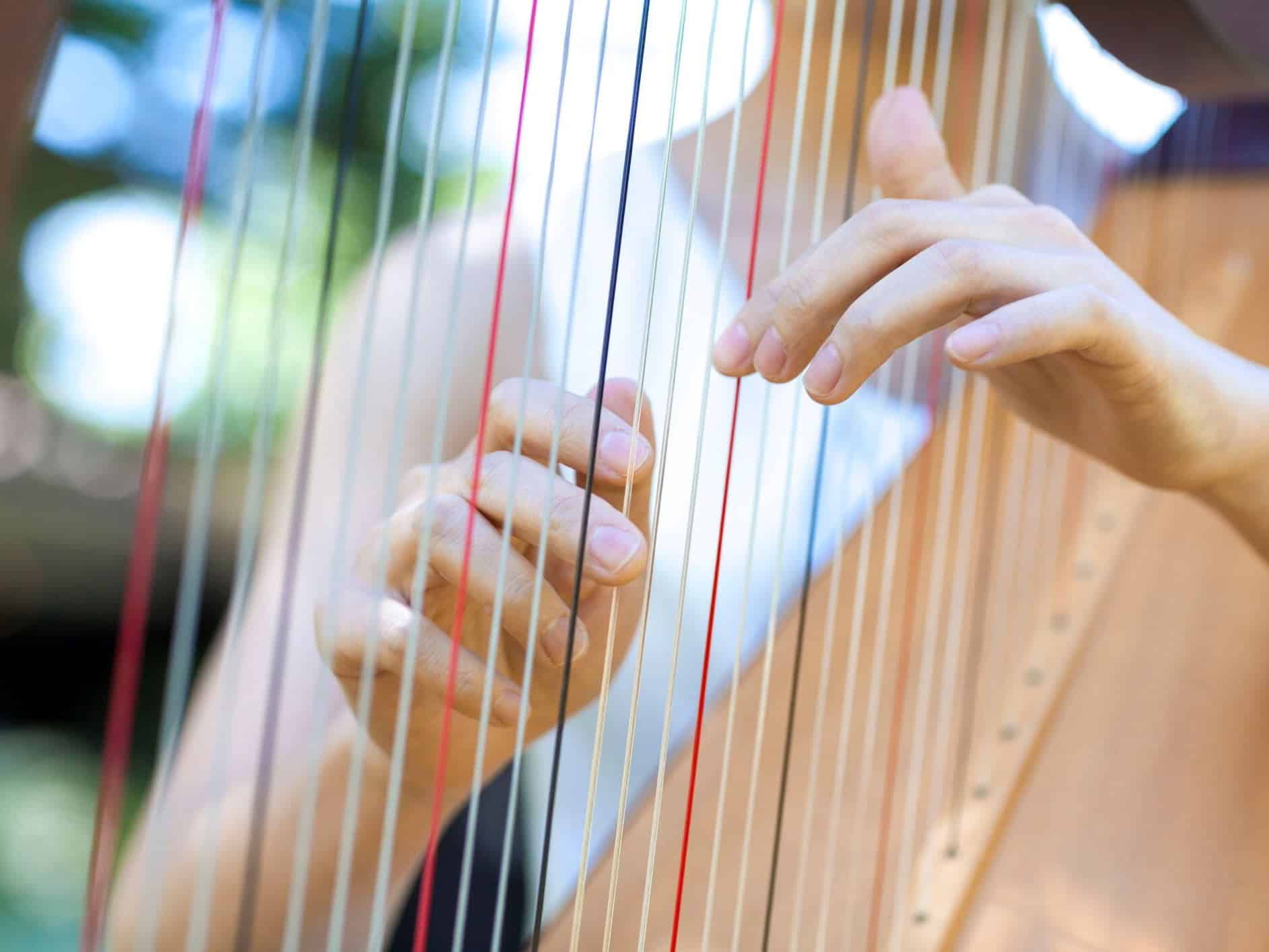
The harp, one of the world’s oldest and most enchanting instruments, has captivated audiences for centuries with its ethereal sound and intricate melodies. From ancient courts to modern concert halls, its shimmering strings have been plucked by extraordinary hands, producing music that transcends time and space. But who are the true masters of this majestic instrument? Who has taken its delicate tones and turned them into breathtaking artistry? In this article, we explore the top 15 best harp players of all time—virtuosos who have pushed the boundaries of what is possible on this majestic stringed instrument.
Whether they’ve redefined classical music, brought the harp into the world of jazz and contemporary genres, or dazzled with innovative techniques, these musicians have left an indelible mark on the world of music. From legends of past centuries to modern-day pioneers, each harpist on this list has brought their own unique style and genius to the craft. So, sit back and prepare to be inspired as we dive into the lives and careers of these iconic harpists who have forever changed the way we hear the harp’s hypnotic, celestial sound. Let’s celebrate the magic they’ve created, one pluck at a time!
1. Carlos Salzedo
Carlos Salzedo, a French-born harpist, transformed the way the world approached the harp. His innovative techniques, such as creating percussive effects and bending the strings, revolutionized the instrument. Salzedo was not only a virtuoso performer but also a composer and educator, founding the harp department at the Curtis Institute of Music in Philadelphia. His compositions, like Scintillation and Chanson dans la nuit, remain staples in harp repertoires today. With his groundbreaking contributions, Salzedo pushed the boundaries of the harp, making it a formidable solo instrument and earning his place as one of the greatest harpists of all time.
2. Marcel Grandjany
Marcel Grandjany was a French-born harpist whose profound influence shaped the instrument’s modern development. A child prodigy who began his studies at the Paris Conservatoire at age 8, he went on to enjoy a stellar career as a soloist, composer, and teacher. Known for his lyrical and expressive playing, Grandjany’s transcriptions and original works, such as Rhapsodie and Fantaisie sur un thème de Haydn, are beloved by harpists worldwide. He also helped establish the harp as a respected solo instrument in America, where he spent much of his career teaching at The Juilliard School. His artistry and passion continue to inspire generations of harpists.
3. Alice Coltrane
Alice Coltrane was a spiritual force and a musical innovator who took the harp to realms rarely explored in the jazz world. The widow of jazz legend John Coltrane, Alice became an icon in her own right through her spiritual jazz albums, blending free jazz, Indian classical music, and harp. Her album Journey in Satchidananda is a landmark recording, where her cosmic harp playing transports listeners into a meditative and transcendent space. Coltrane redefined the harp’s role in improvisational music, using it as a vehicle for both personal and mystical expression.
4. Nicanor Zabaleta
Spanish harpist Nicanor Zabaleta is widely regarded as one of the most influential harpists of the 20th century. His technical prowess and expressive range brought the harp to new heights in the classical music world. Zabaleta performed with prestigious orchestras across Europe and the Americas, revitalizing repertoire for the instrument and commissioning new works from composers. His interpretations of Baroque and Romantic music, in particular, were lauded for their elegance and precision. Zabaleta’s recordings remain a gold standard for harpists today, and his legacy continues to inspire performers worldwide.
5. Harpo Marx
Though best known for his comedic genius as part of the Marx Brothers, Harpo Marx was also a self-taught harpist who brought the instrument into the spotlight of American pop culture. Harpo’s whimsical and heartfelt harp performances in films like A Night at the Opera and Duck Soup captivated audiences, showcasing the instrument’s versatility and charm. His playing had a unique, emotive quality that made the harp accessible to a broader audience. While his technique was unconventional, his passion for the harp was undeniable, and he remains one of the most beloved harpists in entertainment history.
6. Yolanda Kondonassis
Yolanda Kondonassis is one of the preeminent harpists of our time, celebrated for her dynamic performances and groundbreaking career. Known for her technical brilliance and emotional depth, Kondonassis has mastered a wide range of repertoire, from classical to modern compositions. As a passionate advocate for new music, she has commissioned numerous works and expanded the harp’s contemporary repertoire. Her album Azulina is a testament to her versatility and creativity. Kondonassis is also a dedicated educator and author, helping shape the next generation of harpists. Her vibrant career continues to redefine the possibilities of the harp.
7. Lily Laskine
Lily Laskine was one of the first female harpists to achieve international fame, and her contributions to the classical harp repertoire are immense. A French harpist with an illustrious career, Laskine became the principal harpist for the Paris Opera at just 16 years old. She collaborated with numerous composers, including Gabriel Fauré and Claude Debussy, bringing their works to life with her delicate touch and musical sensitivity. Laskine’s recordings of French impressionist music are particularly treasured for their clarity and nuance. Her career spanned seven decades, leaving an indelible mark on the harp world.
8. Edmar Castañeda
Edmar Castañeda is a Colombian harpist who has taken the world by storm with his innovative blend of jazz, Latin, and folk music. A virtuoso on the llanera harp, a traditional instrument from his native Colombia, Castañeda has redefined the instrument’s role in contemporary music. His performances are energetic and passionate, combining intricate rhythms with dazzling improvisation. Albums like Entre Cuerdas showcase his ability to merge tradition with innovation, creating a sound that is uniquely his own. Castañeda’s influence has made the harp a prominent instrument in the world of jazz and world music.
9. Marie-Claire Jamet
Marie-Claire Jamet, a French harpist, is renowned for her impeccable technique and vast repertoire. As the daughter of legendary harpist Pierre Jamet, she inherited a rich musical legacy but carved out her own distinguished career. Jamet has performed with major orchestras around the world and has contributed significantly to both solo and chamber harp music. Her interpretations of the French harp repertoire, particularly works by Debussy and Ravel, are considered definitive. Jamet has also been a tireless promoter of contemporary harp music, commissioning and premiering works by living composers.
10. Deborah Henson-Conant
Deborah Henson-Conant is a genre-defying harpist, known for her electrifying performances and innovative approach to the instrument. Often seen playing a custom electric harp, Henson-Conant seamlessly blends jazz, blues, flamenco, and even rock into her performances. Her energetic and theatrical stage presence has earned her the nickname “the Jimi Hendrix of the harp.” Albums like Invention & Alchemy highlight her ability to push the boundaries of the harp, both musically and technically. A Grammy-nominated artist, Henson-Conant continues to inspire with her bold, creative approach to the harp.
11. Osian Ellis
Welsh harpist Osian Ellis was a leading figure in the world of classical harp, particularly known for his long-standing association with Benjamin Britten. Ellis premiered several of Britten’s works for harp, including A Ceremony of Carols and the Harp Suite, showcasing his unparalleled ability to blend technical precision with emotional depth. As the principal harpist for the London Symphony Orchestra for over three decades, Ellis set the standard for orchestral harpists worldwide. His dedication to the instrument and his contributions to its repertoire have left a lasting legacy in the classical music world.
12. Park Stickney
Park Stickney is a trailblazing jazz harpist who has redefined the role of the harp in contemporary music. Known for his improvisational skills and genre-bending performances, Stickney effortlessly merges jazz, classical, and pop music into a unique and captivating sound. His ability to swing on the harp, combined with his innovative use of harmonics and rhythmic patterns, has earned him a dedicated following. Albums like Overdressed Late Guy showcase his playful and virtuosic approach to the instrument. Stickney’s adventurous spirit continues to push the boundaries of what the harp can do.
13. Catherine Michel
Catherine Michel is a French harpist celebrated for her extraordinary technique and musicality. As the principal harpist of the Opéra National de Paris and a prolific soloist, Michel has performed with some of the world’s most prestigious orchestras. Her interpretations of both classical and contemporary works have garnered critical acclaim, and her recordings are considered essential listening for harp enthusiasts. Michel is also a revered teacher, shaping the next generation of harpists through her work at the Paris Conservatoire. Her dedication to the harp and her exceptional artistry have made her one of the instrument’s greatest ambassadors.
14. Xavier de Maistre
Xavier de Maistre is a French harpist whose virtuosity has earned him international acclaim. As a former principal harpist of the Vienna Philharmonic, de Maistre has dazzled audiences with his technical brilliance and expressive interpretations. His solo career has taken him to concert halls around the world, where his performances of both classical and contemporary works have been met with rave reviews. De Maistre is also a passionate advocate for expanding the harp’s repertoire, commissioning new works and transcribing pieces originally written for other instruments. His artistry continues to elevate the harp’s status in the classical music world.
15. Florence Sitruk
Florence Sitruk is a German harpist known for her exceptional technique and refined artistry. She has performed as a soloist with leading orchestras across Europe and Asia, and her interpretations of Baroque, Classical, and Contemporary works have earned her critical acclaim. Sitruk has also been a champion of new music, premiering works by several contemporary composers. As a professor at the Geneva University of Music, she is deeply committed to nurturing the next generation of harpists. Sitruk’s elegance and mastery of the instrument have solidified her status as one of the world’s leading harpists.

Edward Tomlin is a frequent contributor to Singers Room. Since 2005, Singersroom has been the voice of R&B around the world. Connect with us via social media below.