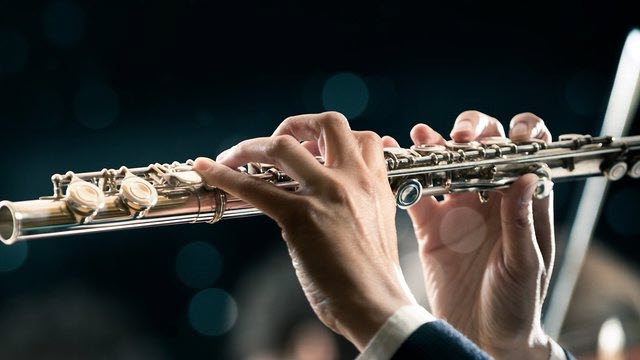
The flute, with its ethereal tones and delicate precision, has captivated listeners for centuries, serving as a bridge between the divine and the earthly. From the concert halls of Europe to the mystical rhythms of the East, the flute has found its place in nearly every musical tradition, enchanting audiences with its ability to evoke emotion, tell stories, and elevate melodies to new heights. But behind every transcendent note lies a master—a musician whose skill, passion, and dedication have pushed the boundaries of what this ancient instrument can achieve. In this article, we celebrate the artistry of the most remarkable flute players to ever grace the stage, from classical virtuosos to genre-defying pioneers. These 15 legends have not only defined what it means to play the flute but have also inspired countless others to pick up the instrument and continue the legacy. Whether you’re a lifelong fan of the flute or simply curious about the masters who have shaped its history, this list promises to open your ears to the breathtaking beauty, technical brilliance, and innovative spirit of the best flute players of all time. Prepare to be amazed by their stories, their music, and their profound impact on the world of sound.
1. Jean-Pierre Rampal
Jean-Pierre Rampal is often hailed as the “Man Who Put the Flute on the Map.” His extraordinary skill and passion for the instrument helped bring the flute from the orchestra’s background to center stage. Rampal’s technical brilliance and expressive playing made him an icon in the classical music world. A master interpreter of Baroque and Classical works, he was also a champion of contemporary music, inspiring countless composers to write for the flute. His recordings, spanning over 40 years, continue to be a benchmark for aspiring flutists. Rampal’s ability to make the flute sing like a human voice remains unparalleled.
2. James Galway
Known as “The Man with the Golden Flute,” Sir James Galway is perhaps the most recognizable flute player on the planet. His unique tone and impeccable technique have made him a household name, transcending the boundaries of classical music. Galway’s interpretations of Mozart and Bach are legendary, but he’s also known for his ventures into popular music, film scores, and Celtic traditions. With a career spanning decades and millions of albums sold, Galway’s charisma and musicianship have made the flute accessible to a broader audience, earning him a devoted global following.
3. Marcel Moyse
A true pioneer of flute pedagogy, Marcel Moyse’s influence extends far beyond his performances. As a teacher, Moyse shaped an entire generation of flutists, instilling in them the importance of tone and interpretation. His technical exercises and method books are still widely used today, making him a cornerstone of flute education. As a performer, Moyse’s playing was marked by a purity of tone and a deep emotional connection to the music. His legacy as both a performer and educator ensures that his name will be remembered for generations to come.
4. Julius Baker
Julius Baker was a towering figure in American flute performance and pedagogy. As the principal flutist for the New York Philharmonic for over 25 years, Baker’s performances were marked by flawless technique and a deep musicality that touched audiences. His influence as a teacher is equally profound, with many of his students going on to occupy top orchestral positions around the world. Baker’s dedication to the flute, both on stage and in the classroom, has left an indelible mark on the world of music.
5. Emmanuel Pahud
Emmanuel Pahud is a modern-day flute sensation. As the principal flutist of the Berlin Philharmonic, one of the world’s most prestigious orchestras, Pahud has redefined what it means to be a flutist in the 21st century. His flawless technique, combined with a warm, expressive tone, has made him a favorite of both critics and audiences. Pahud’s repertoire spans from Baroque to contemporary, and his collaborations with living composers have expanded the flute’s presence in modern concert music. His charismatic stage presence and impeccable artistry make him one of today’s most exciting flute players.
6. Georges Barrère
Georges Barrère was a pioneer of the modern flute and a key figure in American music history. Born in France, Barrère brought the French flute tradition to America, where he became an influential teacher and performer. He was the founding principal flutist of the New York Symphony (which later became the New York Philharmonic), and he premiered many important works, including Charles Tomlinson Griffes’ Poem for Flute and Orchestra. Barrère’s legacy is inseparable from the rise of the flute as a solo instrument in the United States.
7. William Kincaid
Often referred to as the “Father of the American Flute School,” William Kincaid was the principal flutist of the Philadelphia Orchestra for nearly four decades. Kincaid’s playing was characterized by a rich, powerful sound and an impeccable sense of phrasing. He was also a revered teacher, influencing generations of flutists who went on to fill top positions in major orchestras. Kincaid’s influence on the American flute sound is still felt today, and his legacy as both a performer and teacher is unparalleled in the history of the instrument.
8. Mathieu Dufour
Mathieu Dufour is a French flutist who has dazzled audiences worldwide with his virtuosity and musical sensitivity. As the principal flutist of the Chicago Symphony Orchestra and later the Berlin Philharmonic, Dufour has earned a reputation as one of the finest flutists of his generation. His playing is known for its effortless technique, beautiful tone, and refined musicality. Dufour’s interpretations of the flute repertoire are celebrated for their intelligence and emotional depth, making him a favorite among both critics and audiences alike.
9. Gareth Davies
As the principal flutist of the London Symphony Orchestra, Gareth Davies is one of the UK’s most prominent flutists. Known for his versatility, Davies seamlessly transitions between classical, contemporary, and film music, lending his stunning tone and technical skill to a wide range of genres. His work with the LSO has brought him to the world’s foremost stages, and his involvement in educational projects highlights his commitment to inspiring the next generation of musicians. Davies’ artistry continues to captivate audiences with its elegance and charm.
10. Paula Robison
Paula Robison is an American flutist whose career has been marked by groundbreaking achievements. She was the first American to win the prestigious First Prize at the Geneva International Music Competition, and her artistry has continued to push boundaries ever since. Known for her bold interpretations and radiant tone, Robison has been a champion of both classical and contemporary music. Her collaborations with composers, dancers, and visual artists have expanded the flute’s role in interdisciplinary projects, making her one of the most innovative flutists of her time.
11. Ian Anderson
As the frontman of the legendary rock band Jethro Tull, Ian Anderson redefined the role of the flute in popular music. His energetic and unconventional playing style, combined with his charismatic stage presence, made the flute a central instrument in the band’s unique sound. Anderson’s influence extends far beyond the world of rock, as he introduced millions of listeners to the flute’s expressive potential. His pioneering approach continues to inspire musicians across genres, proving that the flute can rock just as hard as any guitar.
12. Sharon Bezaly
Sharon Bezaly is a Swedish flutist known for her astounding technique and emotional depth. Often described as one of the greatest flutists of her generation, Bezaly has made a significant impact on the contemporary flute repertoire, premiering numerous works written specifically for her. Her tone is strikingly pure, and her interpretations are both intellectually and emotionally compelling. Bezaly’s international career has brought her to the world’s top concert halls, where her performances leave audiences spellbound.
13. Herbie Mann
Herbie Mann was a pioneer of jazz flute, blending the instrument’s classical roots with the improvisational freedom of jazz. Mann’s eclectic style incorporated elements of Latin, African, and Middle Eastern music, making him a trailblazer in the world music genre long before it was a term. His album Memphis Underground is considered one of the greatest jazz recordings of all time, and his innovative approach to the flute has influenced countless jazz musicians. Mann’s legacy is one of creativity, versatility, and a boundless love for musical exploration.
14. Jeanne Baxtresser
Jeanne Baxtresser is one of the most celebrated American flutists of her generation. As the former principal flutist of the New York Philharmonic, Baxtresser’s playing captivated audiences with its shimmering tone and flawless technique. She is also a respected teacher, having mentored some of today’s leading flutists. Baxtresser’s recordings, particularly of French flute repertoire, are considered essential listening for any serious flute student. Her contributions to both performance and pedagogy have left an enduring mark on the flute world.
15. Robert Dick
Robert Dick is a revolutionary figure in contemporary flute performance. Known for his extended techniques and boundary-pushing compositions, Dick has expanded the flute’s expressive capabilities in ways that were once thought impossible. His innovative use of multiphonics, circular breathing, and other techniques has made him a leading figure in avant-garde music. Dick’s influence on contemporary flute playing is profound, and his work continues to inspire both performers and composers who seek to explore new sonic territories.

Edward Tomlin is a frequent contributor to Singers Room. Since 2005, Singersroom has been the voice of R&B around the world. Connect with us via social media below.