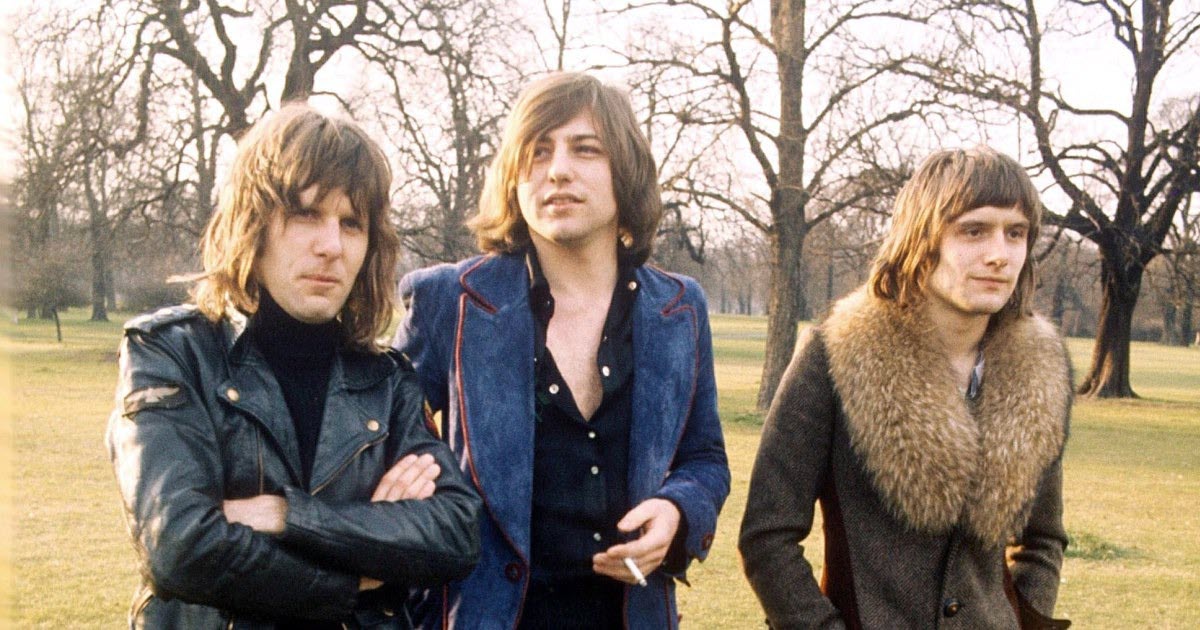
Few bands have ever captured the imagination and innovation of the progressive rock era quite like Emerson, Lake & Palmer (ELP). This legendary trio, comprising Keith Emerson’s virtuosic keyboards, Greg Lake’s soulful voice and bass, and Carl Palmer’s thunderous drumming, broke new ground in the 1970s with their distinctive blend of classical, jazz, and rock influences. From epic compositions that pushed the boundaries of what rock music could be, to powerful anthems that continue to resonate with fans today, ELP’s catalog is a treasure trove of sonic brilliance. In this article, we delve into the top 10 most popular Emerson, Lake & Palmer songs of all time—tracks that not only defined their career but also left an indelible mark on the history of music. Whether you’re a longtime fan or a newcomer eager to explore the genius of ELP, these songs represent the very best of a band that dared to dream big and delivered on every note. So, crank up the volume, let the synthesizers wash over you, and prepare to embark on a journey through the timeless soundscapes of one of rock’s most iconic groups.
1. “Lucky Man” (1970)
“Lucky Man,” from their debut album Emerson, Lake & Palmer (1970), is perhaps one of the most iconic tracks by the group. Written by Greg Lake when he was just 12 years old, the song’s simplicity and beauty are a testament to his songwriting prowess. The acoustic guitar-driven ballad tells the story of a man who seemingly has it all—wealth, power, and fame—yet meets a tragic end. What makes “Lucky Man” truly unforgettable is the stunning Moog synthesizer solo by Keith Emerson, which was groundbreaking at the time and remains one of the most recognizable moments in rock history. The song’s haunting melody and poignant lyrics encapsulate the essence of ELP’s ability to merge emotion with technical brilliance, making it an enduring favorite among fans and a staple of classic rock radio.
2. “Karn Evil 9” (1973)
“Karn Evil 9,” from the album Brain Salad Surgery (1973), is a monumental piece that stands as one of ELP’s most ambitious creations. Spanning nearly 30 minutes, this epic track is divided into multiple “impressions” and showcases the band’s complex musicality and thematic depth. The most famous section, known as “1st Impression, Part 2,” opens with the legendary line, “Welcome back, my friends, to the show that never ends,” instantly drawing listeners into a dystopian world where technology and entertainment reign supreme. Keith Emerson’s keyboard wizardry, Greg Lake’s compelling vocals, and Carl Palmer’s intricate drumming are all on full display, weaving a tapestry of sound that pushes the boundaries of progressive rock. “Karn Evil 9” is not just a song—it’s an experience, a journey through a sonic landscape that challenges and captivates.
3. “From the Beginning” (1972)
Released on their 1972 album Trilogy, “From the Beginning” is a beautiful acoustic ballad that highlights Greg Lake’s ability to craft introspective and emotionally resonant music. The song features Lake’s gentle acoustic guitar work, paired with his warm, soothing vocals, creating an intimate atmosphere that draws listeners in. The lyrics reflect themes of love, reflection, and regret, with a simplicity that contrasts the band’s more complex compositions. Keith Emerson’s subtle use of the Moog synthesizer adds a delicate, almost mystical touch to the track, enhancing its ethereal quality. “From the Beginning” became one of ELP’s most beloved songs, showcasing their versatility and Lake’s skill as a songwriter. It’s a timeless piece that continues to resonate with audiences, evoking a sense of nostalgia and longing.
4. “Trilogy” (1972)
The title track from the Trilogy album (1972) is a masterclass in musical dynamics, blending serene beauty with explosive energy. “Trilogy” opens with a delicate piano introduction by Keith Emerson, setting a contemplative mood before Greg Lake’s vocals join in, delivering lyrics that explore themes of love and existential introspection. As the song progresses, it transitions into a powerful, fast-paced section where Emerson’s virtuosic keyboard work takes center stage, accompanied by Carl Palmer’s intricate drumming. The song then returns to its initial theme, closing with a haunting piano outro that leaves a lasting impression. “Trilogy” exemplifies ELP’s ability to seamlessly blend different musical styles and moods within a single composition, making it a standout track in their discography.
5. “Tarkus” (1971)
“Tarkus,” the 20-minute epic from the album of the same name (1971), is one of ELP’s most ambitious and revered works. The suite is a seven-part musical journey that tells the story of a mythical creature, Tarkus, born from an erupting volcano, who battles various adversaries in a surreal landscape. The composition showcases the band’s technical prowess, with Keith Emerson’s keyboards driving the complex, shifting time signatures and intricate melodies, while Greg Lake’s bass and vocals provide a grounding force. Carl Palmer’s drumming is relentless and precise, adding to the intensity of the piece. “Tarkus” is a defining moment in progressive rock history, pushing the boundaries of the genre and solidifying ELP’s reputation as pioneers of the movement. It’s a track that demands attention and rewards listeners with its rich, layered composition.
6. “Fanfare for the Common Man” (1977)
“Fanfare for the Common Man” is ELP’s electrifying adaptation of Aaron Copland’s classical composition, released on their 1977 album Works Volume 1. The band’s version transforms the original orchestral piece into a rock anthem, with Keith Emerson’s synthesizer replicating the grandeur of the brass section and Carl Palmer’s drumming adding a powerful, driving rhythm. Greg Lake’s bass work provides a solid foundation, giving the track a sense of weight and majesty. The song became one of ELP’s most popular tracks, thanks in part to its use during major sporting events and television broadcasts. “Fanfare for the Common Man” is a brilliant example of how ELP could reinterpret classical music through the lens of rock, creating something that feels both timeless and modern.
7. “The Endless Enigma” (1972)
“The Endless Enigma,” from the Trilogy album (1972), is a two-part suite that exemplifies ELP’s talent for blending complex musical structures with lyrical depth. The song opens with a haunting, atmospheric introduction featuring Keith Emerson’s eerie synthesizer effects, before transitioning into a powerful, rhythmically intricate section driven by Carl Palmer’s drumming and Greg Lake’s commanding vocals. The lyrics explore themes of existential uncertainty and the search for meaning, making “The Endless Enigma” one of ELP’s most thought-provoking tracks. The second part of the suite, subtitled “Fugue,” showcases Emerson’s classical influences with a beautiful piano interlude, before the song returns to its main theme, bringing the piece full circle. “The Endless Enigma” is a journey through both sound and thought, embodying the intellectual and musical complexity that defined ELP’s work.
8. “Still… You Turn Me On” (1973)
“Still… You Turn Me On,” from the album Brain Salad Surgery (1973), is one of Greg Lake’s most intimate and romantic compositions. The song is a delicate ballad, featuring Lake’s tender vocals and acoustic guitar, with subtle touches of keyboard and percussion that complement the melody without overpowering it. The lyrics express a deep, personal connection, with Lake’s voice conveying both vulnerability and warmth. Despite its simplicity compared to some of ELP’s more elaborate compositions, “Still… You Turn Me On” resonates with listeners due to its heartfelt emotion and beautiful melody. It’s a song that showcases the softer side of ELP, providing a contrast to the more grandiose and complex tracks in their catalog. This balance of intensity and tenderness is part of what makes ELP’s music so enduring and beloved.
9. “Hoedown” (1972)
“Hoedown,” from the Trilogy album (1972), is a high-energy instrumental track that has become one of ELP’s most recognizable pieces. The song is an adaptation of Aaron Copland’s “Rodeo,” and it captures the spirit and excitement of a Western hoedown with its fast-paced, rhythmic drive. Keith Emerson’s keyboard work is dazzling, as he masterfully replicates the orchestral elements of the original piece on synthesizers, while Carl Palmer’s drumming and Greg Lake’s bass provide a tight, propulsive foundation. “Hoedown” is a showcase of the band’s technical skill and their ability to infuse classical compositions with rock energy. The track became a live favorite, often used to open ELP’s concerts, and it remains a highlight of their discography, embodying the band’s innovative approach to music.
10. “Jerusalem” (1973)
“Jerusalem,” from the album Brain Salad Surgery (1973), is ELP’s powerful rendition of the famous hymn based on William Blake’s poem and set to music by Sir Hubert Parry. The band’s version is grand and majestic, with Keith Emerson’s organ and synthesizer work creating a rich, orchestral sound that elevates the track to new heights. Greg Lake’s vocals are commanding and passionate, delivering the lyrics with a sense of reverence and intensity. “Jerusalem” reflects ELP’s ability to take a traditional piece of music and reinterpret it through a progressive rock lens, creating something that feels both respectful of its origins and boldly innovative. The track was initially controversial in the UK, with the BBC banning it from radio play, but it has since become a celebrated part of ELP’s legacy, symbolizing their fusion of classical and rock music.

Edward Tomlin is a frequent contributor to Singers Room. Since 2005, Singersroom has been the voice of R&B around the world. Connect with us via social media below.









