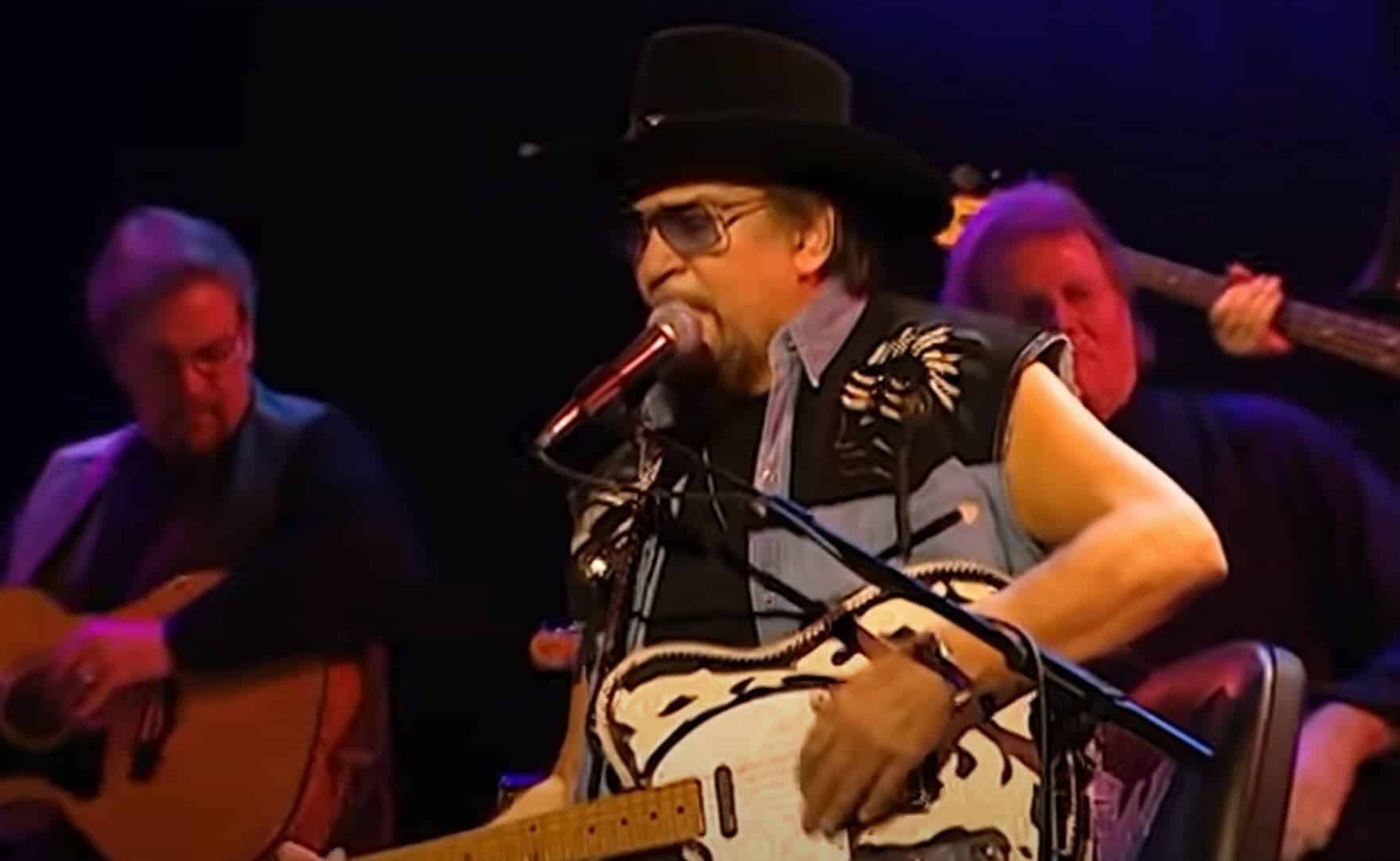
Waylon Jennings, the outlaw country legend, left an indelible mark on the music world with his rebellious spirit, raw talent, and a voice that could tell a thousand stories. As one of the pioneers of the “Outlaw Movement,” Jennings broke away from the polished, commercialized Nashville sound of the 1960s and 70s to carve out his own place in country music history. His songs, often gritty and unapologetically authentic, have become anthems for those who walk to the beat of their own drum. From the heart-wrenching ballads that reflect life’s hardest truths to the foot-stomping hits that celebrate freedom and defiance, Waylon’s music resonates with generations of fans. In this article, we’re diving deep into the top 10 most popular Waylon Jennings songs of all time. Whether you’re a longtime fan or new to his music, these tracks showcase the essence of Waylon’s groundbreaking sound and the timeless appeal that keeps his legacy alive. So, put on your cowboy hat, turn up the volume, and get ready to explore the very best of Waylon Jennings—a true renegade of country music.
1. “Luckenbach, Texas (Back to the Basics of Love)” – 1977
A quintessential anthem of the outlaw country movement, “Luckenbach, Texas (Back to the Basics of Love)” was released in 1977 and became one of Waylon Jennings’ most iconic tracks. Co-written by Chips Moman and Bobby Emmons, the song captures the yearning for simplicity in a world that’s become too complicated. The lyrics speak to the desire to escape the trappings of materialism and rediscover the basic joys of life, symbolized by the small town of Luckenbach, Texas. Jennings’ rich baritone, paired with the song’s laid-back, rustic melody, instantly transports listeners to a place where “the only thing we’re missing is a little cash.” The song topped the country charts and remains a beloved classic, embodying the rebellious spirit and down-home wisdom that defined Jennings’ career.
2. “Mammas Don’t Let Your Babies Grow Up to Be Cowboys” – 1978
“Mammas Don’t Let Your Babies Grow Up to Be Cowboys,” released in 1978, is a timeless country classic that showcases Waylon Jennings at the height of his powers. The song, written by Ed and Patsy Bruce, became a massive hit after Jennings and his close friend Willie Nelson recorded it as a duet. The track humorously advises mothers to steer their sons away from the rough-and-tumble life of a cowboy, warning of the lonely and unpredictable path it entails. Yet, beneath the humorous veneer lies a deeper message about the challenges and sacrifices that come with a life of freedom and rebellion. The song’s catchy melody and Jennings’ undeniable charisma made it an instant classic, and it won the Grammy Award for Best Country Performance by a Duo or Group with Vocal.
3. “Good Hearted Woman” – 1972
Released in 1972, “Good Hearted Woman” is one of Waylon Jennings’ most enduring songs, capturing the essence of the outlaw country movement. Co-written with Willie Nelson, the song tells the story of a woman who stands by her man despite his rambunctious ways. Jennings’ smooth delivery and the song’s infectious rhythm make it a heartfelt tribute to the kind of unconditional love that endures through life’s ups and downs. The song was inspired by Jennings’ own life experiences and his relationship with his wife, Jessi Colter. It became a major hit, reaching No. 3 on the country charts, and it has since become a staple in country music history, celebrated for its authenticity and emotional depth.
4. “Are You Sure Hank Done It This Way” – 1975
“Are You Sure Hank Done It This Way,” released in 1975, is a powerful critique of the commercialized country music scene of the time. Jennings, who was a key figure in the outlaw country movement, questions whether the legendary Hank Williams would have approved of the polished, formulaic sound dominating Nashville. The song’s driving beat and gritty lyrics reflect Jennings’ frustration with the industry’s constraints, as he defiantly carves out his own path. The track became an anthem for those disillusioned with mainstream country music, reaching No. 1 on the country charts and solidifying Jennings’ reputation as a trailblazer. Its raw energy and rebellious spirit continue to resonate with fans and musicians alike.
5. “Lonesome, On’ry and Mean” – 1973
“Lonesome, On’ry and Mean,” released in 1973, marked a turning point in Waylon Jennings’ career. The song, written by Steve Young, perfectly encapsulates the outlaw persona that Jennings would come to embody. With its gritty lyrics and rugged sound, “Lonesome, On’ry and Mean” tells the story of a restless, wandering soul who refuses to be tamed. Jennings’ commanding performance and the song’s raw, unpolished production captured the spirit of rebellion that was brewing in the country music scene. This track helped define the outlaw country genre and became one of Jennings’ signature songs, resonating with those who felt like outsiders in a world that valued conformity.
6. “I’ve Always Been Crazy” – 1978
“I’ve Always Been Crazy,” released in 1978, is a deeply personal song that reflects Waylon Jennings’ rebellious nature and refusal to conform. Written by Jennings himself, the song is a candid confession of his unconventional ways and the challenges that come with living life on your own terms. With its introspective lyrics and a melody that blends traditional country with a rock edge, “I’ve Always Been Crazy” became an instant hit, reaching No. 1 on the country charts. The song’s honesty and self-awareness struck a chord with fans, as Jennings acknowledges both the highs and lows of his outlaw lifestyle. It remains one of his most beloved tracks, celebrated for its authenticity and raw emotion.
7. “Amanda” – 1974
“Amanda,” released in 1974, is one of Waylon Jennings’ most tender and heartfelt songs. Written by Bob McDill, the song is a beautiful ode to a woman named Amanda, capturing the deep affection and gratitude the narrator feels for her. Jennings’ warm, emotive vocals bring the lyrics to life, making it a timeless love song that resonates with listeners. The song was initially a modest hit, but it gained even more popularity when it was re-released in 1979 as part of Jennings’ “Greatest Hits” compilation, where it soared to No. 1 on the country charts. “Amanda” remains a fan favorite, celebrated for its simplicity and the genuine emotion it conveys.
8. “Only Daddy That’ll Walk the Line” – 1968
“Only Daddy That’ll Walk the Line,” released in 1968, is one of Waylon Jennings’ earliest hits and a defining moment in his career. Written by Jimmy Bryant, the song features a driving rhythm and a catchy melody that quickly made it a favorite on the country charts. The lyrics tell the story of a man who stands his ground and refuses to be pushed around, embodying the tough, independent spirit that would become a hallmark of Jennings’ music. The song’s success helped establish Jennings as a rising star in the country music scene, and it remains a beloved classic, often cited as one of the best examples of his early work.
9. “The Wurlitzer Prize (I Don’t Want to Get Over You)” – 1977
Released in 1977, “The Wurlitzer Prize (I Don’t Want to Get Over You)” is one of Waylon Jennings’ most unique and memorable songs. Written by Chips Moman and Bobby Emmons, the song features a smooth, laid-back melody that perfectly complements Jennings’ rich vocals. The lyrics tell the story of a man who finds solace in music as he struggles to move on from a lost love, with the Wurlitzer jukebox serving as a metaphor for the emotional connection he can’t seem to break. The song was a major hit, reaching No. 1 on the country charts, and it remains a fan favorite for its introspective lyrics and the warmth of Jennings’ performance.
10. “Honky Tonk Heroes” – 1973
“Honky Tonk Heroes,” released in 1973, is a seminal track in Waylon Jennings’ discography and a cornerstone of the outlaw country movement. Written by Billy Joe Shaver, the song tells the story of the rough-and-tumble life of honky-tonk musicians and the struggles they face. Jennings’ gritty vocals and the song’s raw, unpolished sound perfectly capture the spirit of rebellion and authenticity that defined the outlaw country genre. “Honky Tonk Heroes” became an anthem for those who rejected the polished, commercialized sound of Nashville, and it solidified Jennings’ status as a leading figure in the movement. The song remains a classic, celebrated for its honesty and the boldness of its message.

Edward Tomlin is a frequent contributor to Singers Room. Since 2005, Singersroom has been the voice of R&B around the world. Connect with us via social media below.









