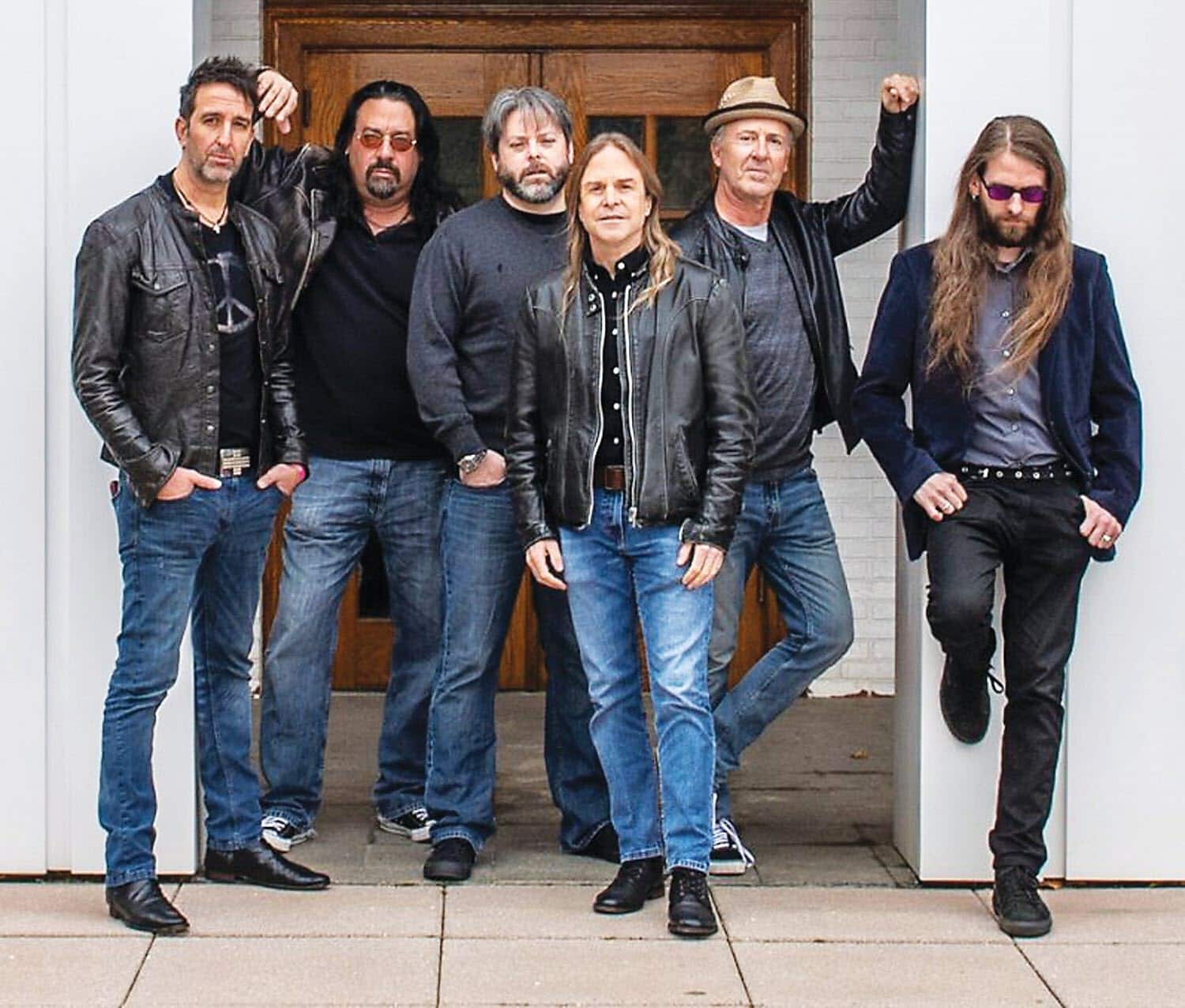
For over five decades, The Allman Brothers Band has been the heartbeat of Southern rock, weaving together blues, jazz, and country into a sound that is unmistakably their own. With their electrifying guitar solos, soulful vocals, and tight-knit rhythm section, the band has left an indelible mark on the music world—one that continues to inspire generations of musicians and fans alike. From their humble beginnings in Macon, Georgia, to becoming one of the most influential rock bands of all time, The Allman Brothers Band has crafted a legacy filled with timeless anthems that resonate with the spirit of freedom, resilience, and the open road. In this article, we’ll take you on a journey through the top 10 most popular Allman Brothers songs of all time—tracks that have not only defined the band’s illustrious career but have also become the soundtrack to countless lives. Whether you’re a lifelong fan or new to their music, these songs capture the essence of what makes The Allman Brothers Band truly legendary. So, buckle up, turn up the volume, and let’s dive into the tracks that have made rock history.
1. “Ramblin’ Man” (1973)
“Ramblin’ Man” is perhaps The Allman Brothers Band’s most commercially successful single, capturing the essence of Southern rock with its upbeat tempo and catchy chorus. Released in 1973 on their Brothers and Sisters album, this track showcases Dickey Betts’ signature guitar work, blending seamlessly with the band’s tight rhythm section. The lyrics reflect the nomadic spirit of a man who lives life on the road, a theme that resonated deeply with fans and became an anthem for the free-spirited. The song’s infectious melody and soulful delivery propelled it to the top of the charts, solidifying The Allman Brothers Band’s place in rock history.
2. “Whipping Post” (1969)
“Whipping Post,” featured on the band’s 1969 self-titled debut album, is a powerful blues-rock track that epitomizes the raw emotion and musical prowess of The Allman Brothers Band. Gregg Allman’s anguished vocals, combined with Duane Allman’s searing guitar riffs, create an intense atmosphere that grips the listener from the start. The song’s complex time signature and dynamic shifts keep the audience captivated, making it a staple in the band’s live performances. Its enduring popularity is a testament to its emotional depth and musical innovation, making “Whipping Post” a cornerstone of the Allman Brothers’ legacy.
3. “Jessica” (1973)
“Jessica,” another standout from the Brothers and Sisters album, is an instrumental masterpiece that showcases the band’s virtuosity and ability to create vivid imagery through music. Released in 1973, this track was written by Dickey Betts as a tribute to his daughter and is characterized by its flowing, melodic guitar lines and rhythmic complexity. The song’s joyous, uplifting energy makes it a feel-good anthem that has delighted audiences for decades. “Jessica” exemplifies the fusion of rock, jazz, and country influences that define the Allman Brothers’ sound, and it remains a beloved piece of their musical repertoire.
4. “Midnight Rider” (1970)
Released on the 1970 album Idlewild South, “Midnight Rider” is a hauntingly beautiful track that blends melancholy lyrics with a haunting melody. Gregg Allman’s soulful voice carries the weight of a man on the run, evoking a sense of desperation and resolve. The song’s minimalistic arrangement, featuring acoustic guitars and a gentle rhythm, allows the emotional intensity of the lyrics to shine through. “Midnight Rider” has become one of the band’s most iconic songs, covered by numerous artists and consistently praised for its timeless appeal and poignant storytelling.
5. “Melissa” (1972)
“Melissa,” from the 1972 album Eat a Peach, is a tender ballad that showcases Gregg Allman’s softer side. Written years before it was recorded, the song reflects a longing for love and a sense of nostalgia. The gentle acoustic guitar and Allman’s heartfelt vocals create a warm, comforting sound that resonates deeply with listeners. “Melissa” became a fan favorite, particularly after Duane Allman’s tragic passing, as it captured the band’s ability to blend heartache with beauty. The song’s enduring appeal lies in its simplicity and emotional honesty, making it a timeless piece of the Allman Brothers’ catalog.
6. “In Memory of Elizabeth Reed” (1970)
“In Memory of Elizabeth Reed,” released on the 1970 album Idlewild South, is a jazz-infused instrumental that stands as one of The Allman Brothers Band’s most ambitious compositions. Written by Dickey Betts, the song was inspired by a tombstone in a Macon, Georgia cemetery, and its intricate guitar harmonies and shifting rhythms reflect the band’s deep musicality. The track’s improvisational nature made it a live performance favorite, allowing the band to explore new musical territories with each rendition. “In Memory of Elizabeth Reed” is a testament to the Allman Brothers’ ability to blend rock, jazz, and blues into a seamless and captivating musical experience.
7. “Statesboro Blues” (1971)
“Statesboro Blues,” featured on the 1971 live album At Fillmore East, is a raucous, high-energy blues track that showcases The Allman Brothers Band at their best. Originally written by Blind Willie McTell, the band’s version is marked by Duane Allman’s iconic slide guitar work, which has become one of the most recognizable sounds in rock history. The song’s infectious groove and powerful delivery made it an instant classic, and it remains one of the band’s most beloved songs. “Statesboro Blues” captures the raw energy and tight musicianship that defined the Allman Brothers’ live performances, making it a must-listen for any fan of the genre.
8. “One Way Out” (1972)
“One Way Out,” first released on Eat a Peach in 1972, is a live staple that captures the essence of the Allman Brothers Band’s electrifying performances. The song, originally a blues standard by Elmore James, is driven by Duane Allman’s piercing slide guitar and Gregg Allman’s gritty vocals. The band’s rendition is full of urgency and energy, making it a highlight of their live shows. The interplay between the guitars and the rhythm section is nothing short of exhilarating, showcasing the band’s tight-knit chemistry. “One Way Out” remains a crowd favorite, embodying the raw, unfiltered power of Southern rock.
9. “Blue Sky” (1972)
“Blue Sky,” another gem from the Eat a Peach album, is a feel-good track that radiates warmth and positivity. Written and sung by Dickey Betts, the song is a celebration of love and life, with its sunny guitar melodies and uplifting lyrics. Released in 1972, “Blue Sky” became a favorite among fans for its joyful, carefree vibe and intricate guitar work. The dual guitar harmonies between Betts and Duane Allman are particularly noteworthy, creating a musical conversation that is both soothing and exhilarating. “Blue Sky” is a timeless classic that continues to bring smiles to listeners’ faces.
10. “Ain’t Wastin’ Time No More” (1972)
“Ain’t Wastin’ Time No More,” the opening track of the Eat a Peach album released in 1972, is a powerful anthem of resilience and determination. Written by Gregg Allman in the wake of his brother Duane’s tragic death, the song carries a message of moving forward despite the pain. The driving piano riff and upbeat tempo contrast with the somber lyrics, creating a sense of urgency and resolve. “Ain’t Wastin’ Time No More” is a testament to the band’s ability to channel their grief into something positive, delivering a song that is both introspective and inspiring. It remains a poignant reminder of the band’s enduring spirit.

Samuel Moore is a frequent contributor to Singers Room. Since 2005, Singersroom has been the voice of R&B around the world. Connect with us via social media below.









