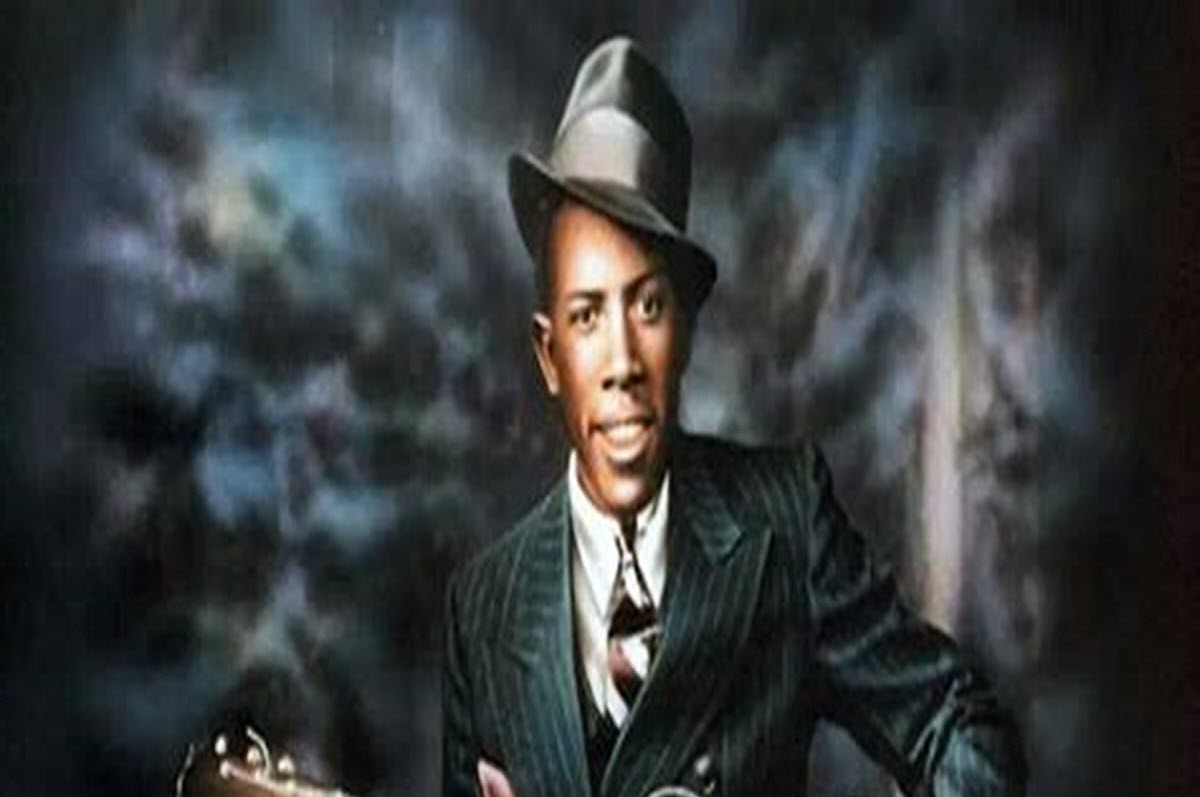
When it comes to the blues, few names carry as much weight as Robert Johnson. Often hailed as the “King of the Delta Blues,” Johnson’s music has transcended decades, inspiring countless musicians and leaving an indelible mark on the history of American music. Despite his tragically short life and the mystery that surrounds him, Johnson’s influence is immeasurable, and his songs remain as powerful today as they were when first recorded in the 1930s. Whether you’re a die-hard blues aficionado or new to the genre, delving into Johnson’s discography is like taking a journey to the very roots of modern music. His haunting vocals, masterful guitar work, and evocative lyrics have made him a legend whose songs are still revered, covered, and celebrated across the globe. In this article, we explore the top 10 most popular Robert Johnson songs of all time—tracks that not only define his legacy but also encapsulate the raw emotion, storytelling, and technical brilliance that make his music timeless. So grab your headphones, and prepare to be transported to the heart of the Delta, where the crossroads of myth and music collide in the unforgettable artistry of Robert Johnson.
1. Cross Road Blues (1936)
“Cross Road Blues” is one of Robert Johnson’s most iconic recordings, often shrouded in the mystique of the blues legend’s life. Released in 1936, this song tells the story of a man standing at the crossroads, pleading for divine intervention as night falls. The crossroads motif, rich in folklore, has since been interpreted as a metaphor for life’s pivotal decisions, and in Johnson’s case, it’s often linked to the myth that he sold his soul to the devil to gain his extraordinary musical talent. The haunting slide guitar riffs and Johnson’s desperate vocal delivery create a sense of urgency and despair, making “Cross Road Blues” a timeless classic that has inspired countless artists, from Eric Clapton to Cream, who famously covered the song in the 1960s.
2. Sweet Home Chicago (1936)
“Sweet Home Chicago” is perhaps one of the most enduring blues anthems, capturing the essence of longing and the pursuit of a better life. Released in 1936, Robert Johnson infuses the song with a sense of optimism, despite the bluesy undertones. The lyrics, which implore the listener to “come on, baby, don’t you want to go,” are both an invitation and a plea, reflecting the migration of African Americans from the rural South to the urban North in search of opportunity. The song’s catchy, repetitive structure has made it a favorite among blues musicians and fans alike, and it has been covered by a wide range of artists, including Buddy Guy, Eric Clapton, and The Blues Brothers, further cementing its place in American musical history.
3. Love in Vain (1937)
“Love in Vain,” released in 1937, is a poignant expression of unrequited love, showcasing Robert Johnson’s ability to convey deep emotion through his music. The song’s melancholy lyrics describe a lover’s heartbreak as a train departs, symbolizing the end of a relationship. Johnson’s delicate fingerpicking and mournful vocal delivery create a sense of intimacy, drawing the listener into his world of sorrow. “Love in Vain” later gained widespread recognition when The Rolling Stones covered it in 1969, adding to its legacy and introducing Johnson’s music to a new generation of listeners. The song remains a standout in Johnson’s catalog for its emotional depth and timeless relatability.
4. Hellhound on My Trail (1937)
“Hellhound on My Trail,” released in 1937, is one of Robert Johnson’s most chilling and evocative songs, steeped in the supernatural imagery that has come to define his legend. The song’s lyrics speak of a relentless, malevolent force pursuing the narrator, creating a sense of impending doom that is heightened by Johnson’s eerie slide guitar work. The “hellhound” serves as a metaphor for the troubles and fears that haunt the bluesman’s life, whether they be personal demons, societal pressures, or something more sinister. Johnson’s haunting performance captures the listener’s imagination, making “Hellhound on My Trail” a powerful and unforgettable piece of blues history.
5. Me and the Devil Blues (1938)
Released in 1938, “Me and the Devil Blues” is a stark and powerful song that delves into the darker side of human nature. The lyrics tell the story of a man who wakes up to find the devil knocking at his door, leading to a narrative of violence and inevitable doom. Johnson’s raw vocal delivery and the driving rhythm of his guitar playing create a sense of urgency and foreboding. The song’s dark themes and vivid imagery have fueled the myth of Johnson’s supposed pact with the devil, making “Me and the Devil Blues” one of his most infamous recordings. Its influence can be felt in the work of many blues and rock musicians who followed, cementing its place as a cornerstone of the blues genre.
6. Come On in My Kitchen (1936)
“Come On in My Kitchen,” released in 1936, is a masterful blend of yearning and intimacy, showcasing Robert Johnson’s skill as both a musician and a storyteller. The song’s lyrics invite a lover into the warmth and safety of the kitchen, a place of comfort amidst the cold, harsh realities of life. Johnson’s slide guitar work is particularly evocative, creating a sense of closeness and vulnerability that perfectly complements the song’s theme. “Come On in My Kitchen” has been celebrated for its emotional depth and has been covered by numerous artists, including Bonnie Raitt and Keb’ Mo’, who have helped keep Johnson’s legacy alive through their interpretations.
7. I Believe I’ll Dust My Broom (1936)
Released in 1936, “I Believe I’ll Dust My Broom” is one of Robert Johnson’s most influential songs, known for its driving rhythm and powerful slide guitar work. The song’s lyrics tell the story of a man who decides to leave his troubles behind and hit the road, a common theme in the blues tradition. The phrase “dust my broom” has since become synonymous with making a fresh start or moving on from the past. Johnson’s recording of this song has been widely covered, with Elmore James’ electrified version becoming a definitive blues standard. “I Believe I’ll Dust My Broom” remains a testament to Johnson’s influence on the blues and his enduring legacy as one of the genre’s greatest pioneers.
8. Ramblin’ on My Mind (1936)
“Ramblin’ on My Mind,” released in 1936, is a quintessential blues song that captures the restless spirit of a man driven by the need to keep moving. Robert Johnson’s lyrics express the pain of separation and the desire to escape from heartache, a theme that resonates deeply in the blues tradition. The song’s structure, with its repetitive chorus and expressive guitar work, has made it a favorite among blues musicians, who have covered it extensively over the years. Johnson’s ability to convey complex emotions with simple, direct language is on full display in “Ramblin’ on My Mind,” making it one of his most enduring compositions.
9. Stop Breakin’ Down Blues (1937)
Released in 1937, “Stop Breakin’ Down Blues” is a fiery and assertive song that showcases Robert Johnson’s talent for blending raw emotion with technical skill. The lyrics are a direct plea to a lover to stop causing trouble, delivered with a mix of frustration and determination. Johnson’s guitar playing is particularly aggressive on this track, with sharp, staccato riffs that drive the song forward. “Stop Breakin’ Down Blues” has been celebrated for its energy and intensity, with artists like The Rolling Stones and Eric Clapton paying homage through their own renditions. The song remains a powerful example of Johnson’s ability to channel personal turmoil into unforgettable music.
10. Terraplane Blues (1936)
“Terraplane Blues,” released in 1936, was Robert Johnson’s first major recording and became his only hit during his lifetime. The song uses the metaphor of a car, a Terraplane, to describe romantic troubles, with the vehicle’s mechanical issues symbolizing the breakdown of a relationship. Johnson’s clever use of double entendre and his smooth, confident delivery made “Terraplane Blues” an instant success, resonating with both blues enthusiasts and casual listeners. The song’s catchy melody and relatable themes have ensured its place as one of Johnson’s most popular and enduring tracks, influencing generations of blues and rock musicians who followed in his footsteps.

Samuel Moore is a frequent contributor to Singers Room. Since 2005, Singersroom has been the voice of R&B around the world. Connect with us via social media below.









