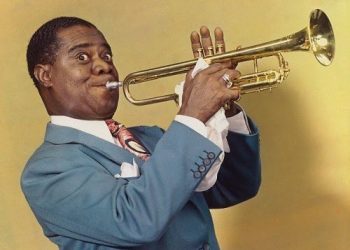
Jazz is more than just a genre of music; it’s a living, breathing art form that has shaped the cultural landscape for over a century. Born in the vibrant streets of New Orleans, jazz quickly spread across the globe, evolving and influencing countless other musical styles along the way. Its power lies not only in its infectious rhythms and soulful melodies but in its ability to express the full range of human emotion. From the fiery improvisations of bebop to the smooth grooves of cool jazz, this genre has given us some of the most iconic and influential artists in music history. In this article, we celebrate the top 15 most popular jazz artists of all time—musicians whose groundbreaking contributions have left an indelible mark on the world. Whether you’re a seasoned jazz aficionado or just beginning to explore this rich musical tradition, these artists have shaped the sound of jazz and continue to inspire generations of listeners. Get ready to dive into the lives and legacies of the legends who made jazz what it is today.
1. Louis Armstrong
Louis Armstrong, affectionately known as “Satchmo,” was more than just a trumpet player; he was a transformative figure in the world of music. Emerging from humble beginnings in New Orleans, Armstrong’s groundbreaking technique and infectious charisma propelled jazz into the mainstream. His gravelly voice and masterful trumpet playing became the gold standard, influencing countless musicians across genres. Armstrong’s improvisational genius, particularly his ability to infuse every note with joy and spontaneity, revolutionized jazz, making it a more expressive and emotional art form. His recordings of “What a Wonderful World” and “La Vie En Rose” remain timeless classics, epitomizing his ability to connect deeply with listeners. Armstrong wasn’t just a musician; he was a cultural ambassador, spreading the gospel of jazz across the globe.
2. Duke Ellington
Duke Ellington was a towering figure in jazz, whose legacy as a composer, pianist, and bandleader is unparalleled. Over a career spanning more than 50 years, Ellington composed over 1,000 pieces, ranging from jazz standards like “Take the ‘A’ Train” to extended suites that blurred the lines between jazz and classical music. His orchestra was a breeding ground for some of the greatest talents in jazz, and his ability to craft compositions that highlighted the unique strengths of his musicians set him apart. Ellington’s music was sophisticated, elegant, and deeply rooted in the African American experience, yet it resonated universally. His influence extended beyond jazz, impacting the broader landscape of American music and culture. Ellington didn’t just lead an orchestra; he created a sound that defined an era.
3. Charlie Parker
Charlie Parker, often referred to as “Bird,” was a genius whose innovations in bebop reshaped the entire landscape of jazz. Parker’s lightning-fast saxophone runs, complex harmonies, and innovative phrasing pushed the boundaries of what was possible in jazz, making him a central figure in the development of bebop. His compositions, like “Ornithology” and “Anthropology,” are bebop anthems that showcase his virtuosity and creativity. Despite his tumultuous life, marked by struggles with addiction, Parker’s influence on jazz is immeasurable. Musicians revered him not just for his technical prowess, but for the raw emotion and intellect he brought to his music. Parker didn’t just play jazz; he revolutionized it, opening the door to new possibilities and inspiring generations of musicians to explore the outer limits of their creativity.
4. Miles Davis
Miles Davis was a restless innovator, a musician who continually reinvented himself and, in doing so, changed the course of jazz multiple times. From the cool jazz of “Birth of the Cool” to the groundbreaking work of “Kind of Blue” and the electric experimentation of “Bitches Brew,” Davis was always ahead of the curve. His trumpet playing was marked by a distinctive, muted tone and an uncanny ability to convey deep emotion with minimalism. Davis was a master of assembling bands that included future legends like John Coltrane, Herbie Hancock, and Wayne Shorter, and his leadership style encouraged them to push creative boundaries. Whether exploring modal jazz, hard bop, or fusion, Davis’s work was always on the cutting edge. He wasn’t just a player in jazz; he was a leader who set the direction for the entire genre.
5. John Coltrane
John Coltrane was a force of nature, a saxophonist whose spiritual quest was mirrored in his music. Coltrane’s early work with Miles Davis and Thelonious Monk made him a star, but it was his later work, particularly the seminal “A Love Supreme,” that cemented his place as one of jazz’s most profound figures. Coltrane’s playing was intense, searching, and deeply emotional, as he pushed the boundaries of harmony and form. His “sheets of sound” technique, where he cascaded notes at a blistering pace, became one of his trademarks. But it was his relentless pursuit of new ideas and his quest for spiritual enlightenment through music that set him apart. Coltrane wasn’t just playing notes; he was communicating something deeply personal and universal, making his music resonate with listeners on a profound level.
6. Thelonious Monk
Thelonious Monk was a true original, a pianist and composer whose quirky style and unconventional approach made him one of jazz’s most distinctive voices. Monk’s compositions, like “Round Midnight” and “Straight, No Chaser,” are now jazz standards, known for their angular melodies and unexpected harmonies. But it was Monk’s piano playing, with its off-kilter rhythms and use of dissonance, that truly set him apart. Every note Monk played was full of character and intent, making his music instantly recognizable. His influence on jazz is immeasurable, as he opened the door for musicians to explore new harmonic and rhythmic possibilities. Monk wasn’t just a jazz musician; he was a visionary who saw the world differently and translated that vision into music that continues to challenge and inspire.
7. Billie Holiday
Billie Holiday, often referred to as “Lady Day,” was a jazz singer whose voice was as unique as it was powerful. Holiday’s ability to convey deep emotion through her phrasing and tone made her one of the most beloved and influential vocalists of all time. Her performances of songs like “Strange Fruit” and “God Bless the Child” are legendary, showcasing her ability to turn every song into a deeply personal story. Holiday’s life was marked by hardship, and that pain and struggle were often reflected in her music, giving it a depth and authenticity that resonated with listeners. Her voice, with its distinctive timbre and subtle, behind-the-beat phrasing, became her signature, and her influence can be heard in generations of singers who followed. Holiday wasn’t just a singer; she was an artist who lived her music.
8. Ella Fitzgerald
Ella Fitzgerald, known as the “First Lady of Song,” was a vocal powerhouse who brought joy and sophistication to jazz. With a voice that could effortlessly glide from a silky smooth ballad to a playful scat solo, Fitzgerald’s technical prowess was matched only by her warmth and charm. Her interpretations of the Great American Songbook set the standard for vocal jazz, with albums like “Ella Sings Gershwin” and “Ella Fitzgerald Sings the Cole Porter Songbook” becoming definitive versions of these classic songs. Fitzgerald’s scat singing, with its rapid-fire syllables and perfect pitch, was unmatched, and she could swing with the best of them. Yet, it was her ability to connect with listeners on an emotional level that made her truly special. Fitzgerald wasn’t just a singer; she was a beacon of light and joy in the world of jazz.
9. Charles Mingus
Charles Mingus was a bassist, composer, and bandleader whose music was as complex and multifaceted as the man himself. Mingus’s compositions blended elements of jazz, blues, gospel, and classical music, often with a political edge that reflected his deep commitment to civil rights. Albums like “Mingus Ah Um” and “The Black Saint and the Sinner Lady” showcase his ability to create intricate, large-scale compositions that are as emotionally powerful as they are intellectually stimulating. Mingus was also known for his fiery temperament and demanding perfectionism, which pushed his musicians to deliver their best performances. His bass playing was virtuosic, with a full, resonant tone that anchored his bands even as they ventured into the avant-garde. Mingus wasn’t just a jazz musician; he was a visionary who used music as a tool for expression and change.
10. Art Blakey
Art Blakey was the heartbeat of hard bop, a drummer whose thunderous playing and relentless energy drove some of the greatest jazz ensembles of all time. As the leader of the Jazz Messengers, Blakey was a mentor to a generation of musicians who would go on to become jazz legends in their own right, including Lee Morgan, Wayne Shorter, and Freddie Hubbard. Blakey’s drumming was powerful and propulsive, with an unmistakable sense of swing, but it was his ability to create a sense of urgency and excitement in the music that made him truly special. His leadership style was both nurturing and demanding, encouraging his band members to push their limits and explore new ideas. Blakey wasn’t just a drummer; he was a catalyst for creativity and innovation in jazz.
11. Herbie Hancock
Herbie Hancock is a musical chameleon, a pianist and composer who has continually reinvented himself over a career that spans more than six decades. From his early days with Miles Davis’s Second Great Quintet, where he helped pioneer the modal jazz movement, to his groundbreaking work in jazz fusion with albums like “Head Hunters,” Hancock has always been on the cutting edge of jazz. His playing is marked by a sophisticated sense of harmony and rhythm, and his compositions, like “Cantaloupe Island” and “Watermelon Man,” are jazz standards that have become part of the fabric of American music. Hancock’s willingness to embrace new technologies and genres, from electronic music to hip-hop, has kept his work fresh and relevant, making him one of the most influential musicians of his generation. Hancock isn’t just a pianist; he’s a trailblazer who continues to push the boundaries of what jazz can be.
12. Dizzy Gillespie
Dizzy Gillespie was a trumpet virtuoso and a central figure in the development of bebop, a genre that transformed jazz into a more complex and sophisticated art form. Gillespie’s technical brilliance on the trumpet, combined with his infectious sense of humor and showmanship, made him one of the most popular figures in jazz. His compositions, like “A Night in Tunisia” and “Salt Peanuts,” are bebop classics that showcase his innovative approach to harmony and rhythm. But Gillespie was more than just a musician; he was an ambassador for jazz, spreading its influence around the world through his tours and collaborations with musicians from different cultures. His iconic puffed cheeks and bent trumpet became symbols of his unique style and personality. Gillespie wasn’t just a trumpeter; he was a pioneer who brought jazz to new heights.
13. Stan Getz
Stan Getz was a saxophonist whose smooth, lyrical playing earned him the nickname “The Sound.” Getz was a master of the tenor saxophone, with a tone that was warm, inviting, and instantly recognizable. He is perhaps best known for bringing Brazilian bossa nova to the American jazz audience, particularly with his recording of “The Girl from Ipanema,” which became a massive hit and introduced millions to the genre. But Getz’s contributions to jazz go far beyond bossa nova; his work in the cool jazz movement, as well as his later explorations of more complex harmonic territory, showcase his versatility and deep musicality. Getz’s playing was always melodic and emotionally resonant, making his music accessible to a wide audience while still satisfying the most discerning jazz aficionados. Getz wasn’t just a saxophonist; he was a bridge between cultures and genres.
14. Chet Baker
Chet Baker was the epitome of cool, a trumpet player and vocalist whose laid-back style and boyish good looks made him a jazz icon. Baker’s trumpet playing was lyrical and understated, with a tone that was soft and intimate, perfectly complementing his whispery, almost fragile singing voice. He became a central figure in the West Coast jazz scene, where his minimalist approach stood in contrast to the more aggressive style of bebop. Baker’s recordings, like “My Funny Valentine” and “Let’s Get Lost,” are jazz classics that showcase his unique ability to convey deep emotion with a few well-chosen notes. Despite a life marked by personal struggles, including battles with addiction, Baker’s music remains timeless, capturing the essence of cool jazz with an unmatched sense of style and grace. Baker wasn’t just a musician; he was a symbol of a jazz era defined by elegance and introspection.
15. Sarah Vaughan
Sarah Vaughan, often called “The Divine One,” was a jazz vocalist whose rich, velvety voice and impeccable technique made her one of the most revered singers in jazz history. Vaughan’s voice was a marvel, with a wide range, perfect pitch, and an ability to effortlessly glide through complex melodies and improvisations. Her interpretations of songs like “Misty” and “Lullaby of Birdland” are definitive, showcasing her incredible control and emotional depth. Vaughan’s style was a blend of jazz, pop, and classical influences, making her music accessible to a broad audience while still maintaining the highest artistic standards. Her scat singing was as virtuosic as any instrumentalist, and her ability to improvise on the spot was legendary. Vaughan wasn’t just a singer; she was a virtuoso whose voice was as much an instrument as any saxophone or trumpet, capable of expressing the full range of human emotion.

Samuel Moore is a frequent contributor to Singers Room. Since 2005, Singersroom has been the voice of R&B around the world. Connect with us via social media below.