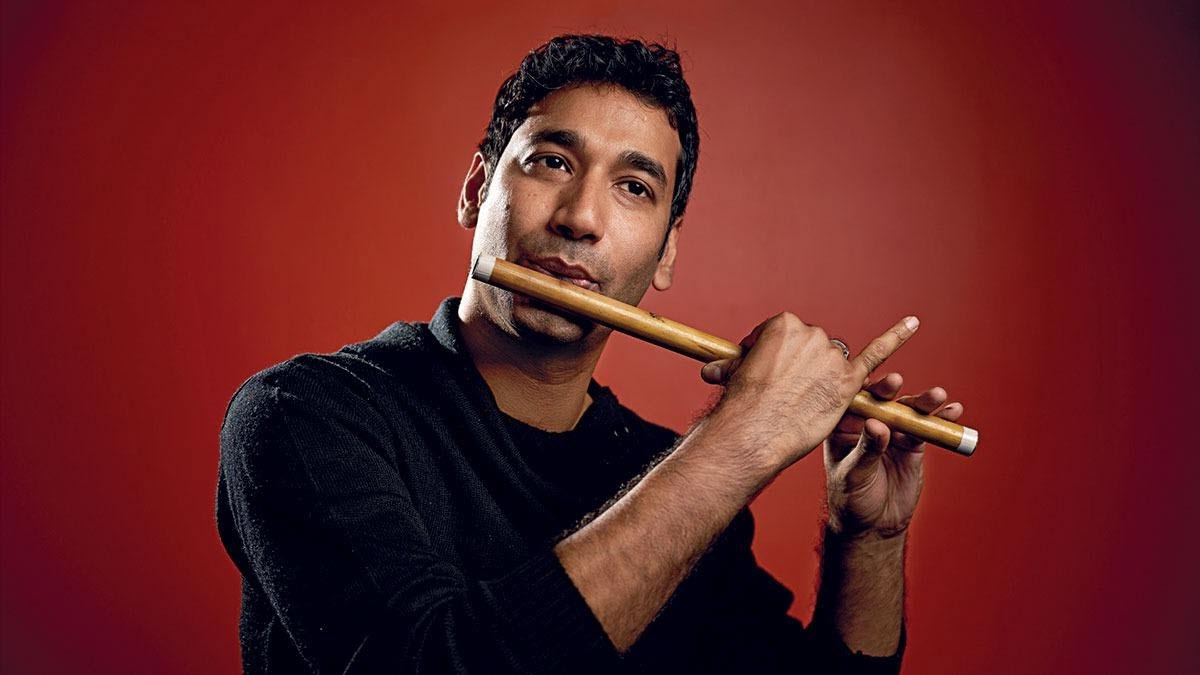
The flute, with its enchanting, breathy tones, has captivated audiences for centuries, weaving its magic through the intricate tapestries of classical, folk, and contemporary music. From the concert halls of Paris to the grand stages of New York, the flute has evolved from a modest woodwind instrument into a powerhouse of expressive potential, thanks in large part to the virtuosos who have pushed its boundaries and redefined its role in music. In this article, we celebrate the legends who have brought the flute to life in ways that have left indelible marks on the world of music. These artists, with their unparalleled skill, passion, and innovation, have transformed the flute into a voice that sings, dances, and even shouts with emotion. Whether you’re a seasoned flutist or a curious listener, join us on this journey as we explore the lives and legacies of the top 15 most popular flute players of all time—musicians whose artistry continues to inspire and enchant audiences around the globe. Prepare to be transported by the stories of these extraordinary flutists who have made the flute an instrument of pure magic.
1. Jean-Pierre Rampal
Jean-Pierre Rampal is heralded as the man who redefined the role of the flute in classical music. A virtuoso of extraordinary talent, Rampal’s career blossomed in post-war France and quickly spread across the globe. He was the first flutist to establish an international reputation as a soloist, breaking through the barriers that had kept the flute in the background for centuries. His technical prowess, combined with a deep sense of musicality, allowed him to interpret a vast repertoire ranging from Baroque masterpieces to contemporary works. Rampal’s recordings, many of which remain definitive, showcase his ability to make the flute sing with a voice that could be both powerful and tender. His influence is immeasurable, as he inspired generations of flutists to pursue solo careers, forever changing the landscape of flute performance.
2. James Galway
James Galway, affectionately known as “The Man with the Golden Flute,” is one of the most celebrated and charismatic flutists in history. His golden flute, along with his warm, rich tone, has become synonymous with excellence in flute performance. Galway’s career took off when he became the principal flutist of the Berlin Philharmonic under Herbert von Karajan, but it was his decision to pursue a solo career that truly set him apart. With a repertoire that spans classical, folk, and popular music, Galway has brought the flute to audiences who might never have experienced its beauty otherwise. His joyful stage presence and technical brilliance have made him a household name, and his recordings have sold millions of copies worldwide, making him a true ambassador of the flute.
3. Marcel Moyse
Marcel Moyse is often regarded as the most influential flute teacher of the 20th century, shaping the future of flute playing through both his performances and his pedagogy. Born in France, Moyse was a student of the legendary Paul Taffanel, and he went on to become a virtuoso flutist in his own right. His performances were marked by an expressive, singing tone that brought a new level of emotional depth to the flute. However, it is perhaps his work as a teacher that has left the most enduring legacy. Moyse taught at the Paris Conservatoire and later in the United States, mentoring many of the world’s greatest flutists, including Jean-Pierre Rampal and James Galway. His method books, such as “De la Sonorité,” remain essential reading for flutists today, continuing to inspire and guide musicians around the world.
4. Georges Barrère
Georges Barrère was a pioneering figure in the world of flute playing, particularly in the United States, where he played a crucial role in establishing the flute as a prominent orchestral and solo instrument. Born in France, Barrère studied under Paul Taffanel and quickly established himself as a leading flutist in Paris. However, it was his move to the United States that would cement his legacy. As the principal flutist of the New York Symphony Orchestra (which later merged with the Philharmonic Society of New York to become the New York Philharmonic), Barrère introduced American audiences to the rich possibilities of the flute. He was also a founding member of the Barrère Ensemble of Wind Instruments, one of the first chamber groups dedicated to wind instruments. Barrère’s influence extended beyond performance; he was a passionate advocate for new music, commissioning and premiering works by composers such as Charles Griffes and Edgard Varèse.
5. William Kincaid
William Kincaid is often referred to as the father of the American flute school, thanks to his long tenure as principal flutist of the Philadelphia Orchestra and his influential teaching career. Kincaid’s playing was characterized by a full, resonant tone and impeccable technique, qualities that made him a standout in an era of great orchestral flutists. His interpretations of the orchestral repertoire set a standard that flutists still aspire to today. Kincaid was also a dedicated teacher, and his students, known as the “Kincaid Tree,” include many of the most prominent flutists of the 20th century. Beyond his technical skill, Kincaid was known for his expressive, lyrical playing, which brought a new level of emotional depth to the flute. His legacy lives on through the recordings, students, and the American flute tradition he helped to establish.
6. Emmanuel Pahud
Emmanuel Pahud is a true star of the modern classical music world, known for his dazzling technique, expressive playing, and charismatic stage presence. As the principal flutist of the Berlin Philharmonic, one of the world’s most prestigious orchestras, Pahud has set a new standard for flute performance in the 21st century. His playing is marked by a remarkable combination of precision and passion, whether he is performing a Baroque concerto or a contemporary work. Pahud’s ability to connect with audiences and bring out the emotional core of the music has made him one of the most sought-after soloists in the world. He is also a prolific recording artist, with a discography that includes everything from the complete Bach sonatas to newly commissioned works. Pahud’s influence extends beyond performance; he is also a dedicated educator, sharing his knowledge and passion with the next generation of flutists.
7. Julius Baker
Julius Baker was a towering figure in American flute playing, known for his long tenure as principal flutist with the New York Philharmonic and his influential teaching career. Baker’s playing was marked by a pure, singing tone and an impeccable sense of style, making him one of the most respected and admired flutists of his time. His interpretations of the orchestral and solo repertoire set a standard that continues to inspire flutists today. Beyond his work with the New York Philharmonic, Baker was also a prolific recording artist, with a discography that includes landmark recordings of the flute repertoire. As a teacher, Baker was a mentor to many of the leading flutists of the 20th century, passing on his knowledge and artistry to a new generation. His legacy is felt not only in his recordings and performances but also in the countless students who have gone on to successful careers in music.
8. Paul Taffanel
Paul Taffanel is often called the father of the modern French flute school, a title that reflects his profound influence on flute playing and teaching. As a virtuoso flutist, Taffanel was known for his beautiful, singing tone and his ability to shape phrases with extraordinary elegance and expressiveness. His performances set a new standard for flute playing, bringing a level of artistry and refinement that had never been seen before. Taffanel was also a dedicated teacher, and his work at the Paris Conservatoire helped to establish the French flute school as the preeminent style of flute playing in the world. His method book, co-authored with Philippe Gaubert, remains a cornerstone of flute pedagogy to this day. In addition to his work as a performer and teacher, Taffanel was a conductor and composer, contributing to the flute repertoire with works that are still performed today. His legacy lives on in the generations of flutists who continue to be inspired by his artistry and teaching.
9. Mathieu Dufour
Mathieu Dufour is a modern master of the flute, known for his stunning virtuosity, lyrical expressiveness, and commanding stage presence. Born in France, Dufour quickly rose to prominence as one of the leading flutists of his generation, holding principal flute positions in some of the world’s most prestigious orchestras, including the Berlin Philharmonic and the Chicago Symphony Orchestra. His playing is characterized by a remarkable combination of technical brilliance and deep musicality, allowing him to bring out the full range of emotions in the music he performs. Dufour is equally at home in the orchestral, chamber, and solo repertoire, and his performances are marked by a sense of spontaneity and excitement that captivates audiences. He is also a dedicated teacher, sharing his knowledge and passion for the flute with students around the world.
10. Philippe Gaubert
Philippe Gaubert was a true Renaissance man of the flute, excelling as a flutist, composer, and conductor. As a flutist, Gaubert was known for his beautiful, expressive tone and his ability to bring out the lyrical qualities of the flute. He was a student of Paul Taffanel, and he continued his teacher’s legacy by becoming one of the leading figures in the French flute school. Gaubert’s influence extended beyond performance; he was also a prolific composer, writing works that have become staples of the flute repertoire. His compositions, such as the “Fantaisie” and the “Sonata No. 1,” are characterized by their lyrical melodies and rich harmonies, reflecting the elegance and refinement of French music. In addition to his work as a flutist and composer, Gaubert was a respected conductor, leading the Paris Opera and the Orchestre de la Société des Concerts du Conservatoire. His contributions to the flute and to French music as a whole are immeasurable, and his legacy continues to inspire flutists and musicians around the world.
11. Jascha Gorenstein
Jascha Gorenstein was a flutist whose exceptional artistry and technical mastery made him one of the most respected musicians in the Soviet Union and later in Russia. Gorenstein’s playing was marked by a deep emotional intensity and a remarkable ability to convey the full range of human experience through the flute. His performances were characterized by a powerful, resonant tone and a sense of spontaneity that kept audiences on the edge of their seats. Gorenstein was also known for his commitment to contemporary music, and he premiered many works by Soviet and Russian composers, helping to expand the flute repertoire. His influence extended beyond performance; as a teacher, Gorenstein mentored many of Russia’s leading flutists, passing on his knowledge and passion for the flute to the next generation. His legacy lives on through his recordings and the many students who continue to carry forward his artistic vision.
12. András Adorján
András Adorján is a flutist of extraordinary versatility and technical brilliance, known for his wide-ranging repertoire and his ability to bring out the unique character of each piece he performs. Born in Hungary and later becoming a Danish citizen, Adorján studied with some of the greatest flutists of the 20th century, including Jean-Pierre Rampal and Marcel Moyse. His playing is characterized by a remarkable combination of precision and expressiveness, allowing him to excel in a wide variety of musical styles, from Baroque to contemporary. Adorján is also a dedicated scholar, and his research into historical performance practices has informed his interpretations, bringing a new level of insight and authenticity to his performances. In addition to his work as a performer, Adorján is a respected teacher, sharing his knowledge and passion for the flute with students around the world. His contributions to the flute world are manifold, and his influence continues to be felt through his recordings, performances, and teaching.
13. Clara Novello Davies
Clara Novello Davies was a pioneering Welsh flutist and music educator who made significant contributions to the world of flute playing and teaching. Although she is perhaps best known as a vocal coach and conductor, Davies was also a passionate advocate for the flute, and she played a key role in promoting the instrument in Wales and beyond. Her teaching was marked by a commitment to developing the whole musician, emphasizing not only technical skill but also musical expression and communication. Davies was a tireless champion of young musicians, and she founded several choirs and music schools that provided opportunities for countless students to develop their talents. Her influence extended beyond her immediate students, as she helped to raise the standard of music education in Wales and inspired a new generation of musicians to pursue their passions. Clara Novello Davies’s contributions to music were wide-ranging, and her legacy continues to be felt in the world of flute playing and music education.
14. Robert Aitken
Robert Aitken is a Canadian flutist, composer, and conductor who has made significant contributions to contemporary music and flute performance. Aitken’s playing is characterized by a deep commitment to exploring the full range of the flute’s expressive possibilities, and he is known for his ability to bring out the unique character of each piece he performs. As a performer, Aitken has premiered numerous works by contemporary composers, many of whom have written specifically for him. His contributions to the flute repertoire have helped to expand the boundaries of what is possible on the instrument, and his performances have been praised for their intensity, precision, and emotional depth. In addition to his work as a performer, Aitken is also a respected composer and conductor, with a body of work that reflects his deep engagement with contemporary music. His influence as a teacher is also significant, as he has mentored many of Canada’s leading flutists and continues to inspire the next generation of musicians.
15. Gareth Davies
Gareth Davies is the principal flutist of the London Symphony Orchestra, and his playing is known for its warmth, expressiveness, and technical brilliance. Davies has been with the LSO since 2000, and during that time, he has become one of the most respected and admired flutists in the world. His performances are marked by a deep commitment to the music, and he has a remarkable ability to bring out the emotional core of each piece he plays. Whether performing as a soloist, in chamber music settings, or as part of the orchestra, Davies’s playing is characterized by its lyricism, clarity, and energy. In addition to his work with the LSO, Davies is a passionate advocate for music education, and he is involved in numerous projects aimed at inspiring young musicians. His contributions to the world of flute playing are significant, and his performances continue to captivate audiences around the world.

Samuel Moore is a frequent contributor to Singers Room. Since 2005, Singersroom has been the voice of R&B around the world. Connect with us via social media below.