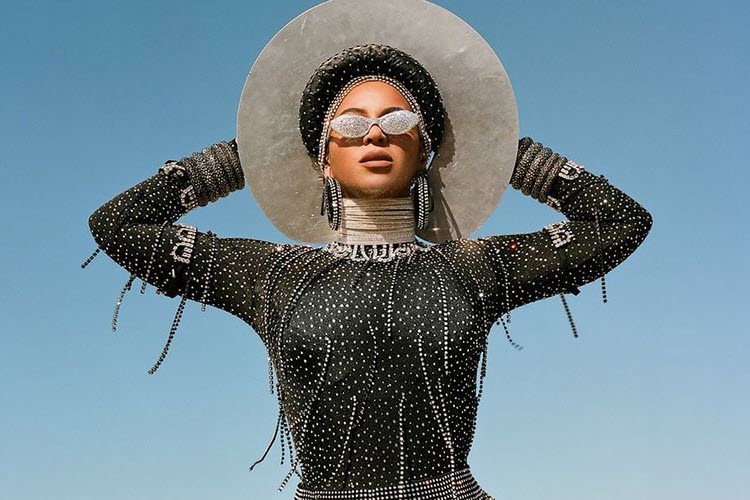
Erykah Badu is more than just a singer; she’s a cultural icon, a trailblazer, and the undisputed Queen of Neo-Soul. With a career spanning over two decades, Badu has consistently delivered music that transcends genres, blending soul, jazz, R&B, and hip-hop into a sound that is uniquely her own. Her voice is unmistakable—smooth, rich, and dripping with emotion—and her lyrics are a poetic exploration of life, love, and spirituality. But beyond her vocal prowess, Badu is known for her thought-provoking artistry and her ability to connect with listeners on a deep, almost spiritual level. Whether you’re a long-time fan or new to her music, this list of the top 10 most popular Erykah Badu songs of all time is a journey through some of her most iconic and beloved tracks. From her groundbreaking debut single to the introspective anthems that have defined her career, these songs showcase the essence of Badu’s artistry and her enduring influence on the world of music. Get ready to dive into the soulful, eclectic, and always inspiring world of Erykah Badu—these are the tracks that have left an indelible mark on music history.
1. “On & On” (1997)
Erykah Badu’s debut single, “On & On,” released in 1997, is a timeless anthem that introduced the world to her distinctive neo-soul sound. With its jazzy undertones, philosophical lyrics, and Badu’s unique vocal delivery, the track quickly became a defining moment in 90s R&B. The song’s looping bassline and hypnotic rhythm are perfectly complemented by Badu’s musings on life, spirituality, and self-awareness. The lyrics, “Keep in mind that I’m an artist, and I’m sensitive about my shit,” became an iconic line that resonated with many, solidifying Badu as a voice for introspection and authenticity. “On & On” not only earned Badu a Grammy Award but also set the stage for her to become a leading figure in the neo-soul movement.
2. “Tyrone” (Live) (1997)
“Tyrone,” released as part of Erykah Badu’s Live album in 1997, is a track that captures the raw energy of her live performances. The song is a sassy, no-nonsense breakup anthem where Badu calls out a neglectful lover and humorously advises him to call his friend Tyrone for a ride home. What makes “Tyrone” so memorable is its spontaneity; the song was largely improvised during a live performance, yet it resonated so deeply with audiences that it became an instant classic. The live recording captures Badu’s ability to connect with her audience, blending humor, soul, and a touch of attitude. It remains one of her most beloved tracks, embodying her quick wit and powerhouse vocal presence.
3. “Bag Lady” (2000)
Released in 2000, “Bag Lady” is a poignant yet empowering anthem about the emotional baggage people carry and the importance of letting go. The song, from her critically acclaimed album Mama’s Gun, features a minimalist instrumental backdrop, allowing Badu’s soulful voice and storytelling to take center stage. The chorus, “Bag lady, you gon’ hurt your back / Draggin’ all them bags like that,” serves as a metaphor for the weight of unresolved issues and past traumas. “Bag Lady” became a commercial success, earning Badu a Grammy nomination and further establishing her reputation as a voice for emotional healing and self-reflection. The song’s infectious beat and relatable message made it a standout track of the early 2000s.
4. “Didn’t Cha Know?” (2000)
“Didn’t Cha Know?” is one of the standout tracks from Erykah Badu’s sophomore album, Mama’s Gun, released in 2000. The song, produced by the legendary J Dilla, features a warm, organic sound with lush instrumentation and a groovy bassline that perfectly complements Badu’s introspective lyrics. In this track, Badu reflects on the uncertainties of life, exploring themes of growth, self-discovery, and resilience. The lyrics, “Time to save the world, where in the world is all the time?” express a sense of urgency and contemplation. “Didn’t Cha Know?” showcases Badu’s ability to blend deep philosophical questions with a laid-back, soulful vibe, making it a fan favorite and a critical success.
5. “Next Lifetime” (1997)
“Next Lifetime,” from Badu’s debut album Baduizm (1997), is a soulful exploration of love and longing. The song tells the story of a woman who finds herself deeply attracted to someone other than her current partner, yet she chooses to remain faithful, promising to meet in another lifetime. Badu’s smooth, emotive delivery, paired with the song’s dreamy production, creates an atmosphere of both melancholy and hope. The song’s narrative is relatable, as it touches on the complexities of love and the choices we make. “Next Lifetime” became one of Badu’s signature tracks, showcasing her talent for storytelling and her ability to convey deep emotion through her music.
6. “Appletree” (1997)
“Appletree,” a track from Erykah Badu’s debut album Baduizm (1997), is a mellow, introspective song that encourages self-reliance and the pursuit of knowledge. The song’s title is a metaphor for growth and wisdom, with Badu advising listeners to “pick your friends like you pick your fruit.” The laid-back groove and jazzy instrumentation provide the perfect backdrop for Badu’s smooth vocals and thoughtful lyrics. “Appletree” reflects Badu’s philosophy of surrounding oneself with positive influences and being selective about the company one keeps. The song’s message of empowerment and self-awareness resonated with listeners, making it a standout track on an already exceptional album.
7. “Love of My Life (An Ode to Hip-Hop)” (2002)
“Love of My Life (An Ode to Hip-Hop),” released in 2002, is a celebration of hip-hop culture and its influence on Badu’s life. Featuring Common, the song blends elements of neo-soul, R&B, and hip-hop, creating a smooth, groove-laden track that pays homage to the genre that shaped both artists. The lyrics personify hip-hop as a lifelong love, with Badu reminiscing about the early days of the culture and its evolution over time. The song’s infectious rhythm, catchy hook, and nostalgic vibe made it an instant hit, earning Badu a Grammy Award for Best R&B Song. “Love of My Life” is a testament to Badu’s deep connection to hip-hop and her ability to seamlessly blend genres in her music.
8. “Window Seat” (2010)
Released in 2010 as the lead single from New Amerykah Part Two (Return of the Ankh), “Window Seat” is a smooth, introspective track that explores themes of freedom, escape, and vulnerability. The song’s laid-back beat and soulful melody create a sense of longing, as Badu sings about the desire to get away from the pressures of life and find a place of peace. The accompanying music video, which sparked controversy for its bold imagery, further emphasized the song’s themes of liberation and self-expression. “Window Seat” became a commercial success and a fan favorite, showcasing Badu’s ability to blend thought-provoking lyrics with a captivating groove.
9. “Other Side of the Game” (1997)
“Other Side of the Game” is a powerful ballad from Badu’s debut album Baduizm (1997), offering a candid look at the struggles faced by women who stand by their partners through difficult times. The song’s narrative follows a woman grappling with the realities of her partner’s involvement in illegal activities, torn between love and the harsh consequences of their lifestyle. Badu’s emotive vocals, combined with the song’s haunting instrumental arrangement, create a poignant and deeply moving track. “Other Side of the Game” is a testament to Badu’s storytelling prowess and her ability to convey complex emotions through her music. The song’s raw honesty and emotional depth make it one of her most compelling works.
10. “The Healer” (2008)
“The Healer,” from Erykah Badu’s 2008 album New Amerykah Part One (4th World War), is a hypnotic, spiritually charged track that pays tribute to hip-hop and its cultural significance. With a minimalist beat produced by Madlib, the song features a repetitive, trance-like rhythm that creates a meditative atmosphere. Badu’s lyrics, “Hip-hop, it’s bigger than religion, it’s bigger than the government,” highlight the genre’s powerful influence and its role in shaping social and cultural movements. “The Healer” is both a celebration of hip-hop and a call for unity and healing in the face of global challenges. The song’s spiritual undertones and minimalist production make it a standout track on an album that explores themes of social consciousness and personal empowerment.

Samuel Moore is a frequent contributor to Singers Room. Since 2005, Singersroom has been the voice of R&B around the world. Connect with us via social media below.









