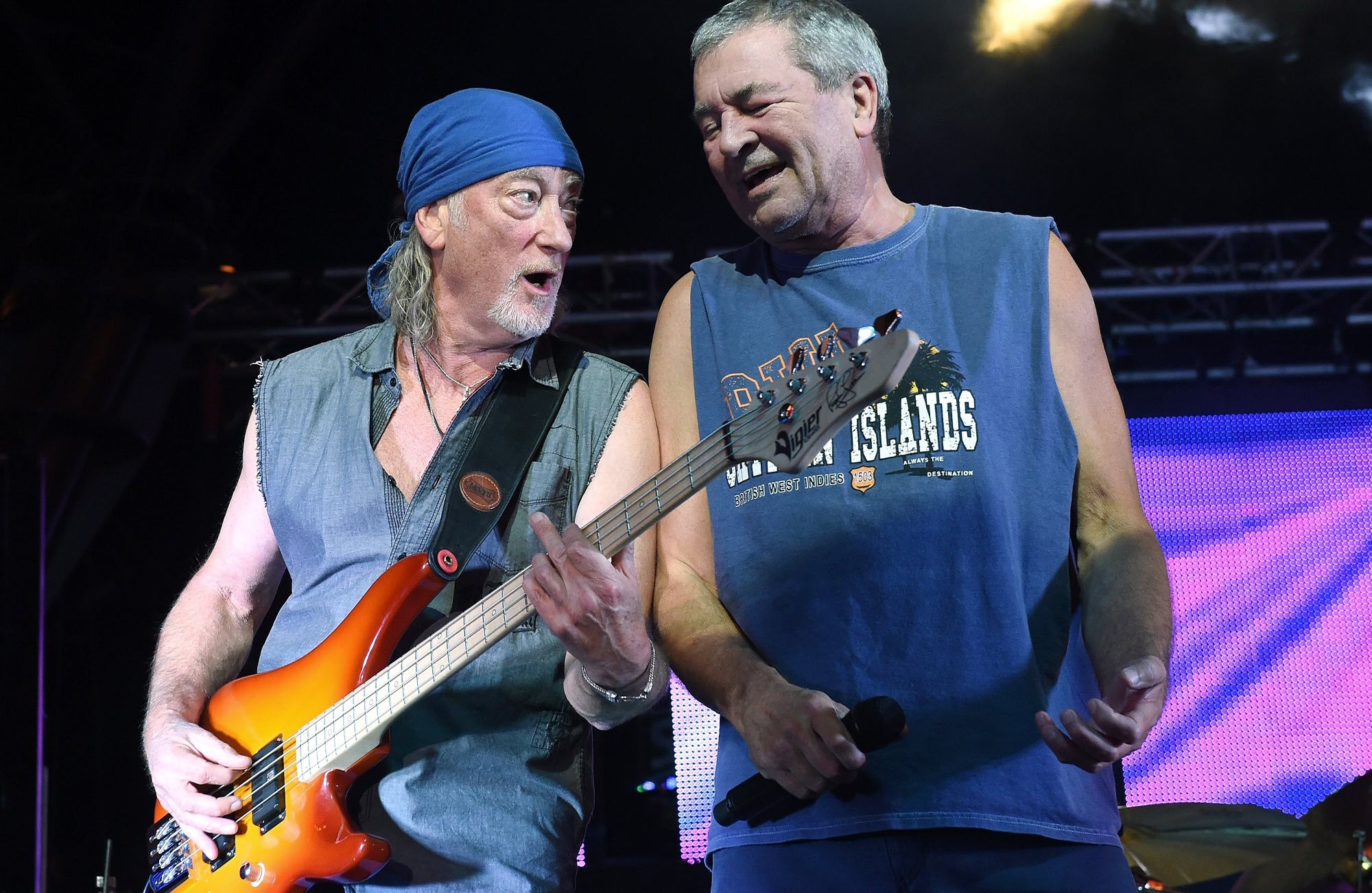
Deep Purple, a cornerstone of hard rock and heavy metal, has left an indelible mark on the music world with their powerful riffs, dynamic vocals, and pioneering spirit. With a career spanning over five decades, their influence remains profound, captivating audiences with their genre-defining sound. From their early days as part of the burgeoning hard rock scene to their evolution into metal legends, Deep Purple has crafted an impressive catalog of songs that resonate with fans old and new. This article explores the top 10 best Deep Purple songs of all time, showcasing their most iconic tracks that have solidified their place in rock history. Whether it’s the thunderous riffs of “Smoke on the Water,” the epic complexity of “Child in Time,” or the genre-defining “Highway Star,” these songs exemplify the band’s creativity, technical prowess, and enduring appeal. Join us as we dive into the timeless tracks that have made Deep Purple a household name and continue to inspire musicians and fans around the world.
1. Woman From Tokyo
“Woman from Tokyo” is a standout track from Deep Purple’s 1973 album, “Who Do We Think We Are”. This song, celebrated for its infectious riff and dynamic composition, epitomizes the band’s hard rock prowess during their classic lineup era. Written by the band members, including the legendary Ritchie Blackmore on guitar, Ian Gillan on vocals, and Jon Lord on keyboards, “Woman from Tokyo” showcases Deep Purple’s signature blend of heavy metal and progressive rock.
The song’s narrative revolves around the excitement and intrigue of a mysterious woman from Tokyo, reflecting the band’s fascination with different cultures and experiences. Its memorable opening riff, combined with Gillan’s powerful vocal delivery and Lord’s swirling keyboard work, creates a high-energy atmosphere that captivated audiences worldwide.
“Woman from Tokyo” became one of Deep Purple’s most enduring hits, earning its place as a staple in their live performances and a fan favorite. Its catchy melody, energetic performance, and quintessential rock sound have cemented it as a classic in the annals of rock music, demonstrating why Deep Purple remains a pivotal influence in the genre.
2. Space Truckin’
“Space Truckin’” is a quintessential track from Deep Purple’s 1972 album, “Machine Head”. Written by the band’s classic lineup, including Ritchie Blackmore, Ian Gillan, Jon Lord, Roger Glover, and Ian Paice, this song exemplifies their signature blend of hard rock and heavy metal. Known for its driving rhythm and high-octane energy, “Space Truckin’” captures the essence of Deep Purple’s explosive live performances.
The song’s lyrics narrate a high-octane, interstellar journey, reflecting the band’s fascination with space and adventure. Its distinctive riff, played by Blackmore, and the propulsive drumming of Paice drive the track forward, while Gillan’s vocal performance adds a layer of excitement and intensity. Jon Lord’s powerful organ solos are a highlight, providing a signature sound that defines Deep Purple’s style.
“Space Truckin’” became a staple in Deep Purple’s live setlists, showcasing their musicianship and energetic stage presence. Its combination of hard rock riffs, intricate solos, and dynamic shifts makes it a standout track in Deep Purple’s discography and a beloved classic among rock enthusiasts.
3. Fireball
“Fireball” is the title track from Deep Purple’s 1971 album, “Fireball”. This song captures the band’s evolution into a more aggressive and dynamic sound, showcasing their hard rock prowess and intricate musicianship. Featuring the iconic lineup of Ritchie Blackmore, Ian Gillan, Jon Lord, Roger Glover, and Ian Paice, “Fireball” blends heavy riffs with a fiery, energetic intensity that defines the album.
The song opens with a powerful and driving riff, showcasing Blackmore’s skillful guitar work and Lord’s vibrant organ fills. Gillan’s vocal delivery is assertive and commanding, matching the track’s explosive energy. The song’s lyrics, with their fiery and rebellious imagery, reflect the band’s larger-than-life persona and the adventurous spirit of their music.
“Fireball” is notable for its rhythmically complex structure and its ability to seamlessly shift between intense rock sections and more melodic passages. The track exemplifies Deep Purple’s ability to innovate within the hard rock genre, maintaining a balance between raw power and sophisticated musicianship. As a key track on the “Fireball” album, it remains a fan favorite and a testament to Deep Purple’s enduring influence in rock music.
4. Rat Bat Blue
“Rat Bat Blue” is a high-octane track from Deep Purple’s 1974 album, “Burn”. This song, featuring the powerful lineup of David Coverdale, Glenn Hughes, Ritchie Blackmore, Jon Lord, and Ian Paice, stands out for its energetic rock sound and intricate musicianship.
The song is notable for its driving rhythm and dynamic shifts, blending hard rock with a touch of blues influence. Blackmore’s guitar work is both aggressive and melodic, delivering a memorable riff that anchors the track. Coverdale and Hughes’ vocal performances add a gritty edge, showcasing their powerful range and harmony. Jon Lord’s keyboard solos provide a distinctive sound, enhancing the track’s intensity and complexity.
“Rat Bat Blue” is celebrated for its aggressive tempo and vibrant solos, making it a staple of Deep Purple’s live performances during the “Burn” era. Its blend of hard rock aggression and musical sophistication exemplifies the band’s ability to push the boundaries of the genre while maintaining their signature sound. The song remains a favorite among fans, highlighting Deep Purple’s enduring legacy in rock music.
5. Smoke on the Water
“Smoke on the Water” is arguably Deep Purple’s most iconic song and a defining moment in rock history. Released in 1972 on their landmark album “Machine Head”, this track has become synonymous with classic rock due to its instantly recognizable riff, which is often one of the first guitar riffs learned by aspiring musicians.
The song recounts a real-life event—the fire that broke out during a Frank Zappa concert at the Montreux Casino in Switzerland, which Deep Purple witnessed while they were recording nearby. The lyrics vividly describe the chaos and the smoke from the fire, which inspired the song’s title. The powerful riff, created by Ritchie Blackmore, combined with Ian Gillan’s distinctive vocals, Roger Glover’s steady bass, Jon Lord’s dynamic organ work, and Ian Paice’s driving drums, creates a track that is both simple and profoundly influential.
“Smoke on the Water” has cemented its place in rock history, not only for its memorable riff but also for its storytelling and its role in defining the hard rock genre. It remains a staple in rock music and a testament to Deep Purple’s impact on the genre.
6. Highway Star
“Highway Star,” released in 1972 as part of Deep Purple’s iconic album “Machine Head”, stands as one of the band’s most exhilarating and enduring tracks. Known for its high-octane energy, the song perfectly encapsulates the raw power and virtuosity that defined Deep Purple’s sound during their peak years.
The song opens with a rapid, pulsating guitar riff by Ritchie Blackmore, setting the stage for an adrenaline-fueled ride. Ian Gillan’s soaring vocals take center stage, delivering lyrics that glorify the thrill of speed and freedom, themes that resonate with the rebellious spirit of rock ‘n’ roll. Jon Lord’s Hammond organ solo and Blackmore’s guitar solo showcase the technical prowess and improvisational skills that made Deep Purple one of the premier bands of the 1970s.
“Highway Star” is often cited as a pioneering track in the heavy metal genre, blending intricate musicianship with a relentless tempo. Its live performances, particularly the extended solos, have become legendary, further cementing its status as a fan favorite. Whether on the open road or in a packed stadium, “Highway Star” remains a quintessential anthem of rock music, celebrated for its unbridled energy and masterful execution.
7. Hush
“Hush,” released in 1968, is one of Deep Purple’s earliest and most beloved tracks, featured on their debut album, “Shades of Deep Purple”. Originally written and recorded by American singer-songwriter Joe South, Deep Purple’s rendition of “Hush” transformed the song into a hard rock classic that introduced the band to the world.
The track begins with an infectious organ riff by Jon Lord, which immediately grabs the listener’s attention. This is soon followed by the dynamic vocals of Rod Evans, whose commanding performance gives the song its distinct, powerful edge. The rhythm section, driven by Ian Paice’s energetic drumming and Nick Simper’s bass, provides a groovy backbone that propels the song forward.
“Hush” blends elements of rock, pop, and psychedelic music, reflecting the late 1960s musical landscape while showcasing Deep Purple’s ability to infuse a standard pop song with their unique, hard-hitting style. The song’s catchy chorus and driving beat made it a commercial success, reaching the Top 5 on the U.S. charts.
As one of Deep Purple’s earliest hits, “Hush” remains a cornerstone of their legacy, beloved for its infectious energy and memorable hooks, and continues to be a fan favorite in their live performances.
8. Lazy
“Lazy,” a standout track from Deep Purple’s 1972 album “Machine Head”, is a masterclass in musical virtuosity and one of the band’s most celebrated compositions. Known for its extended instrumental sections and bluesy vibe, “Lazy” is a showcase for the talents of each band member, particularly Jon Lord and Ritchie Blackmore.
The song begins with a haunting, classical-inspired organ intro by Jon Lord, which gradually builds in intensity. This introduction alone is a testament to Lord’s skill on the Hammond organ, blending classical music influences with the rock genre. As the track progresses, Ritchie Blackmore enters with a fiery guitar riff, leading into a jam that highlights his prowess on the instrument. The interplay between the organ and guitar is a defining feature of “Lazy,” creating a dynamic and engaging musical conversation.
Ian Gillan’s vocals don’t appear until nearly four minutes into the song, but when they do, they add a bluesy, laid-back feel that complements the instrumental intensity. The lyrics are simple, reflecting the song’s title, and contrast effectively with the complexity of the music.
“Lazy” is often celebrated for its improvisational feel, and it remains a favorite in Deep Purple’s live performances, where the band often extends the song even further, allowing for spontaneous, electrifying solos.
9. Black Night
“Black Night,” released as a single in 1970, is one of Deep Purple’s most iconic and enduring tracks. The song emerged during the “Deep Purple in Rock” sessions and became the band’s first major hit, reaching the Top 10 on the UK charts and establishing them as a force in the burgeoning hard rock scene.
The song opens with a distinctive, catchy guitar riff by Ritchie Blackmore, which immediately sets the tone for the track. The riff is both simple and powerful, driving the song forward with a relentless groove that hooks the listener from the start. Ian Gillan’s vocals are dynamic and full of swagger, delivering lyrics that convey a sense of disillusionment and searching for direction.
Jon Lord’s Hammond organ provides a rich, textural backdrop, while Roger Glover’s bassline adds depth and rhythm. Ian Paice’s drumming is tight and precise, perfectly complementing the song’s straightforward yet compelling structure.
“Black Night” is often praised for its blend of hard rock energy and accessibility, making it a favorite among both casual listeners and dedicated fans. Its infectious riff and memorable chorus have ensured its place as a staple in Deep Purple’s live performances, where it continues to captivate audiences with its timeless appeal.
10. Perfect Strangers
“Perfect Strangers,” the title track from Deep Purple’s 1984 reunion album, marks one of the band’s most significant comebacks in rock history. After nearly a decade apart, the classic Mark II lineup—featuring Ritchie Blackmore, Ian Gillan, Roger Glover, Jon Lord, and Ian Paice—reunited to deliver a song that captures the essence of their signature sound while introducing a modern edge.
The track opens with a haunting, mystical keyboard melody by Jon Lord, setting a dark and atmospheric tone. This is soon followed by Ritchie Blackmore’s powerful guitar riff, which drives the song with a sense of urgency and drama. The interplay between the guitar and keyboards is a standout feature, blending seamlessly to create a rich, layered sound.
Ian Gillan’s vocals are compelling and introspective, delivering lyrics that evoke themes of destiny, identity, and a sense of foreboding. The chorus is both anthemic and enigmatic, with Gillan singing, “Can you remember, remember my name?”—a line that resonates with the band’s return to the spotlight.
“Perfect Strangers” showcases Deep Purple’s ability to evolve while staying true to their roots. The song was a commercial success and remains a fan favorite, often highlighted in their live performances as a powerful reminder of the band’s enduring legacy.

Samuel Moore is a frequent contributor to Singers Room. Since 2005, Singersroom has been the voice of R&B around the world. Connect with us via social media below.









