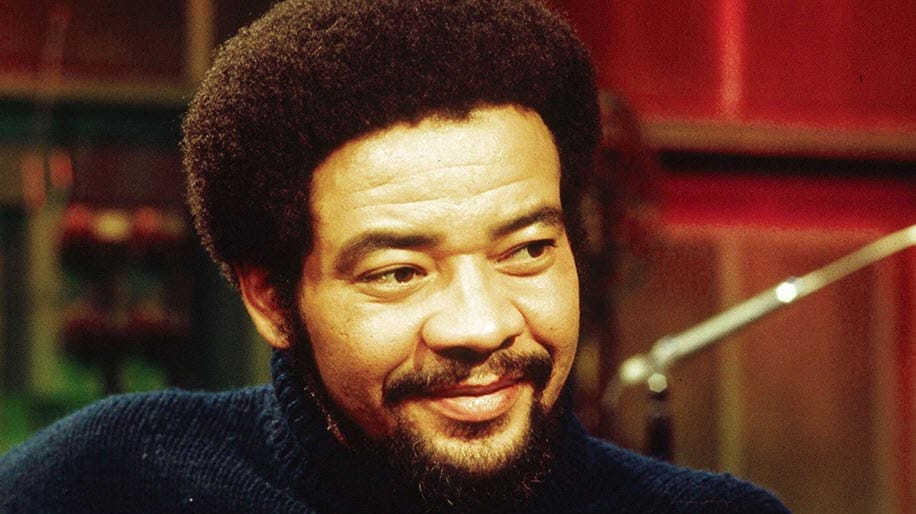
Bill Withers is more than just a name in the world of music; he’s a legend whose voice and lyrics have resonated across generations. Whether it’s through the soulful melancholy of “Ain’t No Sunshine” or the uplifting unity found in “Lean on Me”, Withers’ music has a timeless quality that continues to move and inspire listeners today. With a style that seamlessly blends soul, R&B, and a touch of folk, Withers had a unique ability to capture the human experience in its most raw and honest form. As we dive into the top 10 most popular Bill Withers songs of all time, prepare to be reminded of the powerful simplicity and emotional depth that defined his work. Each track on this list is a testament to Withers’ remarkable talent for turning everyday emotions into unforgettable music. Whether you’re a long-time fan or a newcomer to his sound, these songs will take you on a journey through the highs and lows of life, all delivered with the warmth and sincerity that only Bill Withers could provide. So, sit back, press play, and let the magic of Bill Withers’ music wash over you.
1. “Ain’t No Sunshine” (1971)
Released in May 1971, “Ain’t No Sunshine” is a timeless classic that showcases Bill Withers’ ability to convey deep emotion through simplicity. The song, from his debut album Just As I Am, is a poignant expression of loss and longing, driven by Withers’ rich, soulful voice and a minimalist arrangement that enhances the song’s stark emotional landscape. The repeating phrase “I know” is one of the most memorable hooks in music history, capturing the cyclical nature of heartache. Withers’ evocative lyrics and raw vocal delivery struck a chord with listeners, making the song an instant hit and a staple in the soul and R&B genres. The track earned Withers his first Grammy Award and established him as a powerful new voice in music.
2. “Lean on Me” (1972)
“Lean on Me” is perhaps Bill Withers’ most universally recognized anthem, released in April 1972 on his second album, Still Bill. This uplifting track, inspired by Withers’ formative years in a close-knit community in Slab Fork, West Virginia, is a heartfelt ode to friendship and mutual support. Its simple, yet profound lyrics emphasize the importance of human connection. The song’s gospel-infused melody, combined with Withers’ warm, soulful delivery, has made it a timeless call for solidarity, resonating across generations. With its powerful message, “Lean on Me” became a chart-topping hit and an enduring symbol of compassion and unity.
3. “Lovely Day” (1977)
Released in December 1977, “Lovely Day” is a radiant celebration of joy and optimism. Featured on Withers’ Menagerie album, the song is instantly recognizable by its smooth groove and Withers’ stunningly sustained high note—lasting nearly 18 seconds—that showcases his vocal prowess. The lyrics describe the simple yet profound feeling of waking up to a beautiful day, with the presence of a loved one making everything feel perfect. The track’s breezy rhythm and uplifting melody have made it a feel-good anthem, frequently used in movies, commercials, and public celebrations. Withers’ ability to capture the essence of positivity in this song has ensured its place as a beloved classic in his discography.
4. “Just the Two of Us” (1981)
A collaboration between Bill Withers and jazz saxophonist Grover Washington Jr., “Just the Two of Us” was released in February 1981 as part of Washington’s Winelight album. This smooth jazz hit immediately became a crossover sensation, blending Withers’ soulful vocals with Washington’s sophisticated saxophone melodies. The song’s lyrics celebrate the intimate bond between two people, whether it’s romantic or platonic, making it a popular choice for celebrations of love and companionship. Withers’ warm, conversational delivery perfectly complements the lush instrumental backdrop, creating a timeless track that has been covered and sampled by numerous artists, further cementing its place in popular music history.
5. “Use Me” (1972)
“Use Me” is one of Bill Withers’ funkiest tracks, released in August 1972 on his Still Bill album. The song features a compelling groove driven by a tight rhythm section and Withers’ distinctive, soulful vocals. The lyrics tell the story of a complex relationship where, despite the warnings of others, the narrator is willing to be “used” by his partner because the connection brings him undeniable pleasure. Withers’ delivery is both introspective and defiant, capturing the nuance of a relationship that’s far from straightforward. The catchy, repetitive hook and the song’s infectious rhythm made “Use Me” a major hit, further showcasing Withers’ versatility as a songwriter and performer.
6. “Grandma’s Hands” (1971)
“Grandma’s Hands” is a deeply personal and heartfelt tribute to Bill Withers’ grandmother, released in May 1971 on his debut album Just As I Am. The song is a short, yet powerful reflection on the impact of his grandmother’s love and wisdom. Withers’ lyrics paint a vivid picture of her nurturing presence, recalling how her hands were always there to comfort, protect, and guide him. The gospel-infused melody and Withers’ soulful vocal delivery add a layer of reverence to the song, making it a touching homage to the women who shaped his life. “Grandma’s Hands” resonates with listeners who can relate to the universal theme of family and the enduring influence of a loved one.
7. “Who Is He (And What Is He to You)?” (1972)
Released in April 1972 as part of the Still Bill album, “Who Is He (And What Is He to You)?” is a song that brims with suspicion and tension. The track’s lyrics tell the story of a man confronting his partner about a suspected affair, with Withers’ vocal delivery perfectly capturing the mix of hurt, anger, and disbelief. The song’s funky bassline and tight groove create a sense of urgency, reflecting the emotional turmoil of the situation. Withers’ storytelling ability shines through in this track, drawing listeners into the narrative with vivid imagery and a compelling sense of drama. “Who Is He (And What Is He to You)?” remains a standout in Withers’ catalog for its raw emotional intensity and sharp lyrical content.
8. “Lovely Night for Dancing” (1977)
“Lovely Night for Dancing” is a smooth, feel-good track from Bill Withers’ Menagerie album, released in 1977. The song captures the carefree joy of a night out, where the atmosphere is perfect for dancing and letting go of everyday worries. Withers’ warm, inviting vocals are complemented by a light, bouncy rhythm that reflects the song’s celebratory mood. The lyrics express the simple pleasure of sharing a dance with someone special, making it a perfect soundtrack for romantic evenings or social gatherings. While not as commercially successful as some of his other hits, “Lovely Night for Dancing” showcases Withers’ ability to create music that’s both relaxing and uplifting, adding to the diverse range of his musical legacy.
9. “Kissing My Love” (1972)
Released in April 1972 on the Still Bill album, “Kissing My Love” is a funky celebration of love and affection. The song’s upbeat rhythm and catchy melody make it an irresistible track that invites listeners to move and groove. Withers’ lyrics describe the sheer joy and excitement of being in love, with his soulful delivery adding an extra layer of warmth and sincerity. The song’s infectious energy is driven by a tight rhythm section, including a prominent bassline and crisp percussion, creating a groove that’s impossible to resist. “Kissing My Love” is a testament to Withers’ ability to craft songs that are both musically engaging and emotionally resonant, making it a favorite among fans.
10. “Harlem” (1971)
“Harlem” is one of the standout tracks from Bill Withers’ debut album, Just As I Am, released in May 1971. The song paints a vivid picture of life in the Harlem neighborhood of New York City, capturing the vibrancy and challenges of the community. Withers’ lyrics highlight the energy of the streets, the sounds of children playing, and the hopes and dreams of the people who live there. The track’s upbeat tempo and lively arrangement reflect the hustle and bustle of urban life, while Withers’ soulful vocals bring the narrative to life. “Harlem” is a powerful example of Withers’ ability to tell stories through his music, offering listeners a glimpse into the realities of life in a specific place and time.

Samuel Moore is a frequent contributor to Singers Room. Since 2005, Singersroom has been the voice of R&B around the world. Connect with us via social media below.









