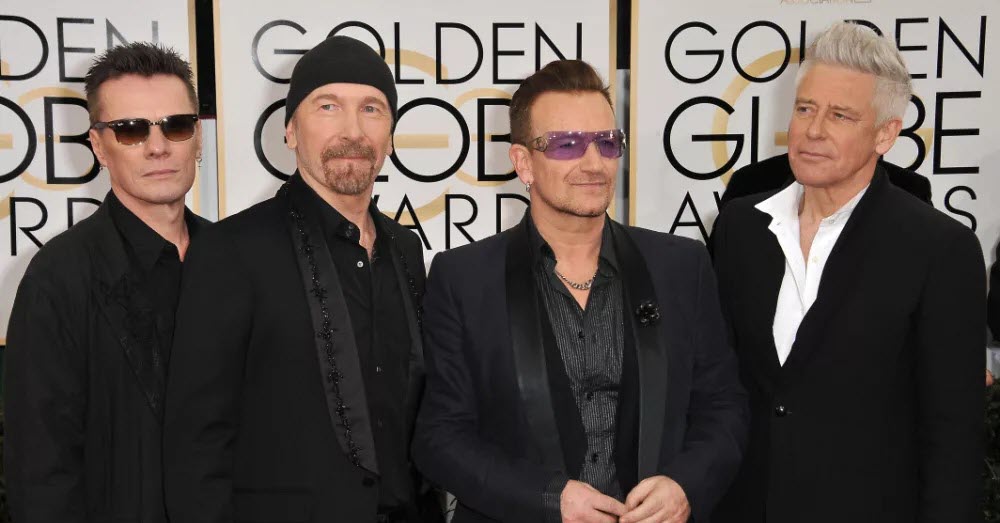
U2 is an Irish rock band formed in Dublin in 1976, consisting of Bono (lead vocals and rhythm guitar), The Edge (lead guitar, keyboards, and backing vocals), Adam Clayton (bass guitar), and Larry Mullen Jr. (drums and percussion). Known for their anthemic sound, socially conscious lyrics, and Bono’s distinctive voice, U2 has become one of the most influential and successful rock bands in the world.
Their early albums, including *Boy* (1980) and *War* (1983), established them as a force in the post-punk movement, with songs like “Sunday Bloody Sunday” and “New Year’s Day” addressing political and social issues. U2 achieved global superstardom with their 1987 album *The Joshua Tree*, which featured hits like “With or Without You,” “I Still Haven’t Found What I’m Looking For,” and “Where the Streets Have No Name.” The album’s mix of rock, blues, and gospel influences, combined with its exploration of American culture and spirituality, earned U2 critical acclaim and commercial success.
Throughout their career, U2 has experimented with different musical styles, from the industrial and dance-influenced sounds of *Achtung Baby* (1991) and *Zooropa* (1993) to the more stripped-down rock of *All That You Can’t Leave Behind* (2000). They have won numerous awards, including 22 Grammy Awards, more than any other band. U2 is also known for their activism, particularly in areas like human rights and AIDS awareness, with Bono being a prominent advocate on the global stage.
With a career spanning over four decades, U2 continues to be a major influence in the music industry, combining powerful music with a message of hope and change.
1. With Or Without You
“**With or Without You**” is one of U2’s most iconic songs, released in 1987 as the lead single from their fifth studio album, *The Joshua Tree*. The song is a haunting, emotional ballad that explores themes of love, longing, and conflict, reflecting the tension between dependence and independence in relationships.
The track is notable for its atmospheric sound, featuring The Edge’s distinctive guitar work with a “Infinite Guitar” effect, Adam Clayton’s driving bassline, and Larry Mullen Jr.’s steady drumming. Bono’s impassioned vocals convey deep emotional turmoil, making the song resonate with listeners on a profound level.
“With or Without You” became U2’s first number-one hit in the United States, topping the Billboard Hot 100 chart for three weeks. It also achieved global success, reaching the top of the charts in several other countries. The song’s powerful and evocative sound, along with its universal themes, has made it a timeless classic and a staple in U2’s live performances. “With or Without You” remains one of the band’s most beloved and enduring songs, often cited as one of the greatest rock songs of all time.
2. One
“**One**” is a song by U2, released in 1992 as the third single from their critically acclaimed album *Achtung Baby*. The song is one of U2’s most beloved and enduring tracks, known for its powerful lyrics and emotional depth.
“One” was written during a tumultuous period for the band, both creatively and personally, as they were struggling with the direction of their music and internal tensions. The song’s lyrics explore themes of unity, love, and reconciliation, with Bono’s poignant vocals expressing a sense of hope amidst conflict. The chorus, “We’re one, but we’re not the same,” captures the complexity of relationships, whether personal or societal, and has resonated with fans worldwide.
Musically, “One” features The Edge’s signature shimmering guitar work, Adam Clayton’s subtle bassline, and Larry Mullen Jr.’s steady, understated drumming, creating a haunting yet uplifting atmosphere. The song was a commercial success, reaching the top 10 in multiple countries, and has since become a staple of U2’s live performances.
“One” has been interpreted in various ways, including as a commentary on the reunification of Germany, a reflection on personal relationships, and even as a spiritual or religious statement. Its universal message of togetherness and understanding has made it one of U2’s most impactful songs, both musically and culturally. The song is often considered one of the greatest rock songs of all time and remains a highlight in U2’s extensive catalog.
3. New Year’s Day
“New Year’s Day,” released by U2 in 1983, is a powerful and anthemic rock song from their album *War*. The track features a distinctive piano riff, driving bassline, and the impassioned vocals of lead singer Bono. The song’s lyrics, inspired by the Polish Solidarity movement, reflect themes of hope, renewal, and political struggle, capturing the spirit of resistance and the desire for change.
With its haunting melody and evocative lyrics, “New Year’s Day” became one of U2’s early hits, marking their emergence as a band with a strong social conscience. The song’s blend of rock and post-punk elements, along with its soaring chorus, helped establish U2’s signature sound and set the stage for their future success. “New Year’s Day” remains one of U2’s most enduring and iconic tracks, symbolizing both personal and political transformation.
4. Where The Streets Have No Name
“**Where the Streets Have No Name**” is a song by U2, released as the third single from their 1987 album *The Joshua Tree*. The song is one of the band’s most iconic tracks, known for its soaring sound and anthemic qualities.
The track begins with a long, atmospheric introduction featuring The Edge’s signature delay-effect guitar riff, gradually building in intensity before the rest of the band joins in. This powerful buildup has made the song a favorite in U2’s live performances, where it often serves as a dramatic opener or climax.
Lyrically, “Where the Streets Have No Name” reflects themes of escape, longing, and a search for spiritual purity. Bono was inspired to write the song after a trip to Ethiopia, where he witnessed extreme poverty, as well as by the divisions he saw in Belfast, Northern Ireland, where street names could signify one’s religion or social status. The idea of a place where these divisions no longer exist—a place “where the streets have no name”—became a powerful metaphor for unity and freedom.
The song was a commercial success, reaching the top ten in several countries and receiving critical acclaim for its ambitious composition and emotional impact. The accompanying music video, filmed on a rooftop in downtown Los Angeles, famously drew a large crowd and led to a police shutdown, further cementing the song’s legendary status.
“Where the Streets Have No Name” remains one of U2’s most beloved songs, embodying the band’s ability to merge rock music with profound social and spiritual themes, and it continues to be a highlight in their live shows.
5. Seconds
“Seconds,” released by U2 in 1983 as part of their album *War*, is a thought-provoking track that delves into the fear and tension of the nuclear arms race during the Cold War. The song features a distinctive rhythm and a gritty, post-punk sound, with The Edge providing lead vocals on part of the verses—a rarity for the band.
Lyrically, “Seconds” reflects on the fragility of life in a world where nuclear war could be triggered in just seconds, highlighting the anxiety of living under the threat of global destruction. The track’s unsettling yet catchy melody, combined with its politically charged message, underscores U2’s early commitment to addressing serious global issues through their music. “Seconds” stands out as a bold statement within the album, contributing to the overall themes of conflict and the quest for peace that define *War*.
6. Sunday Bloody Sunday
“**Sunday Bloody Sunday**” is one of U2’s most powerful and politically charged songs, released in 1983 as the opening track on their album *War*. The song is known for its driving drumbeat, stirring guitar riffs, and Bono’s impassioned vocals.
Lyrically, “Sunday Bloody Sunday” addresses the events of Bloody Sunday, a tragic incident that occurred on January 30, 1972, in Derry, Northern Ireland. On that day, British soldiers shot and killed 13 unarmed civil rights protesters during a march against internment without trial. The song reflects U2’s response to the violence and political unrest of the time, expressing both outrage and a desire for peace.
The song’s iconic opening features a martial drumbeat that evokes the atmosphere of protest and conflict. Bono’s lyrics, while not explicitly describing the events of Bloody Sunday in detail, convey a strong anti-war sentiment and a plea for an end to the violence and bloodshed.
“Sunday Bloody Sunday” became one of U2’s most important and enduring tracks, resonating with audiences for its emotional intensity and its call for peace. It is often performed at U2’s live concerts with a powerful, communal spirit, and has been praised for its role in bringing attention to the conflict in Northern Ireland and advocating for social change.
7. Discotheque
“Discotheque,” released by U2 in 1997, is the lead single from their album *Pop*. The song marked a significant departure from the band’s previous work, featuring a dance-oriented sound with heavy electronic influences, reflecting the growing popularity of techno and alternative dance music at the time. With its funky bassline, distorted guitars, and pulsating beat, “Discotheque” blends rock with a club vibe, showcasing U2’s willingness to experiment with their sound.
Lyrically, the song is playful and somewhat ambiguous, touching on themes of superficiality and the search for meaning in a world of instant gratification. The accompanying music video, featuring the band in a humorous homage to the disco era, further emphasized the track’s tongue-in-cheek approach. While “Discotheque” received mixed reactions from some fans and critics, it became a commercial success, reaching the top of the charts in several countries and reaffirming U2’s ability to innovate and challenge expectations.
8. Pride (In The Name Of Love)
“Pride (In The Name Of Love),” released by U2 in 1984, is one of the band’s most powerful and enduring songs. It was the lead single from their album *The Unforgettable Fire* and is widely regarded as a tribute to civil rights leader Martin Luther King Jr. The song features soaring guitar work by The Edge, a driving rhythm section, and Bono’s impassioned vocals, which convey a deep sense of reverence and urgency.
Lyrically, “Pride (In The Name Of Love)” reflects on the sacrifices made by those who have fought for freedom and equality, particularly highlighting the legacy of Dr. King. The song’s chorus, with its anthemic repetition of “In the name of love,” captures the spirit of nonviolent resistance and the universal struggle for justice. The track became a major hit, reaching the top of the charts in several countries and solidifying U2’s reputation as a band with a strong social conscience.
“Pride” is not only a signature song for U2 but also an enduring anthem for human rights and social justice, resonating with audiences around the world.
9. Beautiful Day
“Beautiful Day,” released by U2 in 2000, is an uplifting and anthemic track from their album *All That You Can’t Leave Behind*. The song features a soaring melody, a driving beat, and Bono’s inspirational vocals. Its lyrics convey a message of hope and resilience, celebrating the beauty of life despite challenges and setbacks.
The track’s infectious optimism and energetic sound helped it become one of U2’s most successful singles, reaching the top of the charts in multiple countries. “Beautiful Day” is praised for its positive, empowering message and its ability to resonate with listeners on an emotional level. The song remains a staple in U2’s live performances and is often cited as a high point in the band’s career, symbolizing their ability to craft music that combines personal reflection with universal appeal.
10. I Still Haven’t Found What I’m Looking For
“I Still Haven’t Found What I’m Looking For,” released by U2 in 1987, is one of the band’s most celebrated songs from their album *The Joshua Tree*. The track features a blend of rock and gospel influences, with a distinctive, uplifting melody and Bono’s soulful vocals.
Lyrically, the song explores themes of spiritual searching and existential longing, expressing a deep sense of yearning and the quest for fulfillment. The use of gospel-style backing vocals and the song’s expansive, atmospheric sound contribute to its emotional depth and universal appeal.
The track became a major hit, reaching the top of the charts in several countries and becoming a staple in U2’s live performances. “I Still Haven’t Found What I’m Looking For” is often praised for its spiritual and philosophical resonance, highlighting U2’s ability to combine personal introspection with broader, universal themes.

Edward Tomlin is a frequent contributor to Singers Room. Since 2005, Singersroom has been the voice of R&B around the world. Connect with us via social media below.









