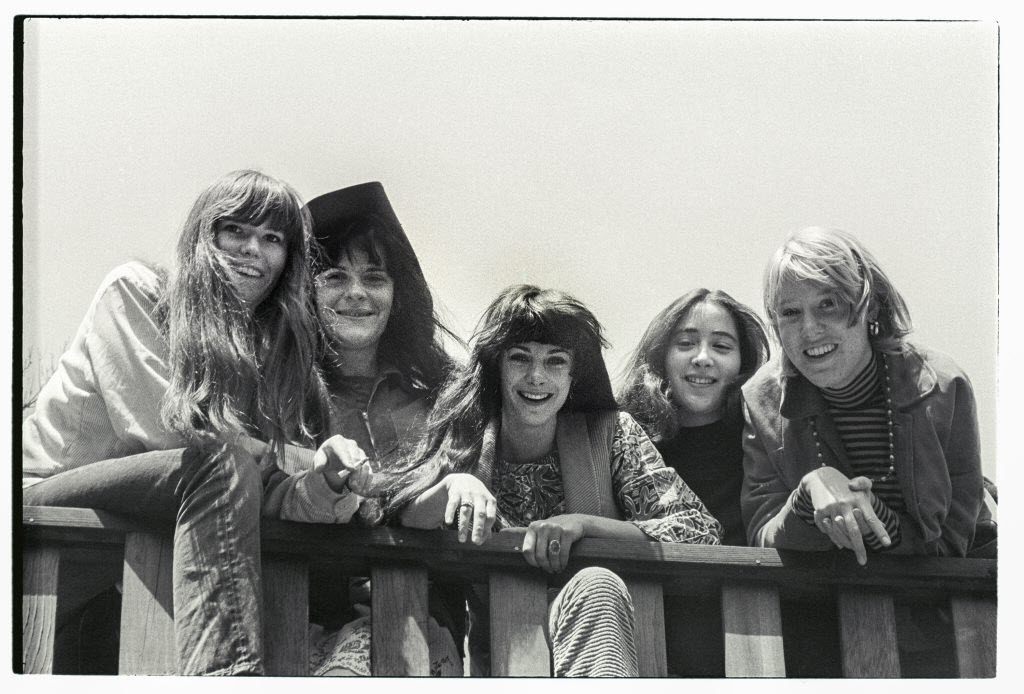
Psychedelic rock emerged in the mid-1960s, a vibrant genre that sought to replicate and enhance the mind-altering experiences of psychedelic substances through innovative soundscapes, surreal lyrics, and experimental instrumentation. This genre not only defined a musical movement but also encapsulated the cultural revolution of its time, intertwining with the counterculture, art, and philosophy of the era. With iconic bands like The Beatles, Pink Floyd, and Jefferson Airplane leading the charge, psychedelic rock pushed the boundaries of traditional music, introducing innovative techniques such as studio effects, extended instrumental solos, and unconventional song structures. The genre’s hallmark is its ability to transport listeners to otherworldly realms, making them feel as if they are embarking on a sonic journey through the mind. This article explores the top 15 most popular and influential psychedelic rock songs of all time, highlighting their significance in shaping the genre and their lasting impact on music. From the haunting echoes of “Astronomy Domine” to the colorful tapestry of “Lucy in the Sky with Diamonds,” these tracks not only showcase the creativity and experimentation of their era but also continue to resonate with new generations of listeners, inviting them to explore the depths of their imagination.
1. Riders on the Storm by The Doors
“Riders on the Storm” by The Doors stands as a quintessential track in the realm of psychedelic rock, showcasing the band’s signature fusion of haunting melodies, evocative lyrics, and moody instrumentals. Released in 1971 as part of their album “L.A. Woman”, the song captures the essence of a journey both literal and metaphorical, reflecting the turbulent emotions and existential themes that permeate the genre.
The track opens with a mesmerizing, rain-soaked piano riff, immediately setting a dreamy atmosphere. Jim Morrison’s poetic lyrics delve into themes of isolation and the human experience, inviting listeners to ponder the darker aspects of life. The eerie sound of thunder and rain enhances the song’s otherworldly vibe, immersing the audience in a sonic landscape that feels both timeless and immediate.
Musically, “Riders on the Storm” features the tight interplay between Ray Manzarek’s keyboards, Robby Krieger’s ethereal guitar lines, and John Densmore’s dynamic drumming, creating a rich tapestry of sound that captivates from start to finish. This track not only epitomizes the psychedelic rock movement of the late 1960s and early 1970s but also continues to resonate with audiences, solidifying its place as one of the genre’s greatest masterpieces.
2. Dear Mr. Fantasy by Traffic
“Dear Mr. Fantasy” by Traffic is a seminal piece in the psychedelic rock genre, renowned for its intricate musicality and profound lyrical themes. Released in 1967 on the album “Mr. Fantasy”, the song captures the essence of the late 1960s counterculture, blending elements of rock, jazz, and folk to create a unique sonic experience.
The track opens with a captivating, ethereal instrumental introduction featuring dreamy melodies played on a variety of instruments, including flute and organ, which set the stage for the lyrical journey that follows. Written by band members Steve Winwood, Jim Capaldi, and Chris Wood, the lyrics address Mr. Fantasy, a figure who embodies escapism and creativity, inviting him to share his visions and tales. This theme of yearning for connection and understanding resonates deeply with listeners, evoking a sense of nostalgia and introspection.
Musically, “Dear Mr. Fantasy” showcases Traffic’s signature improvisational style, with fluid transitions and lush harmonies that enhance the song’s dreamlike quality. The interplay between Winwood’s soulful vocals and the band’s rich instrumentation creates a hypnotic effect, making this track a timeless classic. Its enduring appeal cements “Dear Mr. Fantasy” as a hallmark of psychedelic rock and a favorite among music enthusiasts.
3. Incense and Peppermints by Strawberry Alarm Clock
“Incense and Peppermints” by Strawberry Alarm Clock is a defining anthem of the psychedelic rock era, released in 1967 as part of the album of the same name. This iconic track encapsulates the vibrant spirit of the 1960s counterculture with its lush instrumentation and surreal lyrics, creating an immersive auditory experience that transports listeners to a world of vivid colors and introspective thoughts.
The song opens with a distinctive, jangly guitar riff and an engaging harpsichord melody, establishing an otherworldly vibe that perfectly complements the dreamy lyrics. With phrases that evoke a sense of whimsy and nostalgia, the song explores themes of love, life, and the quest for meaning in a rapidly changing world. The chorus features an infectious melody, encouraging listeners to embrace the euphoric sensations of youth and freedom.
“Incense and Peppermints” also showcases the band’s ability to blend various musical elements, including pop, rock, and baroque influences, resulting in a sound that is both unique and accessible. The track became a massive hit, reaching the top of the charts and solidifying Strawberry Alarm Clock’s place in music history. Its enduring popularity makes “Incense and Peppermints” a quintessential psychedelic rock classic, celebrated for its innovative sound and evocative lyrical imagery.
4. Purple Haze by Jimi Hendrix
“Purple Haze” by Jimi Hendrix is a groundbreaking track that epitomizes the spirit of psychedelic rock and showcases Hendrix’s unparalleled musical genius. Released in 1967 as a single and later featured on the album “Are You Experienced”, the song is renowned for its innovative guitar work, vivid imagery, and powerful exploration of altered states of consciousness.
The track opens with a distinctive, swirling guitar riff that instantly captivates listeners, setting the tone for the surreal journey that follows. Hendrix’s mastery of the electric guitar is on full display, as he employs feedback, distortion, and unique effects to create an otherworldly sound. Lyrically, “Purple Haze” is steeped in ambiguity and interpretation, with references that hint at experiences of confusion and enlightenment. The recurring phrase “Purple haze all in my brain” evokes a sense of disorientation, often interpreted as a metaphor for the psychedelic experience.
Hendrix’s expressive vocals and dynamic guitar solos drive the song forward, making it a landmark moment in rock music. The fusion of blues, rock, and psychedelic elements, coupled with Hendrix’s charismatic performance, ensures “Purple Haze” remains a timeless classic. Its influence continues to resonate, cementing its status as one of the most iconic songs in the history of music.
5. Eight Miles High by The Byrds
“Eight Miles High” by The Byrds is a seminal track that embodies the essence of psychedelic rock, showcasing the band’s innovative approach to music and lyrical storytelling. Released in 1966 as part of their album “Fifth Dimension”, the song is often credited with helping to define the genre, blending folk rock elements with an experimental sound.
The track opens with a distinctive, jangly guitar riff that quickly sets a hypnotic tone, capturing the listener’s attention. Written by Gene Clark, Jim McGuinn, and David Crosby, the lyrics are inspired by the band’s experiences with air travel and the surreal, expansive feelings it evokes. The phrase “eight miles high” serves as a metaphor for transcending ordinary experiences, reflecting the psychedelic themes prevalent in the 1960s counterculture.
Musically, “Eight Miles High” features intricate guitar solos and a complex time signature, showcasing The Byrds’ signature harmonies and innovative instrumentation. The song’s layering of sounds creates a dreamlike atmosphere, enhancing its exploration of consciousness and perception. With its bold experimentation and thought-provoking lyrics, “Eight Miles High” remains a landmark in rock history, influencing countless artists and continuing to resonate with listeners today. Its blend of melody, harmony, and lyrical depth solidifies its place as one of the most important psychedelic rock songs of all time.
6. Good Vibrations by The Beach Boys
“Good Vibrations” by The Beach Boys is a landmark song in the history of popular music, renowned for its innovative production, lush harmonies, and evocative lyrics. Released in 1966 as part of the album “Smiley Smile”, this track showcases the genius of Brian Wilson, who masterminded the song’s intricate arrangement and groundbreaking studio techniques.
The song opens with a captivating theremin introduction, creating an otherworldly atmosphere that sets the stage for the euphoric experience that follows. Lyrically, “Good Vibrations” captures the essence of youthful joy and the thrill of love, describing the feelings of excitement and connection that come with experiencing “good vibrations” from another person. The chorus is an anthem of positivity, encouraging listeners to embrace the happiness that love can bring.
Musically, “Good Vibrations” features an impressive array of instruments, including strings, brass, and unconventional sound effects, which contribute to its rich texture. The seamless transitions between different sections of the song highlight Wilson’s genius in composition and production. “Good Vibrations” became a massive hit, topping charts worldwide and solidifying The Beach Boys’ place as pioneers of the psychedelic rock movement. Its enduring appeal and influence on music make it a timeless classic, celebrated for its innovative spirit and emotional depth.
7. Tomorrow Never Knows by The Beatles
“Tomorrow Never Knows” by The Beatles is a groundbreaking track that represents a pinnacle of the psychedelic rock movement, showcasing the band’s innovative spirit and artistic evolution. Released in 1966 on the album “Revolver”, the song is notable for its experimental sound and profound lyrical content, marking a significant departure from traditional pop music.
The track opens with a mesmerizing loop of droning guitars and a pulsating rhythm, instantly immersing listeners in its hypnotic atmosphere. John Lennon’s vocals are delivered with a dreamlike quality, as he sings lyrics inspired by the Tibetan Book of the Dead, exploring themes of consciousness, transcendence, and the nature of reality. The chorus, with its repetitive and meditative nature, invites listeners to contemplate the idea of letting go and embracing the unknown.
Musically, “Tomorrow Never Knows” is a masterclass in studio experimentation, utilizing tape loops, reversed sounds, and innovative production techniques that were groundbreaking for the time. The song seamlessly blends elements of rock, Indian music, and avant-garde influences, creating a rich tapestry of sound that was ahead of its time. Its bold experimentation and introspective lyrics solidify “Tomorrow Never Knows” as a landmark in rock history, continuing to inspire generations of musicians and listeners alike.
8. Somebody to Love by Jefferson Airplane
“Somebody to Love” by Jefferson Airplane is a powerful anthem that encapsulates the fervent spirit of the 1960s counterculture and the psychedelic rock movement. Released in 1967 on the album “Surrealistic Pillow”, the song showcases the band’s signature blend of rock, folk, and blues, underpinned by emotionally charged lyrics and dynamic instrumentation.
The track opens with a driving beat and a haunting melody, immediately drawing listeners into its compelling narrative. Grace Slick’s commanding vocals deliver a passionate plea for connection and understanding, reflecting the themes of love, loneliness, and existential longing that resonate throughout the song. The repeated refrain, “When the truth is found to be lies,” evokes a sense of disillusionment, resonating with the social upheaval and cultural shifts of the era.
Musically, “Somebody to Love” features lush harmonies, intricate guitar work, and a captivating arrangement that highlights the band’s versatility. The combination of Slick’s powerful delivery and the band’s cohesive sound creates an electrifying experience that captures the essence of the psychedelic era. The song became one of Jefferson Airplane’s biggest hits, solidifying their place in music history. Its enduring appeal and influence continue to resonate, making “Somebody to Love” a timeless classic that embodies the search for love and truth amidst a chaotic world.
9. Third Stone from the Sun by Jimi Hendrix
“Third Stone from the Sun” by Jimi Hendrix is a mesmerizing instrumental track that exemplifies the innovative spirit of psychedelic rock. Released in 1967 on the album “Are You Experienced”, the song showcases Hendrix’s extraordinary guitar work and his ability to blend musical genres into a cohesive, otherworldly experience.
Opening with a haunting, echoing guitar riff, “Third Stone from the Sun” immerses listeners in a sonic landscape that feels both cosmic and introspective. The track features intricate melodies and a complex structure, showcasing Hendrix’s innovative use of feedback, distortion, and various effects to create a rich tapestry of sound. The song’s instrumentation is complemented by its unique blend of jazz, rock, and blues influences, demonstrating Hendrix’s versatility as a musician.
Lyrically, the song explores themes of cosmic exploration and human existence, with a spoken word section that adds an ethereal quality to the overall experience. The refrain “The third stone from the sun” serves as a metaphor for Earth, inviting listeners to reflect on their place in the universe.
“Third Stone from the Sun” is not only a showcase of Hendrix’s guitar prowess but also a hallmark of the psychedelic rock genre. Its enduring influence and innovative sound continue to inspire musicians and captivate audiences, solidifying its status as one of the essential tracks in rock history.
10. Light My Fire by The Doors
“Light My Fire” by The Doors is an iconic track that epitomizes the essence of the 1960s psychedelic rock movement. Released in 1967 as part of their self-titled debut album, the song became a defining anthem of the era, showcasing the band’s distinctive sound and Jim Morrison’s magnetic stage presence.
The track opens with a mesmerizing organ intro played by Ray Manzarek, setting a sultry, hypnotic atmosphere that perfectly complements Morrison’s evocative lyrics. The song’s themes of desire and passion are conveyed through Morrison’s sultry vocals, inviting listeners to explore the depths of romantic longing. The chorus, with its compelling invitation to “light my fire,” has become one of the most memorable lines in rock history, symbolizing the quest for connection and intensity.
Musically, “Light My Fire” features a dynamic structure, blending rock, jazz, and blues influences. The extended instrumental break showcases Robby Krieger’s innovative guitar work and Manzarek’s intricate keyboard melodies, creating an exhilarating listening experience. The combination of these elements contributed to the song’s commercial success, making it a chart-topping hit.
“Light My Fire” remains a timeless classic, celebrated for its bold exploration of themes and its groundbreaking sound. Its enduring appeal continues to resonate with generations of music lovers, solidifying its place as one of the greatest songs in the history of rock music.
11. Strawberry Fields Forever by The Beatles
“Strawberry Fields Forever” by The Beatles is a landmark song in the psychedelic rock genre, showcasing the band’s innovative artistry and musical experimentation. Released in 1967 as a double A-side single alongside “Penny Lane,” the track is a standout from the era, blending surreal imagery, introspective lyrics, and a rich tapestry of sound.
The song opens with a haunting mellotron intro that creates an ethereal atmosphere, immediately transporting listeners into a dreamlike state. Written primarily by John Lennon, the lyrics reflect his childhood memories and the theme of escapism, invoking a sense of nostalgia and contemplation. The phrase “Strawberry Fields” refers to a Salvation Army children’s home near Lennon’s childhood home in Liverpool, symbolizing a place of refuge and tranquility amidst the chaos of life.
Musically, “Strawberry Fields Forever” is notable for its complex structure and innovative production techniques. The song seamlessly transitions between different sections, incorporating various instruments, including strings, brass, and reversed tape effects, creating a lush, multi-layered sound. The juxtaposition of dreamy melodies and introspective lyrics showcases the band’s artistic growth during this period.
“Strawberry Fields Forever” remains one of The Beatles’ most celebrated tracks, revered for its bold experimentation and emotional depth. Its enduring impact on music continues to inspire artists and listeners, solidifying its status as a timeless classic in the pantheon of rock history.
12. In-A-Gadda-Da-Vida by Iron Butterfly
“In-A-Gadda-Da-Vida” by Iron Butterfly is a monumental track that epitomizes the psychedelic rock era, renowned for its extended format and groundbreaking sound. Released in 1968 as part of the album of the same name, the song became an anthem of the late 1960s, celebrated for its hypnotic rhythms and mesmerizing guitar work.
The track opens with a distinctive, droning organ riff, immediately establishing a trance-like atmosphere that draws listeners into its world. The title, a slurred version of “In the Garden of Eden,” hints at themes of love and spirituality, while the lyrics convey a sense of longing and emotional depth. Vocalist Doug Ingle’s haunting delivery adds to the song’s mystique, inviting listeners to embark on a surreal journey.
Musically, “In-A-Gadda-Da-Vida” is notable for its extended instrumental sections, featuring powerful guitar solos by Eric Brann and intricate drumming by Ron Bushy. The song’s length—over 17 minutes in its album version—allows for dynamic improvisation and exploration of sound, making it a favorite in live performances and a hallmark of psychedelic music.
The track’s blend of rock, blues, and experimental elements contributed to its immense popularity, solidifying Iron Butterfly’s place in music history. “In-A-Gadda-Da-Vida” remains a quintessential psychedelic rock classic, revered for its innovative approach and enduring appeal, influencing countless artists and genres over the decades.
13. White Rabbit by Jefferson Airplane
“White Rabbit” by Jefferson Airplane is a seminal track that captures the spirit of the psychedelic rock movement and the cultural upheaval of the 1960s. Released in 1967 on the album “Surrealistic Pillow”, the song is notable for its haunting melodies, provocative lyrics, and evocative imagery that draws inspiration from Lewis Carroll’s “Alice’s Adventures in Wonderland”.
The song opens with a distinctive, slow-building orchestration, featuring a prominent bass line and Grace Slick’s ethereal vocals. Her delivery is both captivating and hypnotic, conveying a sense of urgency and mystery as she explores themes of exploration and self-discovery. The lyrics serve as a metaphor for the journey into altered states of consciousness, with lines referencing the iconic white rabbit and other fantastical elements, inviting listeners to embrace the psychedelic experience.
Musically, “White Rabbit” showcases Jefferson Airplane’s signature sound, blending folk rock with blues and jazz influences. The song’s structure builds tension, culminating in a powerful climax that mirrors the emotional journey of its lyrics. The use of dynamics and instrumentation, including strings and percussion, enhances the dreamlike quality of the track.
“White Rabbit” became an anthem for the counterculture movement, resonating with a generation seeking new experiences and liberation. Its enduring appeal and impact on music and culture solidify its status as one of the most iconic psychedelic rock songs of all time, continuing to inspire artists and listeners alike.
14. Lucy in the Sky with Diamonds by The Beatles
“Lucy in the Sky with Diamonds” by The Beatles is a hallmark of psychedelic rock, renowned for its whimsical imagery and innovative sound. Released in 1967 on the album “Sgt. Pepper’s Lonely Hearts Club Band”, the song captures the essence of the era, blending surreal lyrics with an enchanting musical arrangement.
The track opens with a dreamy introduction featuring a distinctive electric piano and a lush orchestral backdrop, immediately immersing listeners in a fantastical world. Written primarily by John Lennon, the lyrics evoke a sense of childlike wonder, describing a vivid landscape filled with fantastical characters and surreal scenes. The song’s title has often been associated with the psychedelic experience, though Lennon insisted it was inspired by a drawing made by his son, Julian.
Musically, “Lucy in the Sky with Diamonds” showcases The Beatles’ innovative approach to songwriting and production. The song features a unique structure with shifts in tempo and key, complemented by intricate harmonies and a rich tapestry of sound. The interplay between Lennon’s lead vocals and the backing harmonies adds depth to the dreamy atmosphere.
“Lucy in the Sky with Diamonds” became an enduring classic, symbolizing the psychedelic movement and The Beatles’ artistic evolution. Its imaginative lyrics and groundbreaking sound continue to resonate with audiences, making it one of the most iconic and beloved songs in music history.
15. Purple Haze by The Jimi Hendrix Experience
“Purple Haze” by The Jimi Hendrix Experience is a quintessential psychedelic rock anthem that exemplifies Hendrix’s innovative artistry and groundbreaking guitar work. Released in 1967 as part of the album “Are You Experienced”, the song quickly became one of Hendrix’s signature tracks and a defining moment in rock history.
The song opens with an instantly recognizable, swirling guitar riff that sets the tone for its hypnotic exploration of altered states of consciousness. Hendrix’s use of feedback and distortion creates an otherworldly sound, drawing listeners into a sonic landscape that reflects the song’s themes of confusion and enlightenment. Lyrically, “Purple Haze” is often interpreted as a metaphor for the psychedelic experience, with lines that evoke feelings of disorientation and transcendence, famously beginning with the line “Purple haze all in my brain.”
Hendrix’s powerful vocals, combined with his dynamic guitar solos, showcase his unparalleled talent and expressive style. The track’s innovative structure features shifts in tempo and intensity, culminating in exhilarating instrumental sections that highlight the band’s musical prowess.
“Purple Haze” became a cultural touchstone of the 1960s, resonating with the youth of the era and solidifying Hendrix’s status as a rock legend. Its lasting influence and iconic status ensure that “Purple Haze” remains a timeless classic, celebrated for its artistic innovation and emotional depth.

Samuel Moore is a frequent contributor to Singers Room. Since 2005, Singersroom has been the voice of R&B around the world. Connect with us via social media below.









