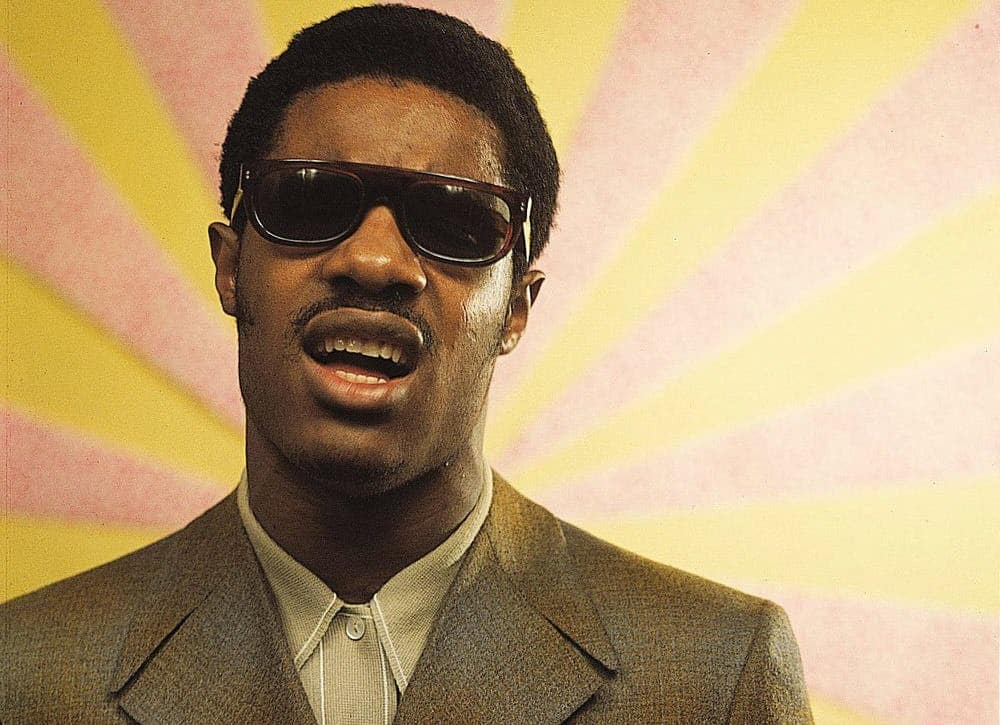
Motown, the legendary record label founded by Berry Gordy Jr. in 1959, revolutionized the music industry and introduced a distinct sound that resonated with millions. Known for its infectious melodies, smooth harmonies, and soulful rhythms, Motown produced some of the most memorable songs in music history, earning a special place in the hearts of fans across generations. This rich catalog features iconic artists like The Supremes, Marvin Gaye, Stevie Wonder, and The Temptations, whose tracks continue to influence artists and delight listeners today. In this article, we celebrate the top 15 best Motown songs of all time, exploring the cultural impact and enduring legacy of these timeless classics. From the soulful ballads that capture the essence of love and heartbreak to the upbeat anthems that inspire joy and dance, these songs reflect the diverse experiences of life while showcasing the unparalleled artistry that defines Motown. Join us as we take a journey through the melodic history of one of music’s most cherished labels, highlighting the unforgettable tunes that have shaped popular music and remain beloved across the world. Whether you’re a long-time fan or new to the Motown sound, this list is sure to evoke nostalgia and appreciation for these legendary tracks.
1. What’s Going On by Marvin Gaye
“What’s Going On” by Marvin Gaye is not just a song; it’s a powerful anthem that encapsulates the social and political turbulence of the early 1970s. Released in 1971, this Motown classic marked a significant departure from the label’s typical focus on love songs and upbeat tracks. Instead, Marvin Gaye, deeply moved by the issues of the time, including the Vietnam War, civil rights struggles, and environmental concerns, created a piece that blended soul, jazz, and gospel to address these pressing topics.
The song’s smooth, haunting melody is underscored by Gaye’s silky, emotive vocals, which convey both a sense of sorrow and a call for unity. The lyrics, written as a conversation between brothers, resonate with a plea for peace and understanding in a world riddled with chaos and confusion. “What’s Going On” challenged the boundaries of what popular music could achieve, pushing Motown to embrace more socially conscious themes.
This track not only became a chart-topping hit but also a timeless symbol of the fight for justice and compassion. Decades later, “What’s Going On” continues to inspire and provoke thought, making it one of the most iconic and influential songs in Motown’s rich history.
2. Signed, Sealed, Delivered I’m Yours by Stevie Wonder
“Signed, Sealed, Delivered I’m Yours” by Stevie Wonder is a vibrant and soulful declaration of love that has become one of Motown’s most enduring hits. Released in 1970, this song marked a significant moment in Stevie Wonder’s career, as it was the first track he produced on his own, showcasing his growing artistic independence and vision. The song’s infectious energy, driven by a lively blend of horns, strings, and an upbeat rhythm, perfectly complements Wonder’s dynamic and passionate vocals.
The lyrics tell a story of a man who has made mistakes in love but is now committed to making things right. His declaration of devotion is captured in the catchy chorus, “Signed, sealed, delivered, I’m yours,” which has since become a phrase synonymous with commitment and determination. The song’s upbeat tempo and joyful spirit reflect a sense of triumph and resolution, making it a favorite for celebrations and anthems of perseverance.
“Signed, Sealed, Delivered I’m Yours” quickly became a hit, reaching the top of the charts and earning multiple Grammy nominations. Its timeless appeal has kept it popular across generations, and it remains a staple of Stevie Wonder’s legendary repertoire, embodying the exuberance and soulfulness that define Motown music.
3. Where Did Our Love Go by The Supremes
“Where Did Our Love Go” by The Supremes is a quintessential Motown classic that helped define the sound of the 1960s. Released in 1964, this song was the breakthrough hit for The Supremes, catapulting them to international stardom and establishing them as one of the most successful girl groups of all time. Written and produced by the legendary Motown team of Holland-Dozier-Holland, the song is a perfect blend of pop and soul, with its catchy melody, driving beat, and Diana Ross’s smooth, plaintive lead vocals.
The lyrics of “Where Did Our Love Go” express the heartbreak and confusion of a love that has suddenly faded. The repetition of the title phrase and the “baby, baby” chorus creates an infectious hook that is instantly recognizable. The song’s minimalist arrangement, featuring stomping footbeats and a prominent tambourine, highlights the emotional depth of the lyrics while maintaining an irresistible groove.
“Where Did Our Love Go” quickly climbed to the top of the charts, becoming the first of five consecutive number-one hits for The Supremes. Its success marked a pivotal moment for Motown Records, solidifying its place as a powerhouse in the music industry. Decades later, the song remains a timeless piece of pop history.
4. I Heard It Through the Grapevine by Marvin Gaye
“I Heard It Through the Grapevine” by Marvin Gaye is one of Motown’s most iconic and emotionally charged songs. Released in 1968, the track showcases Gaye’s soulful voice as he delivers a haunting tale of betrayal and heartbreak. Originally recorded by other artists, including Gladys Knight & the Pips, it was Marvin Gaye’s version that became the definitive hit, transforming the song into a classic.
The song’s powerful opening, with its ominous bassline and orchestral strings, immediately sets a tense and dramatic tone. Marvin Gaye’s vocal performance, filled with pain and intensity, conveys the shock and hurt of discovering a lover’s infidelity through rumors. The lyrics, “I heard it through the grapevine,” capture the agony of learning about the betrayal secondhand, emphasizing the theme of mistrust and suspicion.
“I Heard It Through the Grapevine” topped the charts for several weeks and became one of the best-selling Motown singles of all time. The song’s raw emotion, combined with its sophisticated production, made it a groundbreaking moment in soul music. It remains one of Marvin Gaye’s most celebrated performances, embodying the deep emotional resonance and artistry that Motown brought to the forefront of popular music.
5. Reach Out I’ll Be There by Four Tops
“Reach Out I’ll Be There” by the Four Tops is a powerful anthem of support and reassurance, showcasing the soulful energy that defines Motown’s golden era. Released in 1966, the song became one of the Four Tops’ most successful hits, solidifying their place as one of Motown’s premier vocal groups. Written and produced by the legendary team of Holland-Dozier-Holland, the song is a masterful blend of rhythm and blues, pop, and soul, featuring a dramatic arrangement that perfectly complements the emotional intensity of the lyrics.
Lead singer Levi Stubbs delivers a passionate and urgent performance, his voice full of conviction as he promises to be there in times of despair and loneliness. The lyrics convey a message of unwavering support, with the repeated refrain, “Reach out, I’ll be there,” offering comfort and hope. The song’s driving beat, orchestral strings, and dynamic shifts in tempo create a sense of urgency and emotional depth, making it both a danceable track and a heartfelt ballad.
“Reach Out I’ll Be There” quickly topped the charts, becoming a number-one hit in the United States and the United Kingdom. Its universal message of comfort and solidarity has ensured its enduring popularity, making it one of Motown’s most beloved and influential songs.
6. I Want You Back by The Jackson 5
“I Want You Back” by The Jackson 5 is a jubilant, infectious pop-soul track that marked the beginning of one of Motown’s most successful acts. Released in 1969, this song was the debut single of The Jackson 5, featuring a young Michael Jackson on lead vocals. The track became an instant sensation, introducing the world to the group’s youthful energy, tight harmonies, and Michael’s extraordinary talent, even at just 11 years old.
The song’s upbeat tempo, driven by a funky bassline, vibrant piano riffs, and dynamic strings, creates a sound that is both fun and danceable. Lyrically, “I Want You Back” tells the story of a boy who regrets losing his first love and is determined to win her back. Michael Jackson’s exuberant vocal delivery captures the urgency and sincerity of the lyrics, making the song relatable and endearing.
Produced by the Motown songwriting and production team known as “The Corporation,” the track’s polished yet lively sound became a blueprint for the Jackson 5’s future hits. “I Want You Back” quickly climbed to the top of the charts, becoming the first of four consecutive number-one hits for the group. Its timeless appeal continues to resonate with audiences, solidifying its place as one of Motown’s most iconic songs.
7. You Keep Me Hangin’ On by The Supremes
“You Keep Me Hangin’ On” by The Supremes is a dynamic and emotionally charged song that captures the pain of a love that won’t let go. Released in 1966, this track became one of the group’s most memorable hits, showcasing the distinctive blend of pop and soul that made The Supremes one of Motown’s biggest acts. Written and produced by the powerhouse trio Holland-Dozier-Holland, the song stands out for its innovative production and heartfelt lyrics.
The song’s opening with its urgent, Morse code-like guitar riff immediately grabs the listener’s attention, setting a tense and dramatic tone. Diana Ross’s lead vocals convey a sense of frustration and desperation as she sings about the agony of being strung along in a relationship that has lost its love but not its grip. The lyrics express a desire to break free from emotional turmoil, resonating with anyone who has experienced the pain of an unending breakup.
“You Keep Me Hangin’ On” topped the charts, becoming another number-one hit for The Supremes. The song’s powerful message and memorable melody have led to numerous covers across genres, further cementing its status as a Motown classic. Its enduring appeal continues to make it a favorite among fans of 1960s music and beyond.
8. Baby Love by The Supremes
“Baby Love” by The Supremes is a sweet, timeless anthem of young love that became one of Motown’s most iconic hits. Released in 1964, the song was the second of five consecutive number-one singles for The Supremes, solidifying their status as Motown’s premier girl group and one of the biggest musical acts of the 1960s. Written and produced by the legendary Holland-Dozier-Holland team, “Baby Love” exemplifies the polished, catchy sound that came to define the Motown label.
The song features a light, infectious melody paired with a gentle, swinging rhythm that perfectly complements the tender and affectionate lyrics. Diana Ross’s soft and emotive lead vocals convey a sense of longing and devotion, as she sings about the pain of losing a lover and her desire to rekindle the romance. The background harmonies provided by Florence Ballard and Mary Wilson add to the song’s warm, comforting feel.
“Baby Love” quickly topped the charts, not only in the United States but also internationally, becoming one of the most successful singles of the 1960s. Its universal theme of love, combined with its memorable melody, has made it an enduring favorite, capturing the essence of the youthful, optimistic spirit that Motown brought to pop music.
9. I’ll Be There by The Jackson 5
“I’ll Be There” by The Jackson 5 is a heartfelt ballad that showcases the group’s versatility and emotional depth, contrasting with the upbeat, danceable hits they were known for. Released in 1970, this song became the fourth consecutive number-one single for The Jackson 5, cementing their status as one of Motown’s most successful acts. The track features a young Michael Jackson and his brother Jermaine sharing lead vocals, delivering a performance that is both tender and powerful.
The song’s lyrics express a promise of unwavering support and love, making it a timeless anthem of commitment and loyalty. The gentle piano intro and lush orchestration provide a soft, melodic backdrop that highlights the sincerity of the lyrics. Michael Jackson’s pure, emotive voice, paired with Jermaine’s warmer tones, creates a beautiful harmony that captures the song’s essence of comfort and reassurance.
“I’ll Be There” was a significant departure from the group’s previous hits, showing their ability to convey deep emotion and connect with listeners on a more intimate level. The song became Motown’s best-selling single at the time and remains one of The Jackson 5’s most beloved tracks. Its universal message of love and support continues to resonate, making “I’ll Be There” an enduring classic in the Motown legacy.
10. Dancing in the Street by Martha and the Vandellas
“Dancing in the Street” by Martha and the Vandellas is a vibrant and powerful anthem that became one of the most enduring hits of the 1960s. Released in 1964, the song is a perfect blend of Motown’s signature upbeat sound and a message of unity and celebration. Written by the legendary songwriting team of Marvin Gaye, William “Mickey” Stevenson, and Ivy Jo Hunter, “Dancing in the Street” captures the energy and spirit of the civil rights era, making it not just a party song but also a rallying cry for social change.
The song’s driving beat, brassy horns, and infectious melody create an irresistible groove that invites listeners to get up and move. Martha Reeves’s powerful and soulful vocals lead the charge, as she sings about people coming together from all over the world to “dance in the street.” The lyrics emphasize the joy of community and the power of music to bring people together, transcending social and racial barriers.
“Dancing in the Street” quickly became a hit, reaching the top of the charts and becoming an anthem of both celebration and protest. Its infectious rhythm and empowering message have made it a timeless classic, covered by numerous artists and embraced by generations. The song remains a symbol of the hopeful and transformative spirit of the 1960s, firmly cementing its place in Motown’s rich musical legacy.
11. You Can’t Hurry Love by The Supremes
“You Can’t Hurry Love” by The Supremes is a classic Motown hit that encapsulates the essence of the group’s sound and the era’s pop sensibilities. Released in 1966, this song became one of The Supremes’ most successful singles, showcasing their distinctive style and the production genius of Holland-Dozier-Holland. The track is renowned for its catchy melody, upbeat tempo, and a message that resonates with the timeless theme of love and patience.
The song’s infectious rhythm is driven by a steady, upbeat tempo, punctuated by a driving tambourine and lush orchestration that create an irresistible groove. Diana Ross’s lead vocals are vibrant and confident, delivering the song’s message with both charm and sincerity. The lyrics express the sentiment that true love requires time and patience, encapsulated in the chorus, “You can’t hurry love, no, you’ll just have to wait.”
“You Can’t Hurry Love” was a commercial success, reaching number one on the Billboard Hot 100 and becoming one of The Supremes’ signature songs. Its upbeat tempo and universal message of waiting for true love have helped it remain a beloved classic, frequently covered and celebrated for its enduring appeal and its role in defining the Motown sound.
12. Stop! In the Name of Love by The Supremes
“Stop! In the Name of Love” by The Supremes is a quintessential Motown hit that showcases the group’s iconic sound and Diana Ross’s commanding presence. Released in 1965, this song became one of The Supremes’ biggest hits, solidifying their place as one of Motown’s most successful and influential acts. Written and produced by the powerhouse team of Holland-Dozier-Holland, the track is a perfect blend of pop, soul, and dramatic flair.
The song’s memorable introduction features a distinctive, catchy beat and a striking vocal arrangement that immediately grabs the listener’s attention. Diana Ross’s lead vocals are filled with urgency and emotion as she pleads with her lover to reconsider their actions before it’s too late. The lyrics, “Stop! In the name of love, before you break my heart,” convey a powerful message of heartbreak and plea for reconciliation.
“Stop! In the Name of Love” topped the charts, becoming a number-one hit and one of The Supremes’ most enduring songs. Its blend of emotional depth, catchy melody, and dramatic delivery has made it a timeless classic, frequently covered and celebrated for its iconic place in the Motown legacy. The song remains a standout example of The Supremes’ ability to combine heartfelt lyrics with unforgettable pop-soul melodies.
13. My Girl by The Temptations
“My Girl” by The Temptations is a quintessential Motown classic that remains one of the most beloved songs of the 1960s. Released in 1964, the track is a perfect example of the smooth, soulful sound that defined Motown’s golden era. Written by Smokey Robinson and Ronald White, and produced by Robinson, “My Girl” showcases The Temptations’ signature harmonies and the iconic lead vocals of David Ruffin.
The song’s opening features a distinctive bass line, followed by a lush orchestral arrangement that sets a warm, nostalgic tone. David Ruffin’s lead vocals are both tender and expressive, conveying the joy and devotion of a man in love. The lyrics, “I’ve got sunshine on a cloudy day,” capture the essence of feeling uplifted and elated by the presence of a loved one.
“My Girl” quickly became a number-one hit on the Billboard Hot 100 and has since become one of The Temptations’ most enduring songs. Its infectious melody, heartfelt lyrics, and sophisticated production have made it a timeless favorite, frequently covered and celebrated as one of Motown’s most iconic tracks. The song continues to resonate with audiences of all ages, embodying the classic sound and emotional depth that define Motown’s legacy.
14. Ain’t No Mountain High Enough by Marvin Gaye and Tammi Terrell
“Ain’t No Mountain High Enough” by Marvin Gaye and Tammi Terrell is a powerful and uplifting duet that stands as one of Motown’s most iconic and enduring songs. Released in 1967, this track is a prime example of the soulful chemistry between Gaye and Terrell, showcasing their dynamic vocal interplay and the song’s universal message of unwavering support and love.
Written by Nickolas Ashford and Valerie Simpson, the song features a driving beat, exuberant brass, and a memorable melody that perfectly complements the passionate vocal performances. The lyrics convey a message of commitment and reassurance, with lines like “Ain’t no mountain high enough, ain’t no valley low enough” emphasizing the lengths to which the singers will go to support each other.
Marvin Gaye and Tammi Terrell’s vocal chemistry is palpable, as their voices blend seamlessly, creating a sense of joy and optimism. The song’s arrangement, with its uplifting tempo and orchestral backing, adds to its sense of grandeur and emotion.
“Ain’t No Mountain High Enough” became a major hit, reaching number one on the Billboard Hot 100 and becoming a defining song of the 1960s. Its timeless message and infectious energy have ensured its continued popularity, making it a staple of Motown’s illustrious catalog and a beloved classic that continues to inspire listeners.
15. I Heard It Through the Grapevine by Marvin Gaye
“I Heard It Through the Grapevine” by Marvin Gaye is a landmark Motown classic that remains a quintessential example of soul music’s emotional depth and sophistication. Released in 1968, this song became one of Gaye’s most defining hits, showcasing his powerful vocal delivery and the song’s dramatic, soul-stirring narrative.
Written by Norman Whitfield and Barrett Strong, and produced by Whitfield, the song features a compelling, brooding bass line and a lush, orchestral arrangement that perfectly sets the stage for Gaye’s emotional performance. The lyrics tell the story of a man who learns about his lover’s infidelity through rumors, capturing the sting of betrayal and the turmoil of discovering a partner’s deceit through secondhand sources.
Marvin Gaye’s rendition of “I Heard It Through the Grapevine” is marked by its intense emotionality and the depth of his vocal expression. His performance, combined with the song’s moody instrumentation, creates a powerful atmosphere of heartbreak and disillusionment.
The track topped the charts for seven weeks, becoming one of Motown’s best-selling singles of all time. Its influence is seen in its numerous covers and its lasting presence in popular culture. The song’s raw emotion and Gaye’s masterful interpretation have solidified “I Heard It Through the Grapevine” as a timeless classic and a cornerstone of Motown’s legacy.

Samuel Moore is a frequent contributor to Singers Room. Since 2005, Singersroom has been the voice of R&B around the world. Connect with us via social media below.









