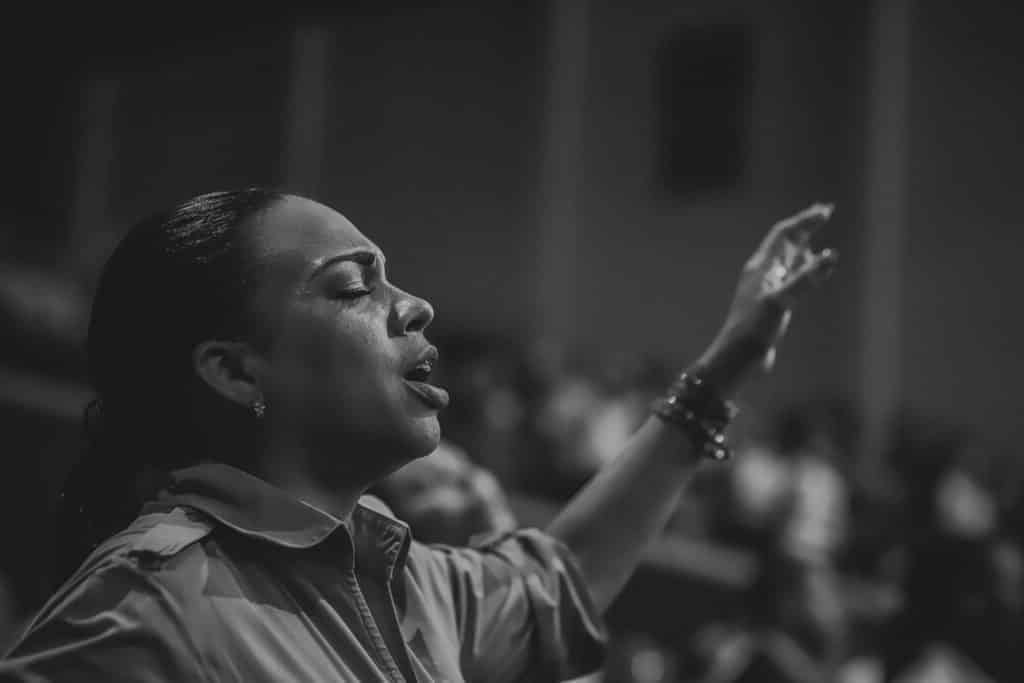
Gospel music has a rich and profound history that spans decades, touching the hearts and souls of listeners worldwide. Rooted in African American spirituals, hymns, and the sacred traditions of the church, gospel songs have served as a source of inspiration, comfort, and hope for countless individuals. Over the years, the genre has evolved, blending elements of blues, jazz, and R&B, while maintaining its deep spiritual foundation. The most iconic gospel songs have transcended religious boundaries, becoming cultural anthems that resonate with people of all backgrounds. From the soul-stirring melodies of Mahalia Jackson to the powerful harmonies of The Clark Sisters, gospel music continues to uplift and empower. This article celebrates the top 15 best gospel songs of all time, highlighting timeless classics that have left an indelible mark on the genre. Whether you’re a lifelong fan of gospel music or new to its transformative power, these songs offer a glimpse into the spiritual depth and artistic brilliance that define gospel music. From joyous praise to heartfelt worship, these tracks capture the essence of faith, making them essential listening for anyone seeking inspiration and solace.
1. When the Saints Go Marching In
“When the Saints Go Marching In” is a timeless gospel classic that has resonated across generations with its powerful melody and inspiring lyrics. Originally popularized in the 19th century, this song’s roots trace back to traditional spirituals and hymnals, embodying the essence of joyous anticipation and spiritual triumph. Often associated with New Orleans and its vibrant jazz scene, “When the Saints Go Marching In” has been embraced by various artists and genres, from Louis Armstrong’s swinging jazz interpretation to soulful gospel renditions.
The song’s lyrics, celebrating the arrival of the saints in the afterlife, are deeply rooted in Christian eschatology, providing both comfort and a call to spiritual aspiration. Its infectious rhythm and repetitive chorus make it a favorite in church services, parades, and celebrations, symbolizing a jubilant expectation of eternal life.
Despite its many adaptations, the essence of “When the Saints Go Marching In” remains unchanged—a powerful reminder of faith, hope, and the ultimate promise of salvation. Its enduring popularity is a testament to its ability to connect with audiences on a profound level, bridging cultural and generational gaps through its heartfelt message and uplifting melody.
2. Amazing Grace by John Newton
“Amazing Grace”, penned by John Newton in 1772, is one of the most beloved and enduring hymns in the gospel tradition. Born out of Newton’s personal journey from a life of sin to a profound conversion, the hymn eloquently expresses themes of redemption, forgiveness, and divine grace. Newton, a former slave trader who turned to Christianity, wrote the lyrics as a reflection on his own transformation and the boundless nature of God’s grace.
The hymn’s simple yet powerful melody, often associated with the traditional tune “New Britain,” has been embraced across various musical styles and cultures. Its verses narrate a powerful story of deliverance and renewal, beginning with the iconic lines, “Amazing grace, how sweet the sound, that saved a wretch like me.” This opening line has become synonymous with the hymn’s message of unmerited favor and spiritual rebirth.
Over the centuries, “Amazing Grace” has been performed by countless artists and has found its place in numerous settings—from solemn church services to jubilant celebrations. Its timeless appeal lies in its profound message of hope and redemption, making it a cornerstone of gospel music and an anthem for those seeking solace and inspiration.
3. How Great Thou Art by Stuart K. Hine
“How Great Thou Art”, translated and popularized by Stuart K. Hine in the 1940s, is a revered hymn that captures the majesty and grandeur of God’s creation and divine power. Originally based on a Swedish poem written by Carl Boberg in 1885, Hine’s adaptation expanded the hymn’s reach and impact, turning it into a global anthem of praise and worship.
The hymn’s lyrics reflect on the beauty of the natural world and the awe-inspiring nature of God’s presence. The opening verse marvels at the wonders of creation, while the subsequent verses delve into themes of redemption, divine sacrifice, and the promise of eternal life. The refrain, “Then sings my soul, my Savior God, to Thee, How great Thou art! How great Thou art!” encapsulates the hymn’s essence—an expression of profound adoration and reverence.
“How Great Thou Art” has been embraced by various Christian denominations and musical traditions, often performed in both traditional church settings and contemporary worship services. Its powerful melody and uplifting message continue to inspire worshippers around the world, making it a timeless testament to the greatness of God and His creation.
4. Precious Lord, Take My Hand by Thomas A. Dorsey
“Precious Lord, Take My Hand”, composed by Thomas A. Dorsey in 1932, is a cornerstone of gospel music known for its profound emotional depth and soothing comfort. Dorsey, a prolific gospel songwriter often referred to as the “Father of Gospel Music,” penned this hymn during a personal period of grief, following the tragic loss of his wife and child. The hymn emerged as a heartfelt plea for divine guidance and solace during times of hardship.
The lyrics of “Precious Lord, Take My Hand” express a deep yearning for God’s support and strength in the midst of life’s struggles. The hymn’s opening lines, “Precious Lord, take my hand, lead me on, let me stand,” set the tone for a journey of faith and reliance on divine providence. The subsequent verses offer a poignant narrative of perseverance and trust in God’s grace, resonating with anyone facing trials or seeking reassurance.
The hymn’s simple, yet evocative melody has been widely embraced across gospel and secular music, performed by renowned artists like Mahalia Jackson and Elvis Presley. Its enduring popularity lies in its ability to provide comfort and hope, making it a beloved anthem for many seeking spiritual solace and connection.
5. Oh Happy Day by Edwin Hawkins
“Oh Happy Day”, written and performed by Edwin Hawkins in 1967, is a groundbreaking gospel song that has left a significant mark on both the gospel and mainstream music scenes. This uplifting hymn, which became a major hit, is celebrated for its joyful celebration of salvation and personal transformation.
The song’s infectious rhythm and jubilant melody reflect the exuberance of a newfound faith, capturing the essence of spiritual rebirth with the opening lines, “Oh happy day that fixed my choice on Thee, my Savior and my God.” Edwin Hawkins’ arrangement, featuring a vibrant choir and a blend of traditional gospel with contemporary elements, brought a fresh sound to gospel music, helping it cross over to secular audiences.
“Oh Happy Day” gained widespread acclaim after its release, topping the charts and earning numerous accolades. Its blend of gospel fervor and pop appeal made it accessible to a broader audience, influencing many artists and contributing to the genre’s evolution. The song’s enduring popularity is a testament to its powerful message of joy and redemption, resonating with listeners across different backgrounds and musical tastes.
6. His Eye is on the Sparrow by Civilla D. Martin and Charles H. Gabriel
“His Eye Is on the Sparrow”, written by Civilla D. Martin and Charles H. Gabriel in 1905, is a cherished gospel hymn renowned for its comforting message and soothing melody. Inspired by Martin’s personal experience of overcoming hardship and loss, the hymn reflects a deep trust in God’s constant care and watchfulness.
The lyrics, “Why should I feel discouraged, why should the shadows come? Why should my heart be lonely and long for heaven and home?” address the universal feelings of doubt and despair, offering reassurance through faith. The hymn’s central message, conveyed in the refrain, “I sing because I’m happy, I sing because I’m free, for His eye is on the sparrow, and I know He watches me,” emphasizes the belief in divine oversight and personal comfort.
“His Eye Is on the Sparrow” has been embraced by many artists and continues to be a favorite in worship services and personal devotion. Its gentle melody, combined with its profound message of divine care and assurance, makes it a timeless piece in the gospel music repertoire, offering solace and inspiration to countless listeners.
7. Great Is Thy Faithfulness by Thomas O. Chisholm and William M. Runyan
“Great Is Thy Faithfulness”, written by Thomas O. Chisholm and set to music by William M. Runyan in 1923, is a powerful hymn renowned for its celebration of God’s unwavering faithfulness and providence. Chisholm, inspired by his own experiences and reflections on God’s steadfastness, crafted lyrics that articulate a deep sense of gratitude and trust.
The hymn’s opening verse, “Great is Thy faithfulness, O God my Father, there is no shadow of turning with Thee,” sets a tone of reverent awe, acknowledging God’s constancy and unchanging nature. The subsequent verses reflect on God’s enduring mercy, daily provision, and the hope of renewal with each passing day. The refrain, “Great is Thy faithfulness,” reinforces the hymn’s central theme, celebrating divine reliability and grace.
“Great Is Thy Faithfulness” has resonated with congregations worldwide due to its simple, yet profound message and its soothing melody. It has been performed by various artists across different musical styles, maintaining its place as a beloved anthem in Christian worship. The hymn’s enduring appeal lies in its ability to provide comfort and inspire confidence in God’s continuous presence and care.
8. It Is Well with My Soul by Horatio G. Spafford and Philip P. Bliss
“It Is Well with My Soul”, penned by Horatio G. Spafford in 1873 and set to music by Philip P. Bliss, is a deeply moving hymn that embodies profound faith and resilience in the face of adversity. Spafford, a prominent Chicago lawyer and Christian, wrote the lyrics after experiencing a series of personal tragedies, including the loss of his four daughters in a shipwreck.
The hymn’s opening verse, “When peace like a river, attendeth my way, when sorrows like sea billows roll; Whatever my lot, Thou hast taught me to say, It is well, it is well with my soul,” reflects a remarkable sense of peace and acceptance despite intense suffering. The refrain, “It is well, it is well with my soul,” serves as a powerful affirmation of faith and trust in God’s goodness, even amidst life’s most challenging circumstances.
“It Is Well with My Soul” has been cherished for its ability to provide comfort and hope, resonating with those who face trials and tribulations. Its poignant message and moving melody have made it a staple in hymnals and worship services, continuing to inspire and uplift believers around the world.
9. Go Tell It on the Mountain
“Go Tell It on the Mountain” is a classic African American spiritual that has become a staple in gospel music, known for its vibrant call to share the message of Christ’s birth. Rooted in the African American oral tradition and originally published in the 19th century, the song celebrates the nativity of Jesus with exuberant joy and a strong sense of mission.
The hymn’s lyrics convey a powerful message of evangelism and celebration. The chorus, “Go tell it on the mountain, over the hills and everywhere; Go tell it on the mountain that Jesus Christ is born,” underscores the urgency and excitement of spreading the good news of Jesus’ birth to all corners of the earth. The verses recount the nativity story, emphasizing the significance of Christ’s arrival and the role of ordinary people in sharing this profound message.
“Go Tell It on the Mountain” has been embraced across various musical genres and settings, from traditional church services to modern gospel and pop performances. Its infectious rhythm, spirited melody, and uplifting message have made it a beloved hymn, especially during the Christmas season, inspiring believers to actively share their faith and celebrate the joyous occasion of Christ’s birth.
10. Swing Low, Sweet Chariot
“Swing Low, Sweet Chariot” is a powerful and evocative African American spiritual that has deeply resonated through generations with its profound themes of deliverance and hope. Believed to have been composed in the 19th century, this hymn reflects the experiences and aspirations of African Americans during a time of slavery and struggle, symbolizing the yearning for freedom and a better life.
The song’s poignant lyrics, including the iconic refrain “Swing low, sweet chariot, coming for to carry me home,” evoke imagery of a heavenly chariot coming to transport the faithful to eternal rest and salvation. The verses speak of longing for deliverance from earthly suffering and a hopeful anticipation of divine intervention. This spiritual’s rich symbolism and emotional depth have made it a powerful expression of faith and resilience.
“Swing Low, Sweet Chariot” has been embraced across various musical traditions and continues to be a beloved hymn in both church services and popular culture. Its haunting melody and heartfelt message capture a universal longing for peace and redemption, making it a timeless anthem of hope and deliverance.
11. Nobody Knows the Trouble I’ve Seen
“Nobody Knows the Trouble I’ve Seen” is one of the most iconic and enduring spirituals in gospel music history. Originating in the African American spiritual tradition, this song has been passed down through generations, resonating with themes of suffering, resilience, and hope. Its roots trace back to the era of slavery in the United States, where it served as both a lament and a source of solace for enslaved African Americans.
The song’s haunting melody and poignant lyrics reflect the deep pain and struggles faced by those who sang it, yet also convey a profound sense of faith and endurance. Over the years, “Nobody Knows the Trouble I’ve Seen” has been covered by countless artists, including Louis Armstrong, Mahalia Jackson, and Sam Cooke, each bringing their unique interpretation to the song while preserving its emotional core.
The simplicity of its structure allows the song to be deeply expressive, with each rendition offering a different perspective on the universal experience of hardship. Despite its somber tone, the song ultimately carries a message of hope and redemption, making it a powerful anthem for anyone who has faced adversity. Its timeless appeal ensures that it remains a significant piece in the gospel music canon.
12. Wade in the Water
“Wade in the Water” is a powerful spiritual that holds a significant place in gospel music and African American history. With its roots in the spirituals sung by enslaved African Americans, the song is both a spiritual anthem and a coded message that was used during the Underground Railroad to guide enslaved people to freedom.
The lyrics, “Wade in the water, God’s gonna trouble the water,” carry a dual meaning. On the surface, the song speaks to the biblical story of the Israelites crossing the Red Sea and the healing waters at the Pool of Bethesda. Beneath this religious symbolism, however, lies a practical message: the reference to “wading in the water” advised escaping slaves to move through rivers and streams to avoid being tracked by dogs.
Musically, “Wade in the Water” is characterized by its strong rhythm and haunting melody, which evoke a sense of urgency and determination. Over time, the song has been performed and recorded by numerous artists, including the Fisk Jubilee Singers, Ella Jenkins, and the Staple Singers, each adding their own interpretation while preserving its rich cultural significance.
As one of the most celebrated spirituals, “Wade in the Water” continues to be a symbol of resilience, faith, and the enduring spirit of freedom.
13. Down by the Riverside
“Down by the Riverside” is a timeless gospel song that has become an enduring anthem of peace, freedom, and spiritual renewal. Originating from the African American spiritual tradition, the song has been sung for generations, carrying with it a message of hope and liberation. Its roots are deeply connected to the experiences of enslaved African Americans, who used music as a means of expressing their longing for freedom and their faith in a better future.
The song’s refrain, “Ain’t gonna study war no more,” reflects a powerful declaration of peace and the desire to lay down the burdens of conflict and struggle. This message has resonated with various movements for social justice and peace, making “Down by the Riverside” an important hymn in the Civil Rights Movement and anti-war protests.
Musically, the song is characterized by its uplifting melody and repetitive structure, making it easy to sing along and remember. Over the years, “Down by the Riverside” has been performed and recorded by numerous artists, including Louis Armstrong, Sister Rosetta Tharpe, and Mahalia Jackson, each bringing their unique style to the song while preserving its core message.
Today, “Down by the Riverside” remains a beloved gospel classic, celebrated for its message of peace, hope, and spiritual redemption.
14. This Little Light of Mine
“This Little Light of Mine” is one of the most cherished and widely recognized gospel songs, celebrated for its uplifting message and infectious melody. Originally composed in the early 20th century, the song has roots in African American spirituals and has since become a global anthem of hope, empowerment, and social justice.
The song’s central theme revolves around letting one’s light shine, symbolizing the inner strength, faith, and goodness that can guide oneself and others through challenging times. With lyrics like “This little light of mine, I’m gonna let it shine,” the song encourages individuals to embrace and express their positive qualities, despite the darkness that might surround them.
“This Little Light of Mine” gained significant prominence during the Civil Rights Movement in the 1960s, where it was frequently sung in protests and rallies. Its message of resilience and collective empowerment made it an ideal anthem for those fighting for equality and justice.
Musically, the song is simple yet powerful, with a catchy, repetitive structure that invites participation and communal singing. Over the years, it has been performed and recorded by countless artists, including Odetta, Mahalia Jackson, and the Staples Singers, each contributing to its enduring legacy.
Today, “This Little Light of Mine” continues to inspire people across the world, reminding them of the power of individual and collective light in overcoming adversity.
15. We Shall Overcome
“We Shall Overcome” is a profoundly significant gospel song that has transcended its origins to become an enduring anthem of social justice, civil rights, and unity. With its roots in African American spirituals and gospel music, the song embodies the spirit of hope, resilience, and the relentless pursuit of equality.
The song’s simple yet powerful lyrics, “We shall overcome, we shall overcome, we shall overcome someday,” express a deep faith in the eventual triumph over injustice. This message of perseverance and collective strength has made “We Shall Overcome” a rallying cry for various social movements, most notably during the Civil Rights Movement of the 1960s. It was frequently sung at protests, marches, and rallies, uniting people across racial and social divides in their fight for justice and equality.
“We Shall Overcome” is believed to have evolved from a hymn titled “I’ll Overcome Someday,” written by Charles Albert Tindley, an African American Methodist minister, in the early 20th century. Over time, the song was adapted and popularized by activists, musicians, and folk singers like Pete Seeger, who helped bring it to a wider audience.
The song’s repetitive, meditative melody invites participation, making it a powerful tool for building solidarity and expressing collective determination. Today, “We Shall Overcome” remains a symbol of the enduring struggle for civil rights and social justice worldwide, resonating with anyone who believes in the power of unity and hope.

Samuel Moore is a frequent contributor to Singers Room. Since 2005, Singersroom has been the voice of R&B around the world. Connect with us via social media below.









