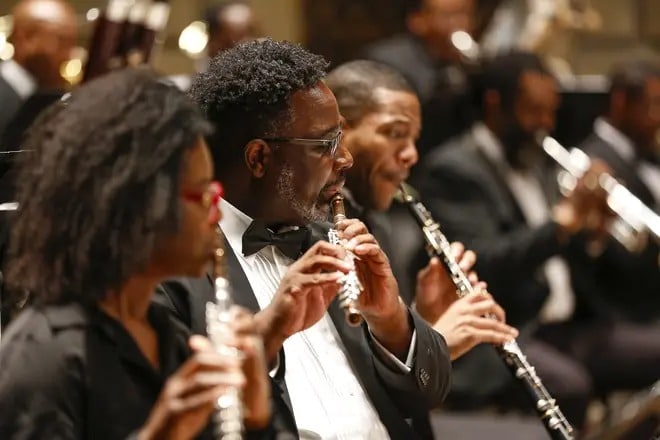
Classical music, with its timeless beauty and profound emotional depth, has captivated audiences for centuries. From the soaring symphonies of the Romantic era to the intricate compositions of the Baroque period, the genre has produced some of the most extraordinary works in the history of music. These masterpieces not only showcase the brilliance of their composers but also serve as a testament to the enduring power of music to transcend time and culture. In this article, we explore the top 15 most popular classical music pieces of all time, each a gem in the vast treasure trove of classical repertoire. These selections have not only stood the test of time but have also become synonymous with the very essence of classical music, resonating with both seasoned aficionados and newcomers alike. Whether it’s the haunting strains of Beethoven’s “Moonlight Sonata” or the majestic grandeur of Handel’s “Messiah,” these pieces represent the pinnacle of musical achievement, offering listeners a glimpse into the sublime artistry that defines classical music. Join us as we journey through these iconic works, celebrating the genius of composers who have left an indelible mark on the world of music.
1. Nuages gris by Franz Liszt
“Nuages gris” by Franz Liszt is a poignant and evocative composition that stands out as one of the most celebrated pieces in the classical music repertoire. Composed in 1881, this piano piece is often translated as “Gray Clouds,” reflecting the somber yet deeply introspective mood Liszt conveys through its intricate harmonies and delicate melodies.
The work begins with a hauntingly beautiful theme that unfolds gently, capturing the listener’s imagination with its lyrical quality. Liszt employs rich chromaticism and a variety of textures, creating an atmospheric soundscape that invites contemplation. The piece progresses through contrasting sections, moving from moments of tranquility to more tumultuous passages, mirroring the shifting nature of emotions associated with life’s challenges.
Liszt’s mastery of piano technique is evident in “Nuages gris”, as he combines expressive depth with technical virtuosity, making it a favorite among pianists and audiences alike. The piece has been interpreted by numerous artists, each bringing their unique perspective to its performance. As a testament to Liszt’s profound influence on the world of classical music, “Nuages gris” remains a timeless reflection on human experience, encapsulating the beauty and complexity of our emotions.
2. Gymnopedies by Erik Satie
“Gymnopédies” by Erik Satie is a trio of piano compositions composed in 1888, renowned for their haunting simplicity and delicate beauty. The first of the three, “Gymnopédie No. 1”, immediately captivates listeners with its serene, flowing melody and gentle harmonies. Satie’s innovative use of rhythm and phrasing creates a sense of fluidity, transporting the audience into a tranquil and introspective space.
Characterized by a unique blend of impressionism and minimalism, the “Gymnopédies” evoke a dreamlike atmosphere, inviting reflection and contemplation. Satie’s approach to harmony is unorthodox yet enchanting, employing unresolved chords and open intervals that evoke a sense of yearning and nostalgia. The use of soft dynamics and subtle tempo variations enhances the overall ethereal quality of the pieces.
Each Gymnopédie captures a distinct emotional landscape, with themes of solitude and introspection that resonate deeply with listeners. Satie’s work has influenced countless composers and artists, making the “Gymnopédies” a staple in the classical piano repertoire. Their enduring appeal lies in their ability to convey profound emotions through simplicity, allowing listeners to connect with their own feelings and memories, creating a lasting impact on the world of music.
3. Nessun dorma by Giacomo Puccini
“Nessun dorma”, from Giacomo Puccini’s final opera, “Turandot”, is one of the most iconic arias in the classical music repertoire. Premiered in 1926, the aria is sung by the character Calaf, a prince who is determined to win the love of the cold and unyielding Princess Turandot. The title translates to “None shall sleep,” and it is filled with themes of hope, love, and triumph.
The aria begins quietly, with Calaf expressing his desire for Turandot to reveal her true feelings, as the night holds the promise of victory. The haunting melody, paired with Puccini’s masterful orchestration, builds in intensity, culminating in a powerful climax that showcases the tenor’s vocal prowess. The famous refrain, “Nessun dorma,” echoes the urgency and passion of Calaf’s quest.
What sets “Nessun dorma” apart is its emotional depth, capturing both the desperation and fervor of love. The aria gained worldwide fame when tenor Luciano Pavarotti performed it at the 1990 FIFA World Cup, solidifying its place in popular culture. Today, “Nessun dorma” remains a beloved piece, celebrated for its stirring melody and the profound sense of hope it evokes, making it a timeless masterpiece of operatic expression.
4. Swan Lake by Pyotr Ilyich Tchaikovsky
“Swan Lake”, composed by Pyotr Ilyich Tchaikovsky in 1876, is one of the most famous ballets in the classical music canon. This enchanting score accompanies the tragic tale of Prince Siegfried, who falls in love with Odette, a beautiful princess transformed into a swan by an evil sorcerer. The ballet’s music is characterized by its lyrical melodies, rich orchestration, and emotional depth, perfectly capturing the story’s themes of love, betrayal, and redemption.
The score features iconic pieces such as the majestic “Swan Theme,” which embodies the elegance and grace of Odette, and the dramatic “Dance of the Swans,” showcasing the ethereal beauty of the swan maidens. Tchaikovsky masterfully weaves various motifs throughout the ballet, using music to enhance the storytelling and evoke the characters’ emotions. The haunting melodies and lush harmonies transport audiences to a mystical world filled with longing and beauty.
Though initially met with mixed reviews, “Swan Lake” has since become a staple of ballet companies worldwide and is celebrated for its artistic expression and emotional resonance. Tchaikovsky’s poignant score, combined with the ballet’s captivating choreography, continues to captivate audiences, making “Swan Lake” a timeless masterpiece that remains a defining work in the realm of classical music and ballet.
5. Brandenburg Concertos by J.S. Bach
The “Brandenburg Concertos” by Johann Sebastian Bach are a collection of six instrumental works, widely regarded as masterpieces of the Baroque period. Composed between 1711 and 1720 and dedicated to Margrave Christian Ludwig of Brandenburg, these concertos showcase Bach’s innovative use of orchestration, counterpoint, and form, highlighting the diverse range of instruments and the virtuosity of the musicians.
Each concerto features unique combinations of instruments, creating a distinct sound and character. For example, “Brandenburg Concerto No. 3” is celebrated for its lively string interplay and energetic rhythms, while “Concerto No. 5” stands out for its inclusion of the harpsichord as a solo instrument, showcasing Bach’s inventive spirit. The concertos blend solo passages with orchestral sections, allowing for an engaging dialogue between the performers.
Bach’s mastery of structure and melody is evident throughout the concertos, with intricate motifs and harmonies that captivate listeners. The “Brandenburg Concertos” exemplify the elegance and complexity of Baroque music, leaving a lasting influence on composers across generations. Today, they are frequently performed and recorded, remaining a cornerstone of classical music and a testament to Bach’s unparalleled genius.
6. Adagio for Strings by Samuel Barber
“Adagio for Strings” by Samuel Barber is one of the most powerful and emotive orchestral works of the 20th century. Composed in 1936, this poignant piece originally began as the second movement of Barber’s String Quartet, Op. 11. It quickly gained popularity and was arranged for string orchestra, becoming an iconic representation of longing, sorrow, and introspection.
The “Adagio” unfolds with a hauntingly beautiful melody, introduced by the first violins and gradually developed by the entire string ensemble. Barber’s masterful use of dynamics and phrasing creates a sense of rising tension, leading to moments of breathtaking intensity that evoke deep emotional responses. The lush harmonies and rich textures envelop the listener, making it a deeply immersive experience.
Often associated with moments of reflection and mourning, “Adagio for Strings” has been featured in numerous films, television shows, and memorials, solidifying its place in popular culture. Its ability to convey profound emotion without words makes it a timeless piece that resonates with audiences worldwide. Barber’s “Adagio” remains a poignant testament to the power of music to express the inexpressible, capturing the essence of human emotion in a beautifully lyrical form.
7. Flight of the Bumblebee by Nikolai Rimsky-Korsakov
“Flight of the Bumblebee” by Nikolai Rimsky-Korsakov is a dazzling orchestral interlude that exemplifies the composer’s mastery of orchestration and virtuosic expression. Composed in 1899 for his opera “The Tale of Tsar Saltan”, this piece has become one of the most recognizable and beloved orchestral works, celebrated for its rapid tempo and intricate melodic lines.
The music mimics the frenetic movement of a bumblebee in flight, characterized by its fast-paced, swirling phrases that create a sense of urgency and excitement. Rimsky-Korsakov employs a wide range of instruments, showcasing the capabilities of the orchestra while maintaining a cohesive sound. The work’s distinctive harmony and rhythm contribute to its lively, buzzing quality, making it a favorite among performers and audiences alike.
Originally intended for a small ensemble, “Flight of the Bumblebee” has been adapted for various instruments, including piano and solo violin, further enhancing its popularity. Its technical demands challenge musicians to exhibit their virtuosity, often leading to breathtaking performances. As a timeless piece, Rimsky-Korsakov’s “Flight of the Bumblebee” continues to captivate listeners with its exhilarating energy and imaginative charm, solidifying its status as a staple in the classical music repertoire.
8. William Tell Overture by Gioachino Rossini
The “William Tell Overture” by Gioachino Rossini is one of the most famous and enduring works in the classical music repertoire. Composed in 1829 for Rossini’s final opera, “William Tell”, the overture is celebrated for its energetic and varied musical sections, capturing the spirit of the opera’s themes of heroism and liberation.
The overture is divided into four distinct parts, each showcasing different musical ideas. It begins with a serene and pastoral introduction, evoking the tranquil Swiss landscape. This section transitions into a lively allegro that bursts with vigor, representing the excitement of the story’s central conflict. The famous “March of the Swiss Soldiers” follows, with its triumphant melodies that have become synonymous with victory and celebration.
The final section, known as the “Tarantella,” features a fast-paced, exuberant theme that is often recognized from its frequent use in popular culture, particularly in films and television. The “William Tell Overture” has transcended its operatic origins, becoming a concert favorite and a hallmark of classical music. Rossini’s masterful orchestration and dynamic contrasts make it a timeless piece, showcasing both the beauty and energy of the romantic era, while its memorable melodies continue to resonate with audiences worldwide.
9. Canon in D by Johann Pachelbel
“Canon in D” by Johann Pachelbel is one of the most recognizable and frequently performed pieces in classical music. Composed in the late 17th century, this piece exemplifies the Baroque style and showcases Pachelbel’s mastery of counterpoint and harmonic progression. Originally written for three violins and basso continuo, it has since been arranged for various instruments and ensembles, further contributing to its popularity.
The piece is structured as a canon, which features a main theme played by the violins that is imitated and harmonized by subsequent voices. This intricate interplay creates a rich tapestry of sound, while the repetitive bass line serves as a foundation for the unfolding melodies. The serene and flowing nature of “Canon in D” evokes a sense of peace and beauty, making it a favorite for weddings, ceremonies, and other celebratory occasions.
Pachelbel’s use of chord progressions, particularly the repetitive cycle of chords, has had a lasting impact on Western music, influencing countless composers and popular songs. Its enduring appeal lies in its ability to evoke deep emotions through simplicity and elegance. Today, “Canon in D” remains a timeless classic, celebrated for its melodic charm and universal resonance, enchanting audiences across generations.
10. Ride of the Valkyries by Richard Wagner
“Ride of the Valkyries”, composed by Richard Wagner in 1856, is one of the most iconic and exhilarating pieces in the classical music repertoire. This orchestral work is part of Wagner’s opera “Die Walküre”, the second of the four operas that comprise his epic cycle, “Der Ring des Nibelungen”. The piece accompanies the dramatic scene in which the Valkyries, warrior maidens serving the god Wotan, ride through the skies to collect fallen heroes from the battlefield.
The music begins with a powerful and exhilarating introduction, characterized by its bold brass and driving rhythms. The soaring melodies and vigorous orchestration evoke a sense of urgency and triumph, perfectly capturing the image of the Valkyries galloping into battle. Wagner’s innovative use of leitmotifs—short, recurring musical themes associated with specific characters or ideas—adds depth to the piece, enhancing its emotional impact.
“Ride of the Valkyries” has transcended its operatic origins, becoming a cultural touchstone used in various films, television shows, and commercials, often symbolizing heroism and adventure. Its dramatic intensity and unforgettable melodies make it a favorite among audiences and performers alike. Today, it remains a quintessential work in the classical canon, celebrated for its ability to evoke excitement and grandeur, solidifying Wagner’s legacy as one of the great composers of the Romantic era.
11. Moonlight Sonata by Ludwig van Beethoven
The “Moonlight Sonata”, officially known as Piano Sonata No. 14 in C-sharp minor “Quasi una fantasia,” Op. 27, No. 2, is one of Ludwig van Beethoven’s most beloved and frequently performed compositions. Completed in 1801, the sonata has become synonymous with romanticism and emotional depth, capturing the hearts of audiences worldwide.
The piece is divided into three movements, with the first movement, marked “Adagio sostenuto”, being the most famous. This opening section features a gently flowing melody accompanied by a rippling triplet pattern in the left hand, evoking a sense of calm and introspection. The ethereal quality of the music has often been compared to the tranquil glow of moonlight, giving rise to its popular nickname.
The second movement, “Allegretto”, offers a contrast with its lighter, more playful character, providing a brief respite before the intensity of the final movement. The concluding movement, “Presto agitato”, showcases Beethoven’s dramatic style, featuring rapid passages and powerful chords that build to a thrilling climax.
The “Moonlight Sonata” reflects Beethoven’s innovative spirit and mastery of piano composition, combining lyrical beauty with technical brilliance. Its enduring appeal lies in its emotional complexity and ability to resonate with listeners, making it a timeless masterpiece that continues to inspire and captivate musicians and audiences alike.
12. The Marriage of Figaro by Wolfgang Amadeus Mozart
“The Marriage of Figaro”, composed by Wolfgang Amadeus Mozart in 1786, is one of the most celebrated operas in the classical repertoire. This comic opera, officially titled “Le nozze di Figaro”, is based on a play by Pierre Beaumarchais and is known for its intricate plot, rich character development, and masterful music.
Set in 18th-century Seville, the opera follows the adventures of Figaro, a clever servant, and his fiancée, Susanna, as they navigate the complexities of love, jealousy, and social hierarchy. The story unfolds over a single day, filled with misunderstandings, disguises, and comedic situations, ultimately leading to a joyful resolution. Mozart’s genius shines through in his ability to blend humor with serious themes, exploring issues of class and fidelity.
The score is a brilliant showcase of Mozart’s compositional style, featuring memorable arias, ensemble pieces, and orchestral interludes. Highlights include the exuberant “Voi che sapete,” sung by the page Cherubino, and the energetic “Sull’aria,” a duet that captures the beauty of love. The ensemble numbers are particularly noteworthy, with intricate harmonies and interplay among the characters that enhance the storytelling.
“The Marriage of Figaro” remains a staple of opera houses worldwide, celebrated for its engaging narrative, delightful music, and exploration of human emotions. Mozart’s masterful blending of comedy and depth ensures that this opera continues to resonate with audiences, making it a timeless classic in the operatic canon.
13. Eine kleine Nachtmusik by Wolfgang Amadeus Mozart
“Eine kleine Nachtmusik”, K. 525, composed by Wolfgang Amadeus Mozart in 1787, is one of the composer’s most popular and recognizable works. Translating to “A Little Night Music,” this serenade is a delightful example of Mozart’s mastery of melody and form, often performed in concert halls and classical music settings worldwide.
The composition is structured in four movements, each showcasing a different character and mood. The first movement, “Allegro”, features a lively and memorable main theme characterized by its bright, cheerful energy, setting the tone for the entire piece. The second movement, “Romanze: Andante”, introduces a more lyrical and gentle atmosphere, with expressive melodies that evoke a sense of longing.
The third movement, “Menuetto: Allegretto”, returns to a lively character, featuring a playful dance rhythm, while the final movement, “Allegro”, brings the piece to a jubilant conclusion with its energetic and spirited themes.
Mozart’s “Eine kleine Nachtmusik” exemplifies the elegance of the Classical style, with its clear structure, harmonious melodies, and engaging interplay between strings. Though originally intended for outdoor performances, the piece has transcended its origins, becoming a quintessential work in the classical repertoire. Its enduring appeal lies in its ability to evoke joy and charm, making it a beloved favorite for musicians and audiences alike.
14. The Four Seasons by Antonio Vivaldi
“The Four Seasons”, composed by Antonio Vivaldi in 1723, is a set of four violin concertos that depict the changing seasons through vibrant music and imaginative imagery. Each concerto is dedicated to a different season—Spring, Summer, Autumn, and Winter—and is accompanied by sonnets that enhance the connection between the music and nature.
“Spring” (La primavera) bursts forth with joyful melodies and lively rhythms, capturing the essence of renewal and growth. The music evokes the sound of birds chirping, gentle breezes, and the overall exuberance of life awakening.
“Summer” (L’estate) contrasts with its intense and dramatic themes, reflecting the heat and storms of the season. The concerto features sudden shifts in dynamics, representing the tumultuous weather and the oppressive heat, creating a vivid auditory experience.
“Autumn” (L’autunno) celebrates the harvest and the joy of reaping the fruits of labor. The music embodies the festive atmosphere of autumn festivities, featuring dance-like rhythms and melodies that convey a sense of contentment and celebration.
“Winter” (L’inverno) concludes the set with a stark and chilling portrayal of the cold season. The music captures the biting cold, with sharp contrasts and flowing, icy passages that evoke the sensation of shivering in the snow.
Vivaldi’s “The Four Seasons” showcases his innovative use of melody and form, making it one of the earliest examples of programmatic music—music that tells a story or paints a picture. Its popularity has endured for centuries, remaining a staple in classical concert repertoire, celebrated for its emotional range, vivid imagery, and masterful violin techniques.
15. Symphony No. 5 by Ludwig van Beethoven
“Symphony No. 5 in C minor, Op. 67”, composed by Ludwig van Beethoven between 1804 and 1808, is one of the most recognized and influential works in classical music. Often referred to simply as the “Fifth Symphony,” it is renowned for its iconic four-note opening motif, famously described as “fate knocking at the door.” This motif, consisting of three short notes followed by a long note (♪♪♪—♩), sets the dramatic tone for the entire symphony and is woven throughout its structure.
The symphony consists of four movements, each contributing to its overarching narrative of struggle and triumph. The first movement, “Allegro con brio”, is marked by intensity and urgency, leading the listener through a range of emotions. The second movement, “Andante con moto”, provides a contrasting sense of calm and lyrical beauty, featuring serene themes that offer a moment of reflection.
The third movement, “Allegro”, is a dynamic scherzo that maintains the energy of the first movement, building tension and excitement. Finally, the symphony concludes with the triumphant fourth movement, “Allegro”, which bursts forth with exuberance and resolution, transforming the earlier struggle into a victorious celebration.
Beethoven’s “Symphony No. 5” is celebrated for its innovative structure, emotional depth, and groundbreaking orchestration. It has left a lasting impact on the symphonic genre and continues to resonate with audiences, symbolizing human perseverance and the triumph of the spirit. Its powerful motifs and masterful development make it a cornerstone of classical music and a testament to Beethoven’s genius.

Samuel Moore is a frequent contributor to Singers Room. Since 2005, Singersroom has been the voice of R&B around the world. Connect with us via social media below.









